
Notes from Sydney Film Festival, Part 4

Wed 20 Jun 2012, 12:00am
Share This
+ Comment
0

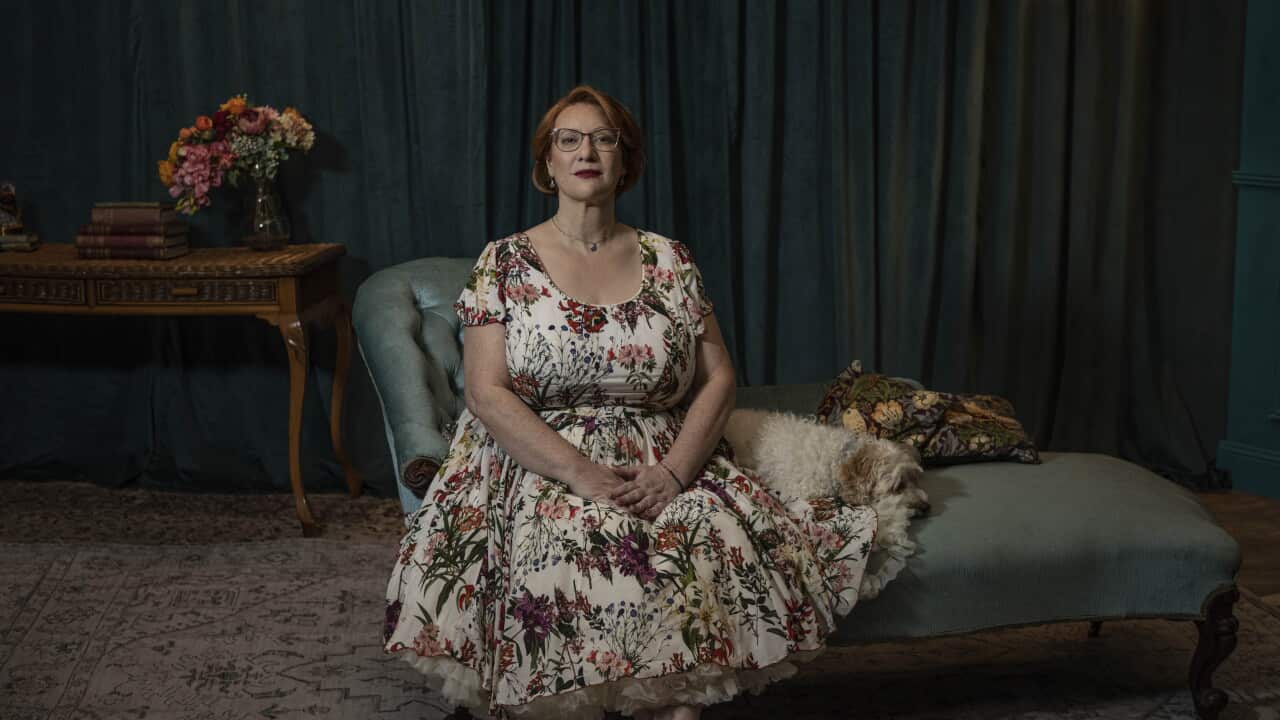
As has been mentioned in these posts previously, filmmaker Paul Gallasch (pictured above) actively frets over audiences “getting” the dark, therapeutic humour of his 29-minute documentary Killing Anna and its story of his wake for the very much undead girlfriend who abruptly dumped him.

He needn’t have worried: during Sunday evening’s closing night ceremonies, the three-member jury of the FOXTEL Australian Documentary Prize awarded his film their highest honour (with an accompanying $10,000 purse), eclipsing the seven other films in the competition. Gallasch earns this win on the heels of receiving the 2012 F4 award for outstanding new documentary talent in the film component of the Adelaide Festival in March. With a number of films in various stages of completion, it would seem his days of mourning may finally be at an end.


In truth, the award itself makes sense in context of the work of at least one of the jurors: New Zealand filmmaker Costa Botes, like Errol Morris and other documentarians who combine intellectual mischievousness with unshakeable humanism (it’s a short list), celebrates the committed eccentric and outsider doing what they feel needs to be done in the face of resistance and/or dismissal.

The theme is evident in the new non-fiction film Botes presented late in the International Documentary strand of the festival (saving the best for last, perhaps?). The Last Dogs of Winter examines the controversial work of reclusive contrarian Brian Ladoon, who, from his spread near Churchill, Manitoba in Canada’s far frozen north, is trying to save the Canadian Eskimo Dog or qimmig, from extinction. Botes’ deft camerawork is all the more remarkable for the conditions under which he worked: the cold was intense, and the presence of roaming polar bears dictated he film primarily from a truck.


The only other non-fiction prized by the 2012 Sydney Film Festival was Japanese director Sunada Mami’s perceptive and delicate Death of a Japanese Salesman, which earned the Showtime Movie Channels Audience Award for documentary feature. In the months preceding her father’s death from cancer, she follows him as he grows closer to the family he’d neglected in favour of career; her reading of his traditional “end-of-life journal” as narration gives the film a persuasively affecting sense of personal loss mixed with brave whimsy.


Though Sunada was not in attendance, in an interview for the Asia Society New York, the long-time assistant to established Japanese filmmaker Kore-eda Hirokazu (Air Doll, Still Walking) said “I feel so lucky” and calls the international audiences and awards “the most valuable nourishment.” Along with Gallasch, she represents an important investment by Sydney audiences in the bright future of filmmaking.

Tangential to the focus of this blog but interesting as reference, the fiction film winner of audience approval was the extraordinarily acted Canadian feature Monsieur Lazhar, director Philippe Falardeau’s much-awarded and Oscar-nominated tale of an Algerian immigrant who helps a group of Montreal schoolchildren deal with a tragic loss even as he works through his own traumatic recent past.


That both films have a demonstrated track record of winning festival audience awards suggests either Sydney moviegoers have good taste commensurate with other established festivals around the world or in a more cynical analysis, they’re conforming to films calculated to manipulate viewer emotion; take your pick (certainly the humanist moviegoer would be inclined towards the former).

The Sydney Film Festival is claiming their 2012 edition to be their most actively attended to date, with a ten per cent growth over last year to 122,000. The published statistic of nearly half of the sessions being ninety per cent full can be anecdotally accepted by this correspondent as well as a number of colleagues. With a nearly full house at 11:00am closing day—a Sunday—for The Last Dogs of Winter testifying to a renewed sense of energy, commitment and curiosity that bodes well for the festival’s 60th anniversary next year and beyond.

Your Say

Add your Comment

  • verification image

All submitted comments become the property of SBS. They are moderated, so we reserve the right to edit comments and remove HTML tags. Not all submitted comments will be published. Publication does not mean we endorse the opinions expressed. Please read our terms and conditions for more information.

About this writer

Eddie Cockrell

Eddie Cockrell is a film critic, feature writer and consulting programmer. His reviews, profiles and columns have appeared in The Australian, Variety,...

Read More

ADVERTISEMENT

SBS Shop

Food Safari, Series 2 (DVD)

The Fabric of the Cosmos (DVD)

Physicist and author Brian Greene, brings us a mind-blowing new exploration of space, time, and the very nature of reality.

Buy Now
Food Safari, Series 2 (DVD)

The Dust Bowl (DVD)

Acclaimed filmmaker Ken Burns chronicles the worst man-made ecological disaster in American history.

Buy Now
Food Safari, Series 2 (DVD)

East to West (DVD)

A fresh perspective on the birth of civilisation in the Near and Middle East and its dynamic influence on the West.

Buy Now