
Making The Block: Research and interviews
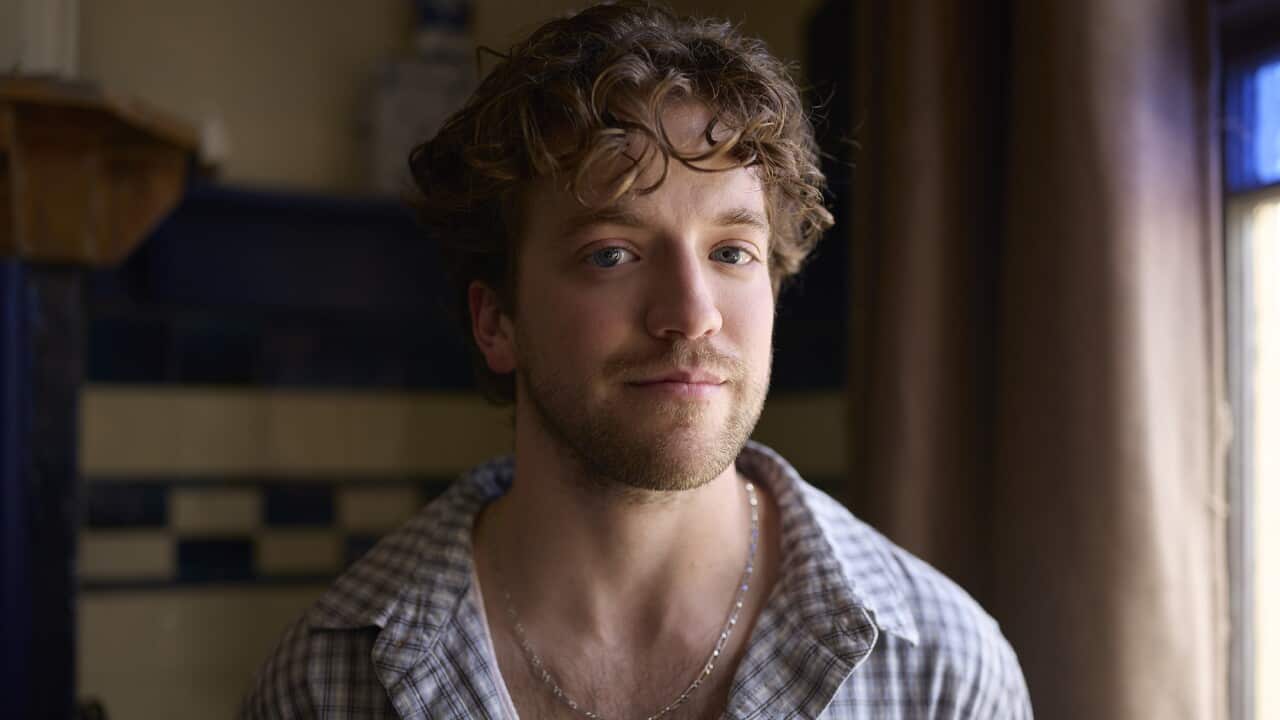
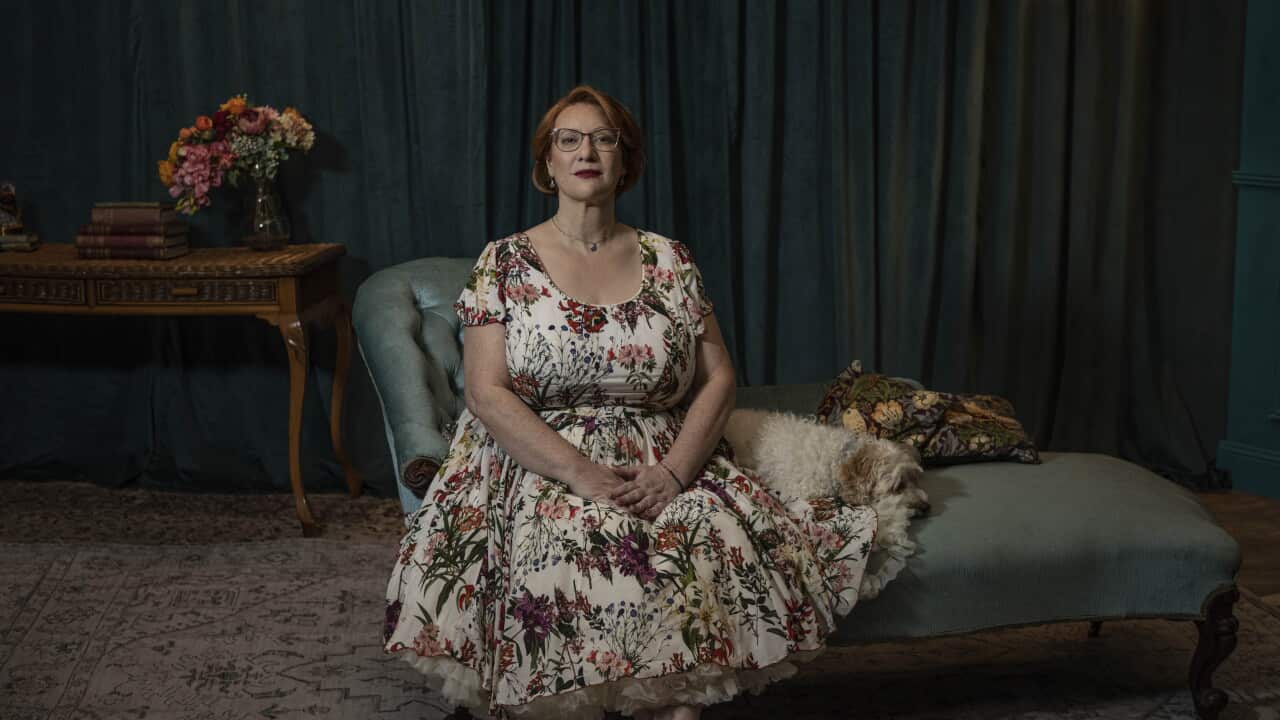
On the eve of the Block’s demolition, researcher and interviewer Sandra Fonseca immersed herself in the Indigenous community of Redfern to capture captivating stories from residents past and present.
Throughout its nearly-40-year history, the Block has had a fairly turbulent relationship with the media. As a community that has long been portrayed as a place of violence and crime, residents were understandably wary of outsiders. Sandra Fonseca, researcher and interviewer of SBS's latest web documentary The Block: Stories from a Meeting Place was well aware of this when embarking on the project. “I knew for a fact how badly the community had been treated by the media,” she explains. “When we actually started the research, it was at a really bad time.”
After a series of negative media reports and eviction notices, only 11 residents remained on the soon-to-be demolished site. It was within this atmosphere of fear and uncertainty that Fonseca was given the task of locating current and former residents and capturing their stories.
As the news of the demolition surfaced in late 2010, it quickly became apparent that few personal stories of the Block had ever been recorded. With redevelopment imminent, there was a real threat that the rich history of the Block would be lost. “It had never really been documented before” Fonseca explains, “the Block has always been talked about in the media from an outsider’s perspective. No one has spent a prolonged period of time there."
Recognising the need to immerse herself in the community, she spent weeks talking to people in Redfern in order to gather a wide range of stories. “The Block’s history is not black and white,” she says. “It’s not just one history. Everyone’s got their own take on it in the community.” Maintaining an ongoing presence and investing significant time with residents was crucial as, “it really takes time to win people’s trust and for people to understand what you’re doing,” she says.
After the research was completed, Fonseca was joined by director Poppy Stockell to film 15 interviews over a two-week period. “We had a very small crew and very limited resources to tell a very complicated story,” she says. The crew took a flexible approach during the shoot, scheduling last-minute interviews when residents were difficult to track down. Despite the sensitivity of the subject matter, Fonseca was comfortable talking to people about their experiences on the Block. “I love it,” she says, “I think people are so beautiful.”
“When I was doing it my life changed,” Fonseca says. “I was working on it for a couple of months – just walking around and I’ve never been so happy. I was living the way a lot of people live on the Block, which is you walk around you say 'hi' to everybody. It was like being in a community.”
Documenting this atmosphere prior to the demolition was important in sharing the collective experience of living on the Block. “I’m from the generation that got taught Aboriginal history,” she says. “I thought I knew everything about it but I didn’t know any Aboriginal people. I had never sat there for a long period of time and heard someone’s story and understood the experience of being Aboriginal. I thought I knew all that, but I didn’t at all.”
Making The Block: Direction
Making The Block: Interactive design and development
Making The Block: Panoramas
Making The Block: Sound Design
Explore the web documentary sbs.com.au/theblock
Join the conversation on Twitter twitter.com/SBSDocumentary #TheBlockSBS
Full SBS NAIDOC Week Offering sbs.com.au/naidoc
About this writer
Watch Online
SBS Shop
The Fabric of the Cosmos (DVD)
Physicist and author Brian Greene, brings us a mind-blowing new exploration of space, time, and the very nature of reality.
The Dust Bowl (DVD)
Acclaimed filmmaker Ken Burns chronicles the worst man-made ecological disaster in American history.
East to West (DVD)
A fresh perspective on the birth of civilisation in the Near and Middle East and its dynamic influence on the West.


VideoNEW
Podcasts
Blogs