
Q&A
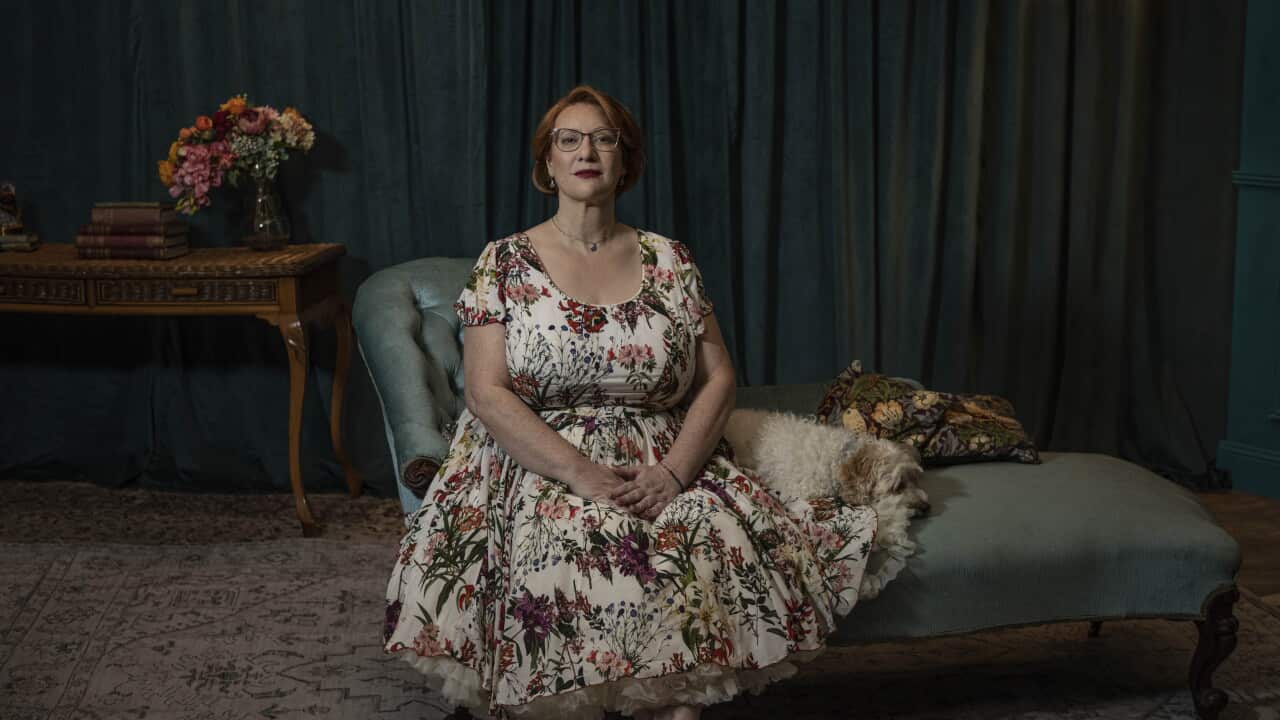
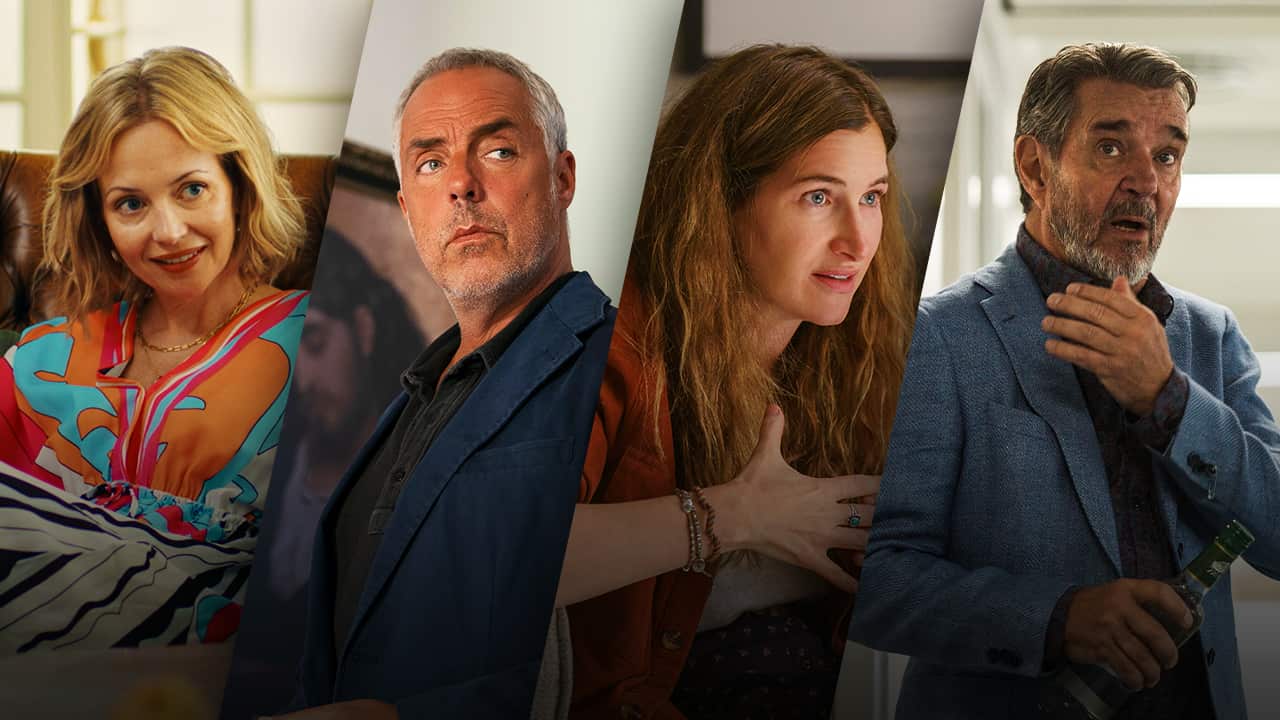
Susan Danta (left) has worked in animation for the past decade. Her
love of drawing and the moving image led her to pursue a career in the
animated arts. Her award winning animated films The Bronze Mirror, Mother Tongue,
Driving Home and Shadowplay have screened at local and international
film festivals including Annecy, Hiroshima, Stuttgart and Zagreb
amongst others. She has a Master’s Degree in Animation (Australian Film Television and
Radio School 2007) and a Postgraduate Diploma in Animation (Victorian
College of the Arts 1999).
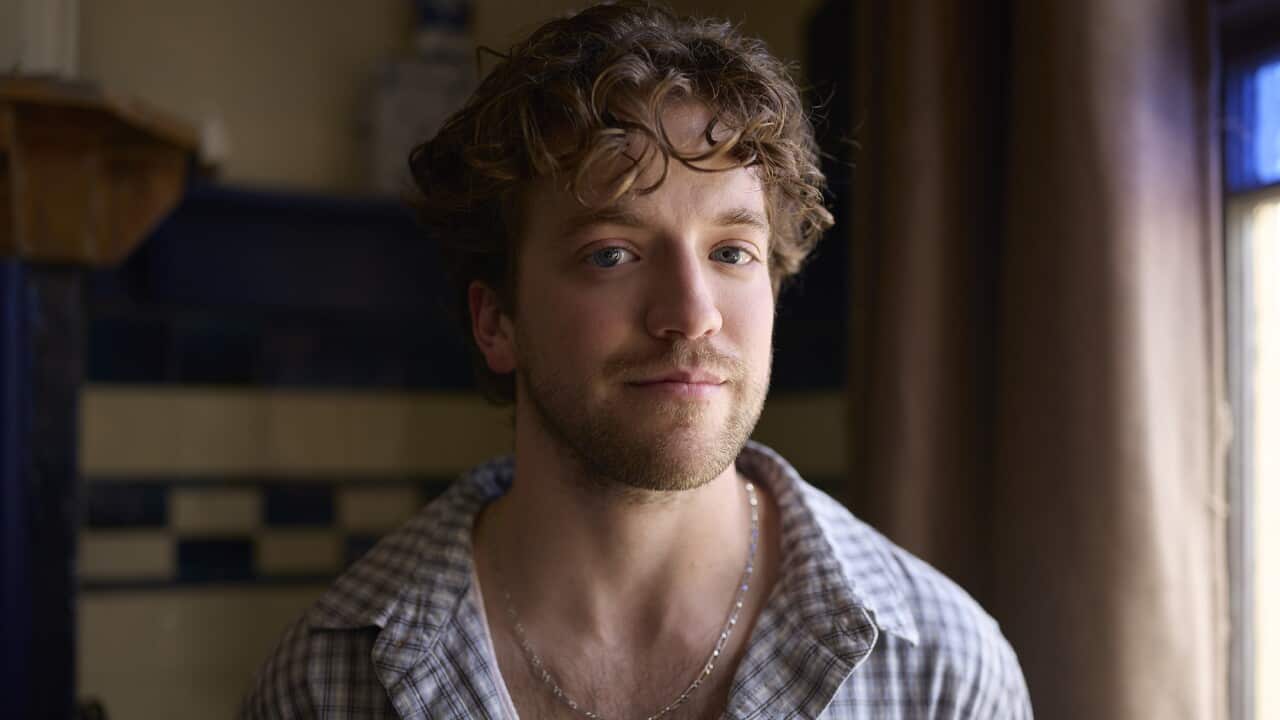
After graduating from the Australian Film Television and Radio School Wendy Chandler (right) worked for over 15 years as film and television editor in the areas of documentary and short drama. Wendy has also written and directed a number of short films, which have screened at prestigious international film festivals and have won many awards. These include Union Street and Vengeance which both won the AFI award for Best Animation.
SUSAN: I had created an animated documentary Amine which incorporated an audio interview with animation and I wanted to continue on this theme with a series about people and their heritage. Heirlooms was a natural progression from Amine.
WENDY: Susan brought the idea to me and asked if I would like to produce it. I had been a writer/director up until that point; this would be the first time I’d produce. When I read the proposal I jumped at the chance, I thought it was such an exceptional idea. Susan had been a student of mine at the University of Western Sydney almost 10 years earlier, I was very proud of how much she had developed as a filmmaker. Over time our creative collaboration developed, and I directed and animated three of the episodes.
What do you like, or perhaps find challenging, about making documentaries?
S: It’s hard enough finding stories that are interesting and relevant to the series, but the requirement to then have people talk about their experiences in an engaging way makes it even more challenging. Luckily I had the very experienced Wendy Chandler who interviewed all the participants in the series.
W: The hardest thing was to tell quite complex stories in one minute. In many ways I think it’s much harder to make a very short film as opposed to a longer one. The challenge is to get the most out of the image and sound so that they don’t illustrate one another, but work together to add more layers and depth to the story.
How does the documentary relate to your past work, if at all?
S: I have made two prior animated documentary films and I have always wanted to make a series. This animated series was a natural step for me.
W: I’ve had an eclectic career in film and television. I started out as an editor before moving onto writing and directing my own animated films and more recently projects that combined, animation, live action and digital effects. Working as producer, co-director and editor on Heirlooms brought many of those skills together and was a rewarding challenge.
Any other production anecdotes?
S: Well, it was a challenge to complete the project with the birth of my first child at the beginning of the series and the birth of my second child at the end of it. Wendy Chandler and the SBS commissioning team were both incredibly supportive during the production of this series.
W: Mostly my role developed mainly out of necessity as Susan gave birth to two children during the production. I did a lot of the work that involved travel like interviewing the participants. Susan did the bulk of the animation, between baby feeds and naps. She was often animating in the middle of the night. I directed and animated three of the 10 episodes. Throughout the process we developed a strong creative partnership that I hope will continue.
Apart from "it's a masterpiece" what would your ideal viewer response to the doco be?
S: Viewers to think about their own heirlooms and what they mean to them.
W: Mostly I want the viewers to connect emotionally with the stories, promote discussion about their own heritage and what it means to be 'Australian' and a citizen of the world. Animation is often wrongly classed as if it’s a genre in its own right rather than another form of filmmaking that encompasses a broad range of genres. I hope viewers also experience and appreciate the power of the animated image in relation to documentary filmmaking.
What is your next project?
S: Raising two children and writing a longer animated fiction.
W: I’m completing a Doctorate of Creative Arts in documentary animation at the University of Western Sydney and pondering the next project.
SBS Shop
Empire of the Word (DVD)
8 years in the making, this compelling doco traces the impact of reading on more than 5000 years of human history.
Guitar for Booklovers (CD)
Read in good company with sensual Spanish & flamenco music and timeless classics.
VideoNEW
Podcasts
Blogs
Add Comment