

Watch FIFA World Cup 2026™
LIVE, FREE and EXCLUSIVE starting June 12 2026


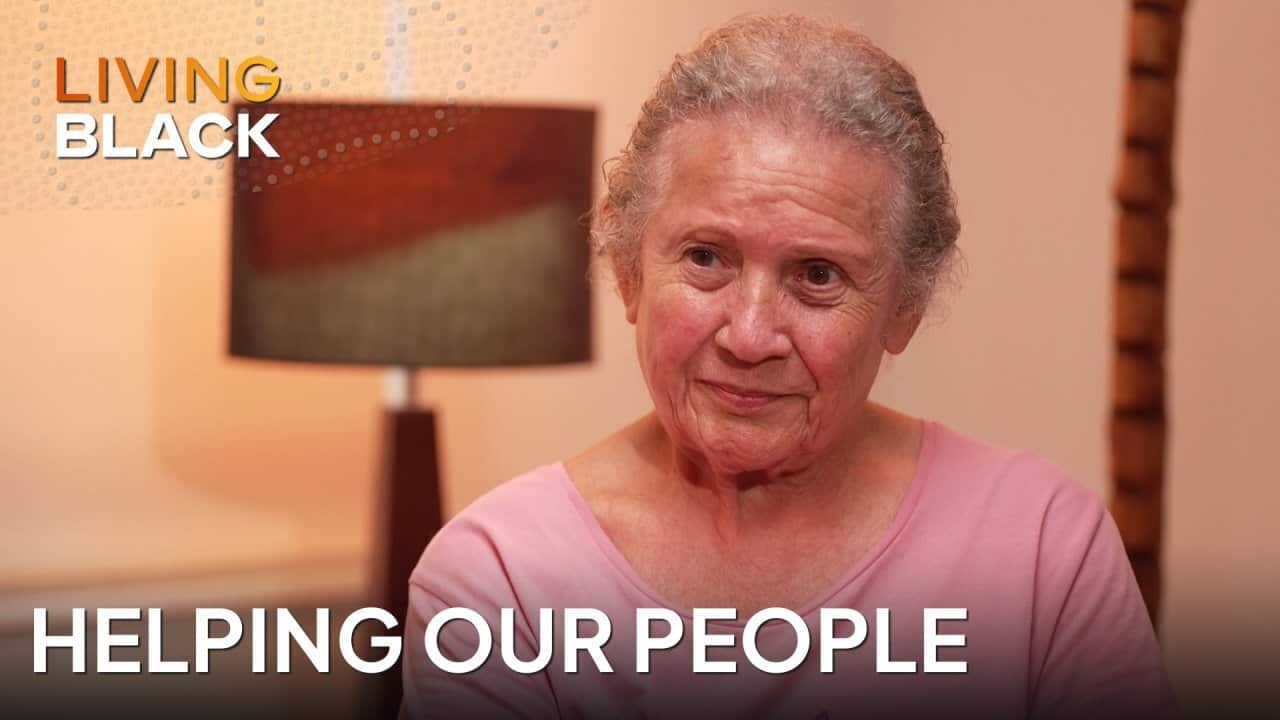
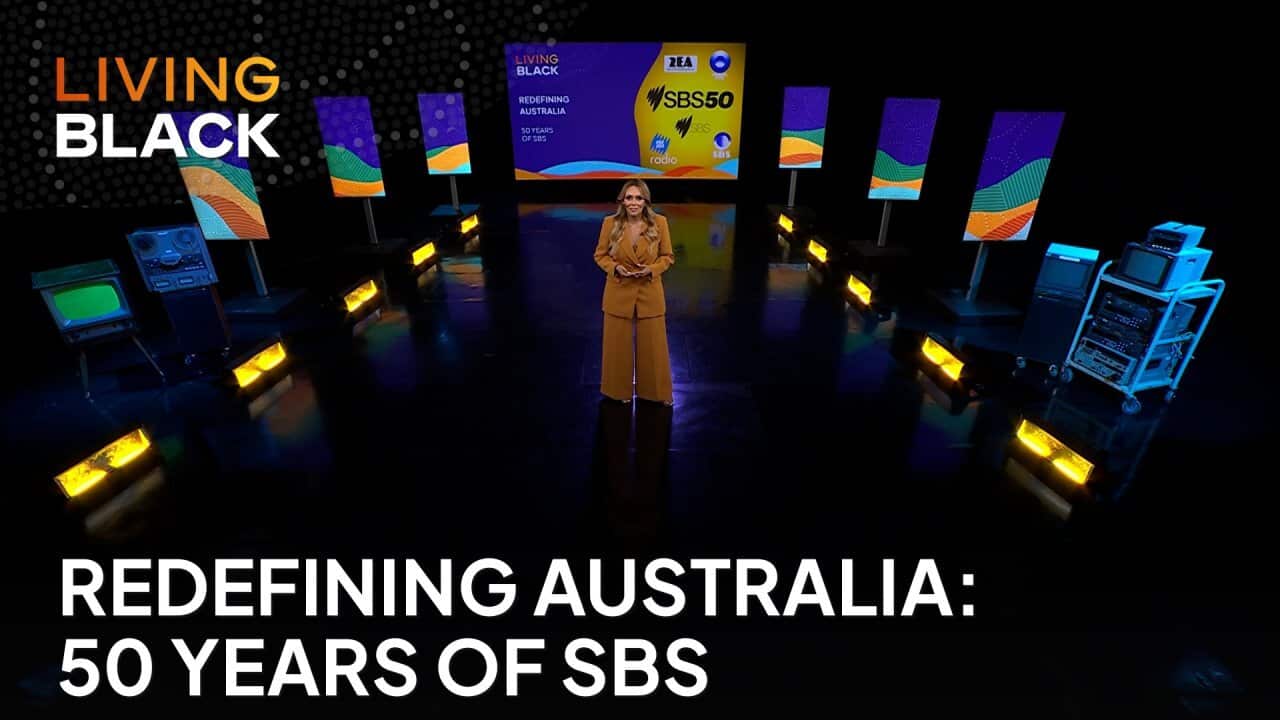
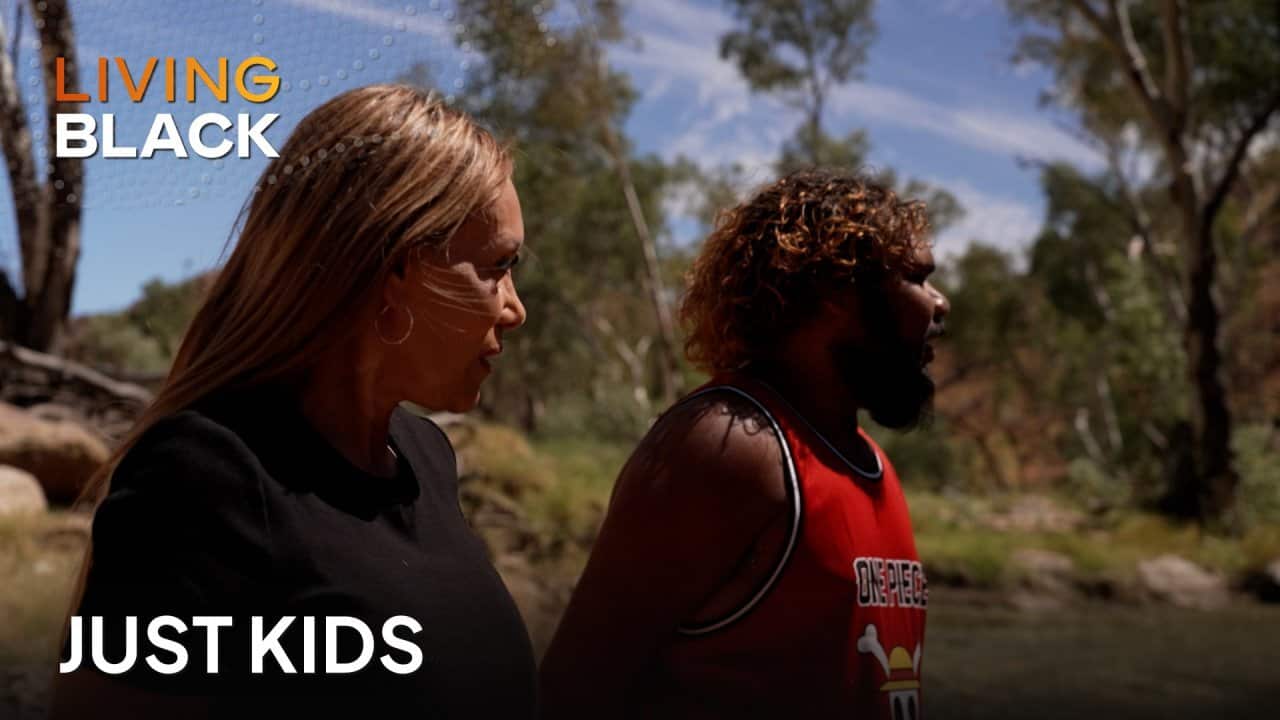
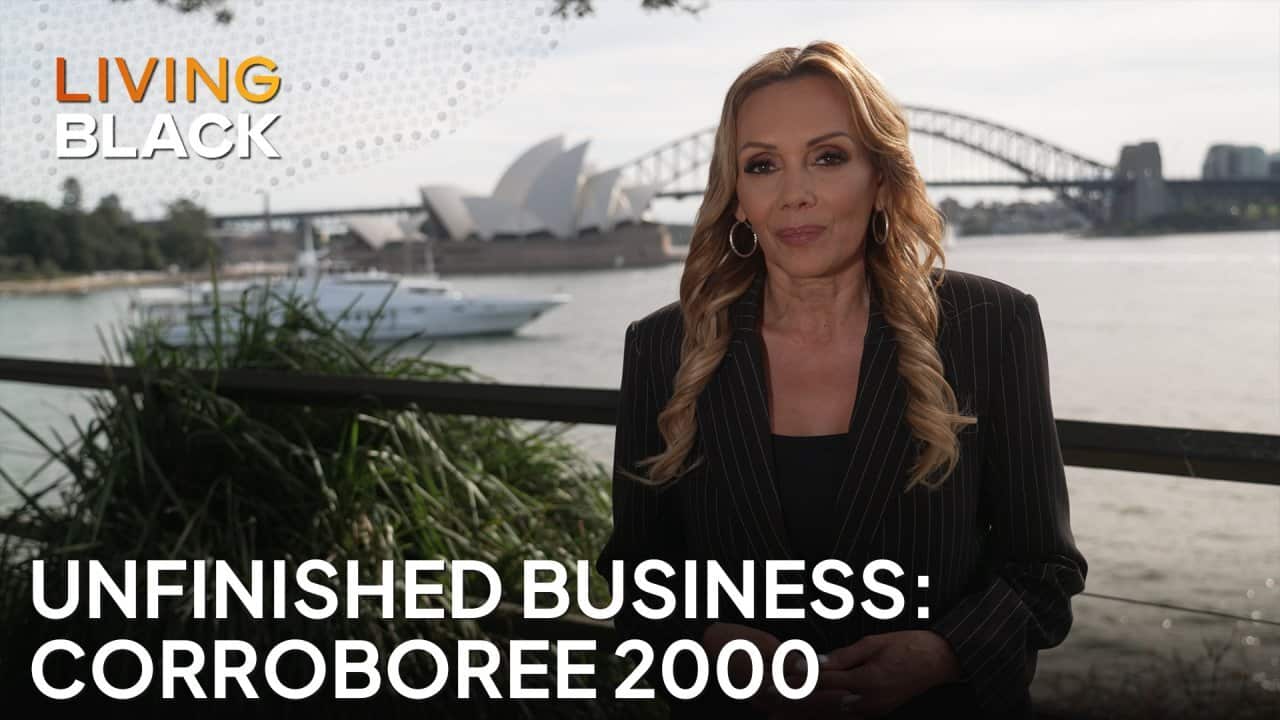
Australia's premier Indigenous current affairs program, Living Black provides timely, intelligent and comprehensive coverage of the issues affecting Aboriginal and Torres Strait Islander Australians. Watch the latest season on SBS On Demand.
Have a story or comment? Contact NITVLiving Black Series
14 seasons available
TV Show - Indigenous News and Current Affairs
Subtitles available in Arabic and Simplified Chinese Script
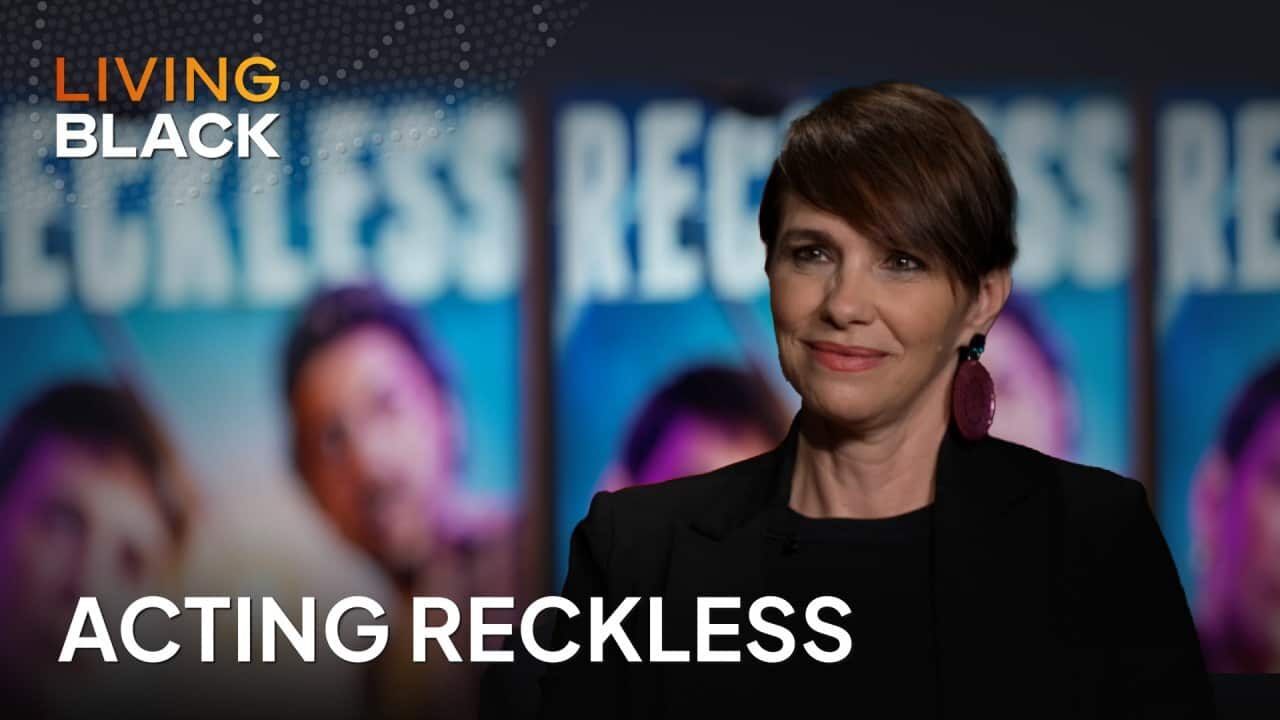
Prolific journalist Karla Grant sits down with inspiring and influential people from home and overseas, to delve into issues affecting Aboriginal and Torres Strait Islander Australians and bring personal insight to extraordinary stories. #LivingBlack.

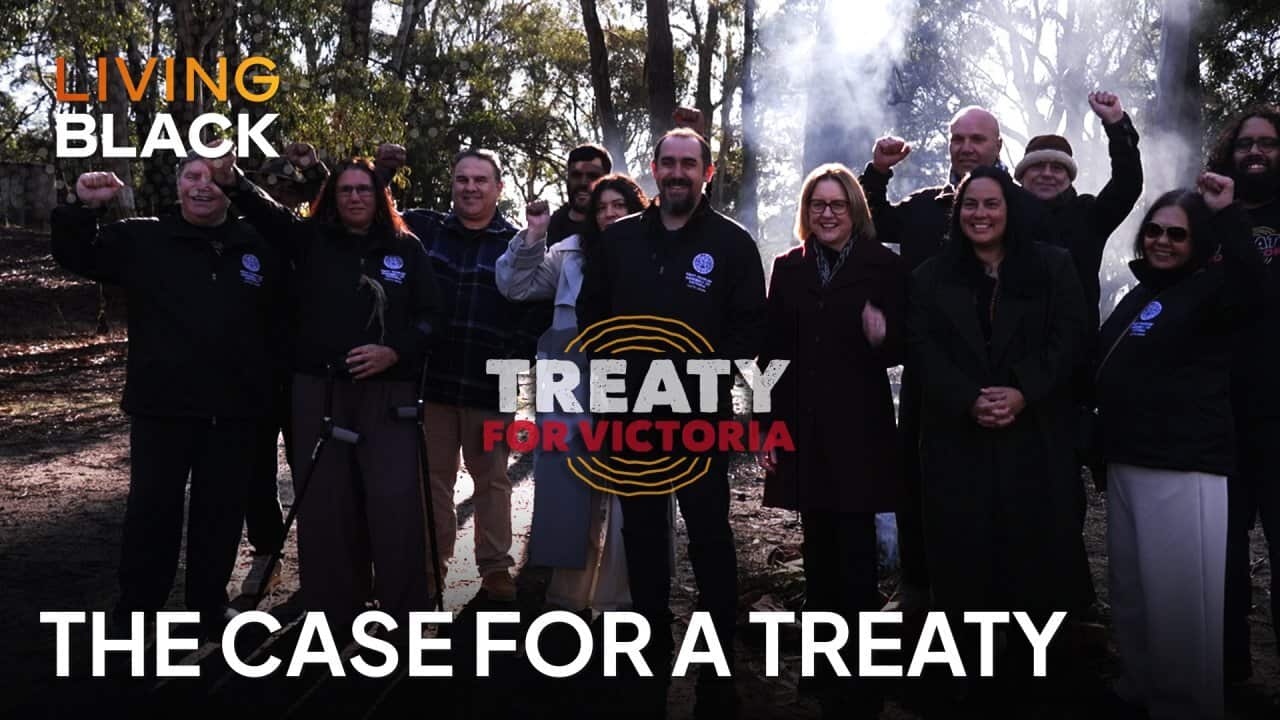
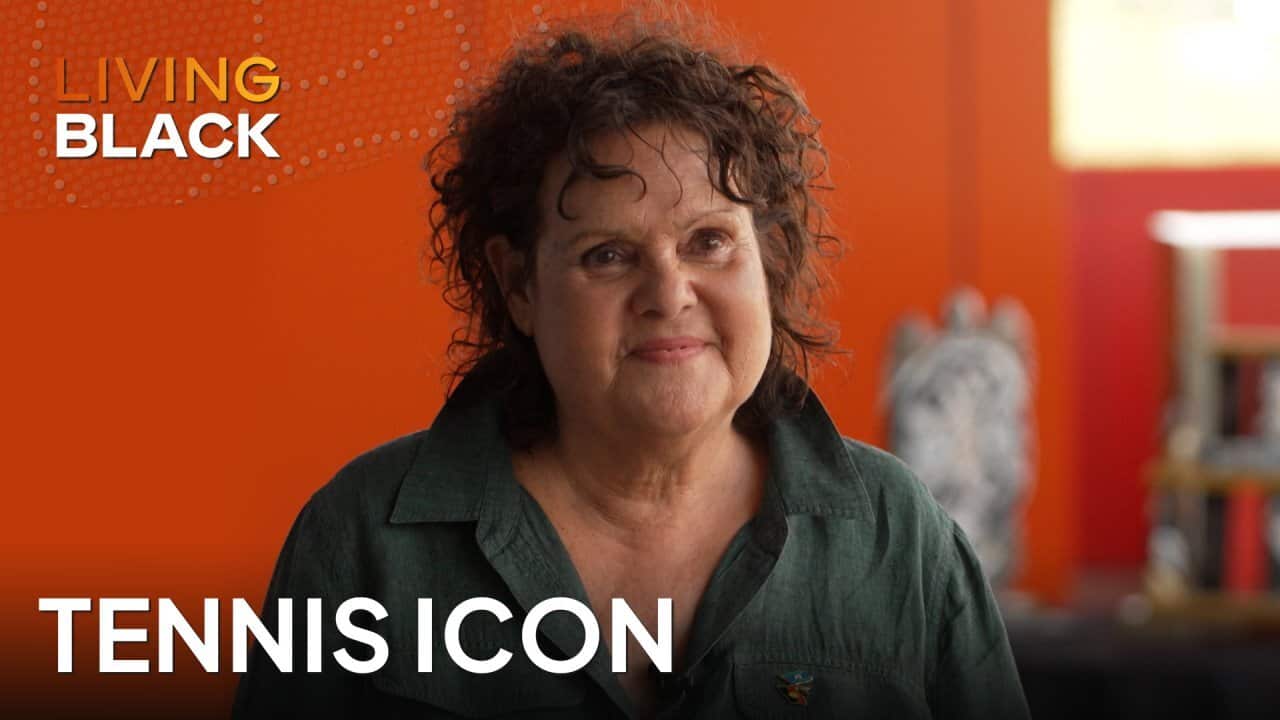
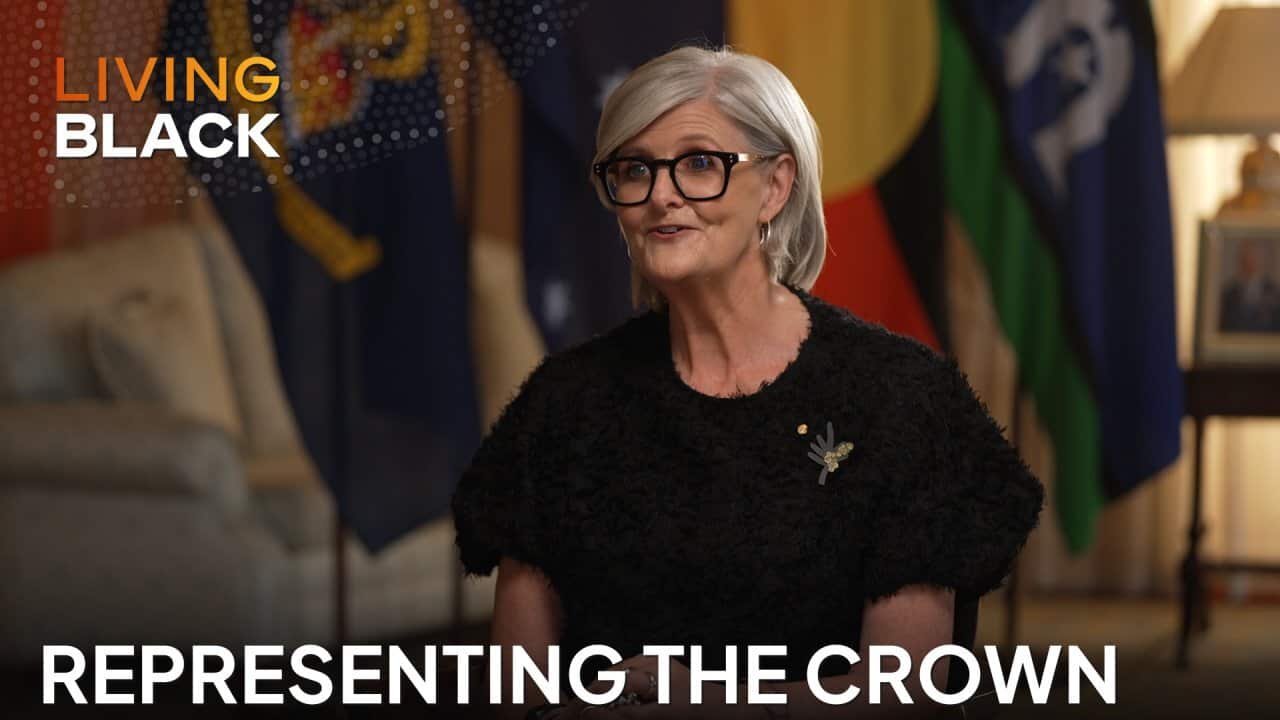
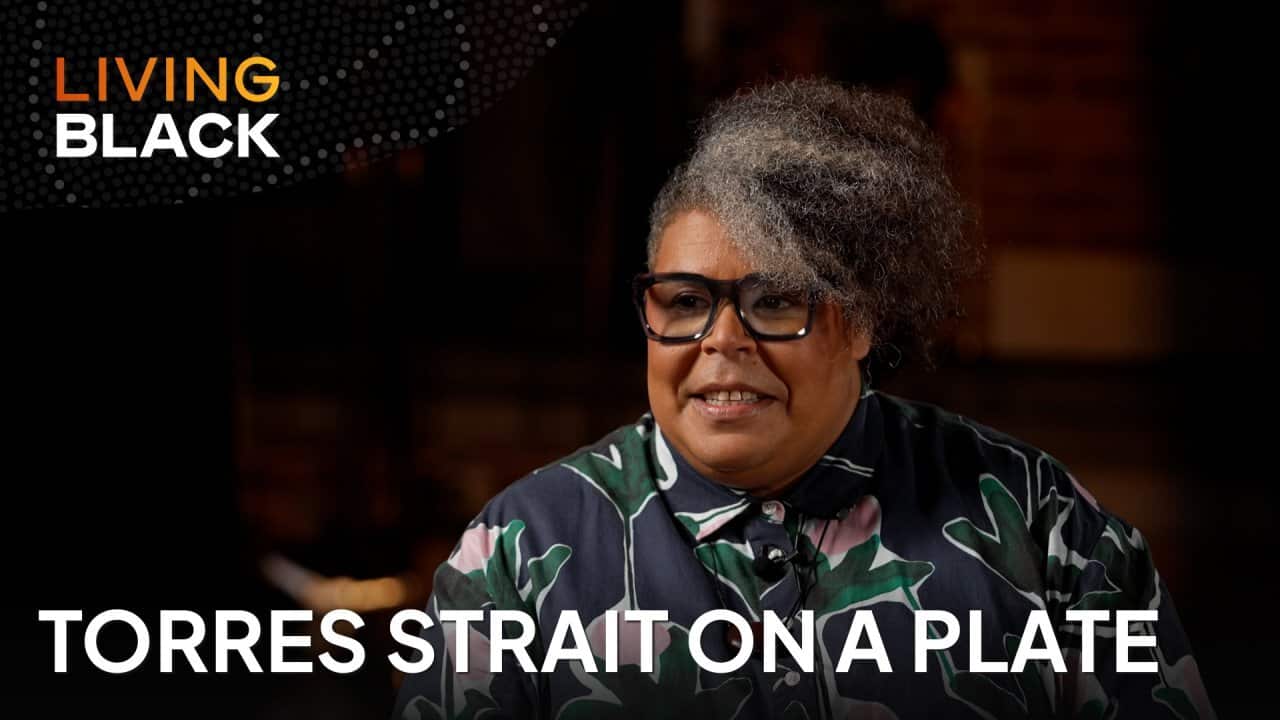
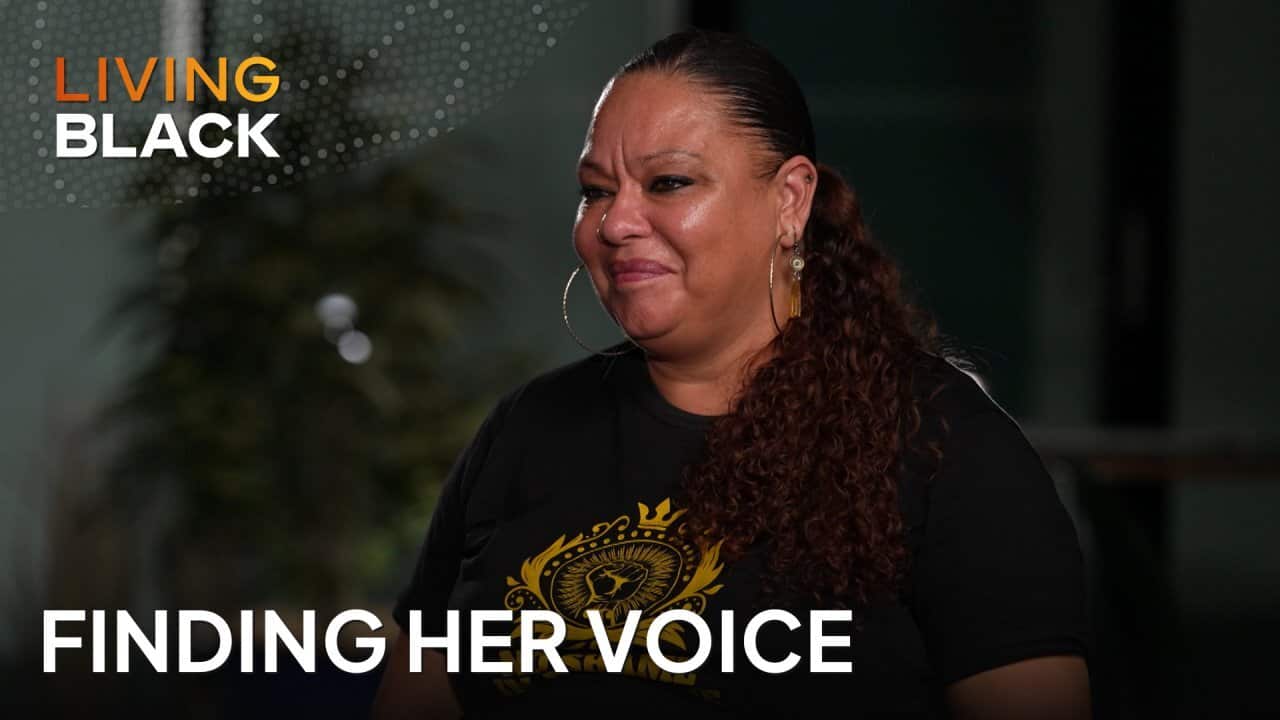
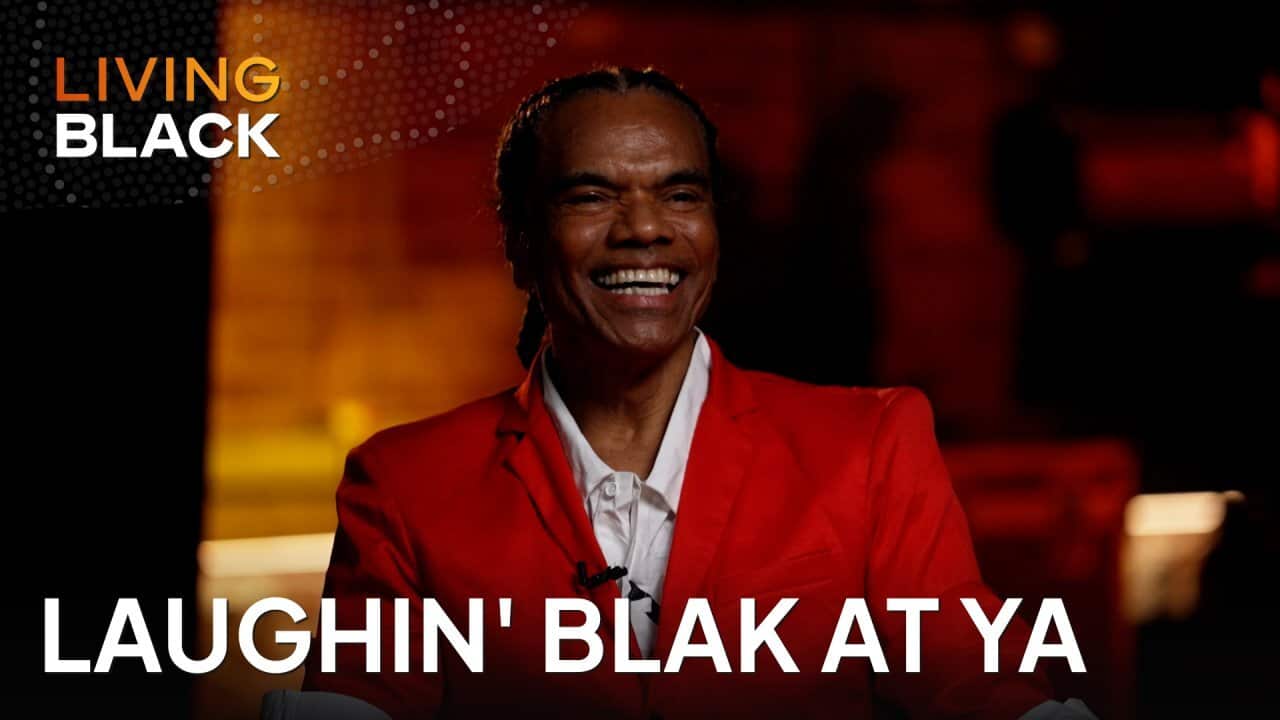
Now Streaming
Stream Now


News And Current Affairs

News And Current Affairs

News And Current Affairs

News And Current Affairs

Sport
More News & Featured Programs
Stream Now


View More
Stream Now



Listen to our podcasts
 Take It BlakInterviews and feature reports from NITV.
 GoodwaysA mob-made podcast about all things Blak life.
Get the latest with our nitv podcasts on your favourite podcast apps.
Watch on NITV

The Point: Referendum Road Trip
Live weekly on Tuesday at 7.30pm
Join Narelda Jacobs and John Paul Janke to get unique Indigenous perspectives and cutting-edge analysis on the road to the referendum.
#ThePoint
Stream now