


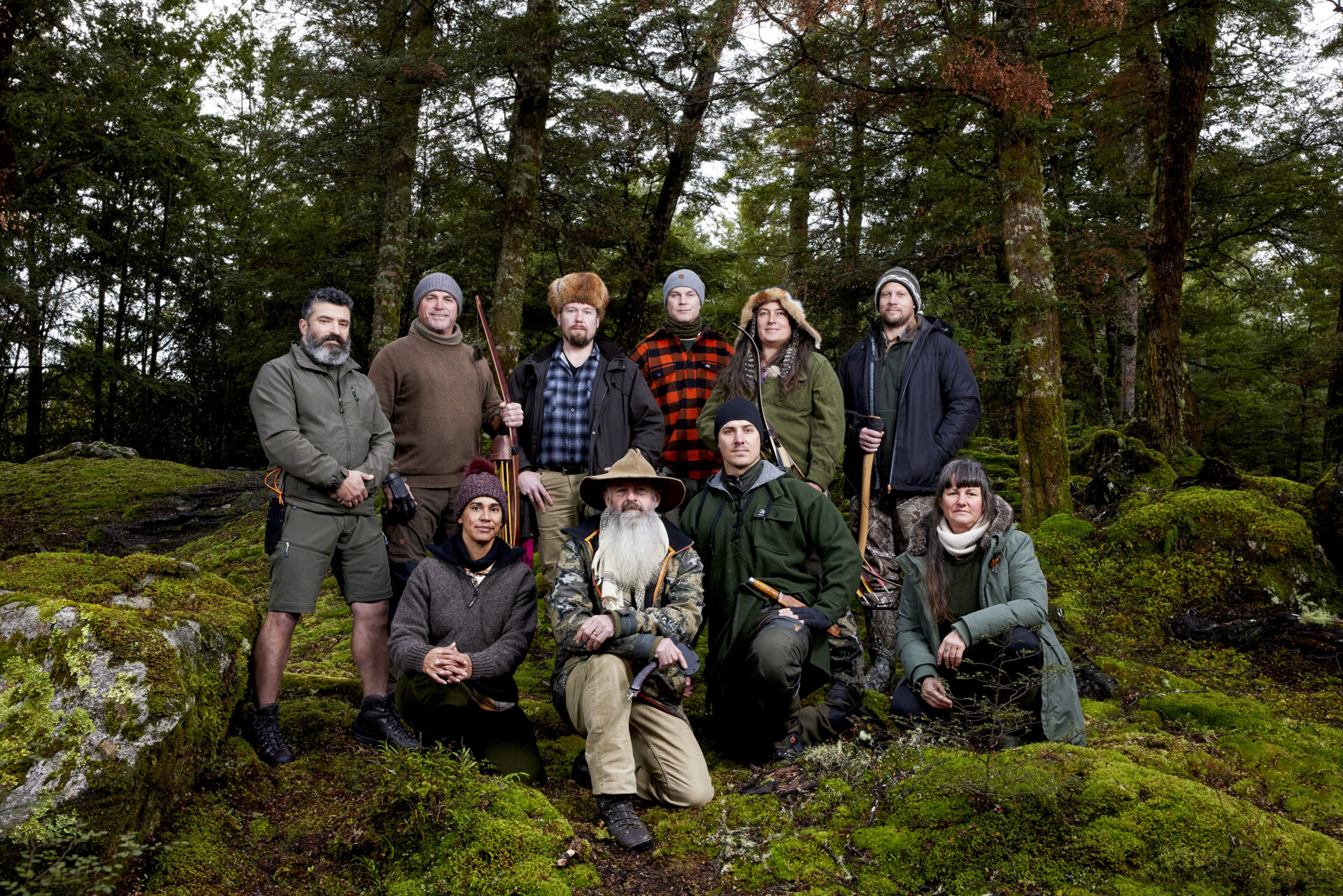
‘10 Questions’ with the driving force behind hit Alone Australia, Joseph Maxwell
7 May, 2024
Ever wondered what happens when the worst or the unexpected occurs in Alone Australia? For the first part of our new ’10 Questions’ behind the scenes at SBS series, we spoke to Joseph Maxwell, our Head of Unscripted programming and the driving force behind Alone Australia.
You can stream Alone Australia on SBS On Demand, or tune in to our special Alone Australia: The Podcast led by season 1 winner Gina Chick and SBS News presenter Darren Mara.
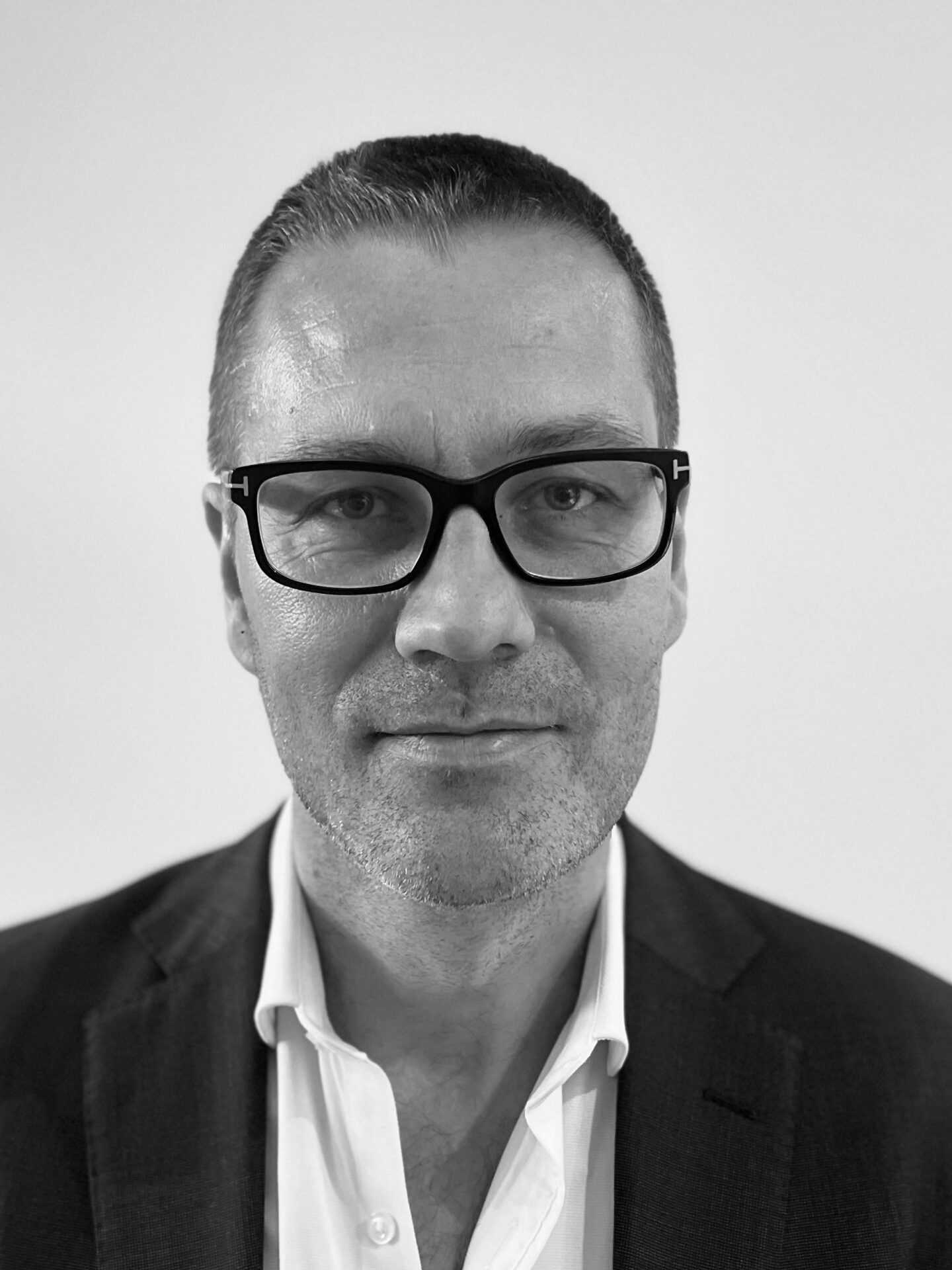
As SBS’s Head of Unscripted, Alone Australia is a program your team commissions. What keeps you awake at night during filming of the series?
While the filming’s is going on my phone is always close at hand. Above all the health and safety of our 10 participants is the biggest concern. It’s genuinely quite scary what we’re doing here and we have a huge amount of systems in place, but the biggest fear for sure is that someone could get into real trouble and really hurt themselves. In s2 ep 1 you saw an incident that sparked off plenty of worry.
What are unexpected things that can occur in the making of a show like Alone Australia?
It’s really the unexpected that makes Alone Australia so gripping, as it’s not produced, crafted or controlled like so many other shows can be. The unexpected could be some creation or project that they try to build, or it could be an emotional revelation about themselves. The fact that it’s so raw and unfiltered is what it makes Alone Australia so special.
What happens if there is an incident requiring medical attention?
So, we do have a robust and discrete health and safety process in the background with some of the most arduous, complex and detailed risk assessments that you’ll ever see in the SBS building.
How does SBS choose the location?
We stick true to the format of the series, in that Alone US has been shot in Mongolia, Argentina and Canada. So, when we talk about the Alone series, it’s really about the 10 people who you know and where they come from. And for us, it’s incredibly hard to find the right location with enough privacy, enough wildlife, where we can strictly abide by all the laws and ensure that we have fresh water sources, and where we can still provide that safety in the background. It’s many months of work and research as we look across Australia and this time indeed New Zealand.
How many applicants do you get and how do you choose the contestants?
It is extraordinary how many applicants we receive. We advertise for contestants to come and join the show, and as soon as one season goes out, people start applying for the following season. We see huge amounts of people who are interested in it, but I think the people who get through are quite a unique bunch because they’re people who are very happy to be alone, people who’ve got a certain kind of skill set that we need and have that mental resilience. So, I’d say lots of people are interested, but few are really prepared to be able to do it.
How do you manage environmental and animal protection requirements?
In season one, we couldn’t use a bow and arrow while in season two we could. And in season 1 we could eat fish and eel and in season two we couldn’t eat eels. Sometimes what we can do is determined by cultural protocols rather than anything else. It’s important for us to abide by all local laws and we ensure we leave the sites with zero impact. And I think that’s one of the themes of the show, is that the impact we as humans make upon the environment and how we can sustain ourselves in that. So, I feel that adds another interesting layer of storytelling within it.
How important is First Nations consultation and consideration in the making of the series?
The series is made by the talented team at ITV Australia. That’s really one of the first calls that they make and issues we discuss. Once we’ve found a location that we think could be interesting, First Nations consultation is the vital next step. And if we don’t get that buy-in, then we won’t use that location. First Nations consultation starts at the very beginning, and it goes until the very, very end.
Do contestants receive training on how to film?
While we are going through the auditioning process, part of that is seeing how good they are at filming. It’s also something we train them on, and one of the key things that happens in the bootcamp. Basically, a week before they go in, there’s a series of training sessions that we give, some including health and safety but a lot of it is around how to film, how to use multiple cameras and how to tell a story with your cameras. But I would say what takes most TV professionals many, many years to learn, they’re learning in a couple days. So it’s quite a risk. It’s pretty impressive for someone just learning their way around a camera.
How many hours of footage is shot? And how do you choose what to use?
There are literally thousands of hours of footage. I’m not exaggerating. And it’s all cut down into 10 hours of content. Alone Australia is incredibly crafted by the post-production team at ITV Studios, who make the show and draw out all the raw footage into something that’s beautifully put together with a lot of creativity and skill. There are so many brilliant stories that we don’t get to show and tell, and sometimes there are great stories that happen but aren’t on film and so they won’t be able to be told. It can be kind of frustrating and challenging, but ultimately it is rewarding in the edit when it’s all put together.
How many editors or post-producers do you have that are sifting through the footage?
ITV Studios have about 10 editors and 10 post-producers, and other senior producers that oversee that as well. Each team is doing their own film, we very much treat it like a documentary series, in the sense that it is very carefully crafted. We really see where the skill and the time pays off during this process, and it’s actually harder to edit than other shows because often you don’t have the best coverage, are missing shots, or the sound isn’t great, so you have to make do with what you’ve got and that takes a lot of skill as well.
Stream Alone Australia on SBS On Demand, or tune in to our special Alone Australia: The Podcast led by season 1 winner Gina Chick and SBS News presenter Darren Mara.