


‘10 Questions’ with Abigail Thomas, driving sustainability at SBS
20 May, 2024
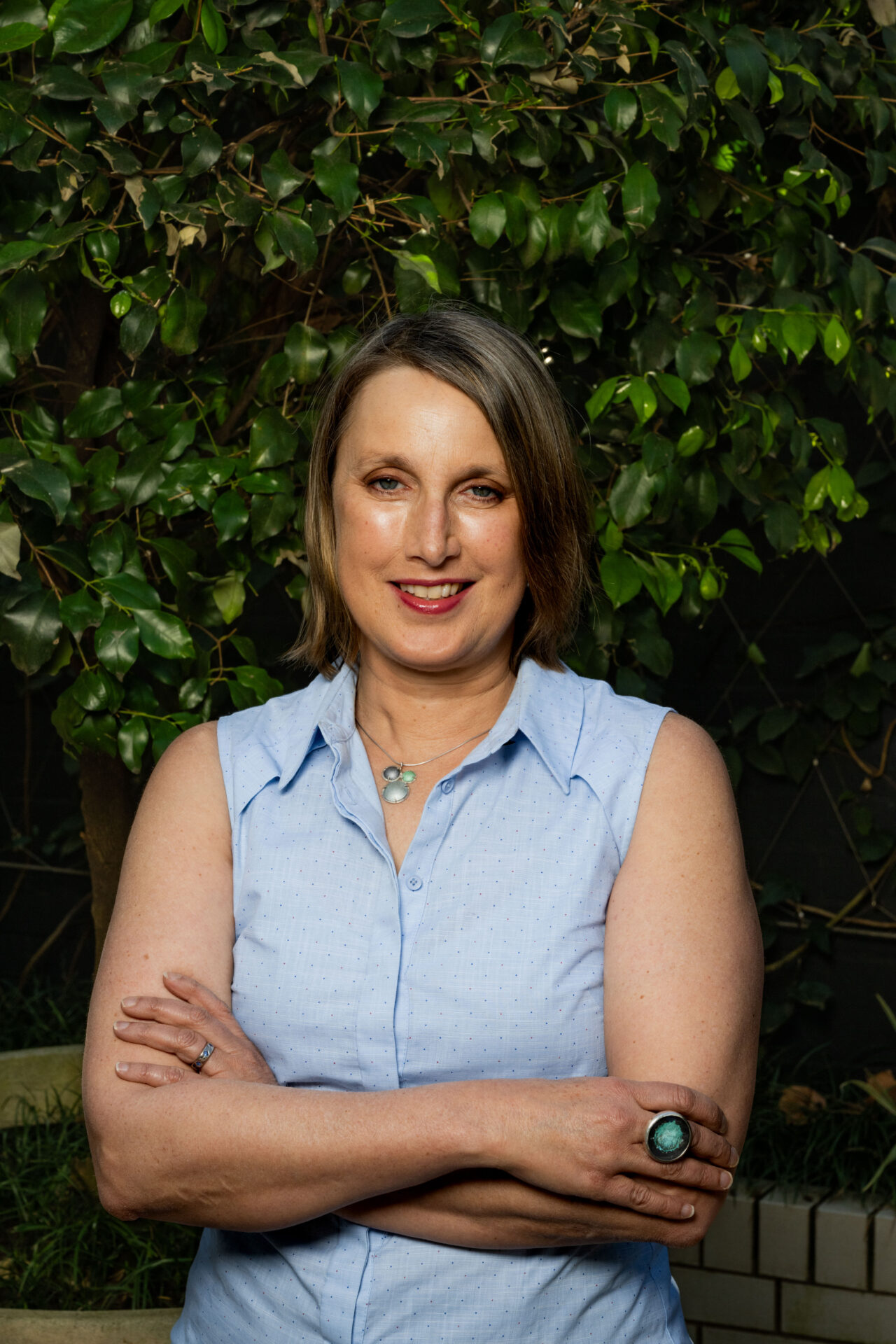
Curious about how sustainability is handled at SBS? In our latest ‘10 Questions’ behind-the-scenes blog, we sat down with Abigail Thomas, our Head of Sustainability, to discuss our environmental initiatives and sustainable practices.
How does SBS incorporate sustainability into its day-to-day operations?
At SBS we see sustainability as everyone’s job, so we aim to build it into everything we do. For someone in Technology, that might mean talking to our key suppliers about how they’re reducing their carbon footprint as this affects our overall emissions. For someone in Television, it’s about working with our production teams to measure and reduce the carbon footprint of the shows they’re making. Then we use our policies to ensure that everyone thinks about it when deciding on new products and services to buy or how much business travel is necessary.
What environmental practices does SBS include in their offices that are different to other organisations?
We have a goal to reduce waste to landfill; to help achieve that we have four types of bins throughout the offices: green (compost), blue (paper), yellow (bottles) and red (landfill). We also offer staff the opportunity to recycle batteries and phones and we have broader e-waste and polystyrene recycling programs.
What are the biggest challenges you face when trying to implement sustainable practices within a media organization like SBS?
Our carbon footprint is large and most of the emissions sit within our supply chain (which is common in many corporates). Now that we have switched to renewable energy and are converting our fleet to hybrid and electric vehicles, we are tackling the harder-to-decarbonise areas such as partnering with our suppliers
What are some of the most significant achievements or milestones that your sustainability initiatives have reached so far?
We are very proud of making the switch to 100% renewable energy from FY23 onwards. We have also set an ambitious but credible Net Zero target of 2045 which we have submitted to the global standards body Science Based Targets Initiative (SBTi) for validation. We are the first broadcaster in Australia to have a TV show – The Cook Up with Adam Liaw – measure its carbon footprint through Sustainable Screens Australia using the albert calculator tool.
What motivated you to tackle the role as Head of Sustainability?
It’s an area I’m really passionate about in my personal life. I believed I could have a bigger impact if I helped drive sustainability on a larger scale through an organisation like SBS. I’ve always loved the sense of purpose at SBS and bringing the environmental lens to our broader purpose around social cohesion is incredibly motivating, especially as the two issues are very much interlinked
As a media organisation, how do you encounter misinformation on climate change?
That is a really key role that SBS can play – to tell stories, give clear information and engage audiences around this important topic. We also have a unique part to play with the 60 language communities we serve. We are starting to showcase content on this topic such as the ‘Everything we need’ podcast which tells hopeful and inspiring stories about communities coming together to tackle climate challenges and our SBS On Demand Earth Day collection which showcases a range of documentaries on this subject. I expect we will have more to come soon
How does SBS measure the environmental impact of its activities, and what strategies are in place to reduce this impact?
We use the global standard tools for measuring emissions – the Greenhouse Gas Protocol. Where we have direct data on an activity which generates emissions e.g. the petrol in the cars in our fleet or the energy to power the building, we use that data. We also work with our suppliers to understand their specific emissions and SBS’s share of those emissions. For our shows we are starting to roll out the albert calculator tool through Sustainable Screens Australia. This measures the specific carbon footprint of the TV shows we make and reveals where the greatest sources of emissions are so we can focus on where to reduce. For example, transport and materials are often big sources of emissions for productions e.g. catering, studio set, transporting guests or cast.
In what ways does SBS engage with its stakeholders, including employees, clients, and the broader community, to promote sustainable practices?
We have a comprehensive supplier engagement process. This starts when we first start interacting with a client through our tender process and procurement policy. Then for our larger clients we have regular meetings on their sustainability progress where we aim to partner with them and share learnings around sustainable practices. For staff we have the active SBS Green group which runs clothes swaps, Earth Day events and film screenings. For the broader community, our community outreach team is very conscious of sustainable practices and aims to reduce waste and partner with sustainable projects – a good example was SBS’s recent Lunar New Year partnership in Perth which included a sponsorship of a public art project made by members of the Chinese community working with local artists to build a dragon over two weeks using recycled plastic while learning about sustainability.
What advice would you give to other media organizations looking to improve their sustainability practices?
The key is to measure your carbon footprint first and then reduce. That way you know how and where to target efforts to reduce. You need to start small and aim to improve the data quality as you go. It’s also really helpful to partner with others in the industry through forums like Sustainable Screens Australia and Green Ears.
Looking ahead, what are your future goals and ambitions for sustainability at SBS?
Now that SBS has made some good progress in getting its own house in order and partnering with its suppliers, we hope to see longer-term sustained progress towards our ambitious Net Zero target. I’d love to see us also use our storytelling platform in broader ways to engage and inspire audiences around this topic.