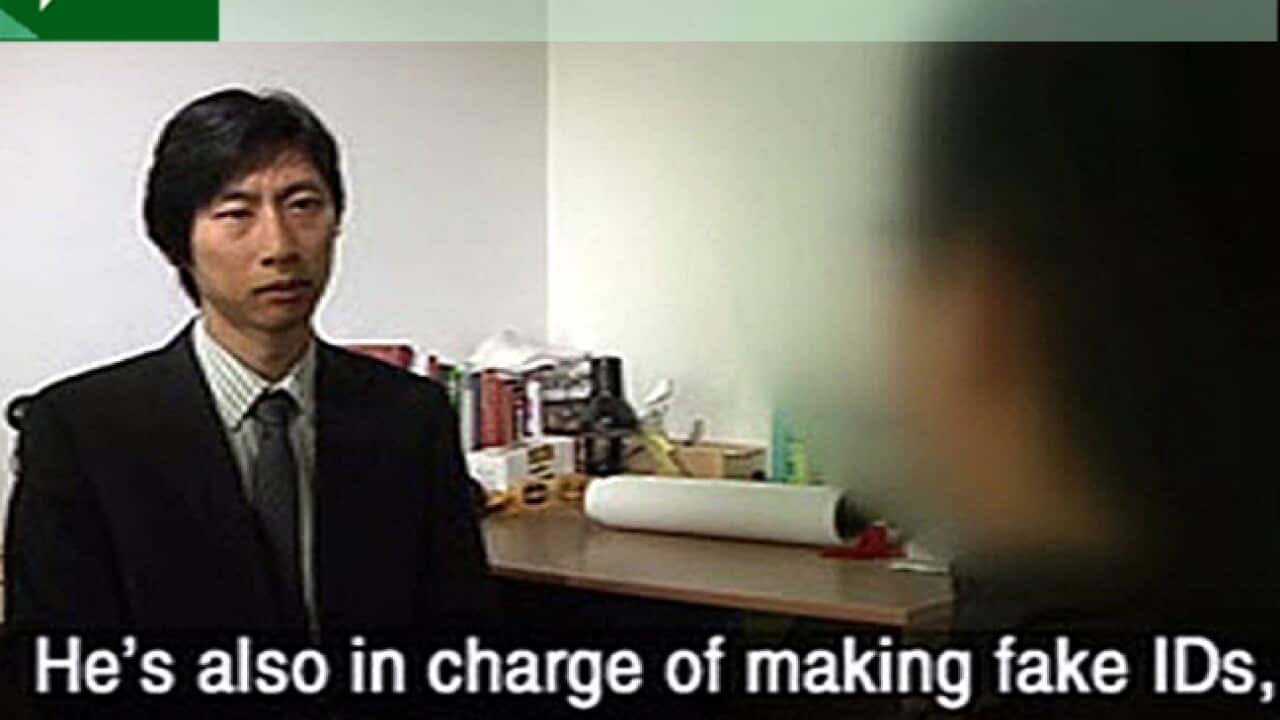
The authority in charge of the International Testing Language System (IELTS) has warned all candidates against cheating, after a student from China told SBS Mandarin News Australia how he was paid to sit the English language immigration test for someone else.
IELTS issued a statement today saying the organisation "is aware of allegations that fake passports have been used for registration purposes at an IELTS test by impostors who were paid large sums of money to sit the test on behalf of another person".
"We take our responsibility to ensure fairness, accuracy and reliability of results seriously," it added.
"It is inevitable however, given the high stakes nature of the test that a minority of test takers will seek to obtain the results they require via fraudulent means.
"Attempts to cheat that may appear to be successful on test day are routinely identified by IELTS through a series of complex systems that operate following test day, designed to detect cheating," the statement said.
"IELTS works actively with government immigration authorities in all key destination countries to reduce the level of this activity to ensure that only genuine candidates receive an IELTS result".
The SBS Mandarin News Australia report found an underground business is emerging, providing the service of falsifying everything international students need to get permanent residency.
This includes everything from organising fake passports to finding a substitute to sit their English exam for them.
The businessmen allegedly contact the 'substitute' students directly, using a popular Chinese instant messaging program.
"Because we are both Chinese, we contact each other by the instant messaging program QQ. It is easy to register an ID contact name for each other. By using QQ contacts, nobody can track your real identification," one source told SBS.
The source, identified only as 'Mr L', says he never has a problem when pretending to be a student sitting for the IELTS exam.
"I am similar looking to the student client. It is hard to figure out the difference between us, especially after changing my hairstyle," he told SBS.
SBS Mandarin found the IELTS substitution was almost an open secret.
Two test centres at Macquarie University and the University of Western Sydney have introduced new fingerprint scanning machines for identification purposes, and the federal government plans to further toughen the criteria in July.
If you have had any encounter with this kind of business, SBS would like to hear from you. You can email us anonymously at sbsnews@sbs.com.au, or leave a message in the comments section of this article.





