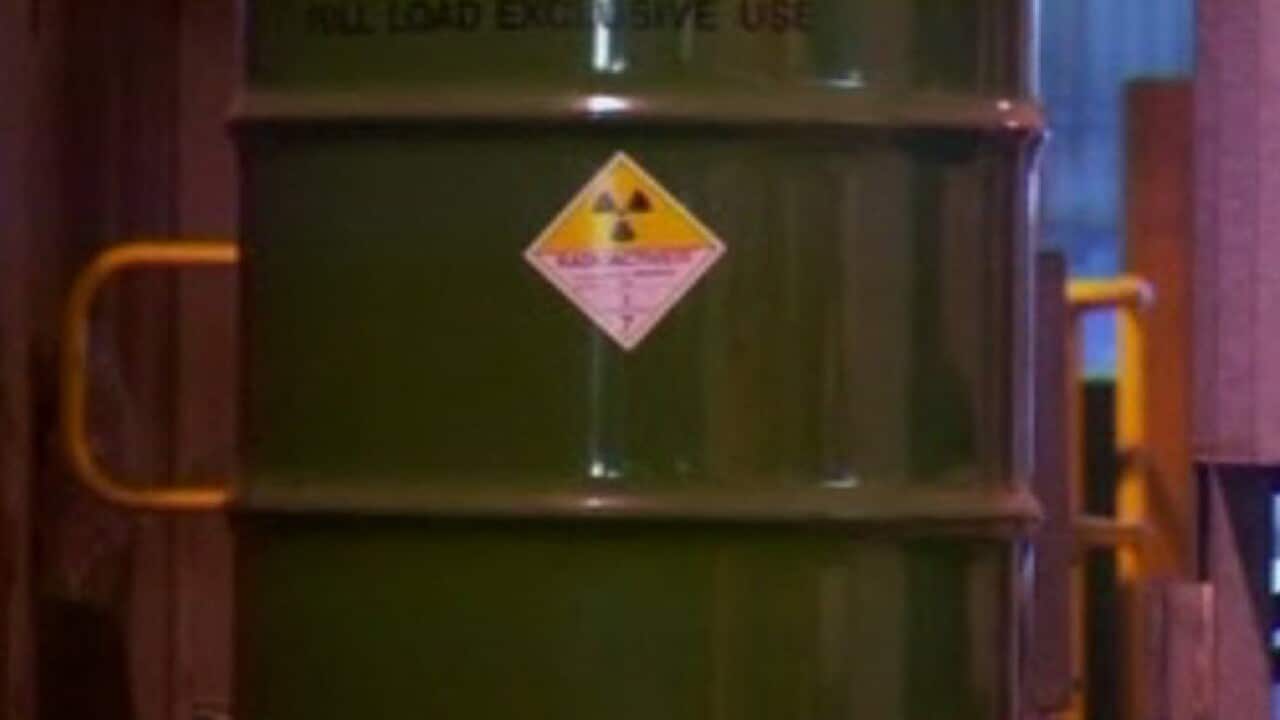
For 30 years Australian banned uranium sales to India because of its failure to sign the nuclear non-proliferation treaty, but negotiations are now underway on a uranium deal with a safeguards agreement.
"This issue has held to ransom Australia's relationship and the economic interests with the world's largest democracy for 40 years," said Former Australian Deputy High Commissioner to India Rakesh Ahuja.
But the energy strategist has admitted Australian uranium would free up India's reserves for military use.
News that makes sense
Your trusted source for staying up-to-date with the world around you. Get free daily news updates and analysis, straight to your inbox.
"That has always been the case, yes, I mean we sell to China, it frees up their domestic [use] for [military purposes], yes, it's a fact of life," he said.
The government of uranium-rich South Australia believes those with energy resources have a moral obligation to help those without.
"Australia as a net energy exporter has a moral duty to lift people out of poverty and to meet rising living standards," said South Australian Mineral Resources and Energy Minister, Tom Koutsantonis.
"Last year a blackout in northern India affected over half a billion people. That is half a billion people left without lighting, refrigeration and other essential services in the developing world," he told a conference in Adelaide.
India's growing population means that energy demands are skyrocketing.
The country holds 17 per cent of the world population and India forecasts it needs to quadruple its electricity generation by 2020 to meet demand.
But the Greens warn of the consequences.
"India is a nuclear weapons' state. They are on the record as saying they're trying to buy foreign sources of uranium so they can lock up their domestic reserves for a nuclear arms race with Pakistan, so it's a very volatile and dangerous security situation into
which to be selling uranium," said Australian Greens senator Scott Ludlam.
South Australia hopes to begin uranium shipments to India by 2015.







