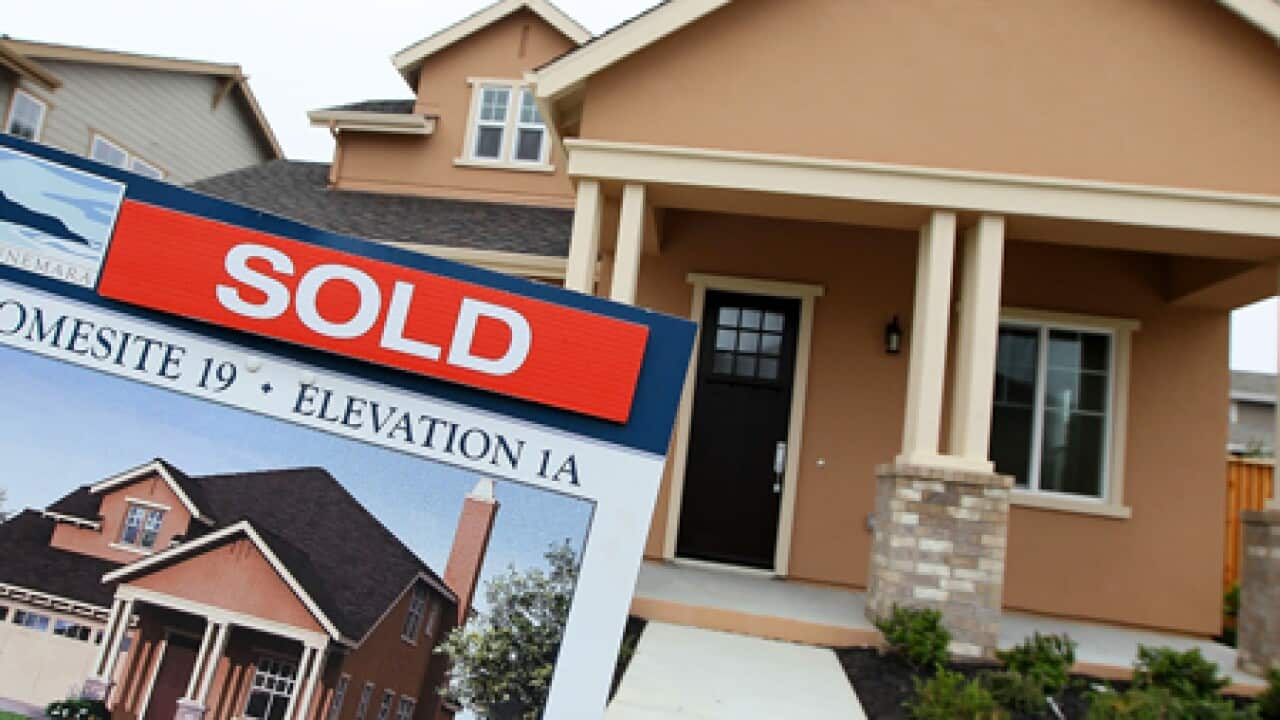
There’s been a lot of talk during this election campaign about what’s important, but precious little about what really matters most—the basics of life, such as housing affordability. Despite the political silence, a recent Auspoll showed 84% of us thought it was more important than education, border security and 'fast, affordable broadband'.
Having a roof of your head is something many of us take for granted. But if you are a young person who’s sick of moving from rented house, flat or unit to rented house, flat or unit the idea of a permanent home can be at once appealing and seemingly out of reach. And if you’re the parent of a young person who’s saving for their own home, and it can come as a shock to realise how much difficult that is.
One possible cause can been seen in figures released by the Centre for International Economics which show the average purchase price of a house in Adelaide is around $415,648—but around $160,709 of that is made up of taxes and imposts such as stamp duty, GST and others.
That means around 40% of the average cost of a new home in Adelaide is actually tax.
That’s a huge amount, but it’s also smack on the national average. While the amount of direct tax can be staggering, there are also hidden taxes. I believe governments have a responsibility to ease the burden and consumers have a right to know how big that burden is.
So let’s talk figures. According to the Housing Industry Association, a $450,000 house is subject to tax from all three levels of government, including around $20,000 in stamp duty, $33,000 GST and other fees such as infrastructure charges, payroll tax, land tax, planning fees, carbon tax and council rates. The Urban Development Institute estimates the proportion of tax on a new home doubles once indirect taxes and charges are taken into account.
And if you’re one of the “lucky ones” already in the housing market, staying “lucky” can also be a massive challenge. It’s estimated that more than a third of households where the homeowner is under 35 are paying more than 30 per cent of their income on their mortgage.
Despite low interest rates and subdued housing markets across the country, the latest HIA-Commonwealth Bank Affordability Report for June 2013 shows housing affordability in Australia is now 16.7 per cent higher than it was 12 months ago. Not surprisingly, the proportion of family income required to meet loan repayments has increased significantly over the past 30 years. In March 1980 the proportion was 17.4 per cent, compared to 29.9 per cent in March this year. At the same time, yet another report shows in 1991 the median house price was five times the average income, but in 2011 it had swelled to seven times the average income.
Is it any wonder, then, that according to that same report Adelaide has gone from being one of the country’s most affordable cities in 2001 to one of the least, behind Melbourne and Sydney. Housing affordability has been a sleeper issue in this election campaign, when it should be a key issue. So many people I’ve spoken to are worried that they—or their kids—won’t be able to afford to buy a home.
This country needs informed discussion and public debate about housing policy. That’s we need to have an urgent summit to find out exactly what’s causing the Great Australian Dream of owning your own home to be so out of reach for so many.
Nick Xenophon is the independent Senator for South Australia.