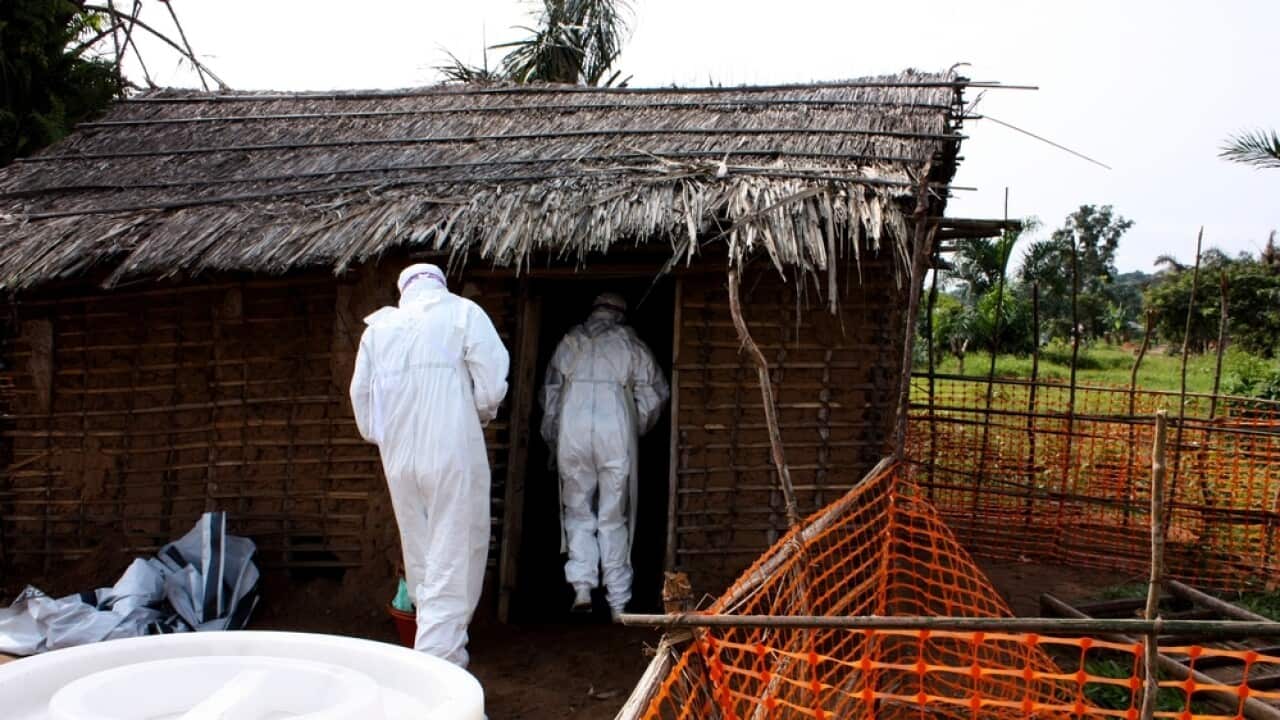
1. The West Africa Ebola outbreak is now the largest in history
The current outbreak in Liberia, Guinea and Sierra Leone has sickened more than 1300 people and killed more than 700 this year.
2. Some people have survived Ebola
While the fatality rate for Ebola can be as high as 90 per cent, health officials in the three countries say people have recovered from the virus and the current death rate is about 70 per cent. Those who fared best sought immediate medical attention and got supportive care to prevent dehydration even though there is no specific treatment for Ebola itself.
3. Ebola can look a lot like other diseases
News that makes sense
Your trusted source for staying up-to-date with the world around you. Get free daily news updates and analysis, straight to your inbox.
The early symptoms of an Ebola infection include fever, headache, muscle aches and sore throat, according to the World Health Organisation. It can be difficult to distinguish between Ebola and the symptoms of malaria, typhoid fever or cholera. Only in later stages do people with Ebola begin bleeding both internally and externally, often through the nose and ears.
4. Ebola is only spread through bodily fluids
The Ebola virus is not airborne, so people would have to come into contact with the bodily fluids of an infected person. These include blood, sweat, vomit, faeces, urine, saliva or semen - making transmission through casual contact in a public setting unlikely.
5. Fear and misinformation is making things worse
In each of the affected countries, health workers and clinics have come under attack from panicked residents who mistakenly blame foreign doctors and nurses for bringing the virus to remote communities. Family members also have removed sick Ebola patients from hospitals, including one woman in Sierra Leone's capital who later died. Police had to use tear gas to disperse others who attacked a hospital in the country.







