- Watch Insight tonight at 8.30pm on SBS ONE
- Use #insightSBS on Twitter
- Join the conversation on Insight's Facebook page
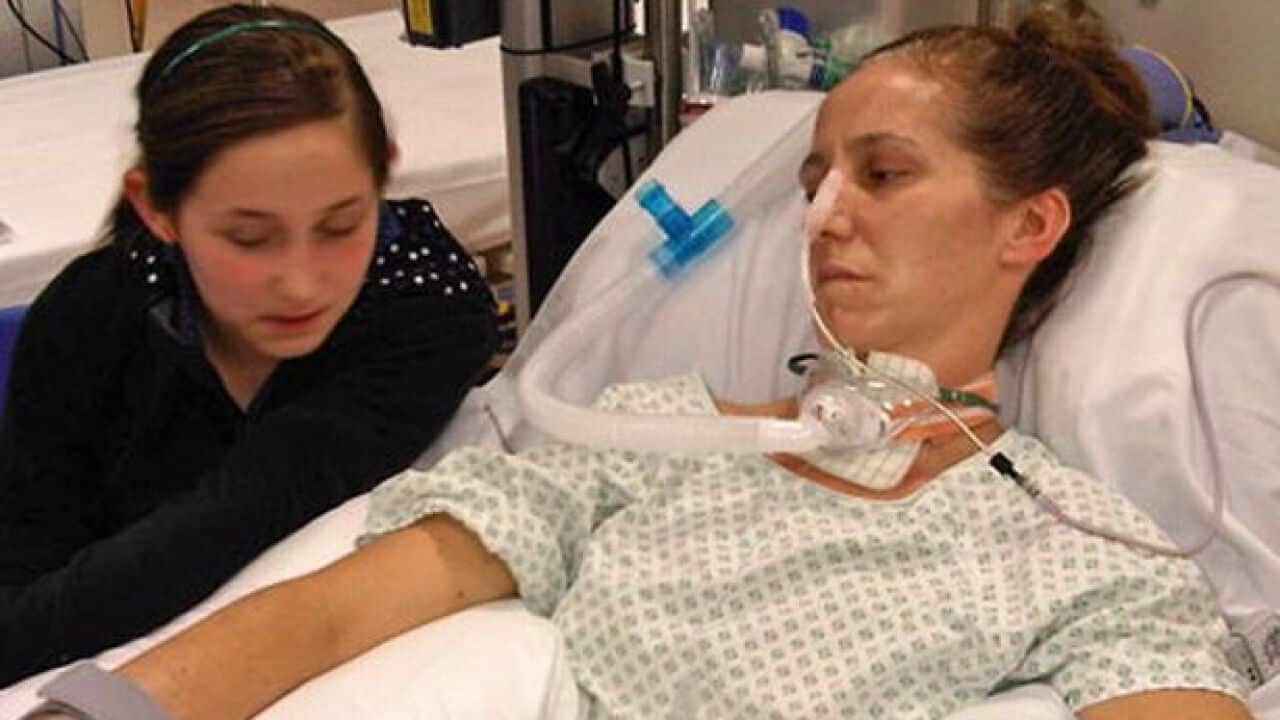
As I emerged from my medically induced coma in February 2010, I had periods (in amongst my severe hallucinations) where I slowly became aware that I was on a life support machine in hospital, following a stroke. But I was completely unable to physically communicate that fact to anyone for two weeks.
I was experiencing what people describe as 'locked in' syndrome.
It was terrifying. My response to seeing a loved one coming to visit was to cry. There was no noise, just tears rolling down my face. People assumed they were involuntary movements – but it was genuine emotion.
"I was in constant fear that the conversations my loved ones were having were that I wasn't worth being saved."
My friends, family and doctors thought I was in a vegetative state. In reality, I was there the whole time. I could see and hear and feel anybody touching me and yet my brain couldn't instruct any part of my body to move.
I couldn't develop any communication signal, which is crucial for anybody locked in trying to reach others – either through an eye gaze or a blink. But I couldn't do that. There was no outward sign that I could understand anything.
It was like being buried alive. There was no TV turned on for me - all I had was a clock on the wall and patients screaming around me. I had three kids who were six, nine and ten at the time who hadn't been to see me so the separation anxiety was beyond belief. I was so bored, upset, angry, in denial, scared and hot - I couldn't even regulate my temperature.
I was in constant fear that the conversations my loved ones were having were that I wasn't worth being saved.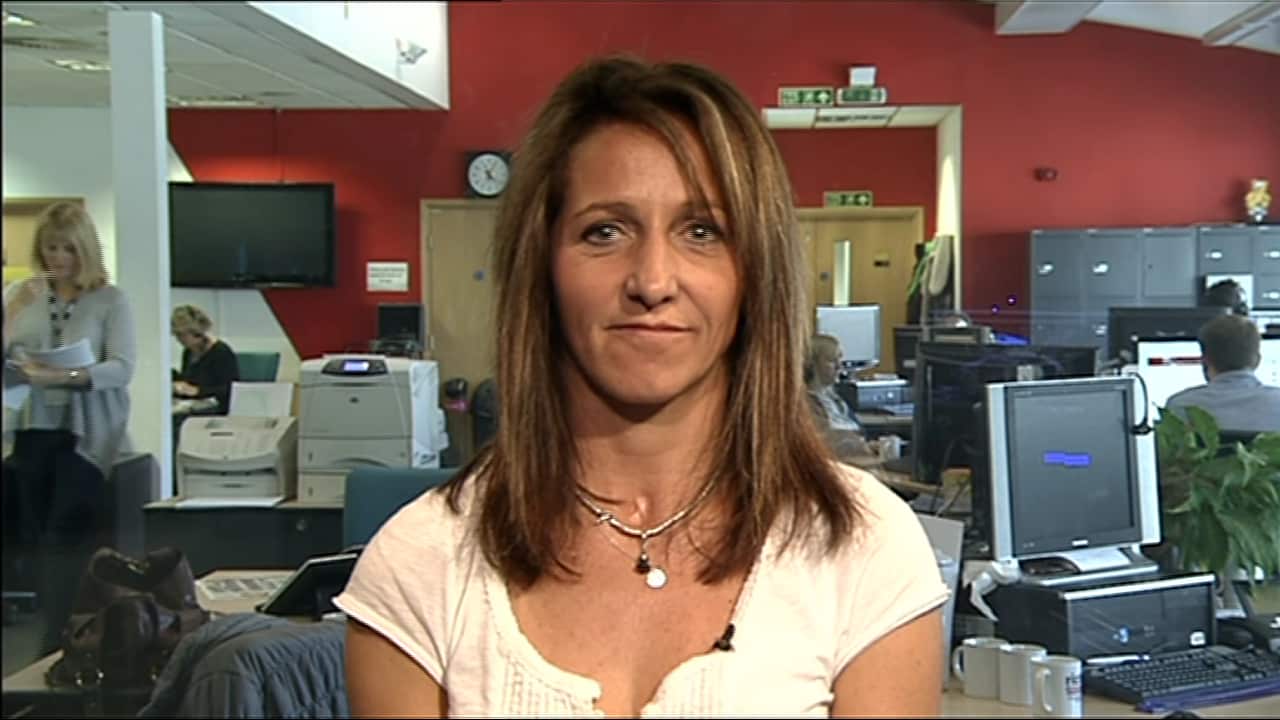 Above all it was frustrating because the doctors made no attempt to try to formally establish any communication signal at that point, something I'm still struggling to understand. Instead, it took my proactive friends to try to find a way to communicate with me using a rudimentary communication board. They wanted to unlock the person they believed to be still inside.
Kate Allatt was in a coma for three days after she a stroke in 2010. She woke up with locked-in syndrome. (Image: SBS Insight)
"My experience has taught me that we should always assume that a patient is conscious until we have absolutely proven otherwise."
In two weeks my consciousness improved and my friends were able to get me to blink to answer questions (blinking to spell out words, which was a long process). Eventually, with the help of rehab, I was able to come out of being locked in.
My experience has taught me that we should always assume that a patient is conscious until we have absolutely proven otherwise. Beyond that, we must be truly compassionate in our care for patients who are in a vegetative or minimally conscious or locked-in state.
The Intensive Care Unit is a very scary place for anyone. People die. Inappropriate conversations are overheard. Patients are often in pain and scared for their own survival. It's boring, so patients tend to over think and stress about what may happen to them. It's also incredibly lonely.
Patients need to be kept alive and I am personally so very grateful for the skills of my medical and nursing teams in giving me my second chance at life. But treat the human being too – it's not just about patient SATs and vital signs.
All brain injuries are different, but we must start being truly patient-centred in our care and start treating the whole person – both physically and emotionally. Health professionals need to start treating people like they themselves would want to be treated and stop hiding behind the idea that they mustn't give out 'false hope' to desperate families.
In my own charity work – Fighting Strokes - I say to families that there are 'no promises, just possibilities'. My determined self-belief and hope against all the odds was ultimately what got me through.
Kate appears on tonight's episode of Insight at 8.30pm on SBS ONE which looks at what we know about consciousness. The program asks whether we can know for certain whether someone is conscious or not. #InsightSBS
Share

Insight is Australia's leading forum for debate and powerful first-person stories offering a unique perspective on the way we live. Read more about Insight

Have a story or comment? Contact Us


