Interest rates are likely to rise later this year in response to a falling Aussie dollar and an overheating property market, a prominent economist says.
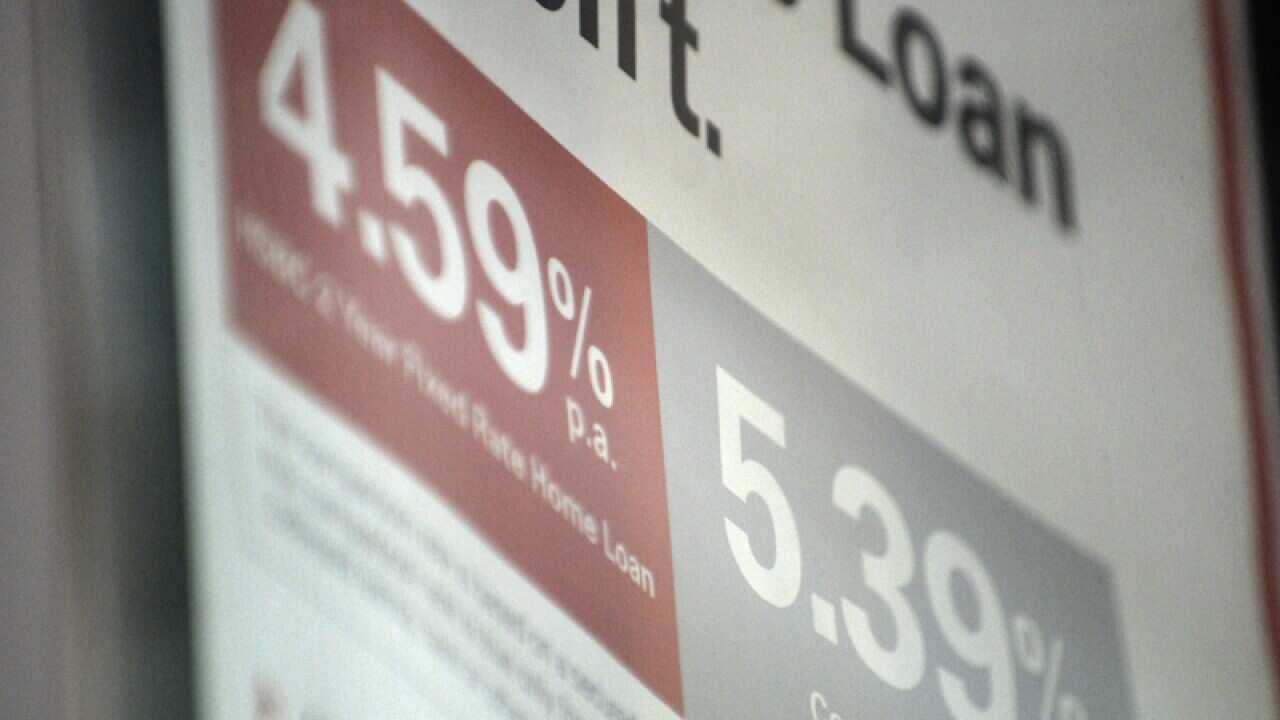
The Reserve Bank is widely expected to cut the cash rate to a record low of two per cent by May, but Bank of America Merill Lynch Australia chief economist Saul Eslake says it could start lifting rates again by December.
He expects the cash rate to be at 2.25 per cent - its current level - at the end of 2015 and rise to 2.5 per cent in early 2016.
Mr Eslake's forecast fits with his expectation that the Australian dollar will continue to fall, dropping to a range of 76 US cents to 73 US cents in 2015 and to 68 US cents in 2016.
A lower dollar would do a better job of stimulating the economy than lower interest rates, because it would benefit a wide range of businesses, he said.
News that makes sense
Your trusted source for staying up-to-date with the world around you. Get free daily news updates and analysis, straight to your inbox.
"If the exchange rate heads down to 70 US cents or below, that changes the picture ... it's more likely to give stimulus to where it's needed," Mr Eslake said.
He believes the RBA's decision to cut the cash rate by a quarter of a percentage point in February came too late.
The RBA should have cut the cash rate in 2014, and by cutting now it risks fuelling an already soaring property market without any boost to consumer and business sentiment, Mr Eslake said.
"I think they should have cut rates last year and I think in cutting rates now they risk overstimulating the one area of the economy that will benefit from lower interest rates but doesn't need any stimulus - that is the demand for housing," he said.
Home prices rose by an average of 8.3 per cent in the 12 months to February, according to the closely watched RP Data-Core Logic Home Value Index, as buyers took advantage of low interest rates to enter the market or purchase investment properties.
The growth was strongest in Sydney, where prices were up 13.7 per cent over the 12 months, followed by Melbourne, where prices were up 7.4 per cent.