
Malcolm Turnbull has spectacularly shot down the National Broadband Network, calling it “the biggest corporate train wreck” in Australian politics.
The Prime Minister criticised the installation of the NBN and the fact that customers have not been getting the speeds they have paid for.
Mr Turnbull said it was a “big mistake” for Labor to set up NBN Co when it was in power in 2009. He said it would have been better to roll out the NBN through existing Telstra infrastructure.
“What a train wreck it was,” he told Parliament during Question Time on Monday.
“Tens of billions of dollars wasted by the Labor Party, leaving us with the biggest corporate train wreck ever undertaken by a federal government.”
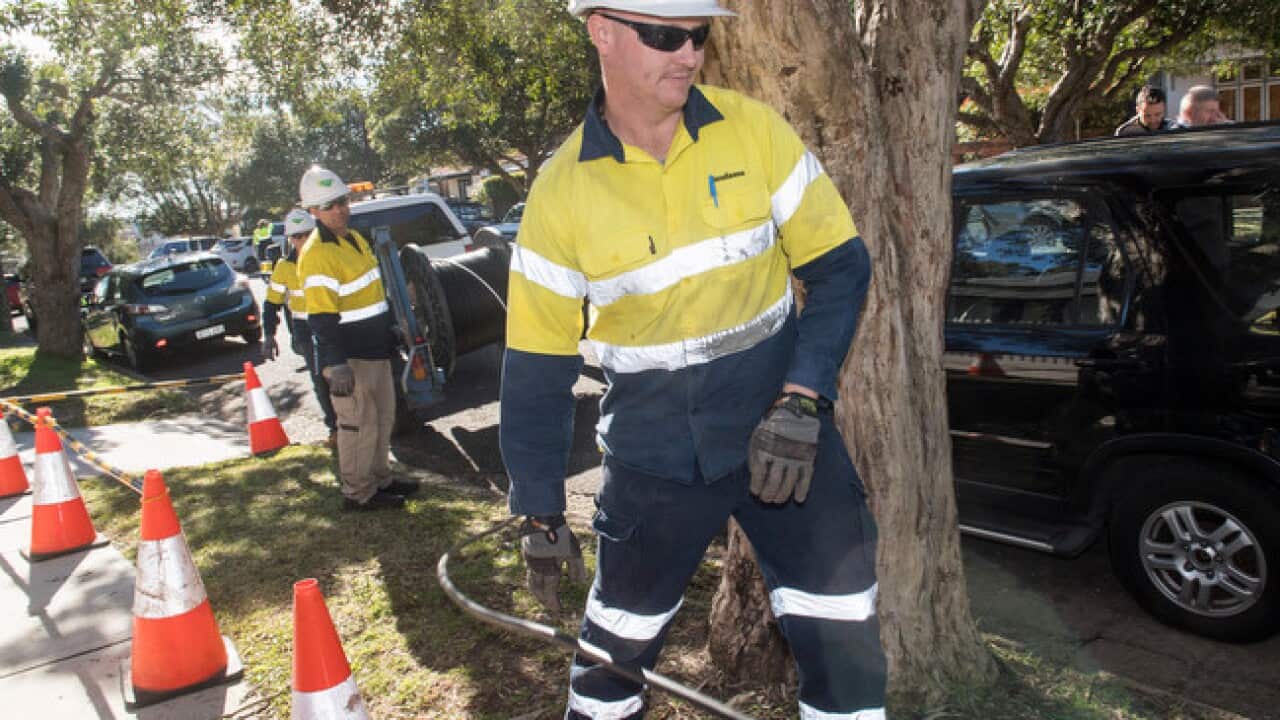
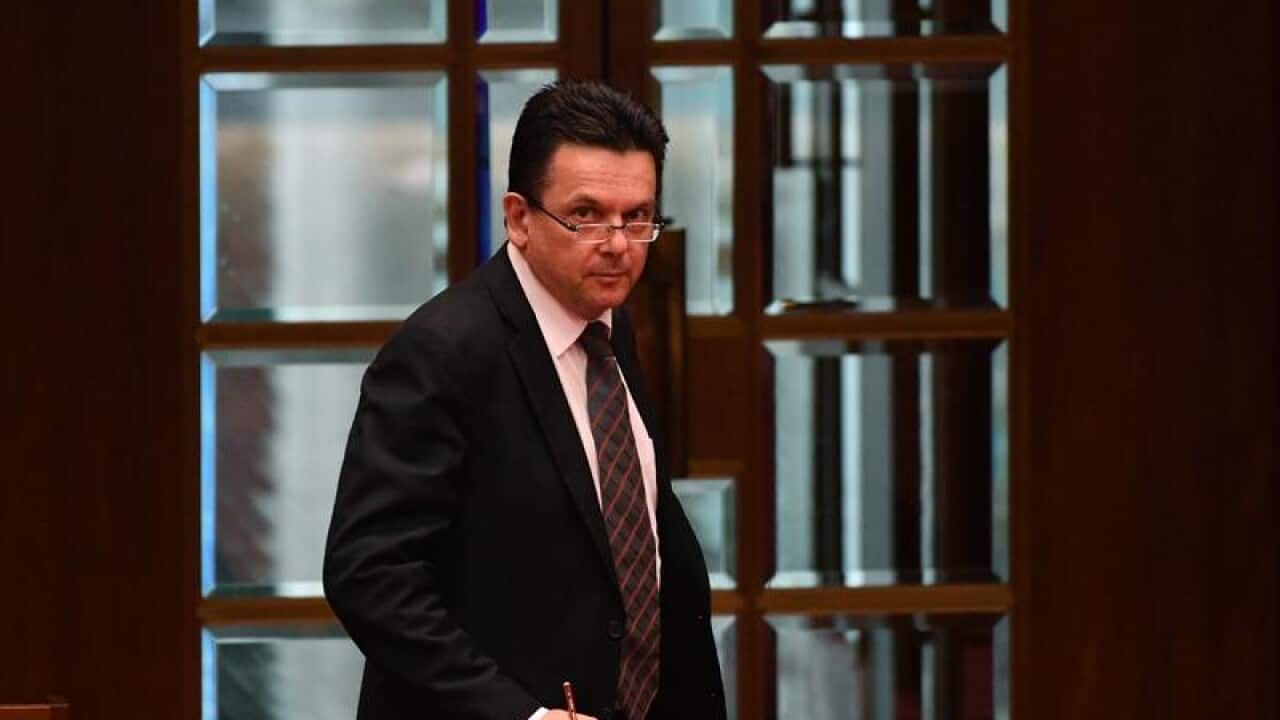
But Mr Turnbull said it was important for the Coalition to complete the NBN and “play the hand of cards” it was dealt by Labor.
“We are building it for $30 billion less than under Labor and [in] six to eight years less time,” Mr Turnbull said.
He also told reporters there was a “reasonable question mark” over whether it would ever return a profit.
CEO of NBN Co, Bill Morrow, said customers will soon have to pay a levy of $7.09 a month to help pay for delivery to regional areas.
The company also released figures showing the most expensive Fibre to the Premises (FTTP) connections in each state - including one in Tasmania costing $90,000.
He conceded the rollout of the NBN was creating a digital divide where some Australians were getting superfast FTTP speeds, while others in the same suburb were getting slower speeds.
“I think we first have to consider the country, the enormous land mass, the topology that we have; every home is different in terms of the cost,” Mr Morrow told the ABC.
“We've always had these borders and a divide in terms of what the technology capability is.”
But he also said most Australians were happy with their NBN performance.
“For the average residential family, the idea of getting 25 or 50 megabits per second is enough,” he said.
“We have options through the Technology Choice Program that if you really need [faster speeds], you can put up a little bit of money yourself to where it doesn't actually pull on the rest of us for the price that we're ultimately going to have to pay for those services.”
Mr Morrow also said the government would need to protect the company from competition from faster 5G services.
Share


