Read
One of the best places to get started doesn't involve a plane flight but instead a trip to the local library. To immerse yourself in some amazing stories check out books written by Indigenous Australians - there's plenty; Alexis Wright, Kim Scott, Sue McPherson, Sally Morgan to name a few. A great place to start is Indigenous author Dr Anita Heiss’ list of 99 books.
Know
Do you know what Aboriginal nation you live on? Do you know what the traditional local language is? Find out who the traditional custodians and Indigenous people are in your area from your local council or library and learn more about their history, language and culture. You can find a zoomable copy of the Australian Institute of Aboriginal and Torres Strait Islander Studies Map of Indigenous Australia here.
Go
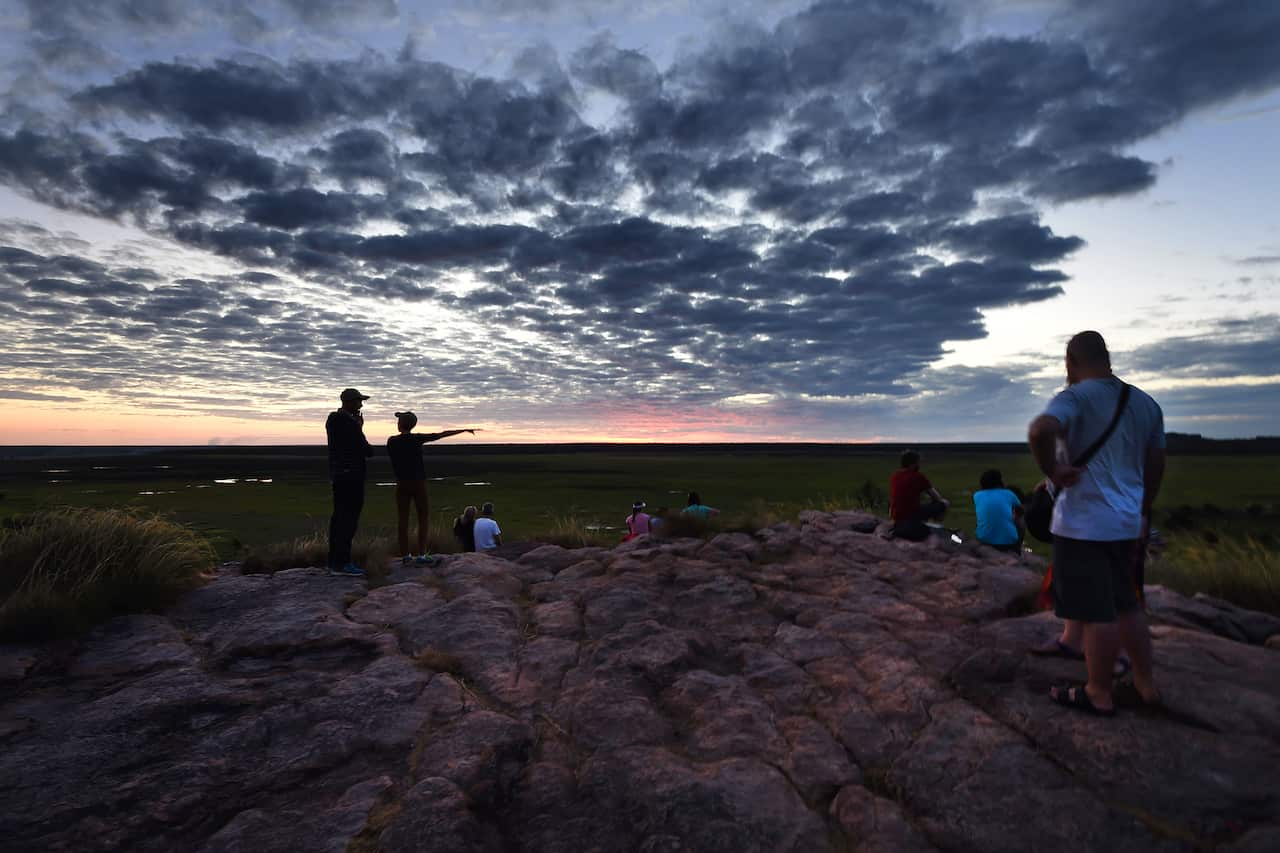
Get out on country on an Indigenous run cultural tour and learn from experienced guides who can draw on thousands of years’ worth of knowledge. Many tours operate in urban areas such as Canberra, the Rocks in Sydney, greater Western Sydney as well as in more remote areas, such as Kakadu National Park.
Follow
Keep up to date with all of the stories, news, discussion and achievements of Indigenous Australia by following some of the amazing array of Indigenous media and subscribing to their content. Some ideas include NITV, @IndigenousX, Koori Mail, National Indigenous Times and Deadly Bloggers who report on breaking news, express their opinions and cover the issues that affect Indigenous Australians.
Learn
There are over 250 different Indigenous languages in Australia and many with their own dialects. It's easier to learn an Indigenous language than you think with apps, games, TAFE and University courses available to help you out. You might even find that some words you already knew are in fact taken from Indigenous languages.
Attend
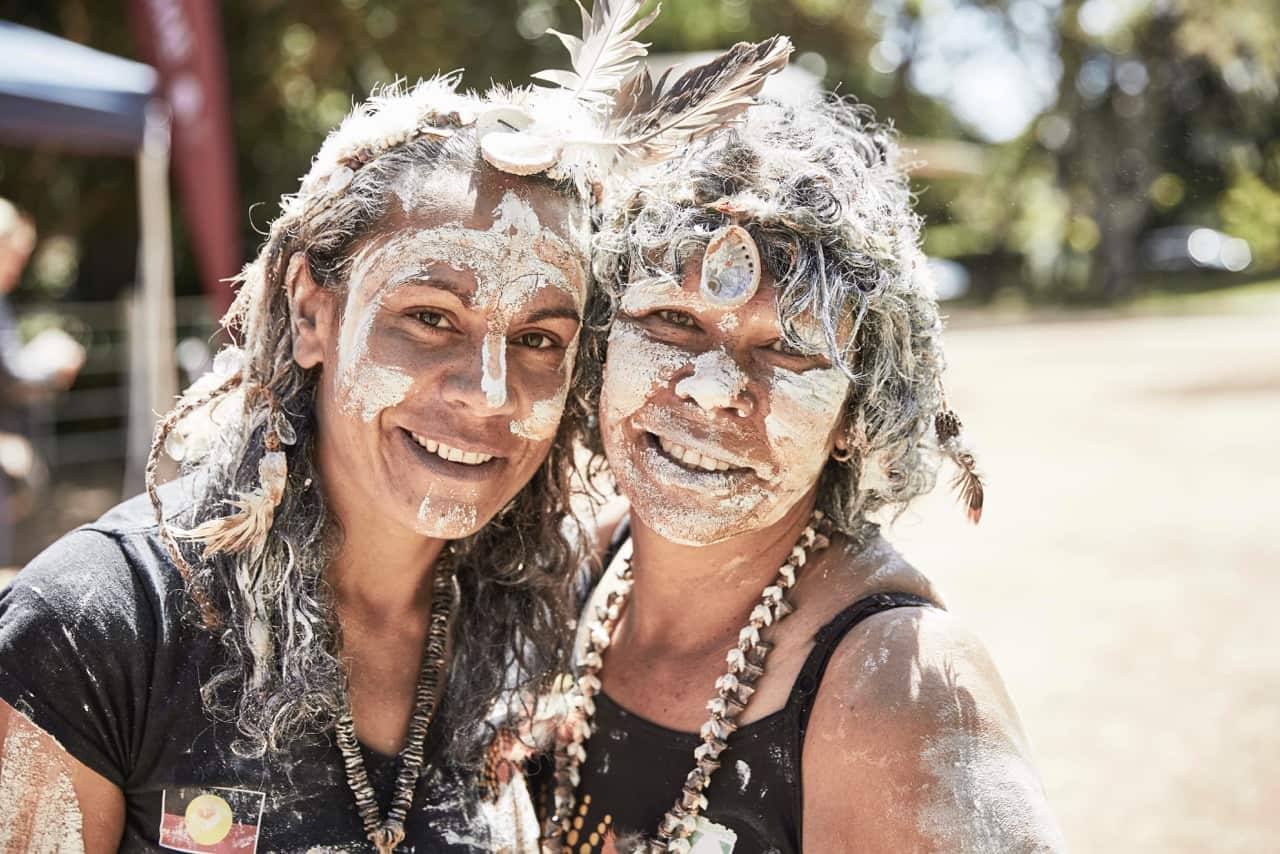
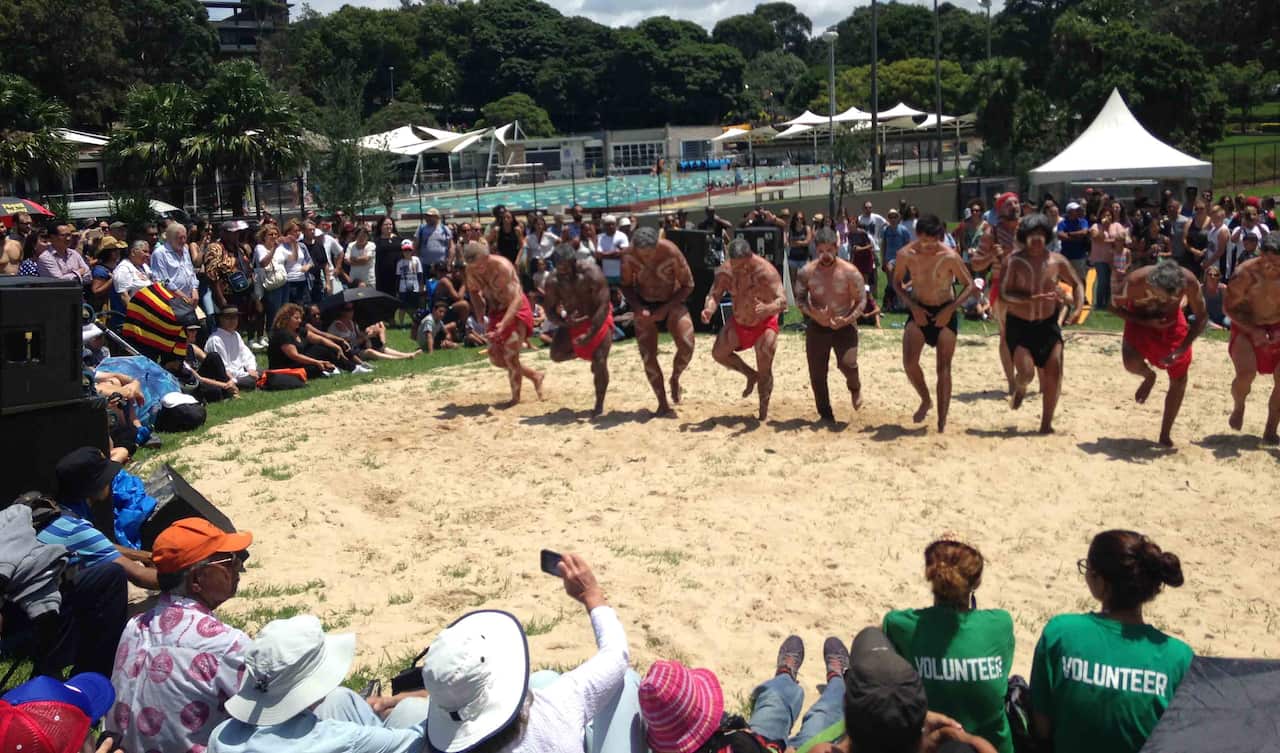
Attend an Indigenous run event in your local community to celebrate and engage with Indigenous people and culture. Many communities celebrate NAIDOC Week, Reconciliation Week or Survival Day (January 26th) with cultural events, barbecues or concerts.
Volunteer
Volunteer your time to help an Indigenous-run event or partner with an Indigenous organisation in the work that they are already doing. Many hands make light work and the skills that you already have may go a little way to helping these organisations to achieve their goals. Find a way to get involved online.
Acknowledge
At many formal events and functions a ‘Welcome to Country’ is given by a local elder, or an ‘Acknowledgement of Country’ is made, which can be given by anyone. Learn how to write and give an acknowledgement of country at events that you attend by researching the local people of the area you are visiting and speaking up about the First Peoples of Australia.
Support
There are many Indigenous-run businesses specialising in everything from tourism to art, from printing to selling batteries. One way you can learn more about Indigenous people is by engaging with these businesses, chatting to stall-holders at the Blak Markets or building a business relationship with an Indigenous run stationery company for example. This can help to close the entrepreneurial gap in our society.
Visit
Many art galleries across Australia are full of the breath-taking work of Indigenous artists. These traditional paintings and sculptures are unique to Australia, which makes many of these artists' work so special. Taking the time to read the artist’s statement and biography is also important as it can provide an understanding of the meaning and connection to country expressed in the work. Many museums also contain large collections of Indigenous tools and artifacts, though be aware that some of these may have been taken without the consent of the original owners.
First Contact airs on Tuesday 29 Nov, Wednesday 30 Nov and Thursday 1 Dec at 8.30pm (AEST) on NITV Ch. 34 and is available On Demand
First Contact contains themes that may distress or upset viewers. Please click on the links provided for support on issues such as; mental health and suicide, stolen generations, domestic violence and children and education.