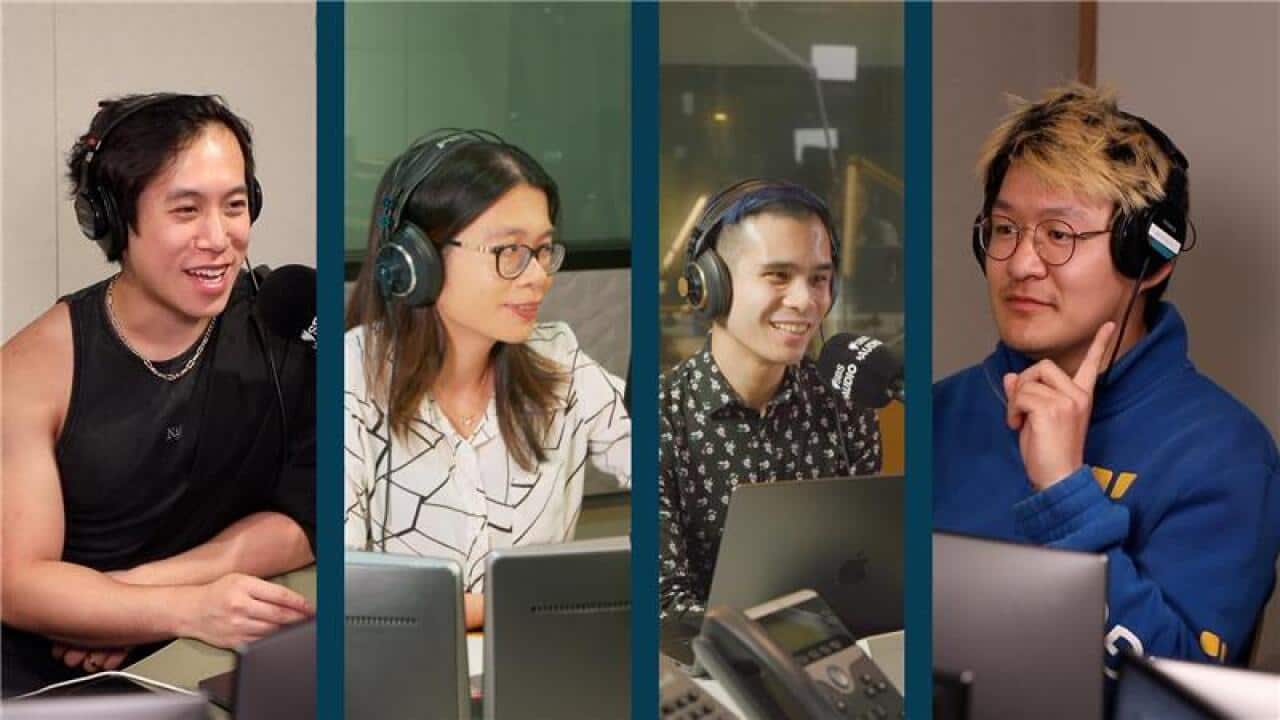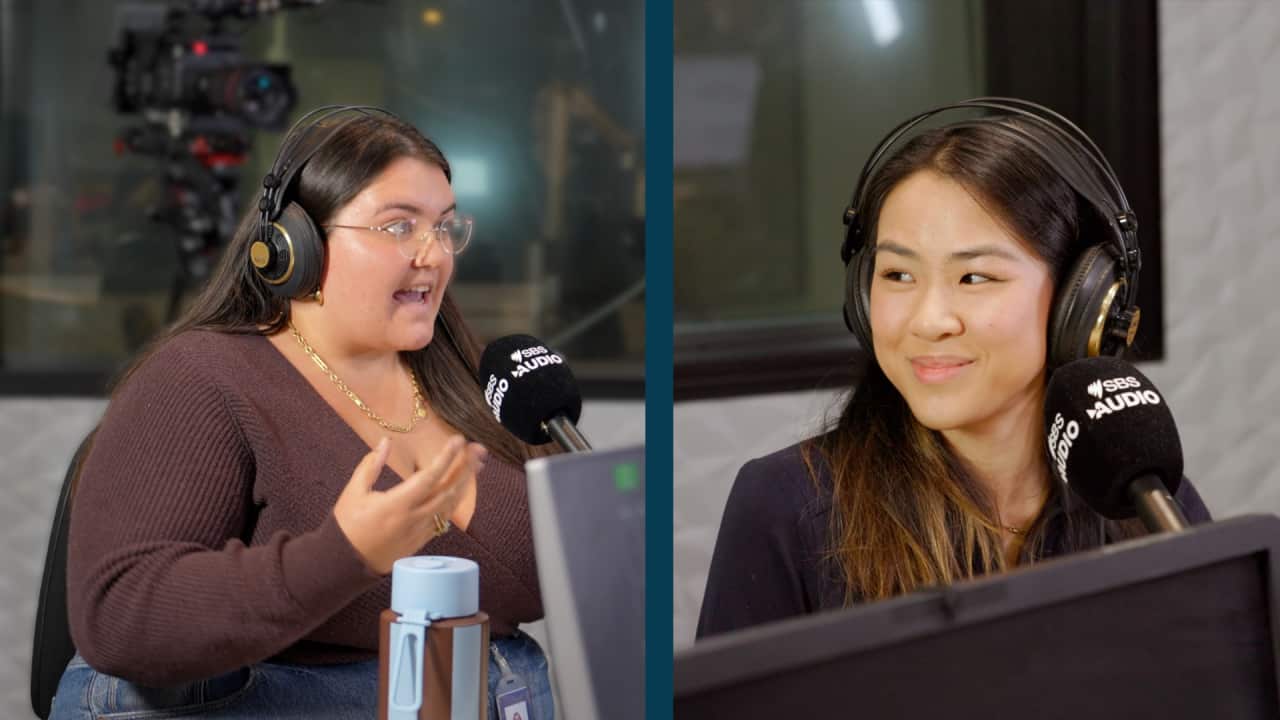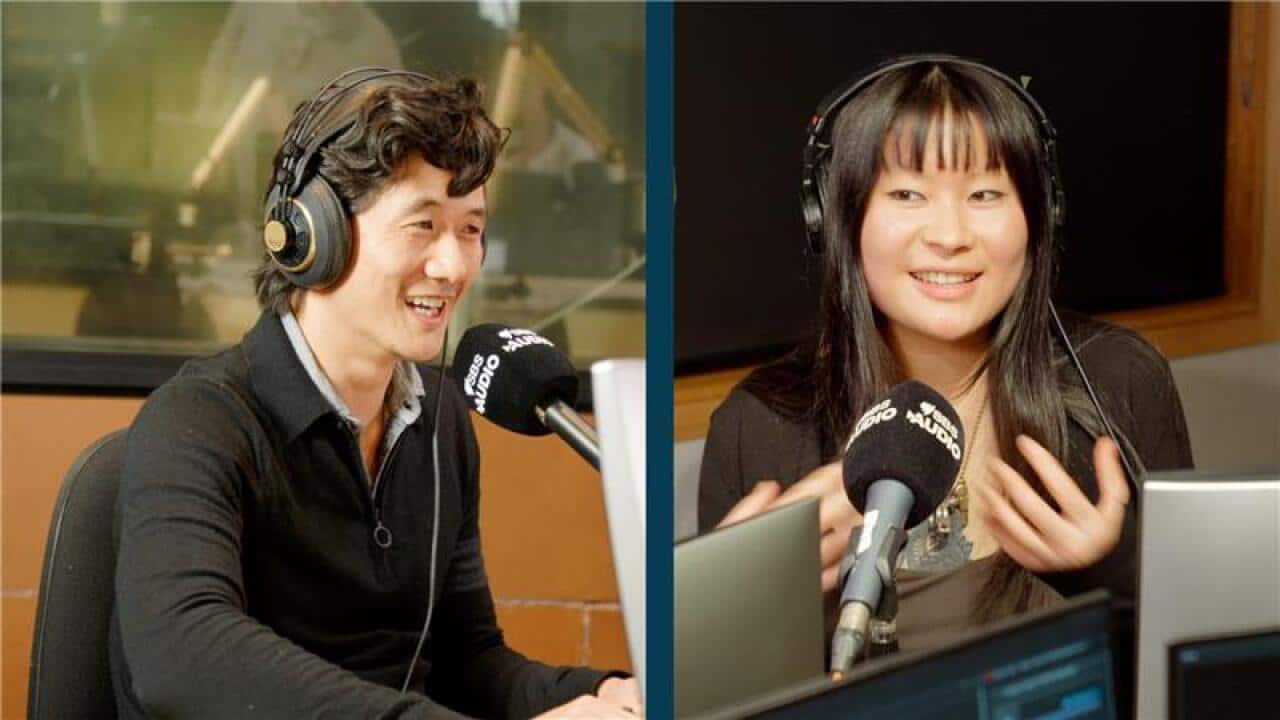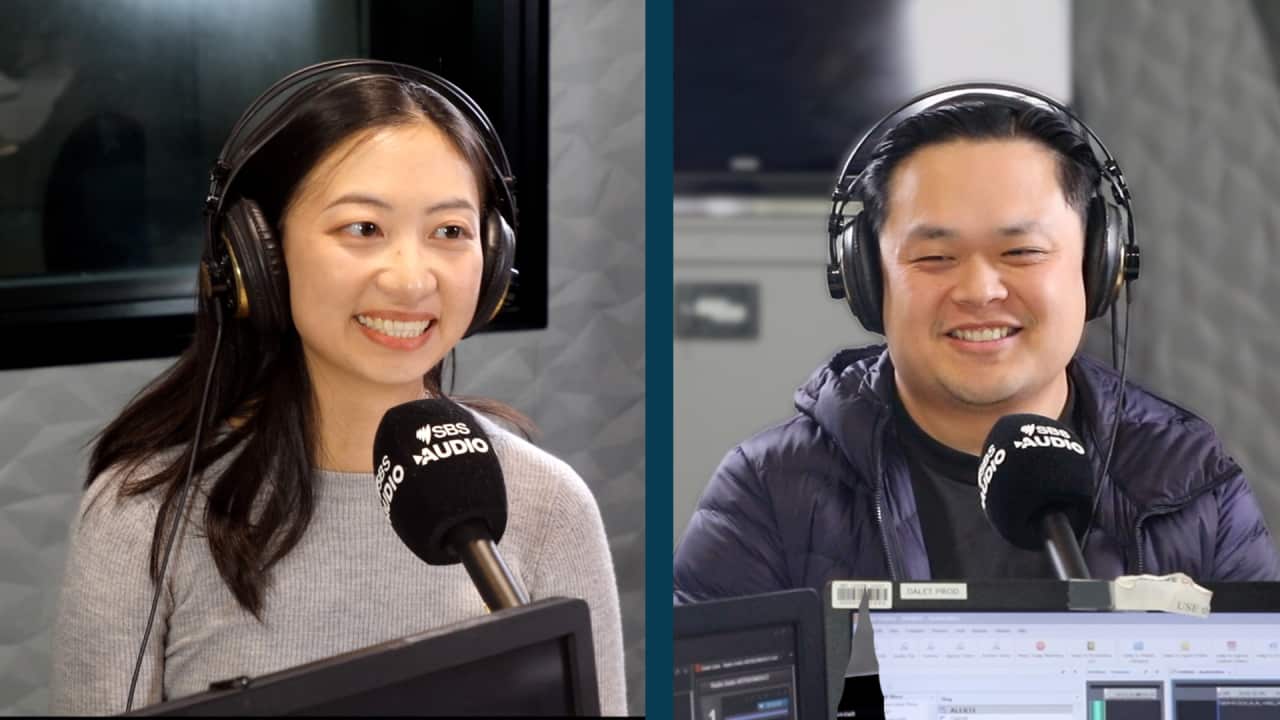


According to Australian electoral laws, any Australian citizen above 18 and eligible to vote can run for parliament. So as a young Chinese Australian what’s your chance of becoming Australia’s next Prime Minister? In this episode, Wing Kuang and Bertin Huynh investigate climbing the ladder to Australia’s top job, starting with the country’s lowest level of government - the council. Joining them to unpack the highs and lows of running for office is Michelle Chuang, a manager of a medical centre and recently-elected councillor at Willoughby City Council, and Solomon Lin, a civil engineer who ran for Monash City Council in 2024.
How do you run a campaign as a young Chinese Australian with no political background?
Can you convince people - especially those from your very own community - to vote for you?
Does our Chinese-Australian identity help us to survive in the political game?
My mom was like, 'What are you saying? You want to run for local government? I think you better not.' But my husband was very supportive. He was like, ‘look, the opportunity doesn't arise every day. This is a great opportunity, and you might not even get it. Just run for the experience.Michelle Chuang
Chinese-ish is a series about what it is like to be young and Chinese in today’s Australia, hosted by and for young Chinese Australians.
Credits:
Host: Wing Kuang and Bertin Huynh
Producer: Dennis Fang
Art: Joanna Hu
SBS Team: Joel Supple and Max Gosford
Follow Chinese-ish on your favourite podcast platform, or download the SBS audio app.
Transcript
Wing Kuang
This podcast was recorded on the land of the Camaraygal people and Wurrendjeri people. We'd like to pay our respects to Elders past and present, and recognise their continuous connection to Country. Welcome to Chinese-ish, an SBS podcast about what it's like to be young and Chinese in Australia today. My name is Wing, and I'm a former Chinese international student.
Bertin Huynh
And I'm Bertin. I'm a second-generation Vietnamese Chinese Australian. Wing, if one day you're not going to be a journalist, what job are you going to do?
Wing Kuang
I did a story about the by-election of Epping in the New South Wales State election. And that was the first time I realised it's actually very easy to run for a state election, so probably I may go to politics.
Bertin Huynh
Oh, really. Please explain.
Wing Kuang
Firstly, you need to register, declaring if you get a political donation, etc, you also need to be nominated. So you will need at least 25 people who are eligible to vote for you to nominate you. Once the Electoral Commission confirms your candidacy, you are basically in the game.
Bertin Huynh
It's not ever something I've ever thought about doing, nor have my parents ever encouraged it. And to be honest, not many of my friends even talk about politics.
Wing Kuang
Exactly, and that's why today, we have two special guests to talk about their experience of running for the local government election last year. We know the council election is the lowest level of elections in Australia, so let's start from the basic and understand how the system works.
Bertin Huynh
Hopefully, this episode could inspire one of our listeners to run for Australia's Prime Minister in the future, maybe the first Chinese-Australian Prime Minister. Joining us is Michelle Chuang, who is a senior manager at a medical centre in Sydney, but also a newly elected councilor at the Willoughby Council.
Michelle Chuang
Hi everyone.
Wing Kuang
And we also have Solomon Lin, a civil engineer and digital educator who ran for the Monash Council in Melbourne last year.
Solomon Lin
Hello, everyone.
Bertin Huynh
Both of you, Solomon and Michelle, by the time you are running for politics, you are in stable jobs, and probably jobs that a lot of parent generation would consider good jobs and good salaries in industries that are quite respectable. What made you suddenly want to, you know, jump ship and go for politics?
Michelle Chuang
Well, it all started from last year in about March. I participate a lot in PNC in the school. In 2023 Willoughby council had a after school care that they ran. But end of 2023 they canceled it. It was really difficult for me as a working parent, and it was really difficult for a lot of other parents as well. So they did a petition to the council. They had 200 wet signatures. However, it didn't change the decisions of the council. They'd asked me to do the petition again last March, I said, look, let's try again, and that's how it all began.
Wing Kuang
Solomon, take us back to the day that you tell your boss that you are running for council. What was it like, and what were their reaction?
Solomon Lin
They were actually very supportive. I gave them a promise. This is something that I want to do for my community. I want to contribute my technical experience, and they supported my decision, as long as it doesn't affect my work, I couldn't take any leave because I had very hard deadlines for two projects at a time. So I did all my works just after hours and on weekends. Basically there was no West for me for two months.
Bertin Huynh
Not to rub salt into an old wound. But in the end, you didn't win. So how does that feel, that you put all those hours in?
Solomon Lin
It was actually a very rewarding experience. I treated it as a learning experience in the beginning, because there was no guarantee in elections. I set my expectation in the beginning to okay, this is an experience that I want to try. I want to give back to the community, and I stick to it, and that's pretty much how it all went. And even I didn't win, I gained a lot of experience and connections through the campaign, and it was very valuable, even just talking to the residents in my ward to learn their problems, to help them with the listing that can change their life. It was very rewarding.
Wing Kuang
So to both of you, what were your family's reaction?
Michelle Chuang
Well, for me, my mom was like, 'What are you saying? You want to run for a local government? I think you better not.' But my husband was very supportive. He was like, 'look, the opportunity doesn't rise every single day. This is a great opportunity, and you might not even get it. Just run for the experience.'
Solomon Lin
My family, they let me do my own thing, they let me make my own decision. But my partner was very supportive. She was the one who would keep me back on track when I say, Oh, what if. I this, what if I don't do this to say, 'hey, you had your principle. Just stick to it and be what you want to do.' And that's all.
Wing Kuang
Why do you think, Michelle, particularly, your parents will have that reaction to you about going into politics?
Michelle Chuang
I think it's how they grew up and how they were educated abroad. So in Asian families, in particularly when there comes power, position, title, usually comes a danger. And that's what it is in Netflix nowadays too.
Wing Kuang
Solomon, you are those classic 1.5 generation Chinese Australian, which means you actually came here for high school, and then you spend your adolescence here. And that would mean that your parents still have a quite strong connection to where they are from, rather than the Australian democratic system. Why do you think they would be so supportive.
Solomon Lin
My parents came from mainland China and the political landscape there - as everyone knows - people are very conservative, and for me to make this step, it actually took some time for them to digest. And seeing my past performance with the decision that I've made, and that got me where I am now. They were confident that I could make sound decision. So that's why they let me do this campaign.
Bertin Huynh
We say that being politically active in our community is not common. Where did you get the idea to run for politics in the first place? How did you make that connection between this thing was wrong? How can I fix it and going for politics?
Michelle Chuang
A lot of my courage comes from the parents of the families in my daughter's school. It also comes from the community. So one of the person who supported me, she won the citizenship of Willoughby city, and she has always ran for local government. She hasn't been successful, but I think it's her perseverance that made me think, if there're so many people needing me to voice and it looks like they are all having the same goal to push me up, then I should give it a try. I shouldn't stay at the back. I should step up a little bit more and think, okay, this is not just the politics. This is about making changes for our community. That's when I decided, okay, I'm gonna give it a try, whether I win or not.
Wing Kuang
And how about you? Solomon?
Solomon Lin
Espeically Chinese community, we don't talk about politics, even within the family, we rarely talk about politics. And for me, to make the step and it's just something that quite unimaginable by others, friends and family, and for me, I was just focusing on what I can give back to the community. And I feel like more people should do this, especially Chinese Australian, we should make the change in our generation, not to wait for future to come to you know, oh, it can just randomly happen. I'm the type of person who believes in actions, and this is something that I will take to make it happen.
Bertin Huynh
Both of you run in some of the most Chinese electorates in your respective states. Willoughby Council having Chatswood, which is high concentration of Chinese people, and Monash as well. Did being Chinese yourselves, do you feel like that helped your campaign or hindered it?
Michelle Chuang
To be honest, Willoughby city is quite big. When you look at Chatswood. Yes, we do have a lot of Asian background. We have Korean, we have Malaysian, we have Indonesian, we have Chinese, we have Taiwanese, we have people coming from Hong Kong. But that is misleading, because Willoughby city is so big, it's actually only about 26.5% of the population who are Asian, and out of the 26.5% not everyone can vote. The reason being Chatswood being such a high density of Asians is because of their school and people come from overseas, want to live in the area, to go to the school, but they aren't actually, you know, citizens. There might be a lot of them who are permanent resident also, because a lot of countries don't allow having dual passports. So if you decide one passport, then you have to give up another one. So a lot of people are permanent residents without voting rights. So I think that was misleading for me, because I thought the same, I was like, wow, I'm gonna get all this. But it wasn't the reality. It kind of gave me a little high hope, but it was a fake hope.
Solomon Lin
I had the exact same thought as Michelle, and I thought I could stand a chance because of the vast majority of Chinese population in the city council. The number was actually higher in Monash. But then, like what Michelle said in Sydney as well, the people who can vote are limited because they only hold permanent residency without the voting rights. We basically can't make a difference. And that is something that I felt quite disappointed, to an extent where people did not understand the gravity of how important politics are in to affect their lives. A lot of people would complain but not make actions.
Wing Kuang
In the past few years, especially since all this dispute and geopolitical tension with China, we've been seeing news where we have Chinese Australians running for councils, and the first reaction they received from the voters is, are you a spy? Have you ever encountered that you may not be trusted by those who are not of Chinese background, just because of your Chinese identity or your Chinese look?
Michelle Chuang
Unfortunately in politics, people use whatever they can to diminish or destroy you, and I think one of them is saying things like, are you a spy? I personally have never had this experience. I was born in Australia, raised in Australia, and I felt when people ask you that question, they are potentially, you know, modeling you into someone that you're not but you could potentially be. So I think that is a political weapon, and I don't believe that should ever been used. However, I do know in state and federal, they do have financial testings. It's just like when you sit for a police test or any government officials, they want to know you as a person, and that is important.
Solomon Lin
I was actually very lucky. I didn't have any attacks, per se, on my identity and the question about, are you a spy? But I did have in the same city council in other wards, we had a large number of attacks going on, and they were targeting their Asian background as well. And it wasn't pleasant, it was very diminishing, and I would say, very childish in some sense. But then, as you know, this is politics, and people do whatever they can to gain advantage.
Bertin Huynh
That's sort of based off the fear of the unknown, right? And I guess there's this distrust almost can go both ways there. As much as non Asian Australians can distrust Asian Australians, Asian Australians can distrust the wider society because of that fear of the unknown. And then there's this research showing that, you know, over half of Chinese migrants don't understand how the political system works. They don't know how to electoral system works. I know for a fact that my mom, every three years comes up to me and asks, oh, Bertin, how do I put the numbers right? How do I, however, who's number one, right? And I always get really frustrated at her, and to a level where I failed every year for every election since I was probably have failed to explain it to her properly. So when you look back at this process as someone who's been through it, as someone who's, you know, challenging a system that historically hasn't represented us, how have you tried to bridge that gap between, you know, a community that is distrusting employee doesn't understand the system very well and trying to make change?
Michelle Chuang
Five years ago, if you asked me, who my councillors for, I would tell you I don't know. So I am the typical Asian family where every three years, election comes up, who do you vote for? I don't know. Let me pick a name that I like. Unfortunately.
Bertin Huynh
Wait, do any of your aunties and uncles say I picked this person because he looked nice?
Michelle Chuang
Yes, that is one of them, and the other one was 'mommy, I like this person's name. Can you vote for her?' Oh, sure. I have no preference. So let me do it. So our kids are actually choosing our futures for us. So five years ago, I would have no idea who my councilors were doesn't really matter about politics. What does it mean to us? But now I think education is very important, and I think why this podcast is very important, we need to know every tiny bit make a difference. We need to start knowing about you know, what does this mean to us, not in federal level, not in state level, not just in council level, but what are we able to do individually. For me, because the parents of school asked me to I knew I could make a difference, and now that I'm being elected, I see there's different ways I can make a difference, and that's why it's very important to know who you vote. Four, please do a little study. Don't just be like me. I like this name, so I picked this name.
Wing Kuang
How about you, Solomon, did you also do the same? Or did your parents ask you to do the same when you were helping them with elections?
Bertin Huynh
I have noted you both sound overwhelmingly optimistic, even you Solomon, someone who you know didn't win. How do you stay optimistic? Because, you know, as you get higher in politics, the issues grow and the problems seem like they never end. You know, you're not not only do you have the issues of the cultural issues, like racism, like integration, but you have economic issues. You have, you know, people don't pick up the bins. How? How do you stay optimistic when so many people are looking to you for leadership, for policy?
Solomon Lin
Yes, actually, we both have because we like the name of the person or the party or whatever that related to the to the name, really, we didn't know much about voting and how the system works. Say, for example, within the council election, a lot of people don't really know why they have to put so many numbers. They asked me the question, 'can I just put you as number one and that's it?' Then I had to explain to them the whole preferential voting system, and you know how it works. And even after that, they got really confused and said, 'really can't be bothered. This is too hard. This is too difficult'. and I think that it's a norm in the society as well. A lot of people don't critically assess the well, I guess their voting power and how it can affect the outcome. I try to tell them, you know, this is really important. And as I go on this journey, I encounter so many people that had questions about what this party is doing, what this party is doing, and what do you think about this? It will have to come from a very fundamental education to a lot of citizens in the country to tell them, okay, this is what, what we are doing, and why we're doing it.
Michelle Chuang
I honestly live day by day on my calendar, because there's just so many things on my list, on my plate that I have to do. You're right. People calls you about their dogs, about their bins, about their 'my neighbour is not parking right'. And even issues that's not even local. People contact us because the fathers overseas can't come back. It's a lot of things that's not even within our jurisdiction, but people just want that support. So I think you really need to love the job and have passion for it. And I think that's what I tell myself every single day. I love my job. I can't let down my people. I have to get through the four years and just, you know, try my best. It's a big job, but there's so many people needing you to do to make the change.
Wing Kuang
But you also have, like, a young daughter.
Michelle Chuang
Oh I have wo.
Wing Kuang
Yeah you got two young daughters, and you still work in that Medical Centre.
Michelle Chuang
Council meetings are once, minimum once a month. However, we have briefings, we have public forums, we have, you know, people invite you to things in three days, I attended eight International Women's Day events, and I've got two young daughters planning a little more time.
Bertin Huynh
Does this make you a little a little glad you didn't win Solomon? Or are you still optimistic?
Solomon Lin
This is sort of my personality. I stay optimistic all the time, and it's also coming from my life's experience and professional experience as well. I have challenges. I have crisis pretty much every day in my work. I'll have to stay optimistic to be able to solve problems. I can't just be frustrated and just can't be bothered, I can't do this. I just keep myself going. What Michelle said was very spot on. Passion is definitely the main drive to keep someone going in this politics space, because without it, you just feel very bored or feel very lifeless.
Bertin Huynh
A very common opinion that politicians are the least trusted profession out there. A, do you think going to politics has made you a better person or Australian and B, how would you encourage you know, young Chinese Australians to get into politics?
Michelle Chuang
Okay, so first question was, politicians are less trusted person? Yes, that is what I thought as well. After I got elected, I think I become a better person. The reason being is because people knows who you are. So, for example, not that I do it. If I jaywalk, people see, oh, a counselor jaywalking. So I always have to wait for the red and green light now. Not that I jaywalk. This is not on the record.
Bertin Huynh
Has it increased your patience?
Michelle Chuang
It has. It has and so especially after I become a councillor, what has happened is I look things differently. The other day, I was participating in this event, and we were marching on the main street of Chatswood, and I saw this brand new wall. I got so excited. I was like, Oh my God, have we repainted this war. I If I wasn't elected, I I never cared about the wall. I don't care about the road, because it wasn't my issue, but now they're all my issue. So I felt like I became a better person because I am more caring for the community. I care for the wall on the street. I care for the small pothole. I care for, you know, anything that is tiny, that didn't use to matter for me now they became alive, and it's part of my life. It hasn't changed me as a person, though, if it has, it will probably be more sensitive, sensitive to the environment, sensitive to the trees. I had no idea there's so many types of trees. I only know eucalyptus. That's all I know. And your second question was, would I encourage people to do it? I highly encourage anyone to try. It's very different. It's a very different career. It's not very financially rewarding, if you're looking for it, we don't get paid a lot to do our job however. You can make difference. You can make a change. If there's something that you think, you know, the government's not going to change this. It's always going to be like this. Then you should consider yourself to be that leader. Should be that person who advocate, who lobby the issues that you have so young Australians out there go and try.
Wing Kuang
How about you? Solomon,
Solomon Lin
I think I agree with the point of view of politicians, probably one of the least respected career in Australia, and I think worldwide as well, through this experience has made me a better person, yes, in a way of making me more aware of what I do can impact other people and the wider community as well. Well, during that campaign, I've I felt very accountable for things that I've done, like Michelle.
Wing Kuang
You don't jaywalk during that time.
Solomon Lin
I don't jaywalk. I always pick up the droppings of my dogs. You know, if I felt like someone was looking at me in the background, I remember when I was handing out flyers, because, as I mentioned, I worked during the day, and I had to do all this at night. It was very, very suspicious in Melbourne, it was rainy and cold and dark in September and October. So imagine someone with a hood in a backpack with a handful of flyers. If you look from aside, looks like someone trying to case the house to go in for robbery, which wasn't nice. And this is definitely something I've experienced firsthand. I was letter boxing, and some resident was observing me for quite some, quite, quite some time, and he finally came up to me and asked me, Hey mate, what are you doing?
Wing Kuang
You're running for the council.
Solomon Lin
I had to explain to him I was running for the council, and then he was judging me.
Michelle Chuang
A tip for you. Maybe he used a red bag and dress up like Santa Claus. So it's like Christmas came early.
Solomon Lin
Yeah. Thank you for the tip. Maybe that would be useful for my next one.
Wing Kuang
Is there any skill, like particular skill that you feel necessary when you're running for the election? Or do you have any advice for like, an 18 year old, for them to understand how to go into politics. Should they sign up for those like university politics club, or should they actually, like, do three summer internships and then gain a really strong portfolio and network?
Michelle Chuang
I have a few things to give actually. I think you need to have a big heart. You need to be able to open to options. You need to be willing to listen to people, and you need to know the industry. So like Wing, what you said, if you really want to learn about politics, and you're in your first year uni for one of your subject as elective, maybe. Choose politics, choose public relation, choose things that could potentially give you that opportunity to become a politician. I was very lucky during my high school, I was in my debating team and I was a school captain for my high school, which kind of lead me to who I am today, but I had no idea if you want to run for the next election to become the next Asian Prime Minister, then be open and go and learn the industry. I think it's very important to learn the industry and be in it.
Solomon Lin
I think definitely leadership and communication would be the key for someone who wants to pursue a career in politics, to be able to know strategically what it's best for the community, and also being able to listen and communicate to convey the message clearly and concisely to People who might not have the understanding of what this whole thing is about. The person to represent the community would need to understand their needs and to have an understanding, and I think to add to that, will have strong common sense and to understand, you know, there are different levels of people living in their community, and I definitely encourage people who want to pursue a career in politics to be prepared. And that's very important, to be prepared people might have malicious attacks. You have to be prepared to have those kind of comments and be strong.
Bertin Huynh
Thanks, Michelle, thanks Solomon for joining us today.
Michelle Chuang
Thank you for having us here today.
Solomon Lin
Thank you for having us.
Bertin Huynh
Thanks so much to Michelle and Solomon for joining us on this episode of Chinese-ish. You've been listening to Chinese-ish, an SBS podcast about what it's like to be young and Chinese in today's Australia. This episode is hosted by Wing Kuang and me Bertin Huynh, produced by Dennis Fang, with support from Joel supple and Max Gosford. The artwork is by Joanna Hu.
Wing Kuang
Follow Chinese-ish on your favorite podcast platform, or head to sbsaudio.com.au, or the SBS audio app.