The Australian National University (ANU) and the Department of Foreign Affairs and Trade (DFAT) are helping make science more exciting and accessible across Africa by taking science to the average person on the street.
The initiative is being made possible by Australia’s support for science centres across Africa.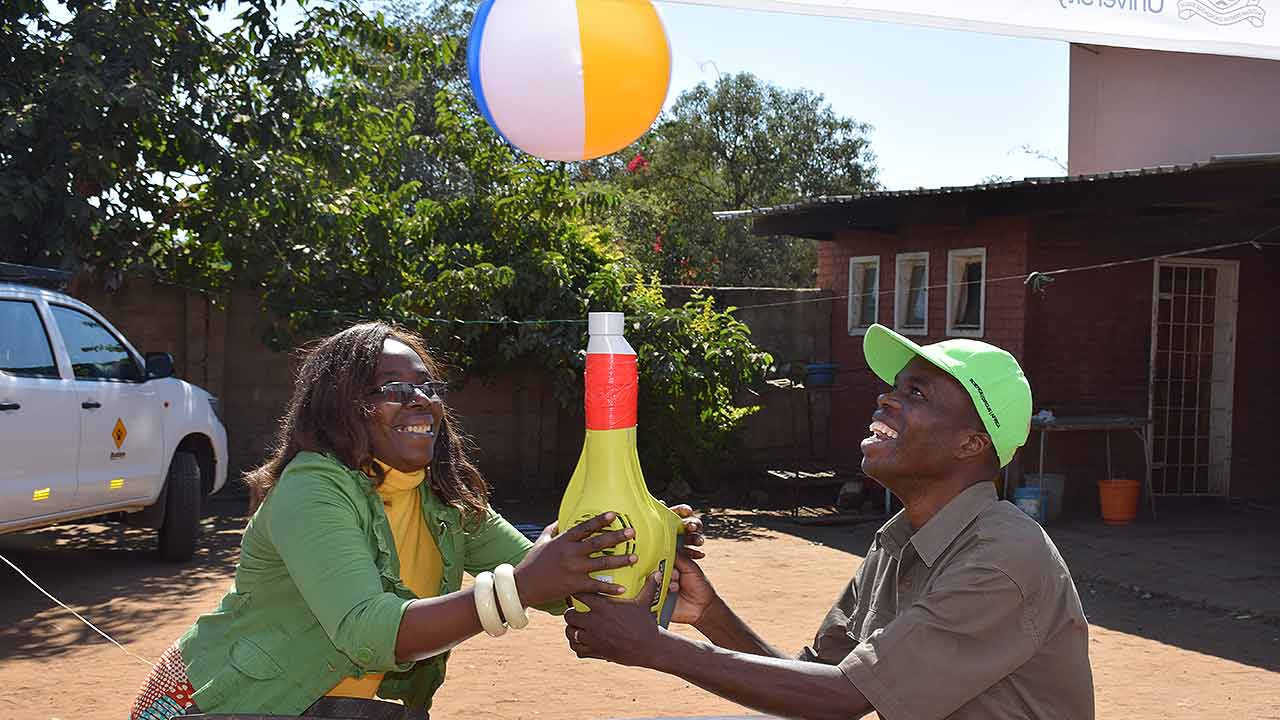 Science centres are science museums that emphasise a hands-on approach, featuring interactive exhibits that encourage visitors to experiment and explore.
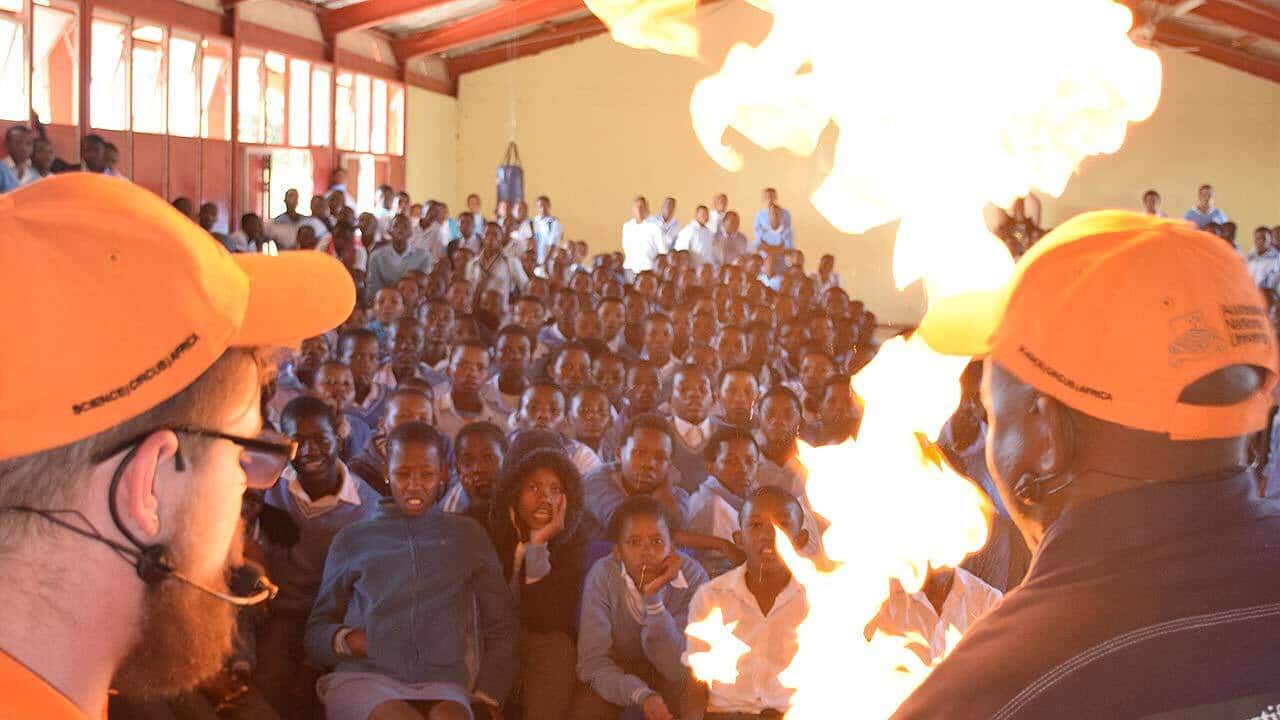
One of the many fun science experiments used to raise awareness and engage students. Source: Australian National University
For the next six weeks the ANU’s National Centre for Public Awareness of Science (CPAS) and the Department of Foreign Affairs and Trade are hosting science centre leaders from eight African nations at a training program in Canberra.
The program aims to give science centre leaders the skills, knowledge and inspiration to create and further develop interactive science centres in Africa, similar to Australia’s National Science and Technology Centre, Questacon.
The science communicators will share their knowledge and experience about promoting science.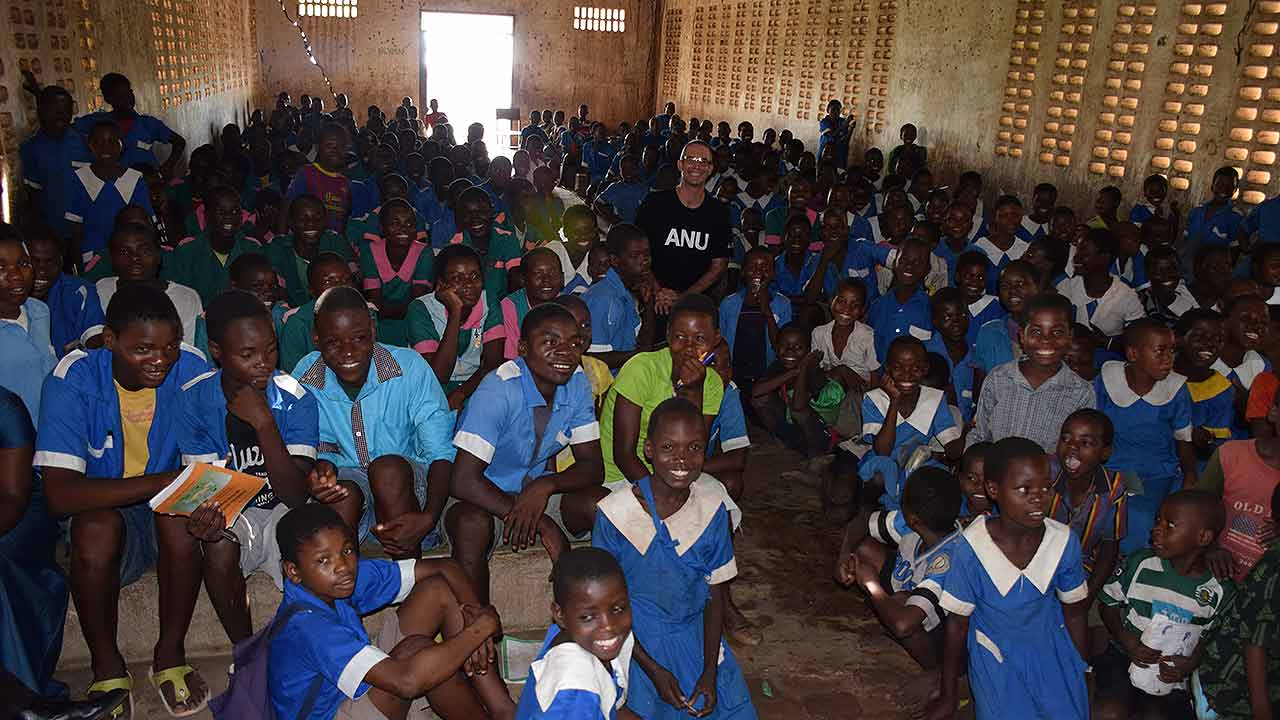
Dr Graham Walker (centre) of CPAS is passionate about ensuring that Science Centres are widespread throughout Africa. Source: Australian National University
Listen to the interview with Dr Graham Waker here:
Inspiring the next generation
At the launch of the program in Canberra, CPAS Director Professor Joan Leach said science centres play a crucial role in engaging the community with science and inspiring the next generation of scientists.
"Science plays a crucial role in modern life. We want to work with our partners in Africa to inspire young people to take an interest in science and help them understand the world," Professor Joan Leach said.
Dr Graham Walker of CPAS told SBS that science centres had sprung across the world, but Africa seemed to lag in that area.
"There’s only a handful of centres between South Africa and Egypt, but we’re working on changing that.
"Our plan was to get on a big bus and drive from Cape Town to Cairo, performing science circuses and launching science centres in central, west and north Africa."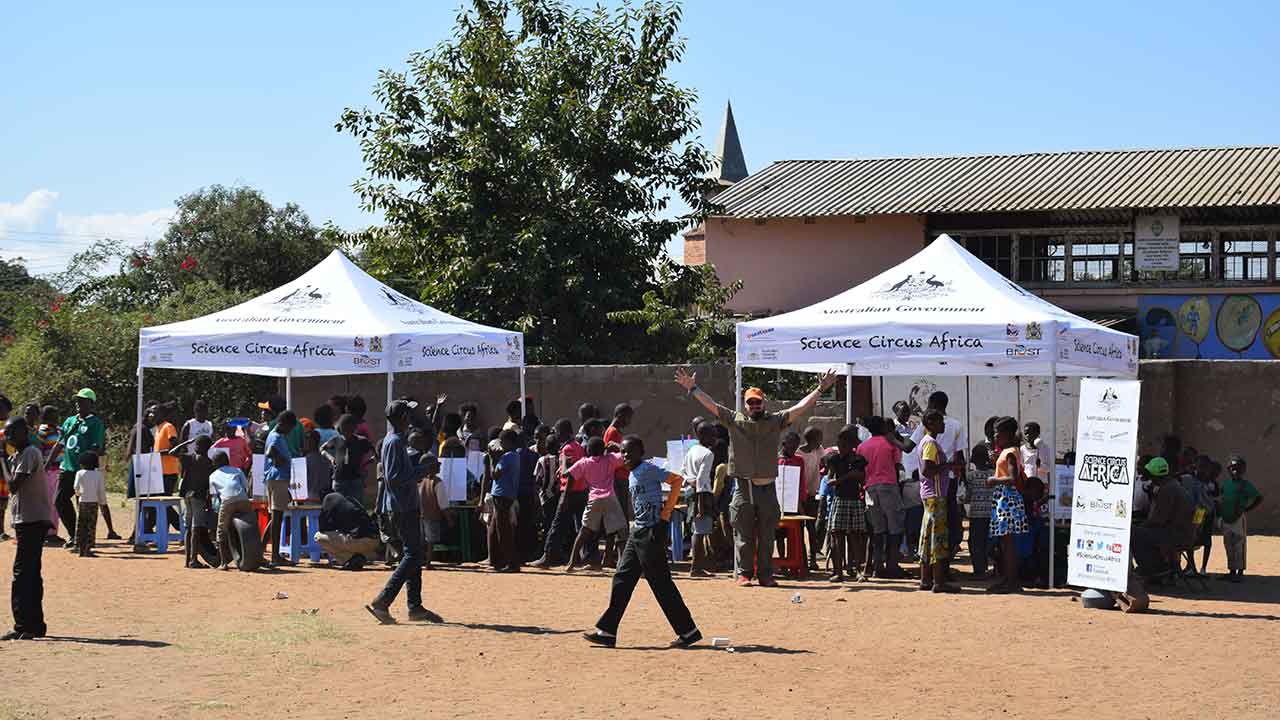 Dr Walker said: "The model is to find interested universities and passionate NGOs working in science education and communication, partner with them, give them tools, and adapt a few things to suit local conditions."
The CPA's Science Circus initiative started in South Africa in 2003. Source: Australian National University
The Science Circus Africa initiative started in South Africa in 2003, moving north into other countries in 2013.
The program has reached over 68,000 people across seven African countries and trained more than 350 African staff.
The six-week training program is supported by the Australia Awards Fellowships program, run by the Department of Foreign Affairs and Trade.
Australia Awards Fellowships build capacity and strengthen partnerships between Australian organisations and partners in eligible developing countries in support of key development and foreign affairs priorities.
Schoolchildren are a big focus of the Science centres in Africa. Source: Australian National University
Share