
"Oh, there was an AVO... but it had expired."
NSW Police shortfalls in domestic violence investigation may end with a child witness having to live with her mother's killer.
Solomon Jenbare's non-parole period for manslaughter will conclude on April 8 2019 , 5 years after killing his 25 year old wife Wubanchi Asefaw.



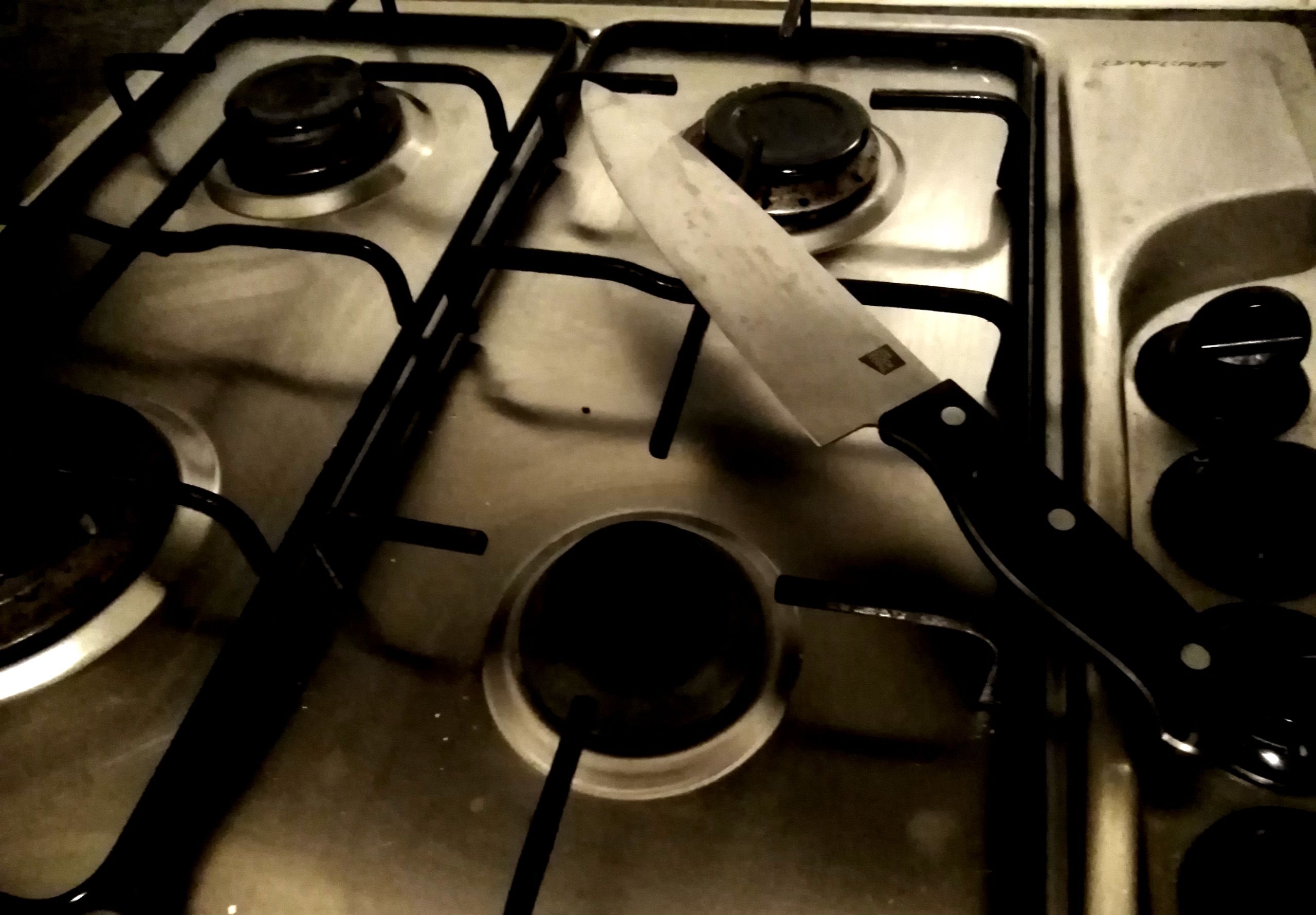
It was a trial that divided Sydney’s Ethiopian community.
A husband was found guilty of killing his wife, but her family maintains his sentence was too light, and that the investigation of the crime was flawed.

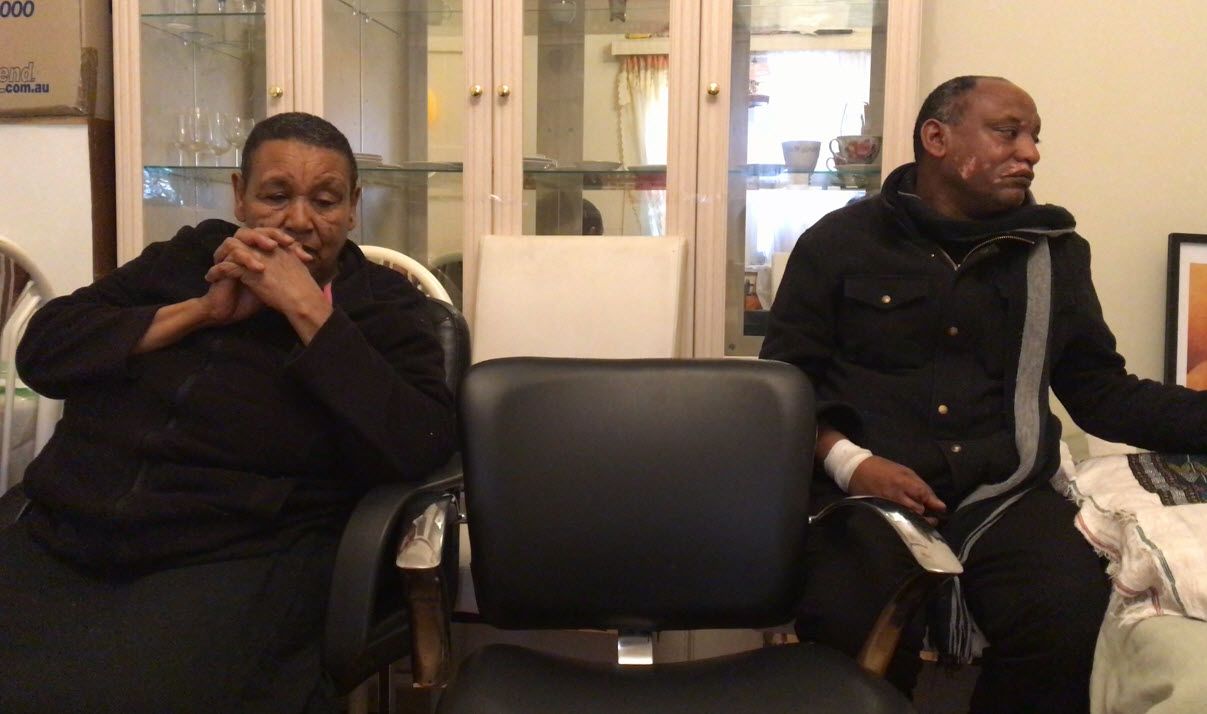
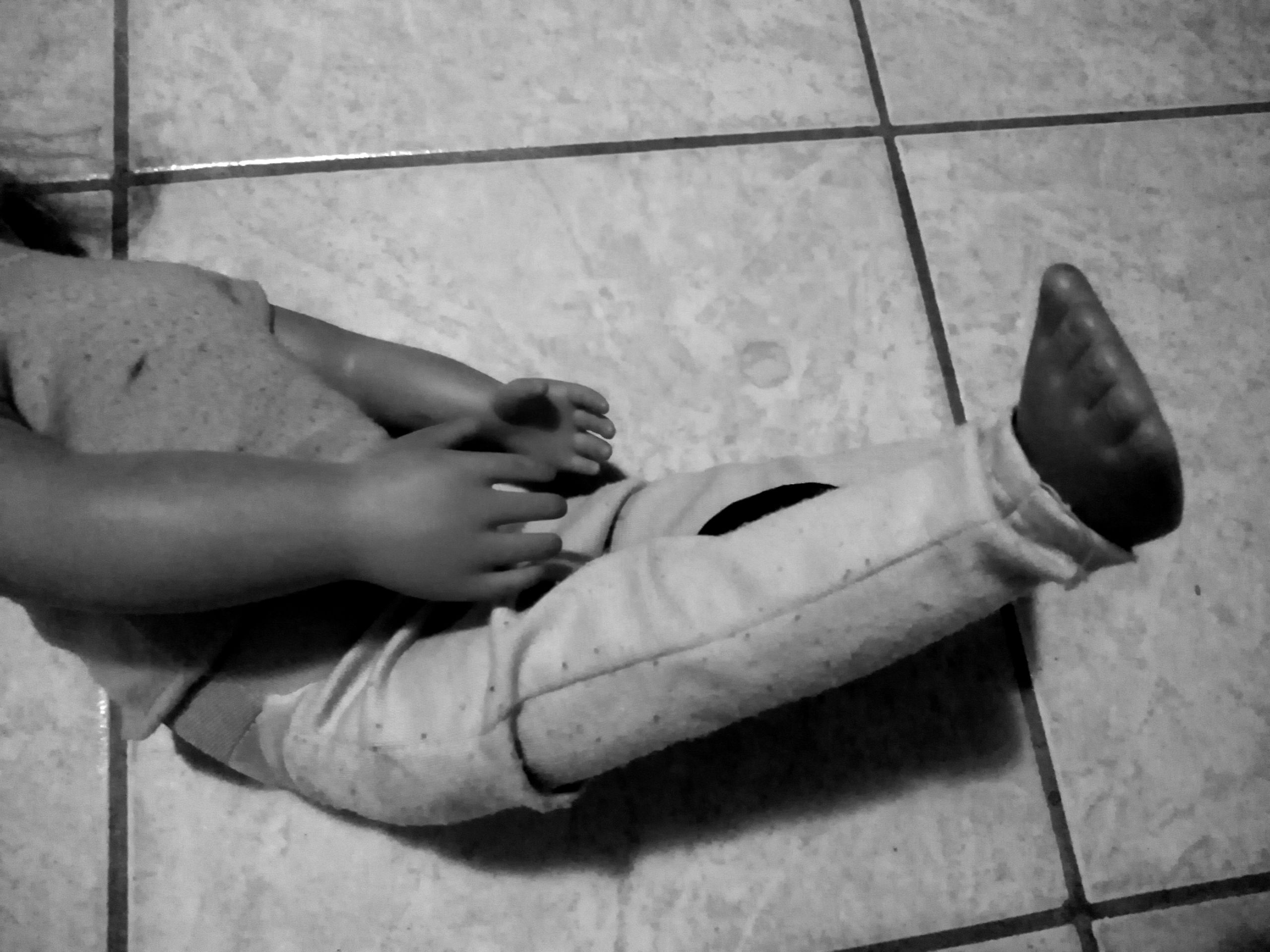
In this story, SBS speaks exclusively to one of the case’s key investigators, and the child who bore witness to her mother’s killing.
In four months’ time, Solomon Hailu Jenbare will be able to apply to leave Sydney’s Long Bay prison.
The 54-year-old Ethiopian refugee killed his wife Wubanchi, 25, after stabbing her eight times with a kitchen knife at their Auburn home on April 8 2014.
A seven year old child witnessed the crime. Solomon is serving a nine-year sentence with a seven-year non-parole period for manslaughter which concludes on April 8, 2019.
Wubanchi didn’t fit the model of the young bride from overseas who depends on her husband because she doesn’t work and isn’t fluent enough in English to find a job or understand the new culture.
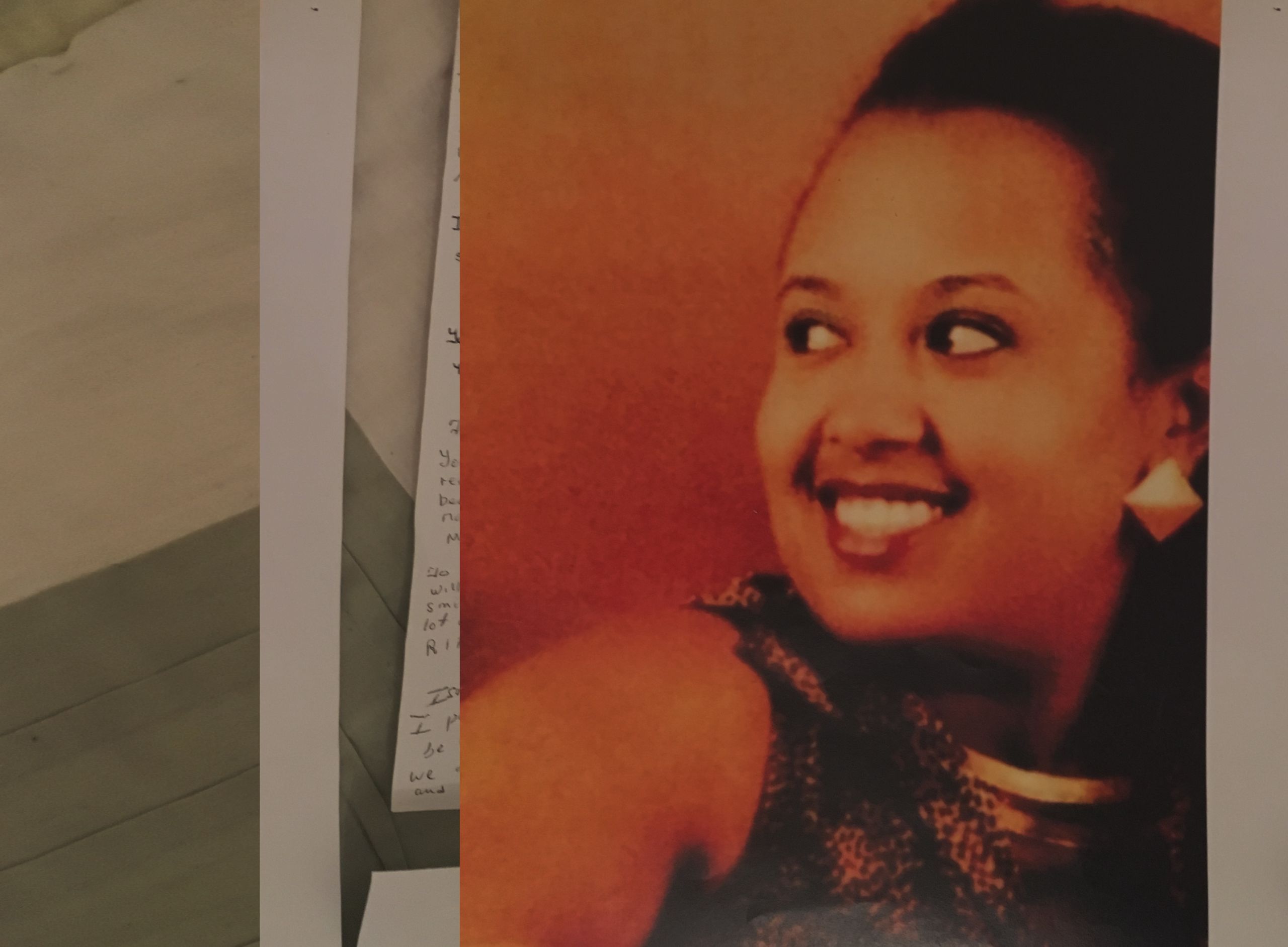
Wubanchi was something else; she was an entrepreneur and a very active and hardworking young woman.
Friends and relatives believe these characteristics increased the risk of being attacked by her husband, who was increasingly jealous.
They say for Jenbare, Wubanchi’s entrepreneurial drive and achievements threatened his aim to control her.
Will he seek custody of his child when he leaves jail?
Could the judge’s assessment that the “offender loved his wife and was deeply committed to her” influence a potential custody request?
In two exclusive interviews, SBS spoke with the detective who investigated the case and with the now 12 year old child who witnessed the killing.




Detective Senior Constable Peter Phillp:
“I didn't want to take a plea to manslaughter; I wanted to run a murder trial because I thought we had a pretty good argument for murder, and I was very happy to run a murder trial."


This case exposes how language barriers and a lack of understanding of the Australian legal system can prevent migrant from women seeking support for domestic violence, as well as their families when they try to seek justice for their deaths.
Even though Jenbare was tried for murder in the Supreme Court in 2016, the jury found him guilty of the lesser charge of manslaughter.
The verdict was based on the defence successfully arguing that Jenbare’s capacity to control himself was impaired by mental health issues.
In her sentencing remarks Justice Lucy McCallum referred to the post-traumatic stress disorder and depression Jenbare suffered after surviving torture as a political prisoner in Ethiopia and trauma in refugee camps in Kenya and Somalia.
Yet the victim’s family believe that Wubanchi’s killing was planned and deliberate because they say he had previously threatened her and these threats were reported to the Police and to community Elders of the Australian - Ethiopian community who run traditional mediation .
The Elders sent Wubanchi back to her husband on more than one occasion. Detective Phillp said that “the Elders acted in good faith that they wanted to help Wubanchi and unfortunately in this instance they haven't. They sent her back to a relationship where I don't know she really wanted to go back to.”



---A forgotten record of domestic violence ---
In sentencing, Justice McCallum followed the evidence collected during the police investigation.
Based on the evidence, McCallum concluded that although there were verbal arguments between the couple, there was “no history of violence, save for one occasion when the offender is alleged to have pushed Ms [Wubanchi] Asefaw during an argument”.
Noting that the offender had no prior convictions for violence in the evidence presented to the court, Justice McCallum concluded that the couple’s arguments appeared to be focused on “financial concerns arising from the fact that they were both supporting family at home in Ethiopia”.
However, SBS discovered that four years before Jenbare killed her, Wubanchi had taken out an apprehended violence order (AVO) against him. At the time police didn’t press criminal charges.
In the interview with SBS, Detective Phillp recalls “family arguments” when Wubanchi reported her husband at Auburn police station: “It was an unfortunate incident where the police, unfortunately the police couldn't take any action because we didn't have enough evidence to proceed.”
Days after Jenbare’s sentencing in 2016, SBS revealed that Wubanchi, scared about escalating violence and threats, had made at least two complaints to police against her husband, but that “these actions were not followed by an AVO or conviction”.
Wubanchi's mother, Asnaku, told SBS that friends and community members later told her about his threats to kill her daughter and that Wubanchi had recorded her husband saying "I'll kill you" and played it back to friends. None of them were called as witnesses.
The day before Jenbare’s sentencing Asnaku told SBS: “Solomon has many siblings. A brother, a sister and their spouses. People aware of that about his intention of killing Wubanchi. She said to a community elder and leader that her husband intended to kill her but he encouraged her to go back to her husband.”
Several friends and relatives of the victim told SBS there had been an AVO against Jenbare and were shocked that in sentencing Justice McCallum didn’t know he had a record of violence.
Through a Freedom of Information (FOI) request, SBS asked NSW Police for copies of the complaints of domestic violence made by Wubanchi.
This request was rejected.
Detective Phillp told SBS he didn’t believe there was an AVO taken out against Jenbare.
But at the reporter’s insistence, he checked the record and found one. “There was one in the past,” he said, “but it's been expired for four years.”
During the interview Detective Phillp stressed that the AVO wasn’t in place at the time of Wubanchi’s killing. However, the fact that there was an AVO of the victim against the offender could have been relevant for the judge and jury to evaluate Jenbare’s character, even when the AVO had expired.
In sentencing, Justice McCallum considered the mental health experts’ assessment of the offender, based on which she stated: “I am satisfied in the circumstances that the offence was unpremeditated and was due to a sudden, unexpected loss of control on the part of the offender.”
She continues: “I accept that the offender loved his wife and was deeply committed to her and the child. His good character belies any intention to kill her.”
“I have regard to his prior good character for a period of 49 years before the present offence. His offending may have been contributed to by his consumption of alcohol.”


Justice McCallum :
“I accept that the offender loved
his wife and was deeply committed
to her and the child.
His good character belies
any intention to kill her.”


---Disabled and affected by alcohol, he was capable of killing---
On the day of the killing, Jenbare and Wubanchi were helping Jenbare’s brother to move to a new apartment.
Unable to help move furniture because of a physical disability, Jenbare took care of the children. After the couple returned home Wubanchi went into the bedroom to make a phone call. Jenbare told police that he started drinking alcohol in the lounge room: two beers and half a glass of gin.
An argument broke out and turned physical. During the struggle Jenbare stabbed his wife eight times with a kitchen knife. The evidence indicates that Wubanchi managed to take the knife from him and fled the apartment screaming for help. She collapsed in the street, lost consciousness and died of loss of blood.
In sentencing, Justice McCallum notes that “she must have died in immense pain and fear”.
However, “at the time of the act causing death, the person’s capacity to understand events, or to judge whether his actions were right or wrong, or to control himself, was substantially impaired by an abnormality of mind arising from an underlying condition, and the impairment was so substantial as to warrant liability for murder being reduced to manslaughter”.
While four different experts, two forensic psychiatrists and two neuropsychologists assessed the impairment, its connection with the manslaughter charge was a decision for the jury.
There is no mention in the sentencing of Jenbare’s disability or his capacity to hold a knife and stab his strong, younger wife eight times.

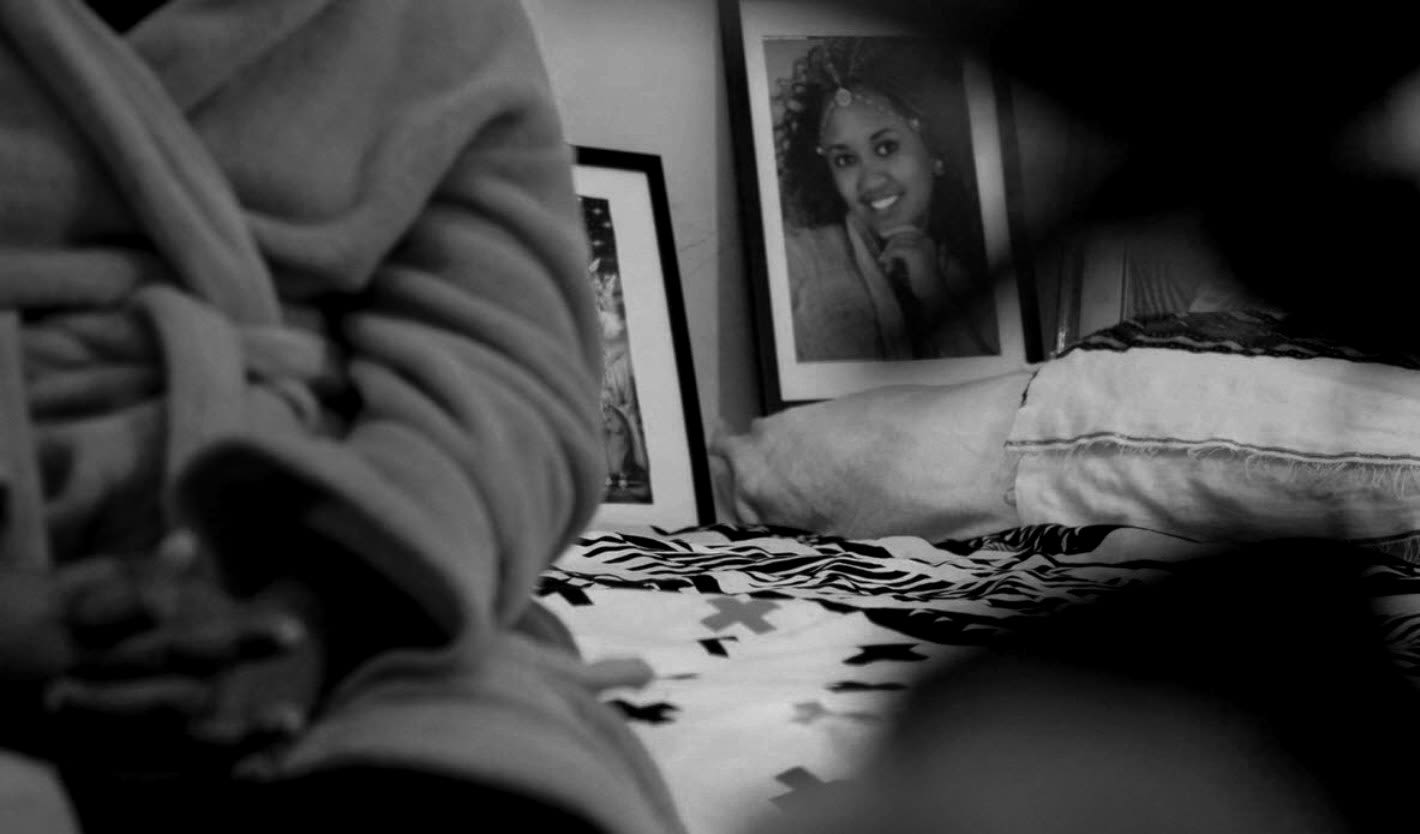


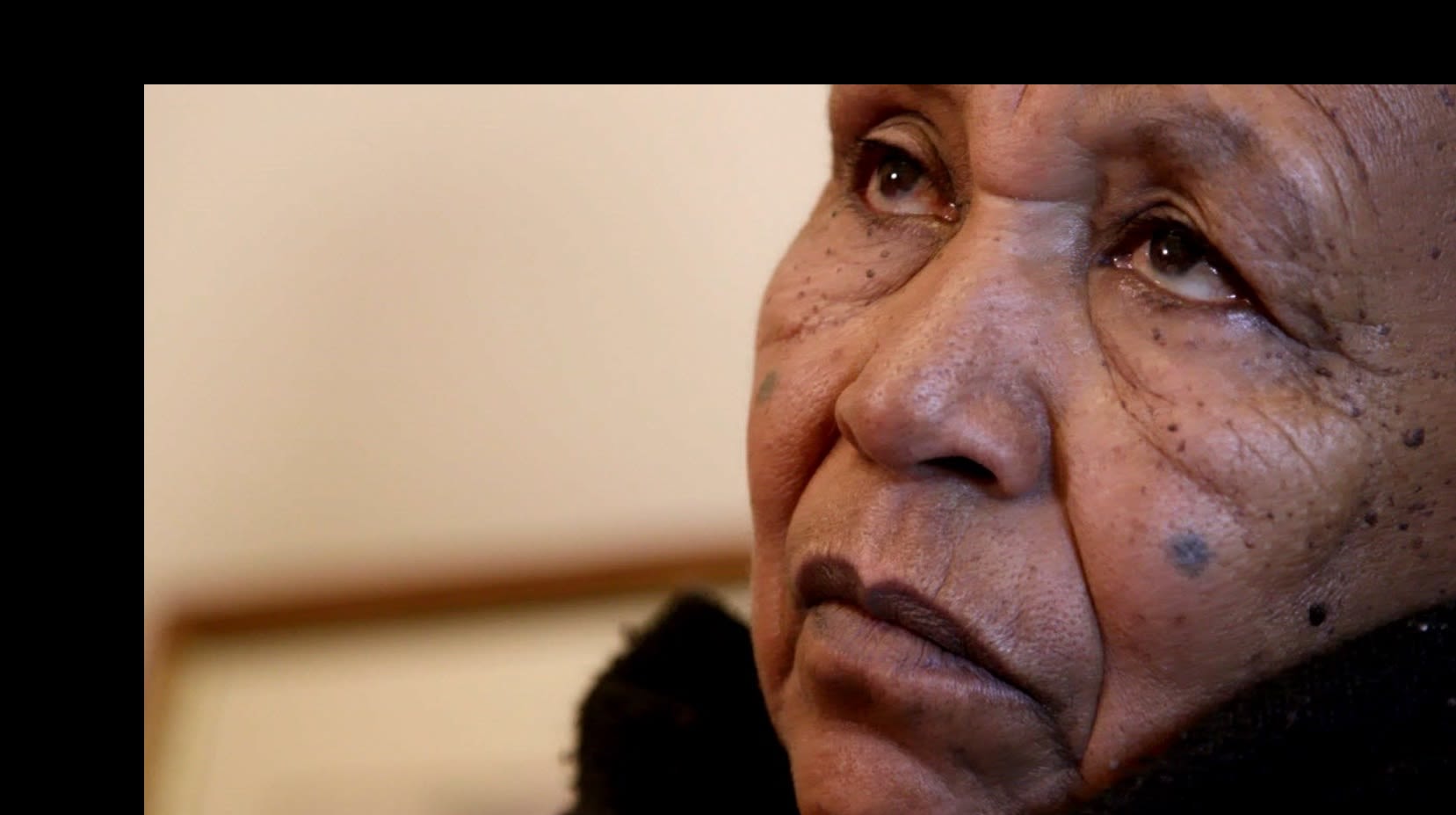
---A child’s voice---
The day before the sentencing, Wubanchi’s brother, Tsegaye Yohannes Asfan, told SBS he didn’t understand why the testimony from the child, who was the only witness of the crime, wasn’t considered in the investigation, since “the little girl knows everything. She is talking about it. She saw how they killed her. I feel sorry for her.”
Tsegaye and friends of the victim were surprised that almost none of the Wubanchi’s closest friends were called as witnesses of the case.
Asked by SBS why their testimonies were not requested by the Police, Detective Phillp said that none of them contacted him or the Police and that the authorities would have expected them to present themselves as witnesses.
In April, Jenbare may be able to leave prison on parole. But Wubanchi’s family and friends are concerned he will be able to request custody of the couple’s daughter, based on the sentencing which states he didn’t have a prior record of violence.
Two years after the interview with Wubanchi’s brother, SBS spoke to the child witness, now 12.

For a long time, her close family had insisted that she have her voice heard. SBS considered the need to protect the child’s interest, and the importance in sharing her story and after much consideration, the interview went ahead in September 2018.
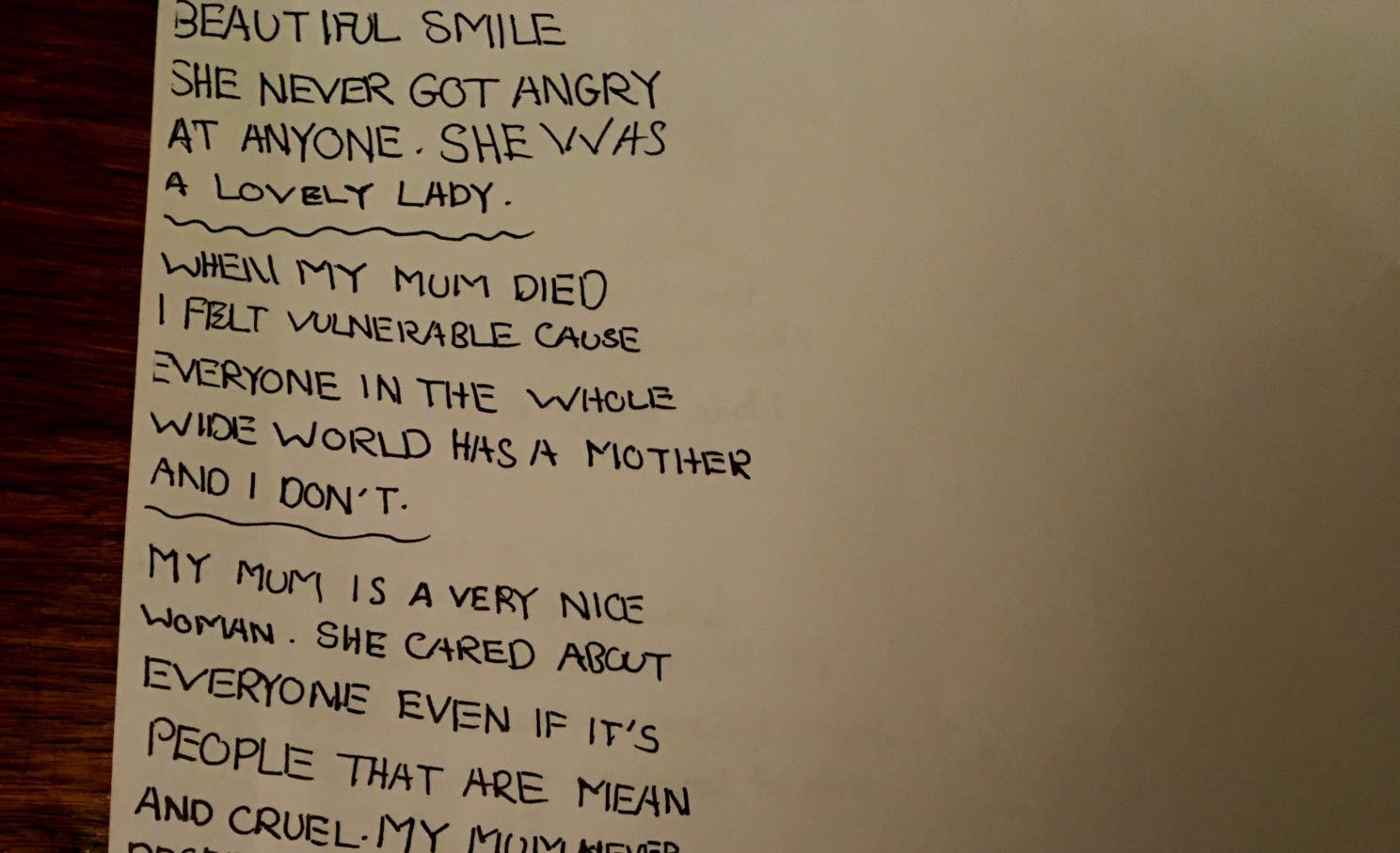
She recalls: “I was sleeping in my room and I heard shouting and then when I opened the door I saw him…”

She says that when Jenbare is released she doesn’t want him in her life.
Her voice breaking, she told SBS:
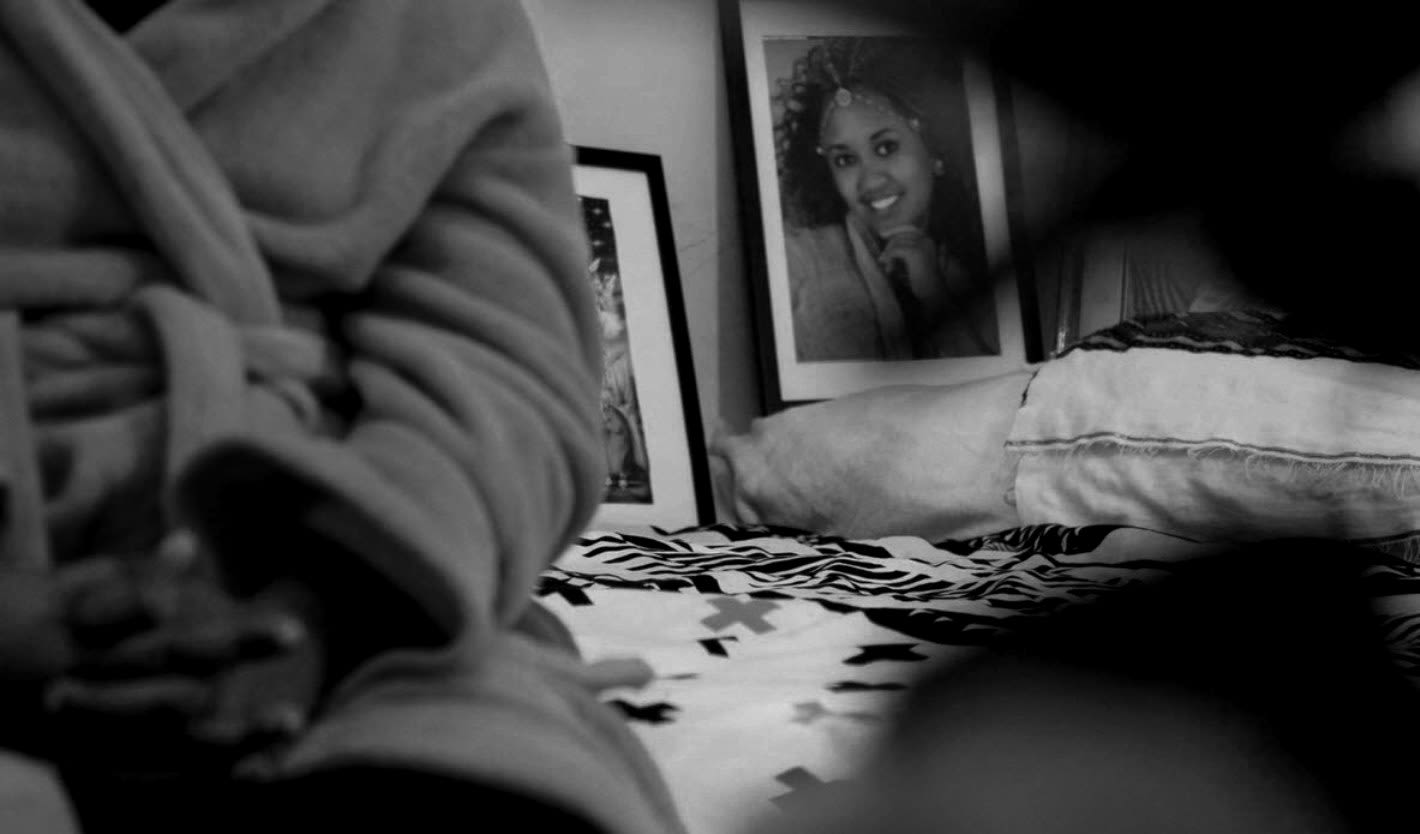
“I don't want to see him, and I don't want to see [his family] either, because if he loved me he wouldn't have killed my mum. I want to stay with my uncle and my grandma.”



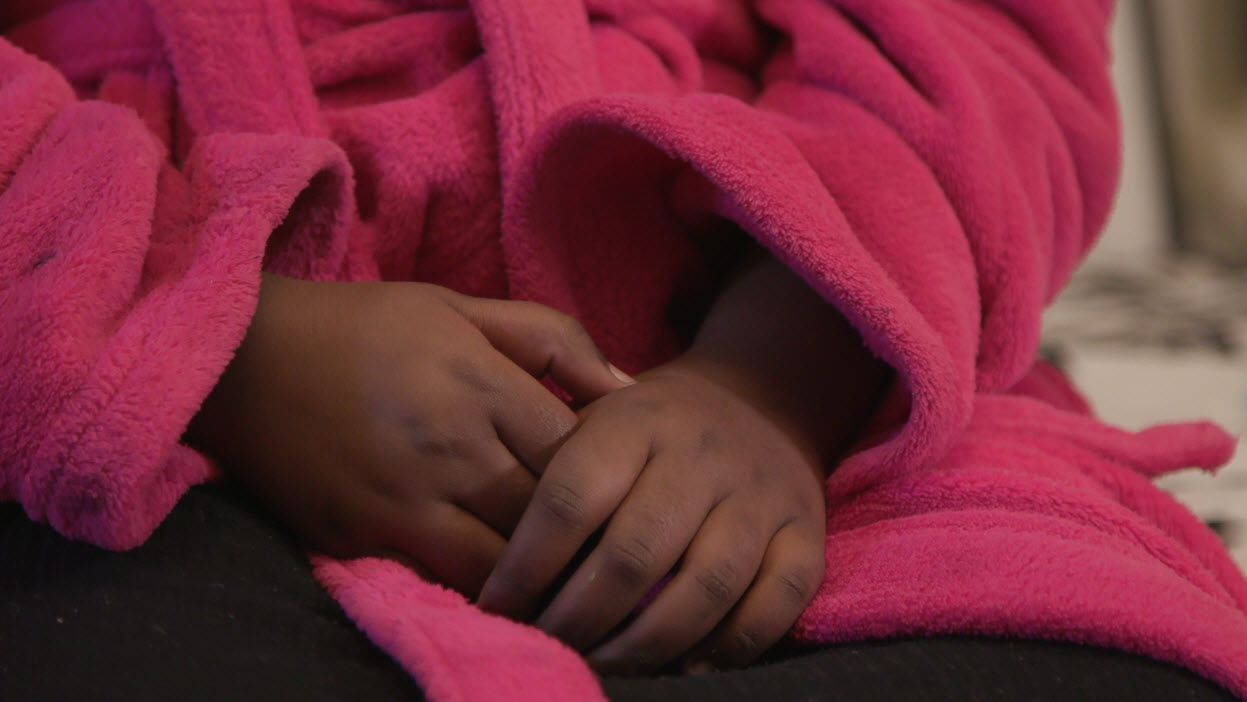
Girl witness:
“I don't want to see him, and I don't want to see [his family] either, because if he loved me he wouldn't have killed my mum. I want to stay with my uncle and my grandma.”

---Language barriers and confusion over rights---
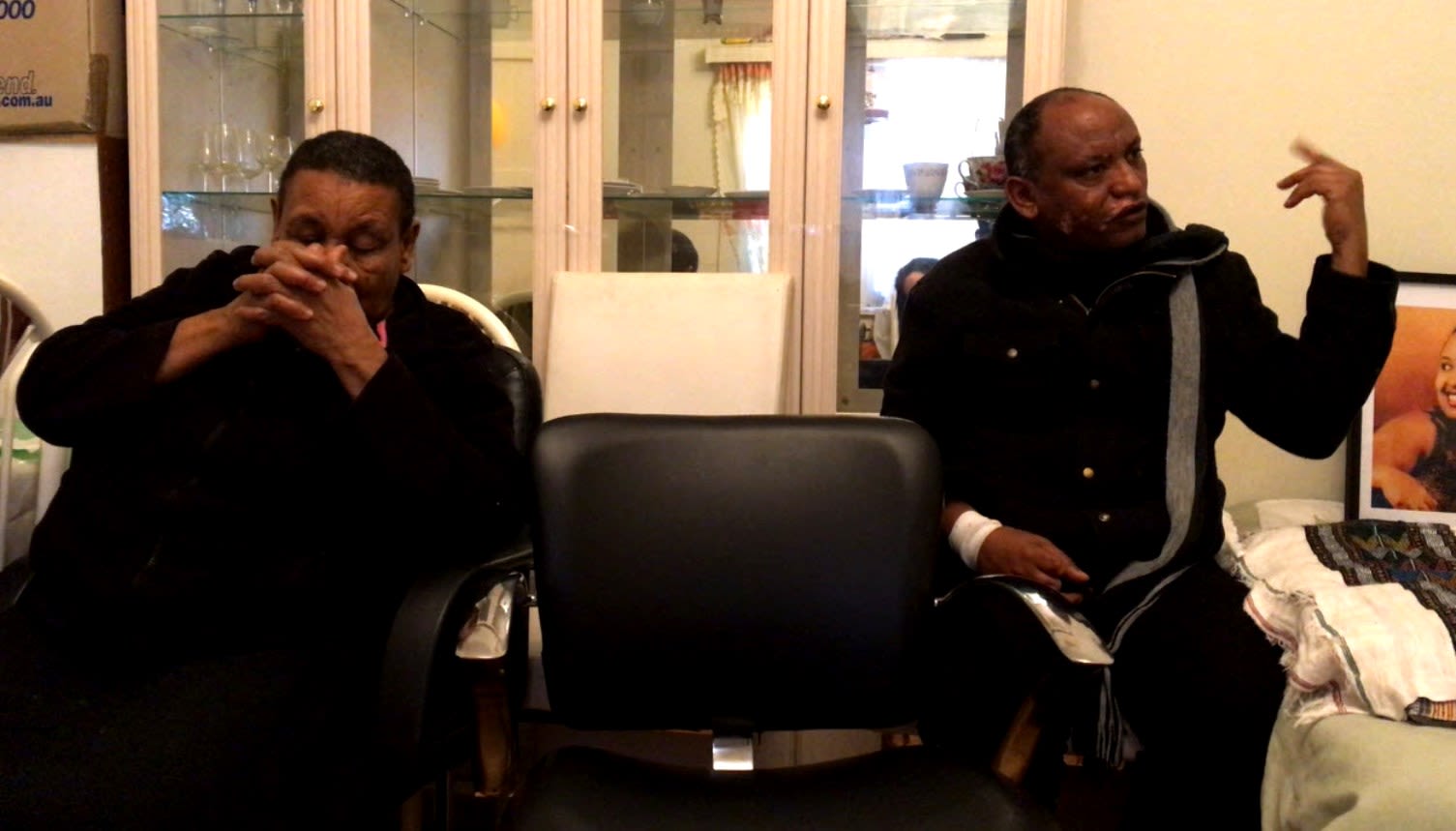
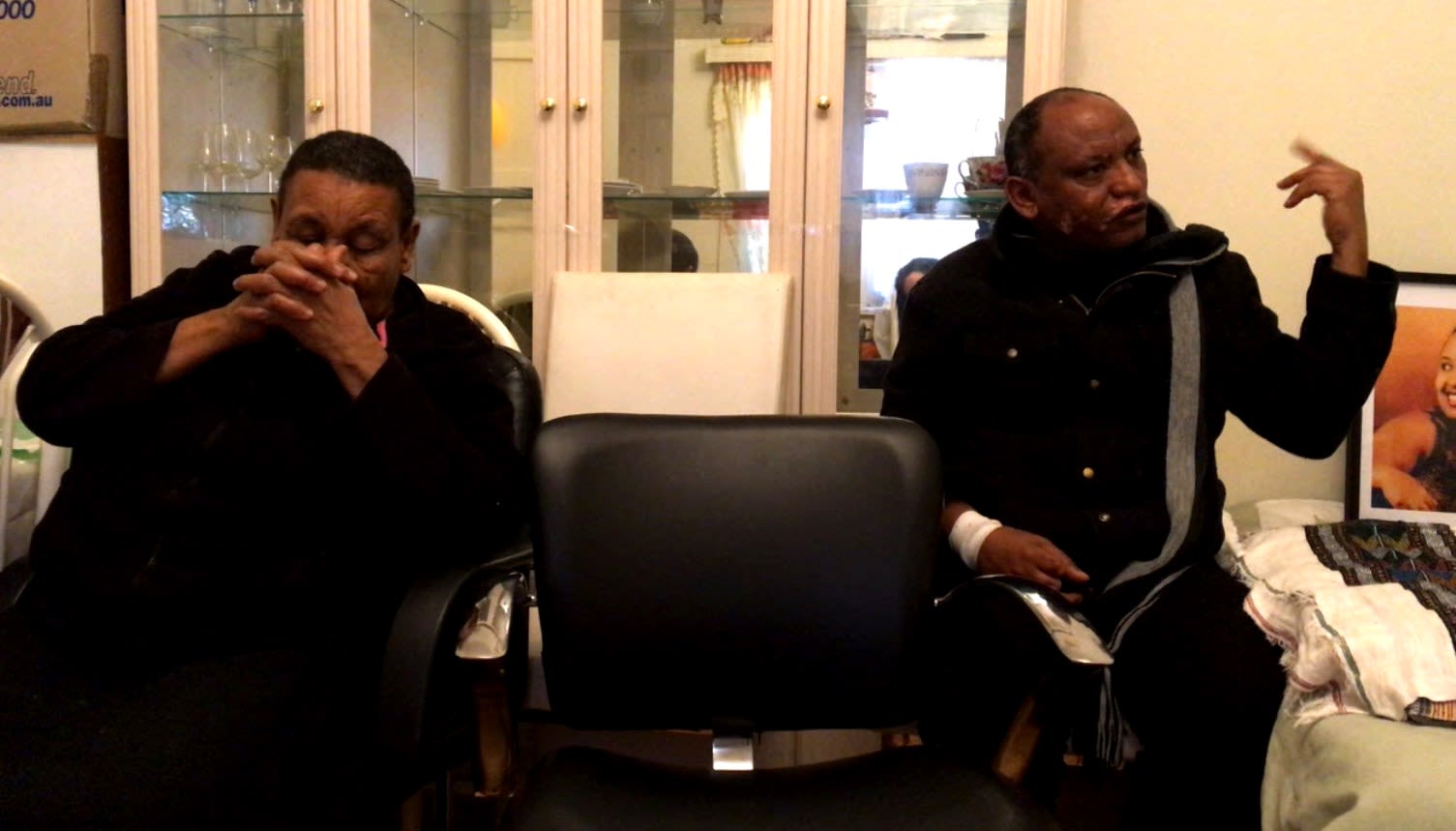
After Wubachi was killed her mother and brother came to Australia from Ethiopia. SBS visited them the day before the sentencing in September 2016.
Understanding little about the process, they were nervous and very vocal. Wubanchi’s mother, Asnaku Kebede, said: “What I want is justice. I don’t want him to be released. I will be delighted if they sentence him for life in prison. I would like the Australian government to investigate the case properly and deliver a verdict.”
The following day, September 16 2016, family, friends and the media gathered at the NSW Supreme Court in Sydney’s CBD.
There wasn’t an interpreter arranged for the relatives of the victim at the NSW Supreme Court in Sydney’s CBD to translate from English to Amharic language. The court, following the usual procedures, had arranged one for the accused.
In order to assist Wubanchi’s relatives, at the request of the court, the interpreter volunteered to do the interpretation of the sentencing judgment.
It was unfortunate that the interpreter arrived late and the court couldn’t wait for him as the judge had a different matter listed in another court at 10 am. The interpreter arrived at 9.55 and it was agreed he would interpret the judgment with a written copy later on that day.
During the sentence reading the language barrier contributed to the victim’s relatives’ and friends’ sadness and anger.
The sentencing concluded with relatives and friends crying, yelling and complaining and police escorting them from the building.
A group of Ethiopian women said they had lost faith in Australia’s justice system.
They said the sentence sent a message to Ethiopian men in Australia that they could kill their wives and serve a few years in prison, and to Ethiopian women that the system won’t protect them.
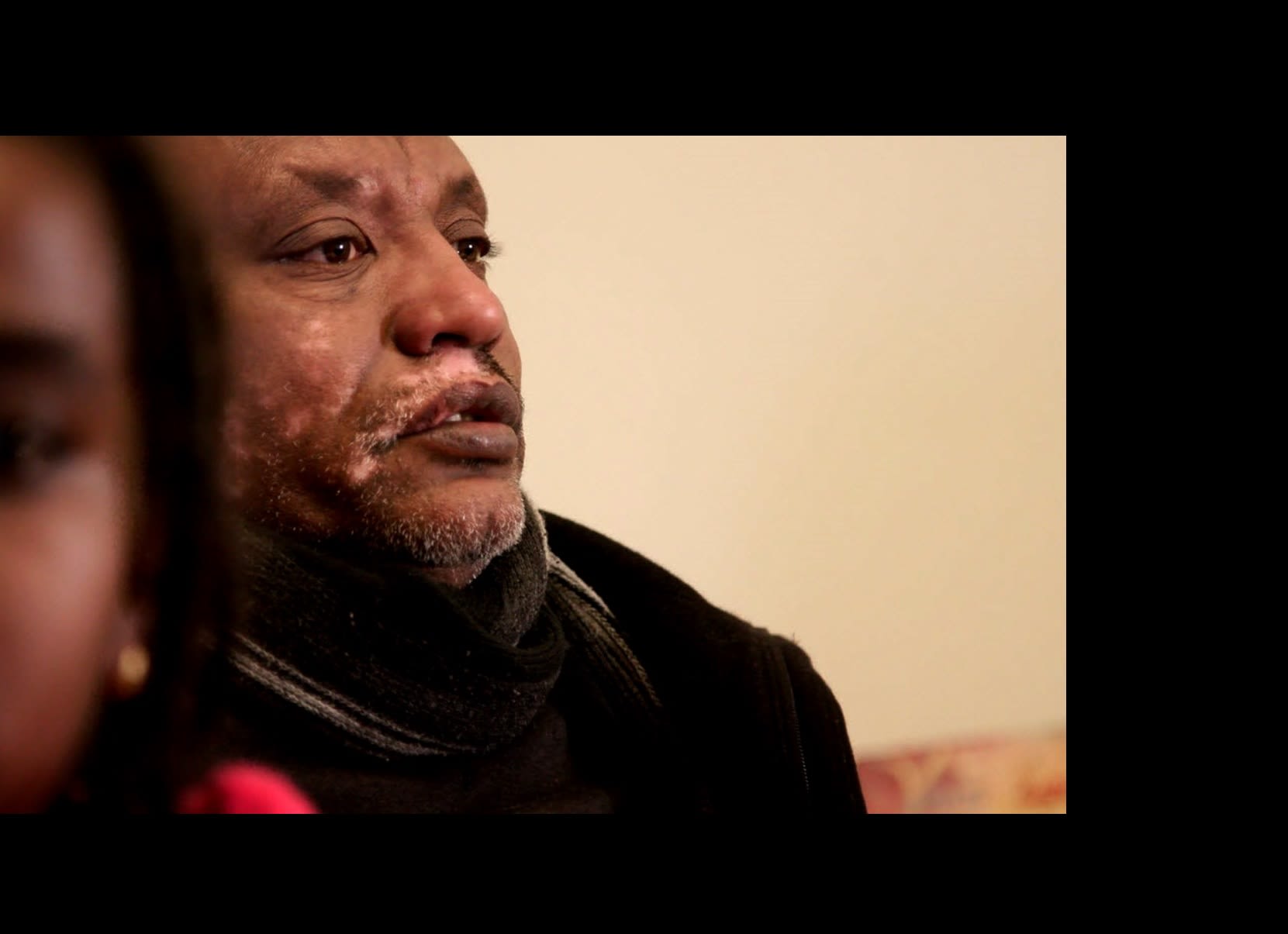
Outside the court, the media filmed a desperate mother and brother crying and complaining in a language they couldn’t understand.
Wubanchi's mother asked SBS journalists:
“Who killed her? I want justice from the Australian government. If there is a government in Australia I will get justice. To whom am I going to tell this?”
But the voices of the victim’s mother and brother went unheard, as the media interviewed relatives and friends who could speak English.




---Nobody appealed the sentence---
For some it’s still unclear why the Prosecutor (DPP) didn't appeal the sentence.
In Australia, the Prosecution process includes the right to appeal the sentences for both the accused and the Prosecution, within 28 days from the sentence reading.
The office of the Office of the Director of Public Prosecutions (ODPP) didn't want to comment about the crime investigation or the fact that the sentence wasn’t appealed, stating their job is to prosecute crimes in NSW, not to investigate crimes, and appeal only when there is an error:
"A prosecution is undertaken after police have investigated a matter and established the evidence that supports the alleged crime. (…) Appeals in criminal prosecutions are undertaken on the basis of the law alone. That is, the prosecution has to be able to prove that there was an error in law in either a ruling, or in a sentencing."
Detective Phillp told SBS that he was disappointed with the verdict, but that Justice McCallum had been “very fair”, and so he didn’t suggest (or present further evidence for) a sentence appeal.
“I can't fault the judge. She was very fair, and she is a very good judge. I've had her on previous occasions and I can't fault her, and I couldn't fault her for this one.”
The day before the sentence reading SBS spoke to Wubanchi’s mother and brother with the help of an interpreter about the judicial process.
They didn’t know who to turn to, and didn’t understand the language, the system, where to find representation, or how to make their thoughts and feelings heard.
Almost five years after Wubanchi’s killing, they’re still in the dark. They don’t understand what happened in court, or why no one appealed against the sentence.




Just before closing the interview with the child witness, SBS asked her how she felt about her father being released from prison in April 2019.
“I'm scared he's going to come for me but I don't want him. I want to be with my grandma and my uncle. It shouldn't have been only five years, it should have been longer.
“I don't think it was the right choice to give him five years, because my mum still died; it should have been more.”

As SBS publishes this story,
two staff members of Corrective Services NSW
have recently visited Wubanchi Asefaw's mother to confirm Solomon’s release from prison in April 2019,
under community supervision.

Author
Florencia Melgar
Video editing
Esther Lozano
If you or someone you know is impacted by sexual assault, domestic or family violence, call 1800 RESPECT on 1800 737 732 or visit 1800RESPECT.org.au
In an emergency, call 000. For more information about a service in your area, download the DAISY app in the App Store or Google Play.
If you’re suffering from mental health issues and need immediate support, contact: Lifeline 13 11 14 - Beyond Blue 1300 22 4636 - MensLine Australia 1300 78 99 78.