Share
4 unexpected jobs already being stolen
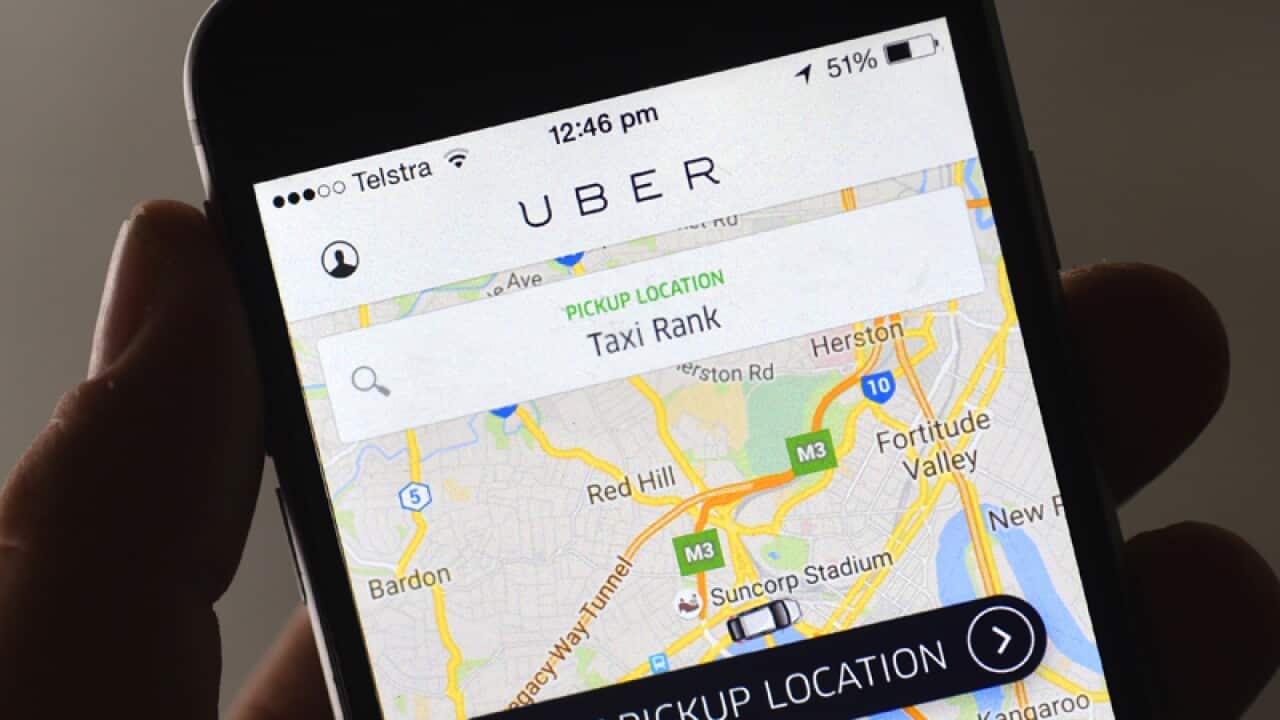
1. Drivers Perhaps the most obvious one on the list, really. Car companies – and Uber – are putting a lot of reasources into developing self-driving cars and trucks. Meanwhile in Pilbara, Rio Tinto's remotely controlled driverless trucks have already been shuttling ore for nearly a year. Driverless technology is advancing fast, and it will have a massive impact not just on the price of cab charges or Uber rides – which could fall by over 80% – but also on how we think of cars. Your car would be able to park itself, drop the kids of at school without you, or take you home when you're blind drunk. If we get automated self-driving networks, we might even do away with car ownership altogether - and same goes for public transport. Google has been testing these little pod-like self driving cars on US roads. They predict commercialisation within four years. 2. Publishers and movie producers With the advent of streaming services and e-books, more data about users' content consumption habits is available than ever before. Decisions on which books to publish or movies to greenlight can now be based on data, rather than the judgment of highly paid publishers and producers. Companies like Jellybooks use the data from e-book consumers to give publishers detailed information on reading habits, such as whether users finish a book, how long they take to read a book, and which chapters they might pause on. Publishers can use that information to determine whether to commisison a print run, or whether to publish a sequal. In the same way, Netflix uses the data it collects to determine what sort of content to greenlight. Prior to commissioning House of Cards, the company knew that Kevin Spacey films were popular with its users, that viewers streamed director David Fincher's work from beginning to end, and that the British version of the series had been highly rated. "Executives at the company knew it would be a hit before anyone shouted 'action'" the New York Times reported. Frank and Claire Underwood from House of Cards. 3. Pharmacists At the University of California in San Fransisco, a robot fills out prescriptions. Computers receive relevant prescription information and the robots package and dispense the drugs. Developers say that the robot pharmacist is less likely to make errors and may be better able to detect whether multiple medications will have an adverse impact on each other. . 4. Retail, postal, and bank staff With the development of self-checkout technology and advances in contactless payment systems, jobs at store checkouts are more at risk of automatisation than they've ever been. When was the last time you actually interacted with a person at your local Coles, as opposed to a "please scan your items" device? A study by the University of Oxford has indicated that sales related jobs and service jobs are most at risk. “Our findings imply that as technology races ahead, low-skilled workers will move to tasks that are not susceptible to computerisation — i.e., tasks that required creative and social intelligence,” the paper says. “For workers to win the race, however, they will have to acquire creative and social skills.”