
The climate club
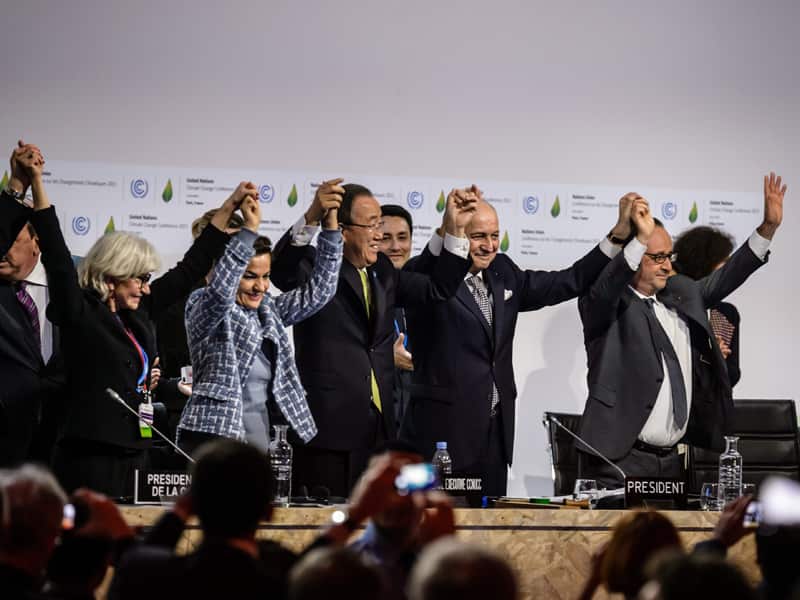
A total of 196 nations, including the Palestinian authorities, have endorsed the agreement and 147 have officially ratified it.
The accord entered into force in record time on November 4, 2016, when it crossed the threshold of 55 ratifying parties representing 55 percent of global greenhouse gas emissions.
China, the world's number one greenhouse gas polluter and Europe, number three after the US in second place, recommitted to the Paris Agreement Thursday.
The biggest polluter not to have ratified the deal is Russia (number five after India).
Bindingness
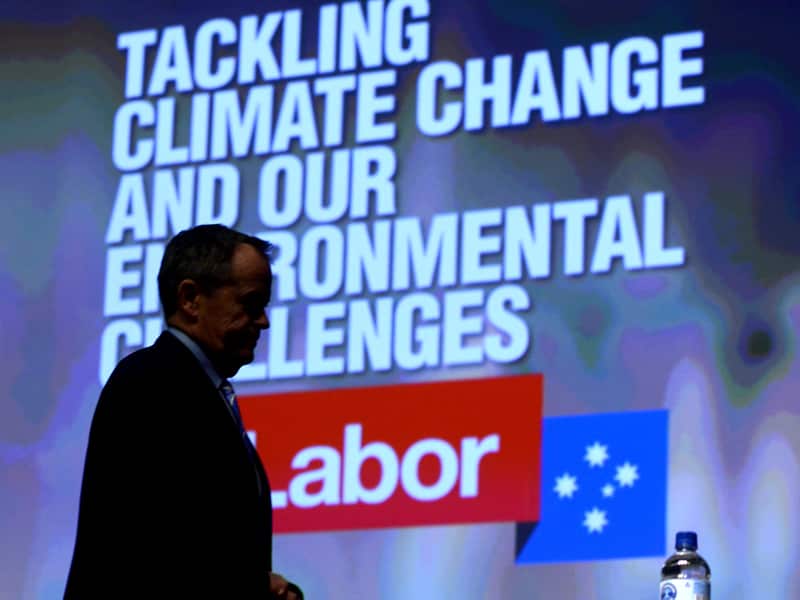
The agreement makes provision for parties to withdraw, but notice can be given only three years after its entry into force in 2016. The actual withdrawal would take effect a year later - meaning 2020 if the Trump administration uses this option.
A country can also withdraw from the 1992 UN Framework Convention on Climate Change, under whose auspices the deal was negotiated. Withdrawal would take effect a year after notification.
The goal
Image
Nations agreed to hold global warming to "well below" two degrees Celsius over pre-Industrial Revolution levels, and to strive for a limit of 1.5 degrees Celsius.
The lower goal was a demand of poor countries and island states at high risk of climate change effects such as rising sea levels.
But experts say even the two-degree ceiling is a tall order, requiring an immediate and deep reduction in planet-warming emissions from burning fossil fuels - an industry with major influence in Washington.
Based on voluntary emissions-cutting pledged by countries so far, the planet is on track for warming of about three degrees, many scientists say - a recipe for possibly catastrophic floods, storms, drought and ocean-level increases.
Without the US administration on board, the goal may move even further out of reach.
Financing
Image
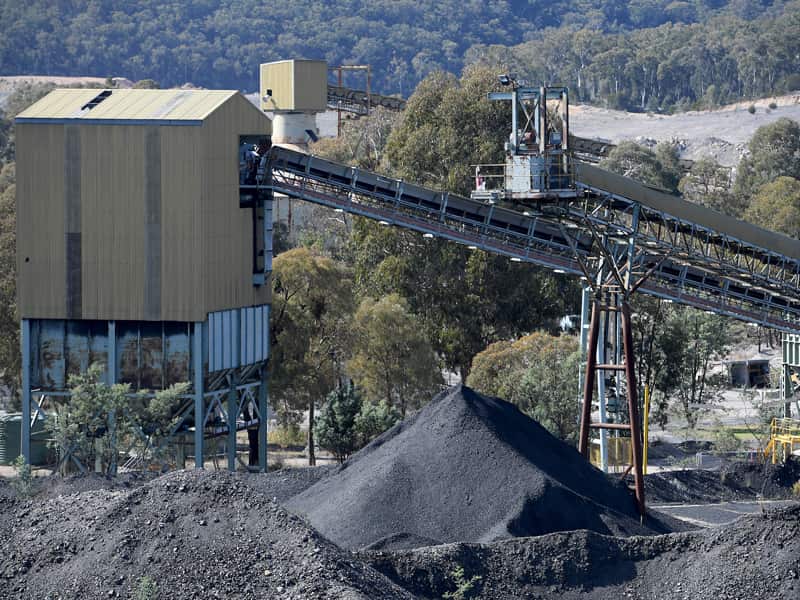
Rich countries are expected to provide funding to help developing countries make the costly shift to cleaner energy sources and to shore up defences against the impacts of climate change.
Donor nations must report every two years on their financing levels - current and intended.
In a nonbinding "decision" that accompanies the agreement but is not included in it, the $100 billion (89 billion euros) per year that rich countries have pledged to muster by 2020 is referred to as a "floor" - meaning it can only go up.
The amount must be updated by 2025.
According to an OECD report, pledges made in 2015 alone would boost public climate financing (excluding private money) to $67 billion in 2020.
But Trump has hinted that the United States, which had pledged $3 billion towards the Green Climate Fund, of which it delivered $1 billion under Barack Obama, will not honour its financing commitments.



