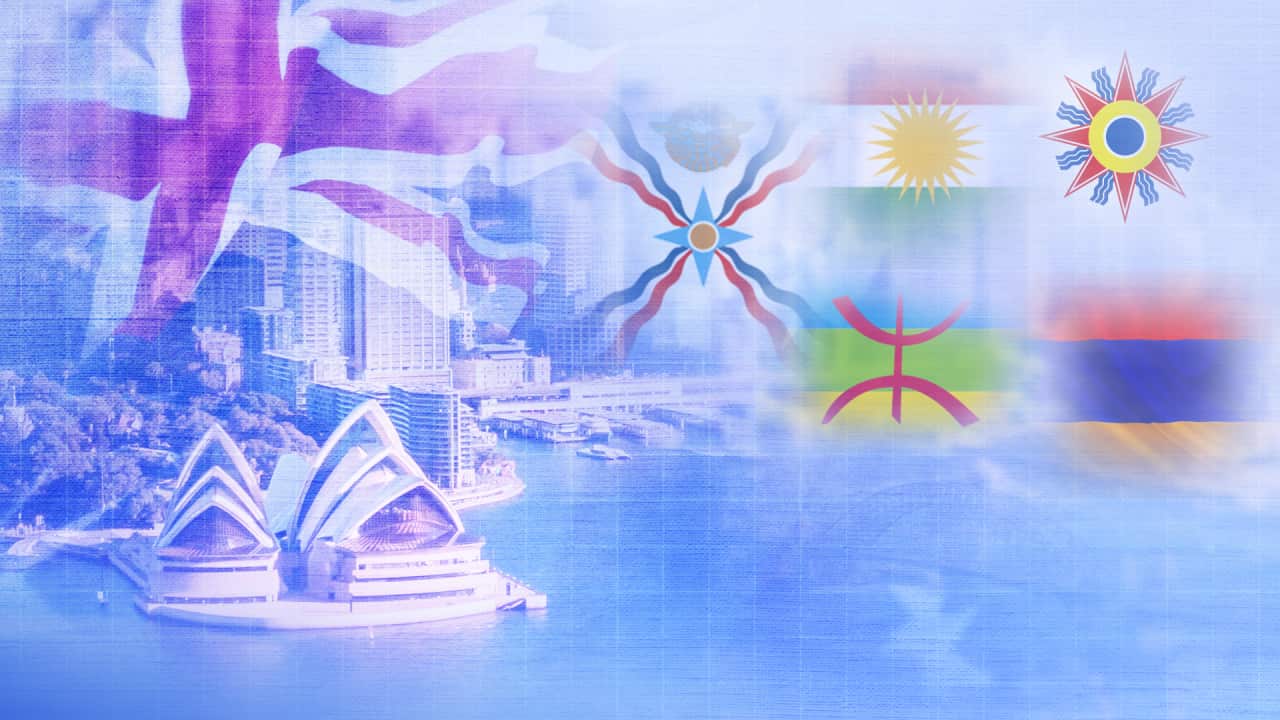

For many members of Arabic-speaking communities, identity cannot be reduced to a single label. A shared language does not always mean a shared background. Behind the Arabic language are communities with distinct histories, including Assyrians, Armenians, Kurds, Chaldeans, Amazigh and others, each with their own traditions and memories. In the opening episode of SBS Arabic's 'Different but One', we attempt to uncover the uniqueness of each layer of these identities and how these ethnicities are building a harmonious future in Australia.
For Iraqi-Australian community advocate Basim Shamoun, identity begins with belonging. Born in Baghdad, he grew up in an Iraqi family with Chaldean and Assyrian heritage. He says his Iraqi identity remains central, while he also values the different backgrounds that shaped his family.
We left behind difficult experiences, but Australia gave us the opportunity to choose our identity and be proud of it.Iraqi Australian community advocate, Basim Shamoun
He believes migration has highlighted similarities between communities that may have been separated by history or politics. Cultural traditions, food, music and celebrations often reveal shared connections.
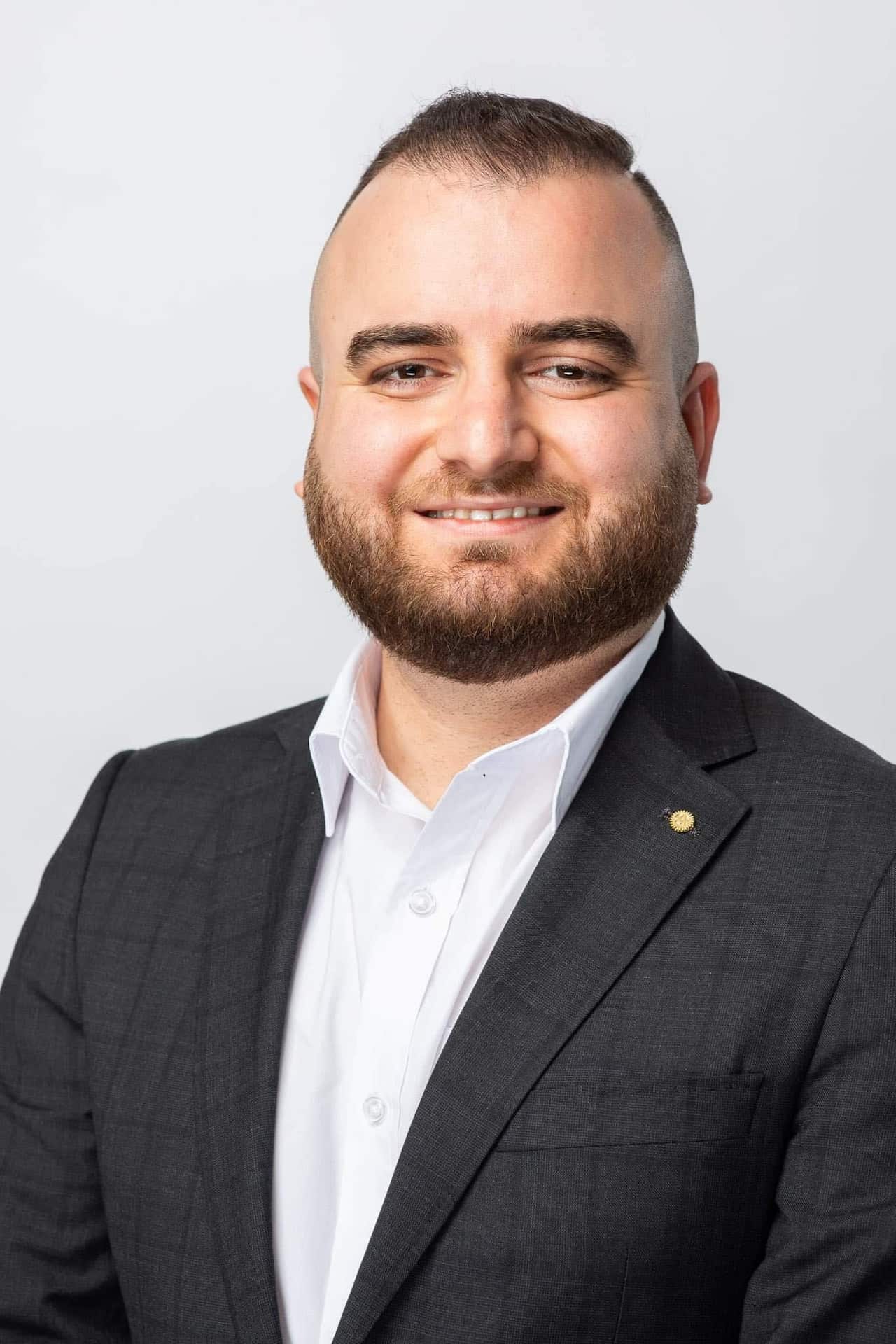
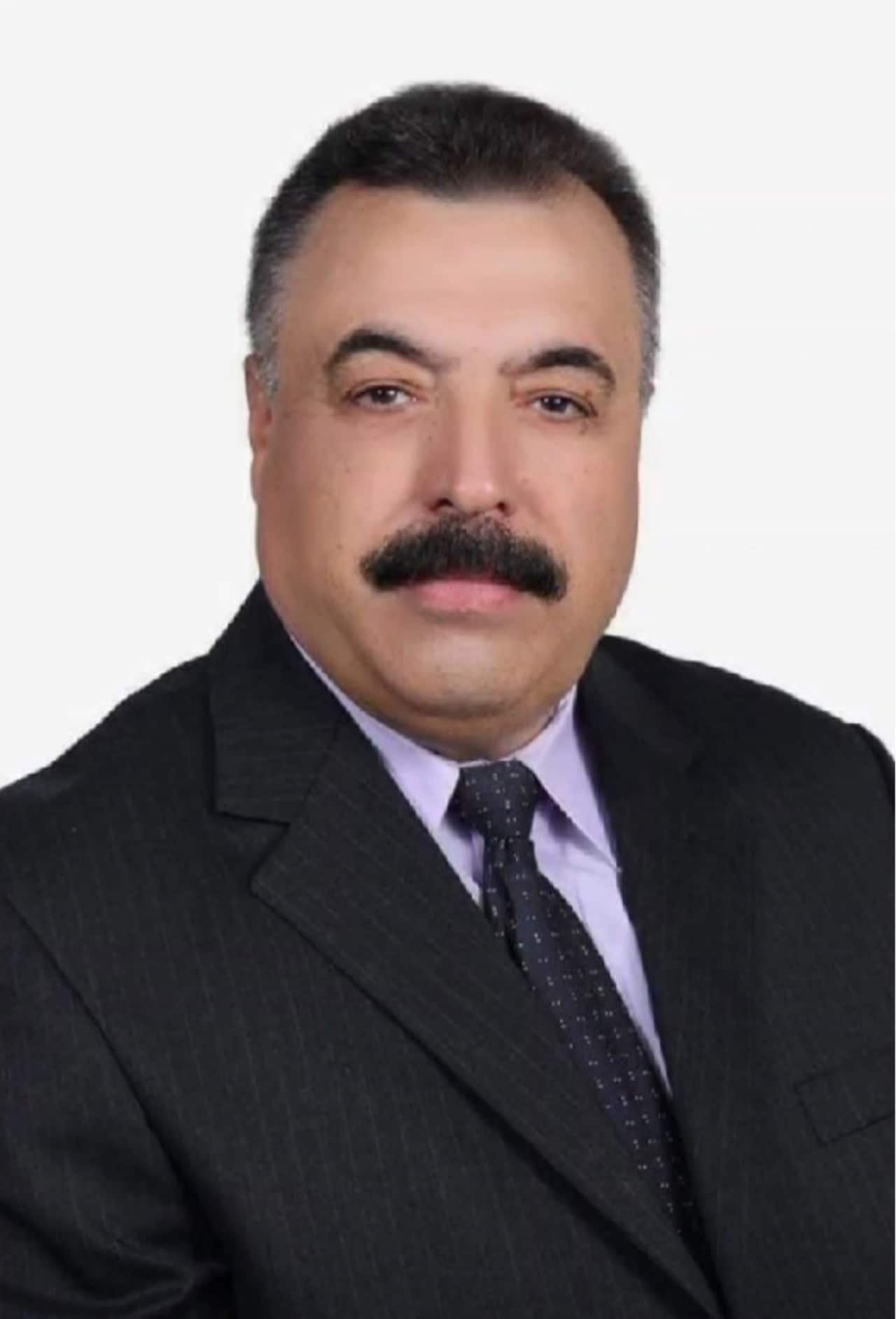
For Assyrian Australians, identity is closely linked to a long history in Mesopotamia. Hermiz Shahin, President of the Assyrian National Council of Australia, says the Assyrian community carries the memory of an ancient civilisation as well as the experiences of displacement and persecution.
Our history is not only a story of civilisation and achievement; it is also a story of suffering, resilience and survival.President of the Assyrian National Council of Australia, Hermiz Shaheen.
Shahin says preserving language and culture remains important, but so is building relationships with other communities in Australia. “We all share common human values,” he says, arguing that ordinary people have more in common than the conflicts that have often divided them.
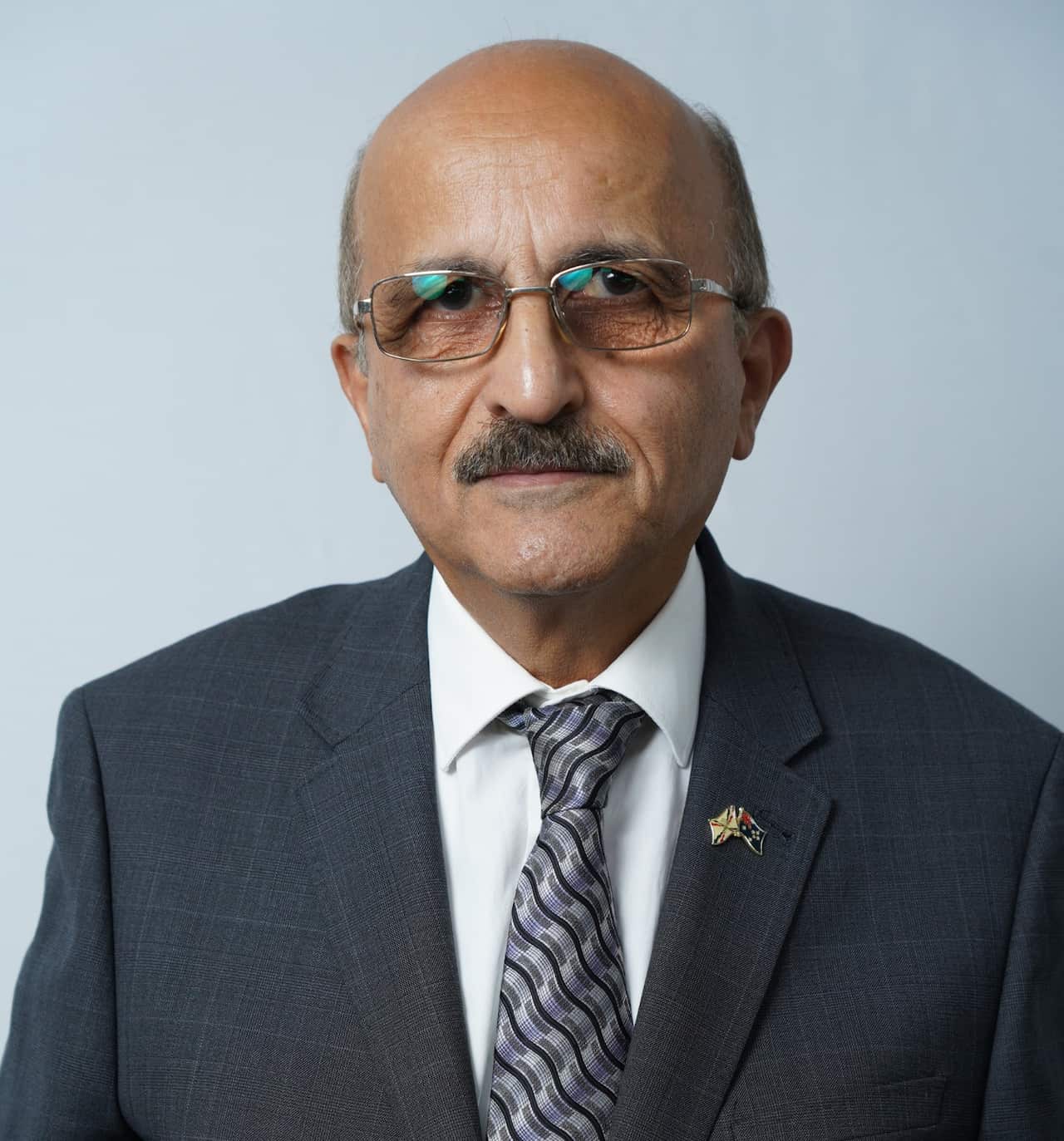
Kurdish-Australian journalist Dr Shorsh Ali Ahmad says diversity has always been part of the region’s history. Kurdish communities have lived alongside Armenians, Assyrians, Arabs and others for generations. In Australia, these connections continue through shared participation in cultural and religious occasions, from Newroz celebrations to Christmas events.
The differences that separate communities are often created by politics, not by ordinary people.Kurdish Australian journalist, Dr Shorash Ali.
Armenian-Syrian-Australian George Najarian's experience reflects how migration can reshape the way people understand identity. Coming from Aleppo, he says Australia introduced him to communities from the wider Middle East that he had not fully encountered before, including Assyrians and other minority groups. For him, multicultural Australia became a place where different histories and identities could exist side by side, creating a sense of familiarity far from home.
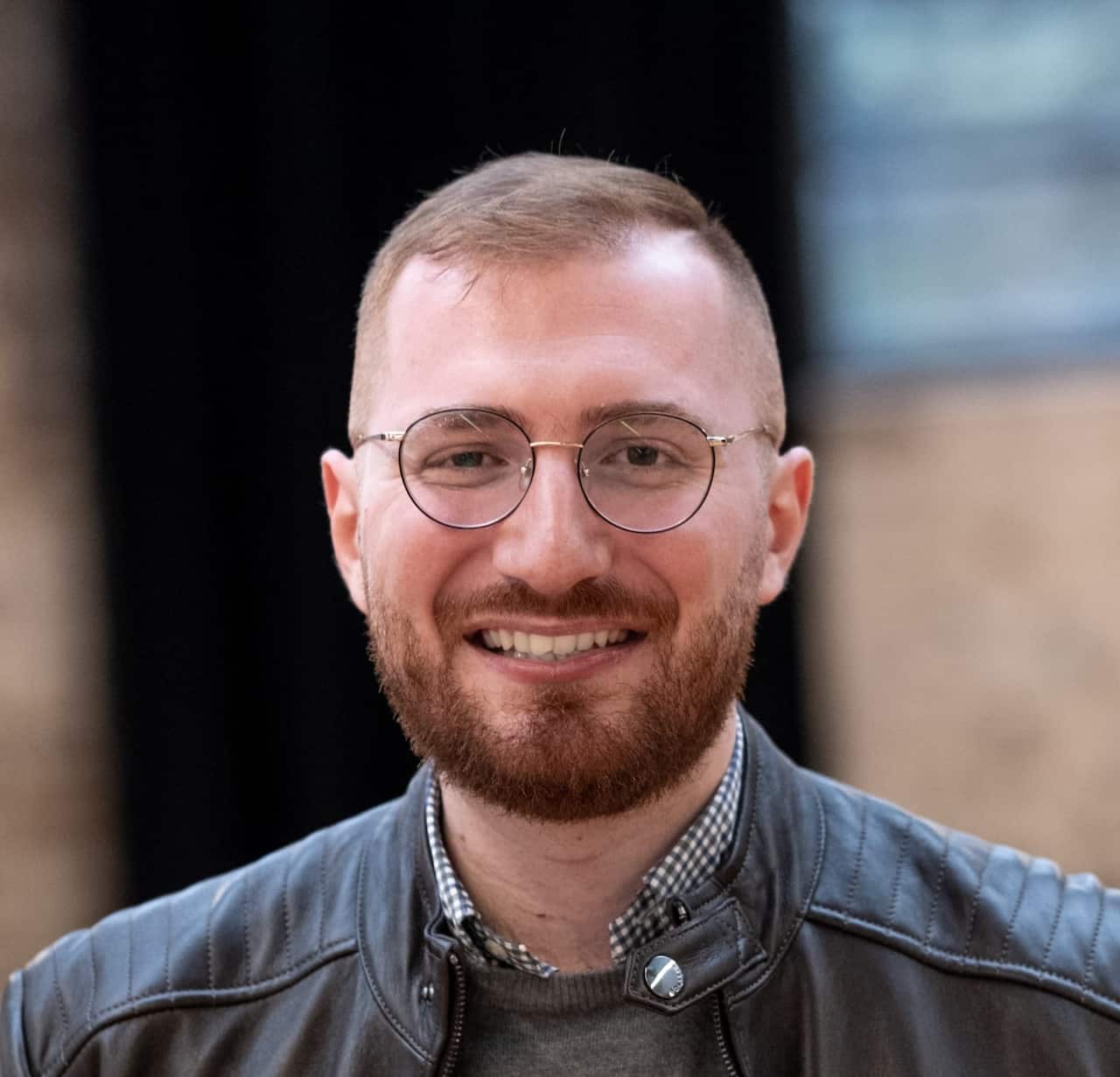
In Australia, I discovered parts of my own region I had not known beforeArmenian-Syrian-Australian George Najarian
For Moroccan-Australian community member Amina Ifes, diversity is a strength. Proud of her Moroccan identity and Amazigh heritage, she says Australia provides an opportunity for people to learn from cultures different from their own.
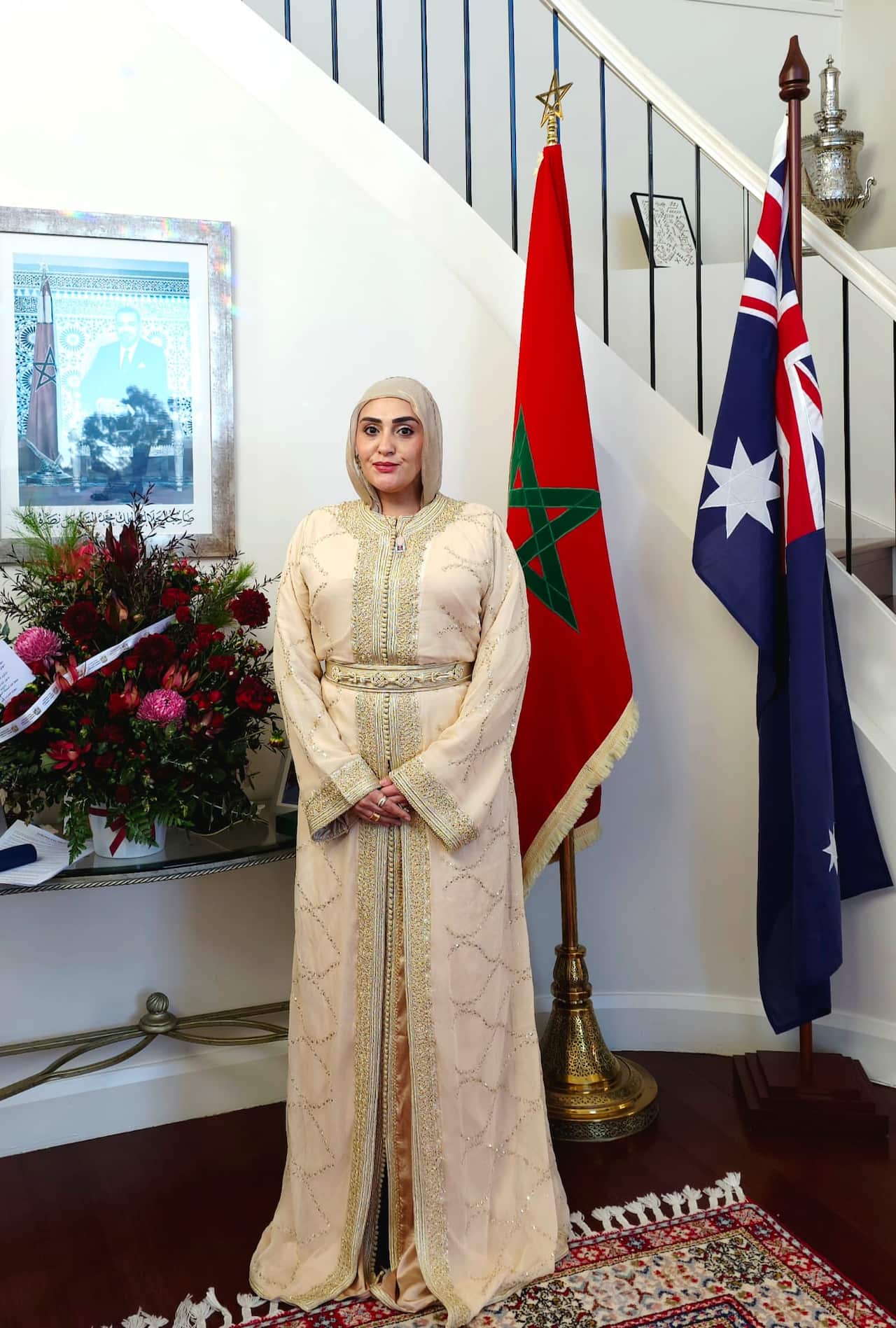
Our children are learning that there are many cultures and communities, and that accepting others is part of the future.Moroccan-Australian community member Amina Ifes
In a country shaped by migration, the challenge is not to remove differences, but to understand them. The experiences of these communities show that people can maintain their heritage while sharing a common future.
Listen to the podcast on our website and on all your favourite podcast platforms.
Subscribe to the SBS Arabic YouTube channel to see the latest Australian stories and news.




