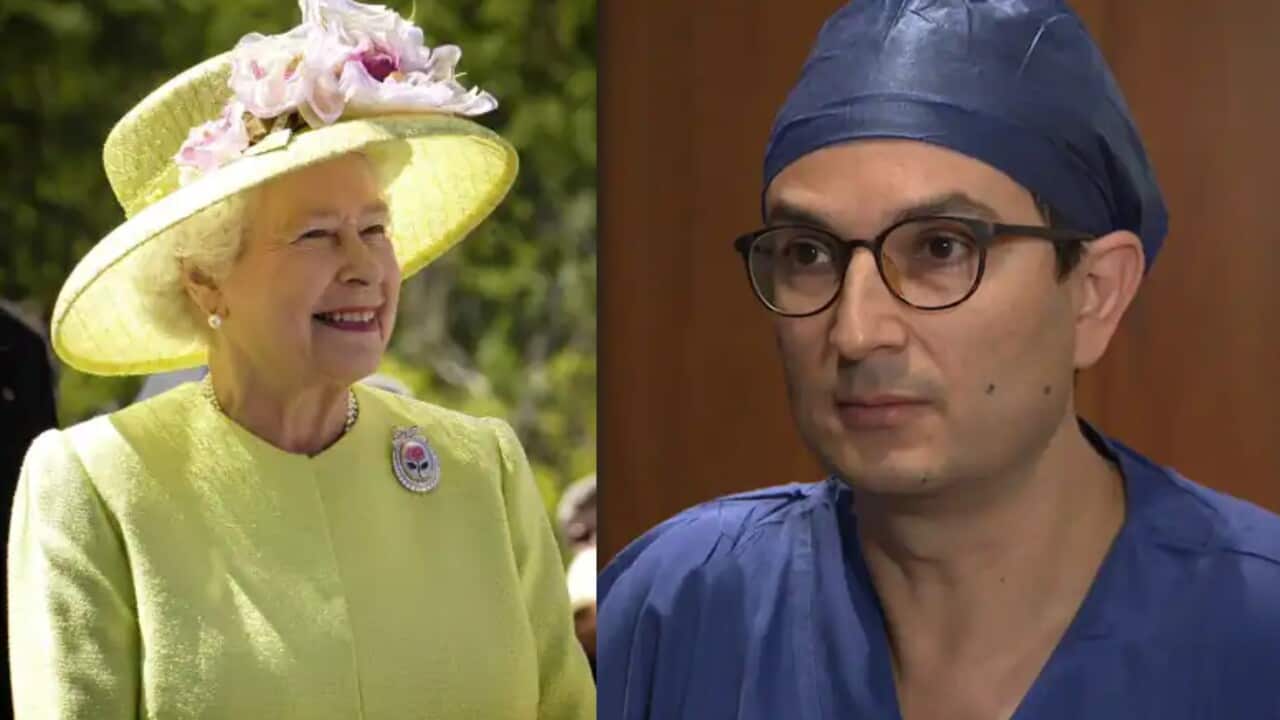

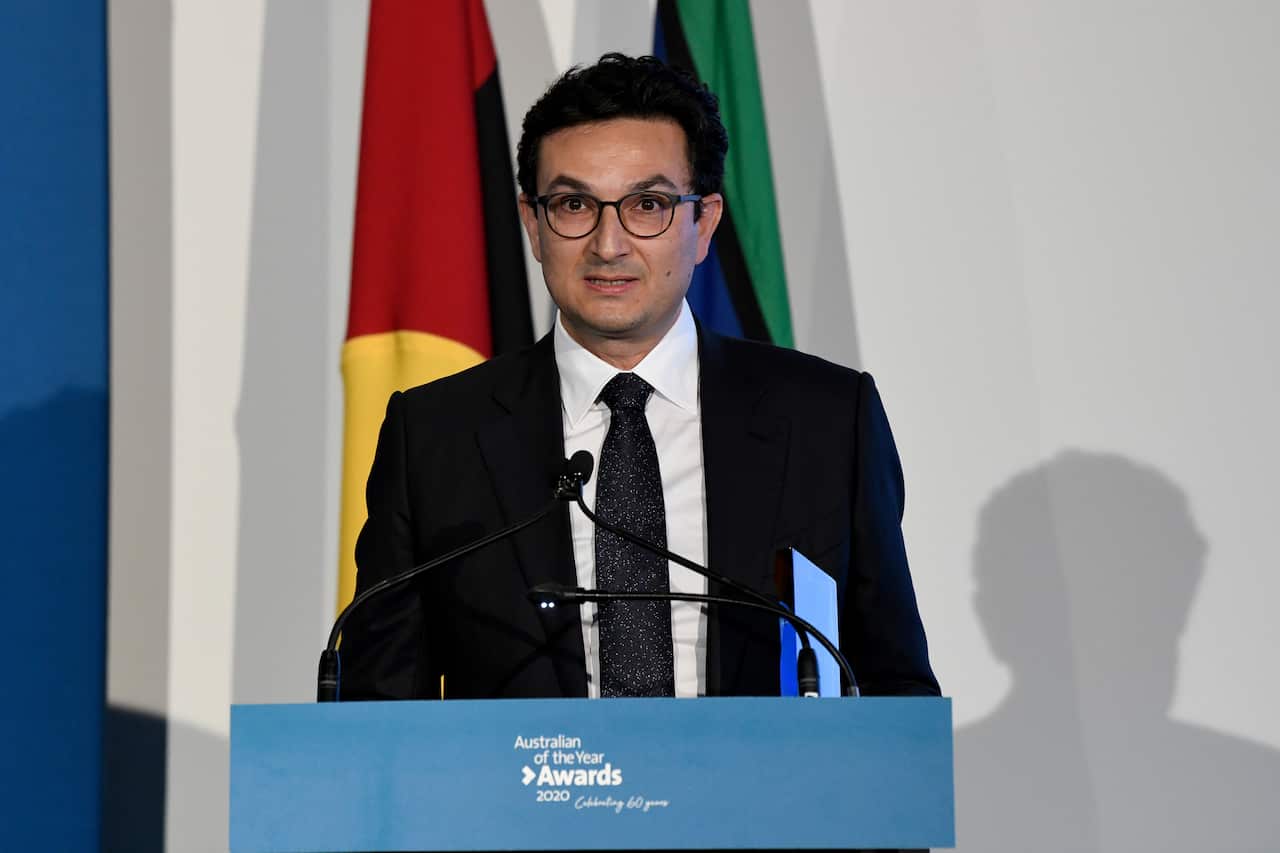
Dr Munjed Al-Muderis, a former New South Wales “Australian of the Year” and outstanding surgeon in the fields of orthopedics and prosthetics, describes meeting Queen Elizabeth II in 2014 at Windsor Castle.
Key Points
- Dr Al-Muderis is a world-famous prosthetics' surgeon
- He fondly recalls the late Queen's simple and natural style on meeting her nine years ago
- Dr Al-Muderis has performed thousands of operations mostly on soldiers injured in wars
In the wake of the passing of the longest-serving monarch, Queen Elizabeth II, an Iraqi-Australian surgeon reflects on his meeting with her in 2014.
Dr Munjed Al-Muderis specialises in prostheses for mainly military personnel with his operations changing lives for the better both in Australia and throughout the world.
Dr Al-Muderis conducted surgery on British soldiers and officers who had lost limbs during military operations in Afghanistan and Iraq.
For this important work, he received official thanks from Queen Elizabeth's grandson Prince Harry, who met him several times both in Australia and Britain.
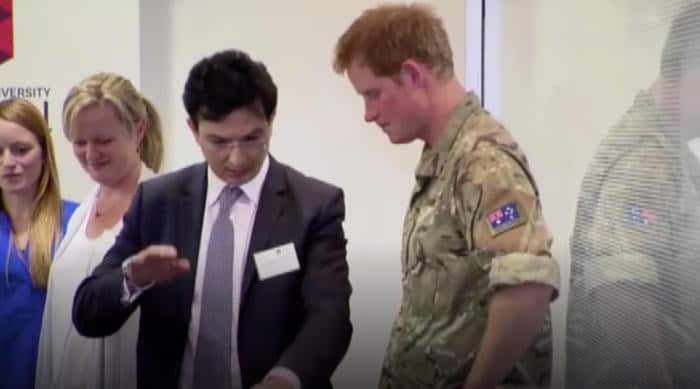
In 2014, Dr Al-Muderis was invited to Windsor Castle where a ceremony was held to honour British soldiers and officers, including military personnel he had treated.
He says he had been honoured by the occasion and that he still treasured the “red invitation card embossed with gold” that he had received ahead of the ceremony.
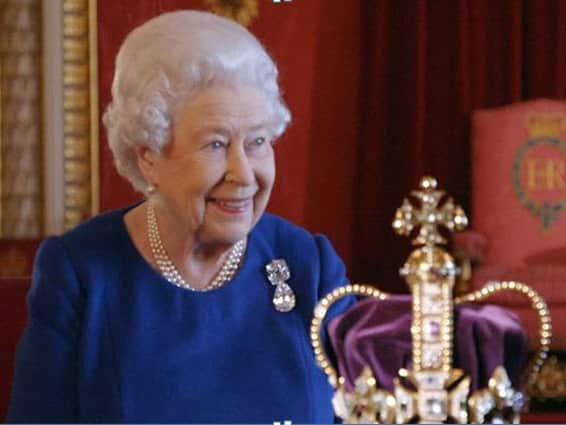
He describes the late Queen Elizabeth II as “very modest and very natural in dealing with people.”
“She had grace and was extremely honest, simple and humble. This indicates her commitment to serving her people. This is a strong proof of the concept of her wise leadership.
“She was a pioneer in her field as the leader of the Commonwealth so people regarded her with respect."
Dr Al-Muderis, who fled to Australia in 1990 and spent months in an immigration detention centre in Derby in Western Australia, says that he had been immensely proud to see one of the soldiers he had treated walking in his military uniform in front of the Queen.
She hadn't known that the soldier was walking on two artificial legs, but as a doctor, Dr Al-Muderis says he had been concerned that the man might stumble and fall, which would have caused him great embarrassment in front of everyone.
“I had tears in my eyes and a mixed feeling of fear, dread and pride,” Dr Al-Muderis told SBS Arabic24.
He stressed that as a doctor of Arab origin, he did not differentiate between the injured in terms of their countries of origin.
“I was proud to represent my country and pray. This is proof of the communication of communities," he said.
"It is true that Britain was one of the countries that occupied Iraq, but when it becomes a matter of medicine and treatment, there is no difference."
We are all citizens and human beings, and we must all work to serve humanity.
Listen to the full interview in the podcasts at the top of the page.
Did you like the article? Listen to the “Australia Today” program from Monday to Friday from 3:00pm to 6:00pm Eastern Australian Time via digital radio and the Radio SBS app, which is available free of charge at Apple and Android.
Continue the conversation on our Facebook, Twitter and Instagram accounts.