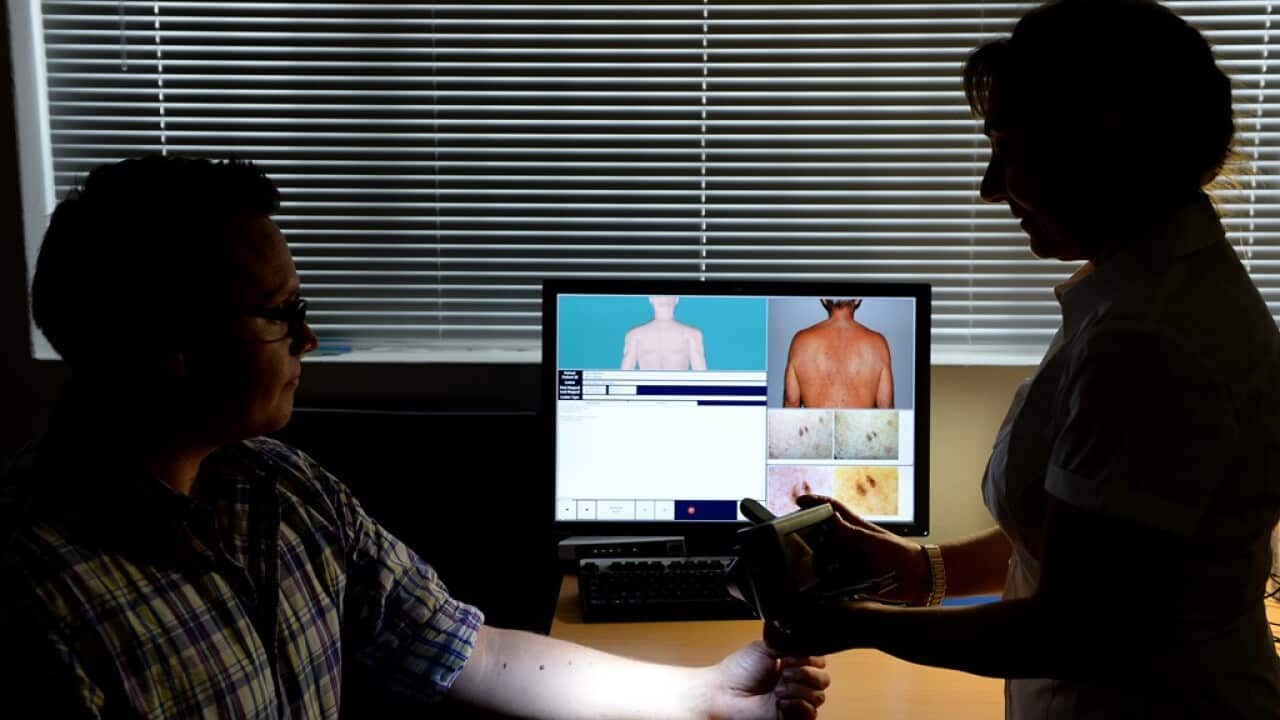
We spend most of summer in 'extreme' UV conditions but slapping on sunscreen isn't enough. Here's what you can do about it.By Terry Slevin Source: The Conversation8 Dec 2015 - 3:52 PM UPDATED 9 Dec 2015 - 9:46 AM Alongside the days high and low temperatures, weather reports generally contain a UV alert for a particular time. But what does it actually mean and what should you do about it? Ultraviolet light is a form of radiation invisible to the human eye. Ultraviolet wavelengths of sunlight are made up of UVB, which has shorter wavelengths (of 290 to 320 nanometres) and higher energy, and UVA, which has longer wavelengths (320 to 400 nm) and lower energy. Both types of UV damage skin cells and both are thought to contribute to skin cancer. But UVB causes sunburn and UVA contributes more to ageing and penetrates deeper skin layers. It is estimated that 7,220 cases of melanoma 63% of the total number in Australia in 2010 and all of the 750,000-plus non-melanoma skin cancers were due to exposure to our high-UV climate. The Ultra Violet Radiation Index (UVI) has been around for more than 20 years and gives a measure of the intensity of the sun, using both UVA and UVB. The World Health Organisation recommends protecting our skin from the sun when the UVI is 3 or higher. So the alert applies to the block of time the UVI is 3 or above though the course of any day. UVI 12 is low, which generally means its safe to be outdoors unprotected.
We spend most of summer in 'extreme' UV conditions but slapping on sunscreen isn't enough. Here's what you can do about it.By Terry Slevin Source: The Conversation8 Dec 2015 - 3:52 PM UPDATED 9 Dec 2015 - 9:46 AM Alongside the days high and low temperatures, weather reports generally contain a UV alert for a particular time. But what does it actually mean and what should you do about it? Ultraviolet light is a form of radiation invisible to the human eye. Ultraviolet wavelengths of sunlight are made up of UVB, which has shorter wavelengths (of 290 to 320 nanometres) and higher energy, and UVA, which has longer wavelengths (320 to 400 nm) and lower energy. Both types of UV damage skin cells and both are thought to contribute to skin cancer. But UVB causes sunburn and UVA contributes more to ageing and penetrates deeper skin layers. It is estimated that 7,220 cases of melanoma 63% of the total number in Australia in 2010 and all of the 750,000-plus non-melanoma skin cancers were due to exposure to our high-UV climate. The Ultra Violet Radiation Index (UVI) has been around for more than 20 years and gives a measure of the intensity of the sun, using both UVA and UVB. The World Health Organisation recommends protecting our skin from the sun when the UVI is 3 or higher. So the alert applies to the block of time the UVI is 3 or above though the course of any day. UVI 12 is low, which generally means its safe to be outdoors unprotected.