“Աւստրալիոյ կը պակսի իր պատմութեան կարեւոր մէկ մասը"

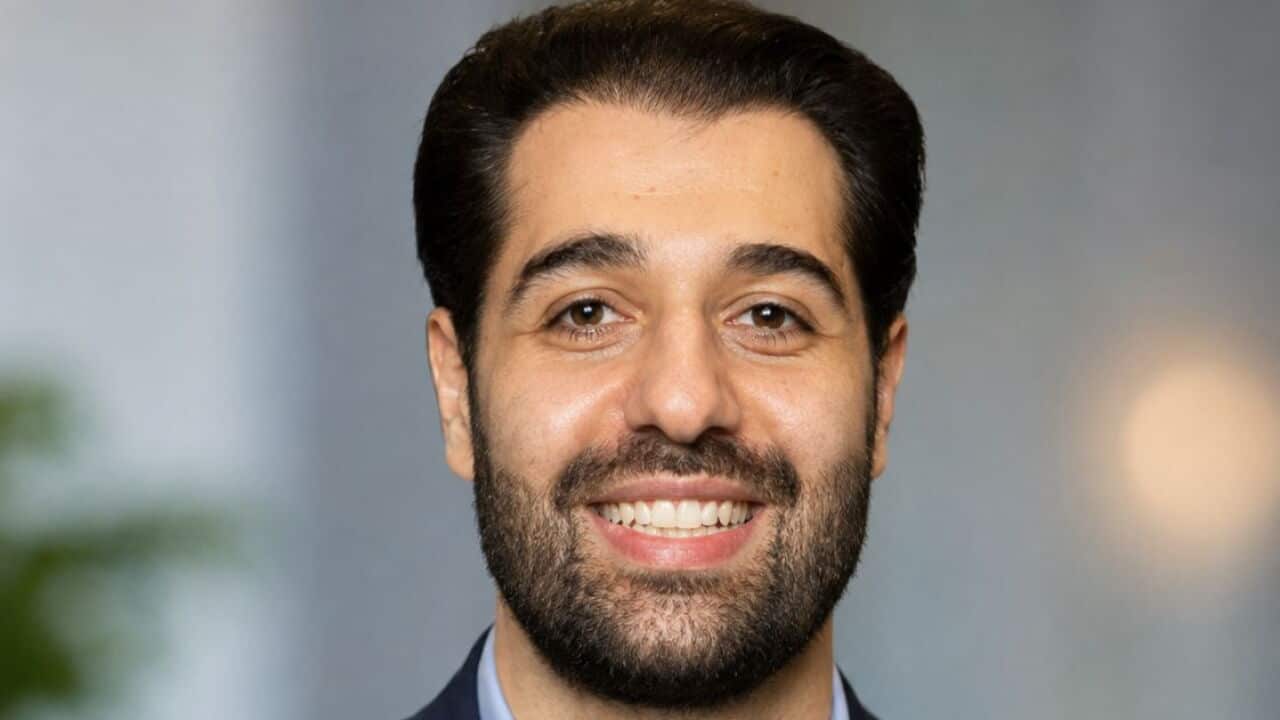
Dr Kritikakos.jpg

Dr. Themistocles Kritikakos.

Հարցազրոյց աւստրալիացի յոյն պատմաբան Թէմիսթոքլէս Քրիթիքաքոսի հետ իր ուսումնասիրութեան վերաբերեալ որ կը վերաբերի Աւստրալիոյ հայ, յոյն և ասորի համայնքներու միասին աշխատանքին, ցեղասպանութեան ճանաչման համար:


The Greek Australian community will commemorate the genocide of Greeks this week, and in Sydney, the keynote speaker will be Dr. Themistocles Kritikakos, to talk about his PhD thesis on intergenerational memory and the genocide recognition efforts of Armenians, Greeks, and Assyrians in Australia. Dr. Themistocles is with us to talk about his research. Dr. Themistocles, welcome to SBS Armenian.

Mr. Vahe Kateb, thank you for having me on your show. It's an honour to be here.

Dr. Themistocles, a bit about you. You are a historian. You have taught at Melbourne University and also the Australian Catholic University.

So I'll, I'll start with, my research, because I came across this topic. I became interested in genocide studies, learning about the Holocaust in high school and the Armenian genocide. I was particularly interested in the history of the Armenian genocide over the years, the genocide recognition efforts, and the issue of, of genocide denial. As the Greeks and Assyrians were also affected, I focused on their experiences as well, and that was during the time my, my PhD thesis. I looked at the, the recognition efforts of Armenians, Greeks, and Assyrians in Australia, how trauma is passed down from one generation to the other. I graduated from the PhD in history at the University of Melbourne at the end of twenty twenty-one. I worked also as a research assistant at the Australian Catholic University and have also taught at the University of Melbourne in the Holocaust and Genocide Studies.

A bit more about details about your PhD thesis. So it's a topic that me and my listeners relate to deeply. How did you approach the subject, and, did your research, especially the intergenerational memory section, did you interview descendants?

It's correct. My PhD thesis focused on the... not only the genocide recognition efforts of Armenians, Greeks, and Assyrians in Australia the past twenty years. It examined the legacy of violence and traumatic past across time and place within the Greek and Assyrian, community, within families, and particularly within families. I looked at how subsequent generations are affected by the traumatic experiences of their ancestors, the silence surrounding the past, how stories are passed on from one generation to the next, and the enduring impact of these traumatic experiences. So my research focused on the experience of the Greeks and Assyrians, given they are not well known in the genocide discourse. I conducted over seventy interviews with Greeks and Assyrians across Australia in Melbourne, Sydney, Brisbane, and Adelaide, and I'm currently writing my first book, which is based on my PhD thesis, and that will be published by Palgrave Macmillan in the next year.

And was it difficult or problematic to talk to descendants?

I think a lot of the descendants are deeply affected by what took place in the late Ottoman Empire, what happened to their grandparents, for instance. Many of the memories, particularly when it came to the, the Greeks, and even the Assyrians, many of these memories remained within families. Within families, the memories shared across generations were often shared through fragmented stories or they were hidden, which led to silence, and these memories had an impact on the everyday lives of members of these communities, in Australia in particular, the first generation, which includes survivors, those who experienced or witnessed the violence, they didn't speak about what happened often because of the trauma they experienced. The second generation didn't ask questions. They... It led to the third generation, usually the grandchildren of survivors, who started to ask questions or tried to find out more about their family history. Usually immigrants had to try and forget about the past and adapt to a new environment, but they faced the enduring impact of the past. The subsequent generations, they felt a sense of responsibility to deal with the unresolved traumas of their ancestors, and the impact of past violence is transmitted across generations and carried over even with migration. And silence, which is one way, for survivors to manage their traumatic experiences, was an issue for the future generations who witnessed the grief of survivors or through passing comments, noticed that they experienced something that was very traumatic in the late Ottoman Empire. Subsequent generations demonstrated that they were impacted by the memories or the silence of these traumatic experiences.

Dr. Themistocles, when talking about Greeks, the majority, they're, descendants of, Pontian Greeks and Greeks from Smyrna, or there are other regions as well?

Yes. So the Greeks, usually the ones I interviewed, and the Greeks that, have discussed their traumatic experiences, are usually from Asia Minor more broadly. So Pontos is one part of Asia Minor, but the Greeks I, I interviewed were, were not only from Pontos, but the rest, other parts of Asia Minor, so the rest of Asia Minor, and also from Eastern Thrace. So there's a mix of Pontos, Asia Minor, and Eastern Thrace, who, who I've interviewed, and their descendants have all been affected in different ways, but usually the common pattern is family memory, how memory, is-... transmitted from one generation to the next, and the silence around these traumatic experiences.

You mentioned the three, communities working together for a genocide recognition. I think it gave good results, especially in South Australia and, only recently, a week ago in, Tasmania.

Yes. I think for several decades, genocide recognition was an Armenian matter, and the Greeks and Assyrians, who are also dealing with other traumas, have only started to become active on the matter since the nineteen nineties and early two thousands. Um, I would argue that although each community may remember the events of the late Ottoman Empire in their own way, and they may represent their own experiences through commemorative events, for instance, this has really changed in more recent years. And we see that when Greeks and Assyrians started sharing their memories with the Armenians, who are already active on the matter, they were able to identify a common experience and produce new memories of the past. They were also able to establish new forms of solidarity that have directed their genocide recognition efforts. A shared form of remembrance has therefore been established between the three communities, and with the Joint Justice Initiative, starting in two thousand and twenty, the cooperation has been formalized, and the links between the three communities have been strengthened further. It's become even more important for the three communities, given Assyrians are still stateless and experienced other instances of genocide, and the Armenians today are also reliving the traumas of genocide from the late Ottoman Empire with the events in Artsakh.

Have you studied the official federal recognition of the genocides of Armenians, Greeks, and Assyrians, and how Australians, you know, remember the Gallipoli campaign?

Yes, my research should cover this. Australia's modern identity, as we know, is based on the history around Gallipoli and the Gallipoli campaign during the First World War, especially, it focused on the reconciliation with Turkey. So the shared history between Australia and Turkey doesn't take into account the Australian connection to the Armenians, Greeks, and Assyrians. I remember a Greek interviewee with origins from Gallipoli once said to me, "Australia is missing an important part of its history." So as we know, the Armenian genocide started a day before the Australian and New Zealand Army Corps, the ANZACs, landed on Gallipoli on the twenty-fifth of April, nineteen fifteen, and the week before the landing, thirty-two thousand Greeks from Gallipoli were deported by the Young Turks. None remained after the end of the First World War. Australians who provided humanitarian aid to Armenian, Greek, and Assyrian survivors have been honored at commemorative events of Greeks, Armenians, and Assyrians, in Australia, and the link between Australia and the three communities is part of Australian international history. So Australian humanitarianism is the link that connects Armenians, Greeks, and Assyrians to modern Australia. And the descendants of the survivors believe their ancestors' experiences should be part of the Australian historical memory. They believe, there should be recognition, or genocide recognition from the Australian federal government, and there's an aim to achieve justice on behalf of their ancestors.

Dr. Themistokles, I think you mentioned before at the start, you are working on a new project, a new book?

Yes, that's correct. So it will be based on my PhD thesis, but it will be quite different at the same time. The book is titled Armenian, Greek, and Assyrian Genocide Recognition in Twenty-First Century Australia: Memory, Identity, and Cooperation, and it'll be released by Palgrave Macmillan as part of the History of Genocide series. I think the, the importance of the research is that the, the matter of genocide recognition is something that's constantly, developing. The efforts are, are constantly developing and evolving, so there are different ways that we remember the past in the sense that everyone has a connection within their own families, and these events impact individuals, family members, members of the communities, and they also link up to other victim communities as a result. And these are also connected to the political activism that, has led to the genocide, recognition in South Australia, New South Wales, and Tasmania, with the ultimate goal of recognition from the Australian, federal government. So it's something that is ongoing, in terms of the topic, and the, the book will also cover more recent developments as well and it is in the field of memory studies in, in particular, as well as genocide studies.

Dr. Themistokles, thank you very much for your time and the interview. It was a pleasure talking to you. We'll talk again when you publish your book.

Thank you, Mr. Kateb. It's an honour to be on your show. Thank you.

END OF TRANSCRIPT

Share

Follow SBS Armenian

Download our apps

Watch on SBS

SBS Armenian News

Watch it onDemand

Watch now