
This panel discussion is part of SBS Assyrian's celebration of NAIDOC Week.
Key points:
- What is the Uluru Statement from the Heart?
- How can the stories in music and hip-hop help us understand the aims of the Uluru Statement?
- The importance of media representation as truth-telling for FIrst Nations communities.
- What can our community do to support the Uluru Statement from the Heart, and generally, First Nations communities in Australia?
In the spirit of NAIDOC Week, where the theme is “Always was, Always will be”, SBS Assyrian held a panel discussion with three young Assyrian-Australians to discuss how and why Assyrians living in Australia should build solidarity with our First Nations communities and support the Uluru Statement from the Heart’s Call to Action.
The panel is one of the first public conversations about how the Assyrian Australian community can support the struggle for constitutional recognition of Aboriginal and Torres Strait Islander people in Australia, and build solidarity with First Nations communities.
SBS Assyrian was joined by Dr Daniel Tower (PhD, University of Sydney), scholar of religious indigeneity; Diana Khezeqia, Production Manager of National Indigenous Television (NITV)’s News and Current Affairs Team; and Lolita Emmanuel, musician, musicologist and teacher at the University of Sydney.
Dr Daniel Tower discussed the significance of the Uluru Statement from the Heart as an invitation to makarrata, a negotiation between First Nations' people and the colonial government for a process of healing from historical and present trauma and developing a way forward.
Dr Tower pointed to parallels in the experience of dispossession and displacement of First Nations' people with the dispossession and displacement experienced by Assyrians as the indigenous people of Mesopotamia in their homelands. He argued that there is a lot for Assyrians - as Indigenous people of Mesopotamia - to learn from the process of developing the Uluru Statement from the Heart, and that we have a lot to celebrate with First Nations’ people of Australia.
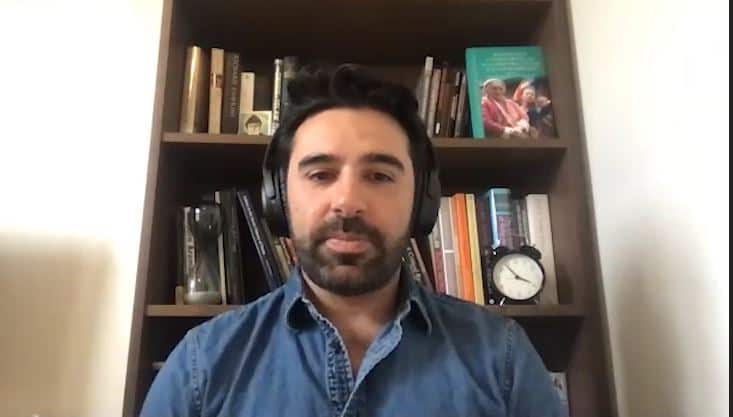
“The more we know, the more we know we don’t know”
Dr Daniel Tower
Musicologist and tutor at the University of Sydney, Lolita Emmanuel, argued that as Assyrians living in this land, we are responsible to re-educate ourselves about First Nations’ history and culture.
She pointed to a positive trend in the number of people within the Assyrian community growing vocal about the need to support the Indigenous communities in Australia, especially many young Assyrians.
Ms Emmanuel, who is also a singer and performer, spoke of her experience of learning about First Nations’ history and culture from various hip-hop artists through her work. She discussed the importance of hip hop as a musical form of storytelling, in that it gives a voice to marginalised people. By talking with and listening to the music of local hip hop artists, Ms Emmanuel realised how much was missing from her education about First Nations’ history, and how much more there is to learn.
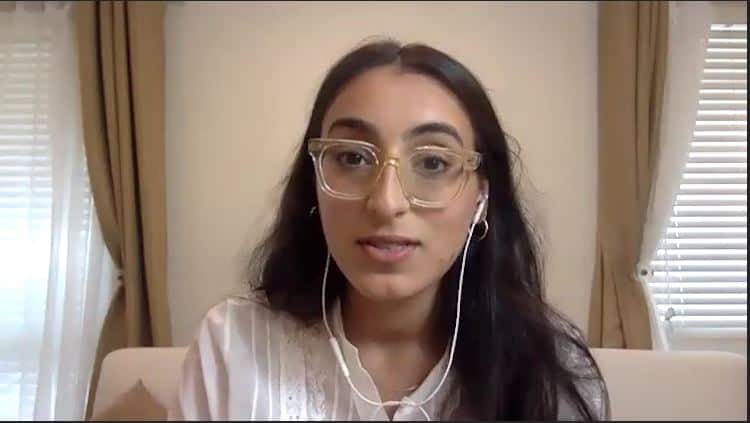
“Hip hop is a vehicle that allows truth telling”
Lolita Emmanuel
Diana Khesqia is a production manager at NITV, in their News and Current Affairs team. Ms Khesqia discussed the significance of media representation, particularly media run for and by First Nations’ people, as a form of truth-telling. Ms Khesqia discussed how such media allows for us to learn about the diversity of First Nations' people and cultures in Australia, and pointed to the shift in public awareness and perception of Aboriginal and Torres Strait Islander people since the inception of NITV and other First Nations’ media organisations.
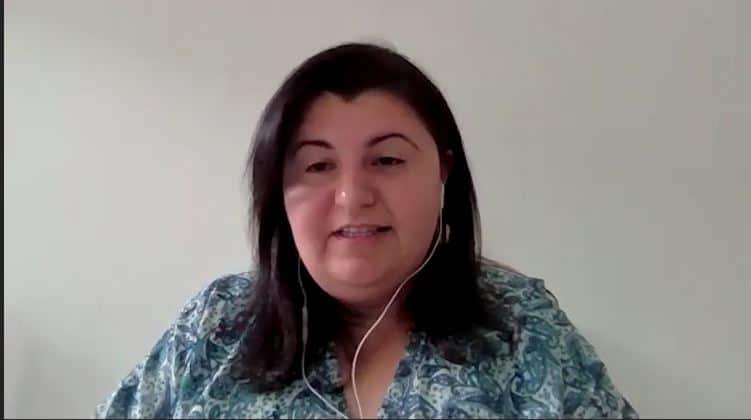
"Working at NITV was an eye-opener for me"
Diana Khezeqia
In conclusion, the panelists agreed that the first step we as Assyrians can take is to educate ourselves about 65,000+ years of history of First Nations’ people, our hosts on this land. They encourage Assyrian Australians to listen to First Nations’ elders and organisers about what we can do to support the work on the ground, and refer to the Call to Action of the Uluru Statement about practical ways to participate in the campaign for constitutional recognition and beyond.
Full discussion in English can be watched on the video below
SBS is dedicated to providing trusted reporting that keeps you informed about the COVID-19 outbreak in your language. This fact sheet compiles must-know information for everyone in the community.
If you are experiencing cold or flu symptoms, stay home and arrange a test by calling your doctor or contact the Coronavirus Health Information Hotline on 1800 020 080. News and information is available in 63 languages at https://sbs.com.au/coronavirus



