


In this Refugee Week segment, we interviewed Assyrian activist and Parenthood worker and advisor Emil Gharib, to talk about the problems that refugees face in Australia and how to overcome their trauma
Key Point
- What is trauma?
- Why refugees suffer trauma after arriving to their new country?
- Why should fugees reduce or eliminate bad memories from their past and live forward?
Mr Gharib has been working over a decade as single fathers’ consultant and been dealing with many people who came to Australia as refugees, helping them to find a better life and overcome their difficulties.
Mr Gharib says the theme of this refugee week is Unity, the way forward, that means we must be united and help each other in our life.
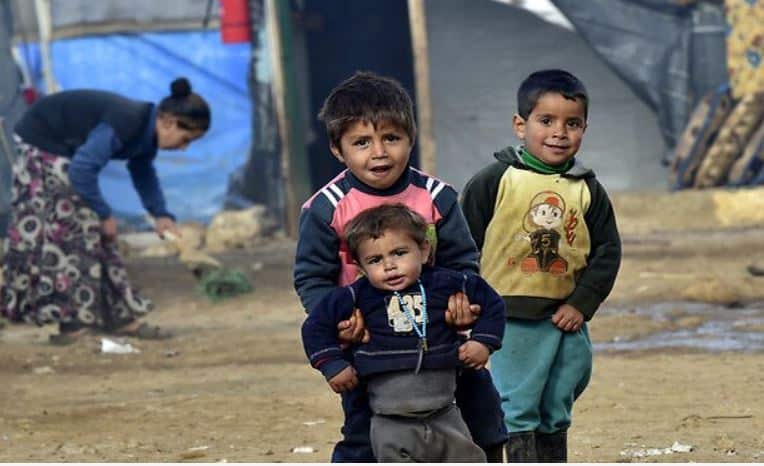
Mr Gharib says” We see many things in our life, but we don’t pay attention to, we take many things as granted”. Mr Gharib gives an example and says many parents consider having a healthy newborn baby as normal, they must realise it is not normal but a miracle. Therefor we must appreciate these things, to be positive in our life.
As for refugees, Mr Gharib says when refugees are displaced in different countries waiting to settle in one country, they don’t pay much attention to their sufferings because in their mind, there is a hope to reach their destination and settle in a new country with better life.
The moment they arrive to their new destination and after finding settlement, the trauma of years they spent running from country to country, the fear and torture they faced in their homeland and abroad, the year they lost from their life living in refugees’ camps, all these traumas start coming back to them.
Mr Gharib says there are many forms of trauma, leaving your country, moving out from your house is a trauma, when someone raises his voice at you is a trauma and so on.
We see many things in our life, but we don’t pay attention to, we take many things as granted.
Mr Gharib says "if we don’t try to get rid of these memories and events, they will always be living in our mind".
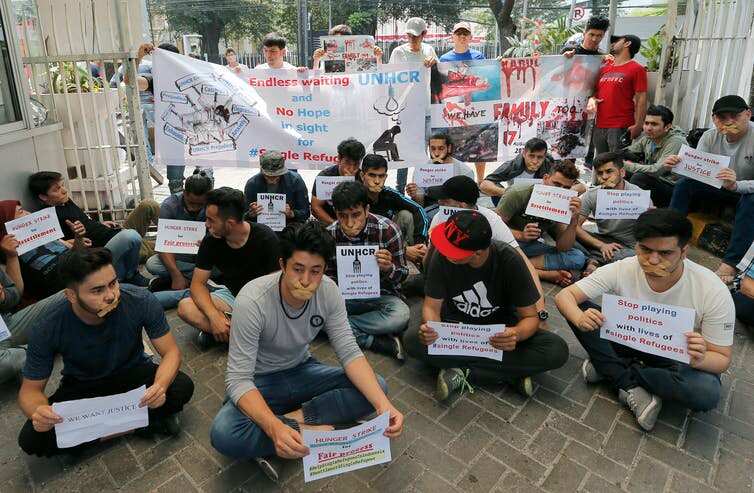
Mr Gharib believes that the first thing a refugee should do is look after his mental health. Mental health Mr Gharib says is the cause of many other health problems in our body.
Read more
In our community, we care about our physical health and try to be treated and recovered as soon as we can. When it comes to mental health, we seem to ignore it. That is a very wrong thing to do. "For example, when someone offer me sweets, I am not ashamed to refuse the offer and I tell him or her “sorry, but I have diabetes, I can’t take that”. But when it comes to a mental problem, we are always quiet about it and we never disclose our problem to others".
Mr Gharib says professional people who deal with depressed people are there to help by listening to what a people are upset about, their sorrow, depression and other problems.
Mr Gharib says when he sits with his clients, he never tells them what to do but advise them where and how to find solutions.
For more information about refugee week visit
https://www.refugeeweek.org.au/
https://www.roads-to-refuge.com.au/refugees-australia/supporting-arrival.html