
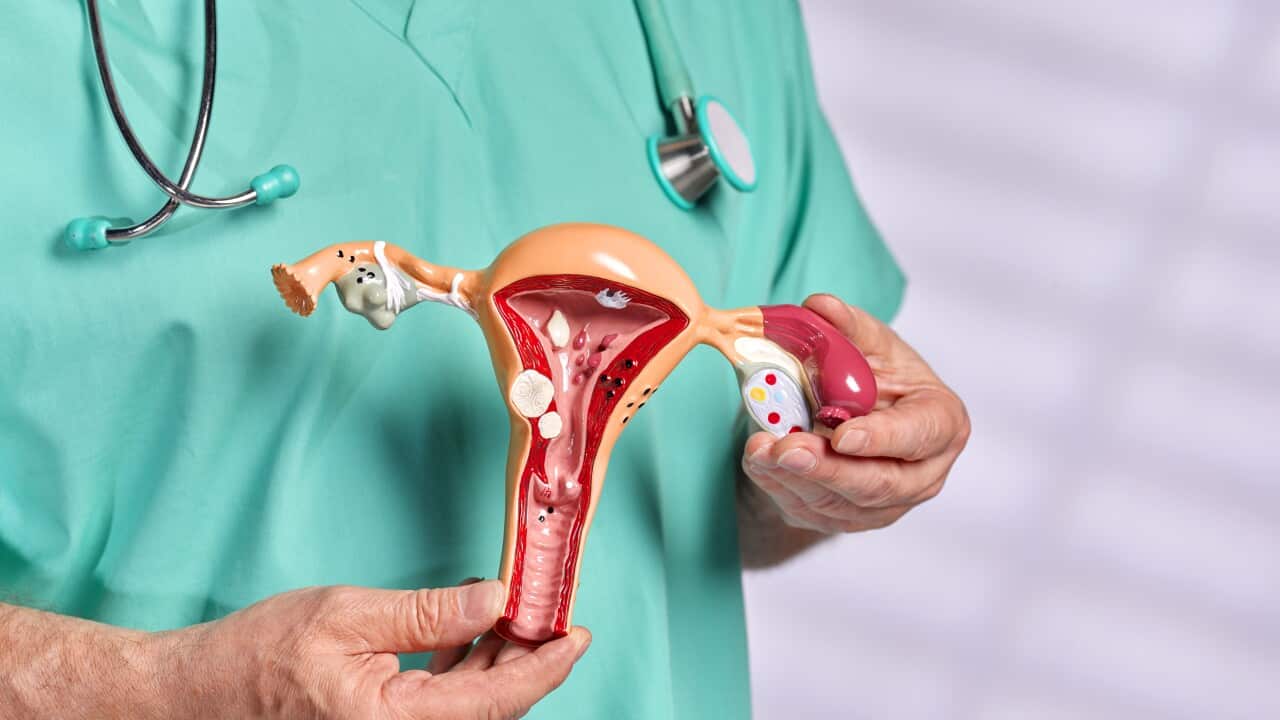

Endometriosis can have severe impacts on a person’s health and wellbeing, with a wide variety of symptoms. So what is actually happening in the body when someone has endometriosis? In this first episode of a three-part series, medical experts explain what endometriosis is, its symptoms and their consequences.
The World Health Organization defines endometriosis as “a disease where tissue similar to the lining of the uterus grows outside the uterus, causing pain and or infertility”. This definition is accurate but incomplete.
What people Google is that endometriosis is a situation where the lining of the womb grows outside of the womb. The problem with that is that that only partly tells us some issues about the disease and therefore basically it's wrong. Associate Professor Michael Cooper, Head of Gynaecology at St. Luke’s Hospital
Endometriosis is a systemic, multi-organ, multi-system, chronic inflammatory problem, and one aspect of that is where the lining of the womb grows outside of the womb.
Advertisement
Endometriosis is when endometrial cells appear outside the uterus elsewhere in the body, most commonly in the pelvis but they can appear in the bowel, bladder, abdomen and elsewhere. Then every month as the ovaries release estrogen and progesterone to stimulate the normal endometrium, they stimulate those areas as well. This causes swelling and inflammation, which can cause a lot of pain. The nature of the pain is usually cyclical, following a pattern around the menstrual cycle.
Endometriosis affects roughly 190 million people worldwide. This is the equivalent of 10 per cent of girls and women of reproductive age. In Australia, there are 830,000 women, girls and those who are gender diverse that will experience endometriosis at some point in their life.
The disease can impact an individual's physical, mental, and social well-being.
It can affect their ability to complete education or maintain a career, as well as their relationships and social activities.
Along with pain during the menstrual cycle, about half of all women with endometriosis will suffer from pain associated with sexual intercourse. The broad range of possible symptoms can also include fatigue, bloating, and pain around the bladder or bowel. In some cases, endometriosis can impact fertility.
Endometriosis can even be asymptomatic, and surgical treatment isn't always necessary.



