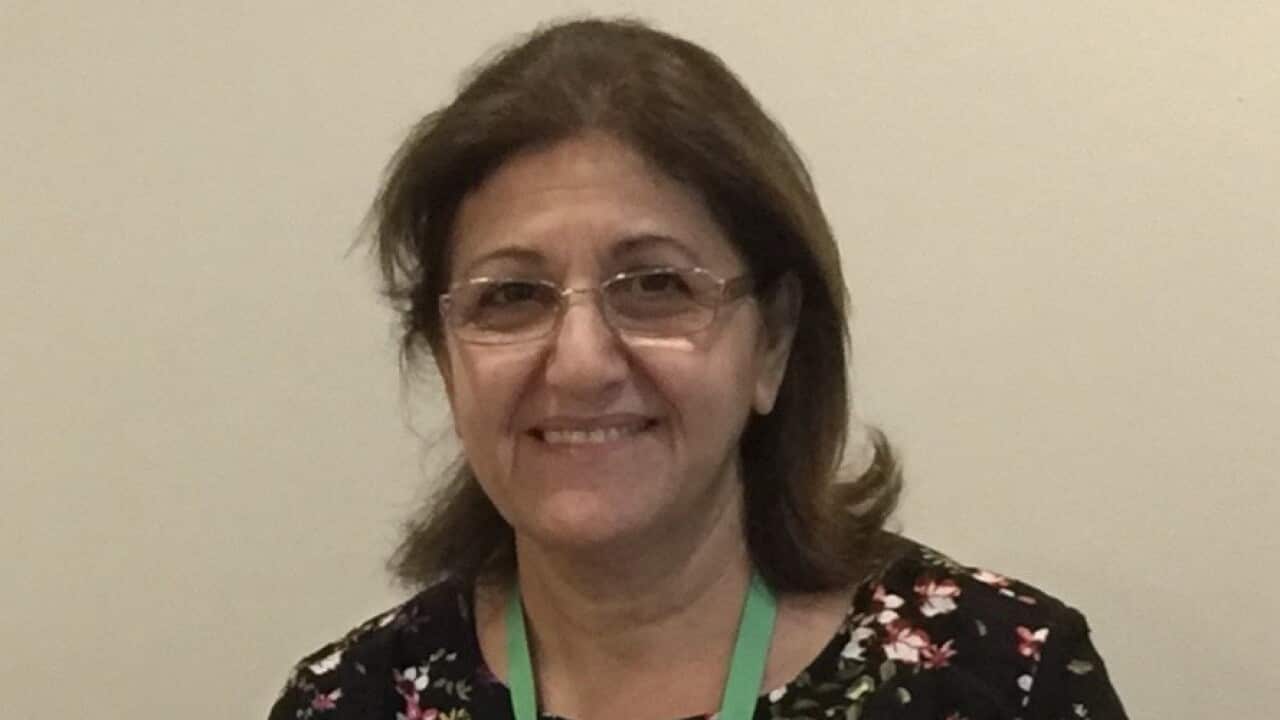

Shmoni Younan is a trailblazer for her community in the field of translation. Speaking with SBS Assyrian, she highlights the aspects of being an interpreter as well as the ethical responsibilities that members of her profession carry when serving the public.
Shmoni Younan was one of the first women in Australia's Assyrian community to be accredited by the National Accreditation Authority for Translators and Interpreters (NAATI).
When asked how she established her career, she outlined that engaging with language from an early age was vital.
Ms Younan said in 1989 when her career began, there were only a few interpreters and many of them worked as volunteers.
She also went on to become a teacher.

After 1990, Centrelink approached and offered her a job with the Department of Services Australia due to the increasing number of Assyrians in Australia.
She was chosen to be on a panel that was designated to organise the accreditation process and tests for other applicants.
She also mentioned that with her on the panel was the late SBS journalist Wilson Younan, who was also a stalwart of the Assyrian community with strong linguistic skills.
Ms Younan said she is very happy to see the SBS Assyrian team translating COVID-19 factsheets and information to the community in the mother tongue.
“To me, your department in SBS is like a school that teaches those who need help in our language," she said.
Speaking about the responsibility of interpreters, she said they must always be careful with the terminology they use.
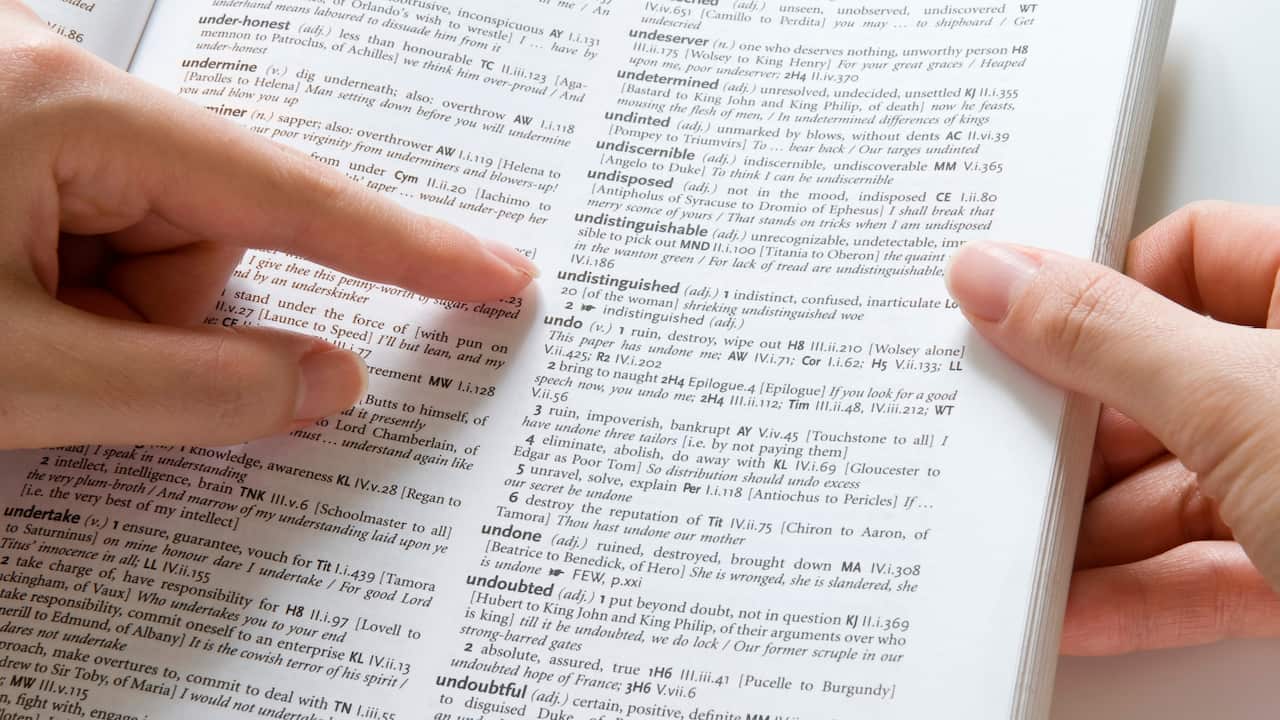
She went on to say that “for a professional interpreter, it is better to go back and correct the mistake when it occurs instead of letting it go” as misinterpreting some keywords can be detrimental to the topic being interpreted.
Ms Younan also said that culture is essential for those willing to be accredited NAATI interpreters.
When asked about new interpreters that want to work only in specific areas, she added that when she started, she happily traveled all over Sydney as she believed it would improve her skills by mixing with members of the community.
In addition, being available in more than one location gave more access to the community.
She concluded by informing the program that she is always open to phone calls to provide translator assistance needed in emergency situations.