

Where did the word Easter come from? what is the relation between Easter and Ishtar? how and when did Christians adapt Sunday to be Easter day. What is the origin of the Easter Bunny and the Easter eggs?
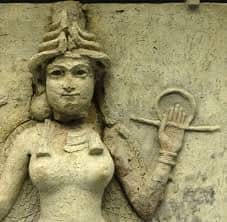
As the fertility goddess, Ishtar was often associated with eggs, which were seen as a symbol of new life and rebirth. In ancient times, people would decorate eggs in honour of Ishtar and give them as gifts to one another during the spring equinox, which marked the beginning of the agricultural season.
Over time, decorating eggs spread to other cultures and religions. In Europe, for example, people began decorating eggs during the Christian celebration of Lent, a period of fasting and repentance leading up to Easter. Eggs were seen as a symbol of the resurrection of Jesus Christ and the new life he brought to the world.
In many countries, people dye eggs in bright colours and decorate them with intricate designs and patterns. Some cultures even have special games and competitions centred around egg decorating and hunting.
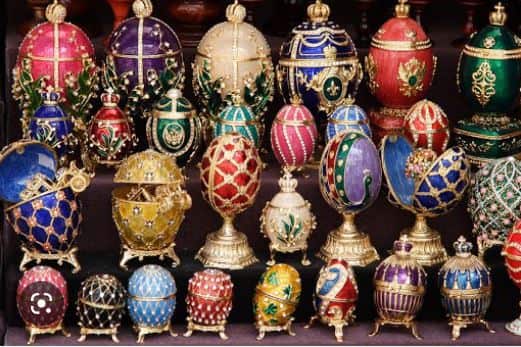
While the origins of the Easter egg tradition may be rooted in ancient pagan beliefs, the Christian symbolism of the egg as a symbol of resurrection and new life has become the predominant interpretation in modern times. In Christian traditions, The eggs are usually coloured red, symbolising human sins.
Breaking the eggshell, the white egg comes out as a symbol of purity, symbolising the sacrifice of Jesus Christ to give people a new life free of sins.
Whether you celebrate Easter for religious or cultural reasons, decorating and sharing eggs is a beautiful way to honour the arrival of spring and the renewal of life.

Listen to this podcast which further explains other symbols used in the Easter tradition, like Easter Bunny.