
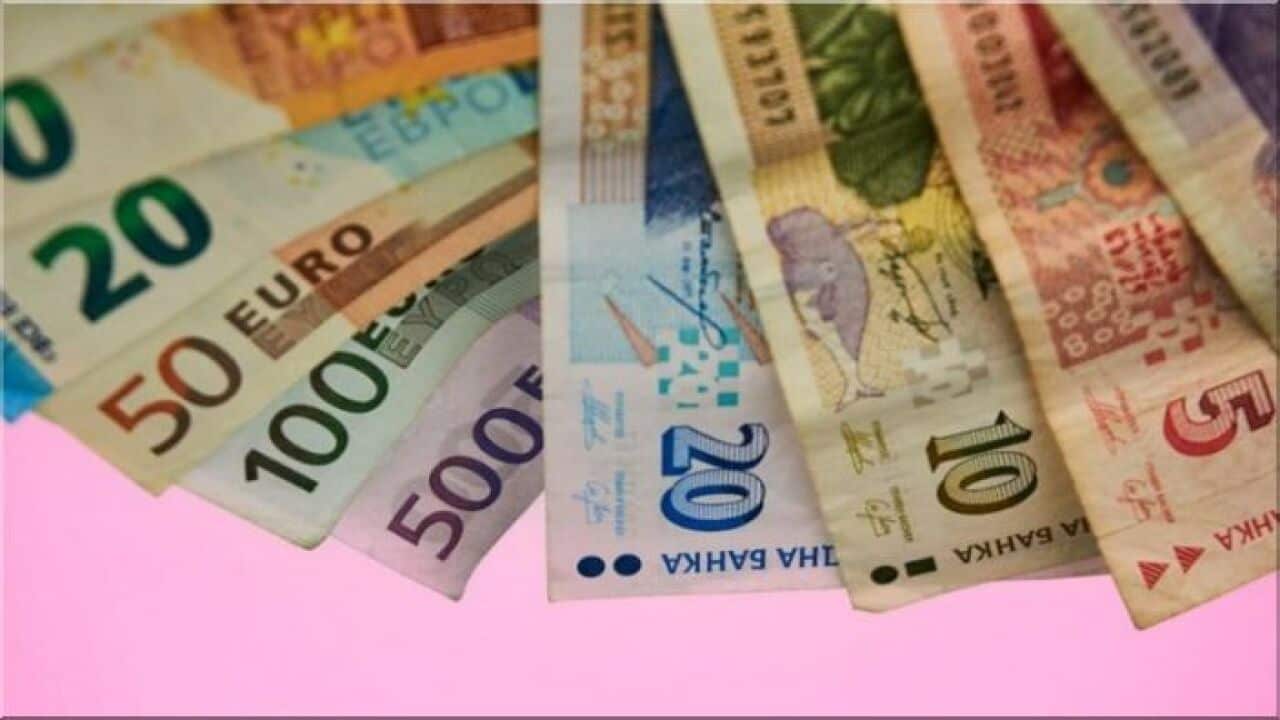

Rumours of a change to the exchange rate between the lev and the euro have resulted in Bulgarians massively changing the local currency for euro.
Bulgaria, a European Union member since 2007, initially planned to join the precursor to Eurozone membership, the ERM-2 exchange rate mechanism, by the end of April and adopt the euro in 2023.
However, Bulgarian Prime Minister Boyko Borisov said that he would “slow down the tempo” of the process to ensure national consensus on the benefits of euro adoption.
“The timing that we are discussing is July, not April. Then both Bulgaria and Croatia will be reviewed,” Borisov said after talks in Brussels with European Commission Vice President Valdis Dombrovskis.
A change to the country’s central bank law adopted earlier this month had led to fears of a possible devaluation of Bulgaria’s currency, the lev, from its long-standing peg of 1.95583 lev to the euro.
“We will move towards the Eurozone ‘waiting room’ with the current rate and only with absolute consensus in the country,” Borissov said in a bid to pacify critics.
“It’s highly unlikely that there would be any other exchange rate than the current exchange rate according to which the lev is fixed with the euro,” Dombrovskis added.
Political analysis by Plamen Asenov.