Key Points
- Voting is not compulsory, but the last presidential election held in 2020 attracted three quarters of the voter population.
- The vote on Saturday is expected to be one of the most hotly contested races since the self-governing island first held elections in 1996.
- Youths aged between 20 (Taiwan’s legal voting age) and 34 make up about one-fifth of the island’s population and are considered an influential group.
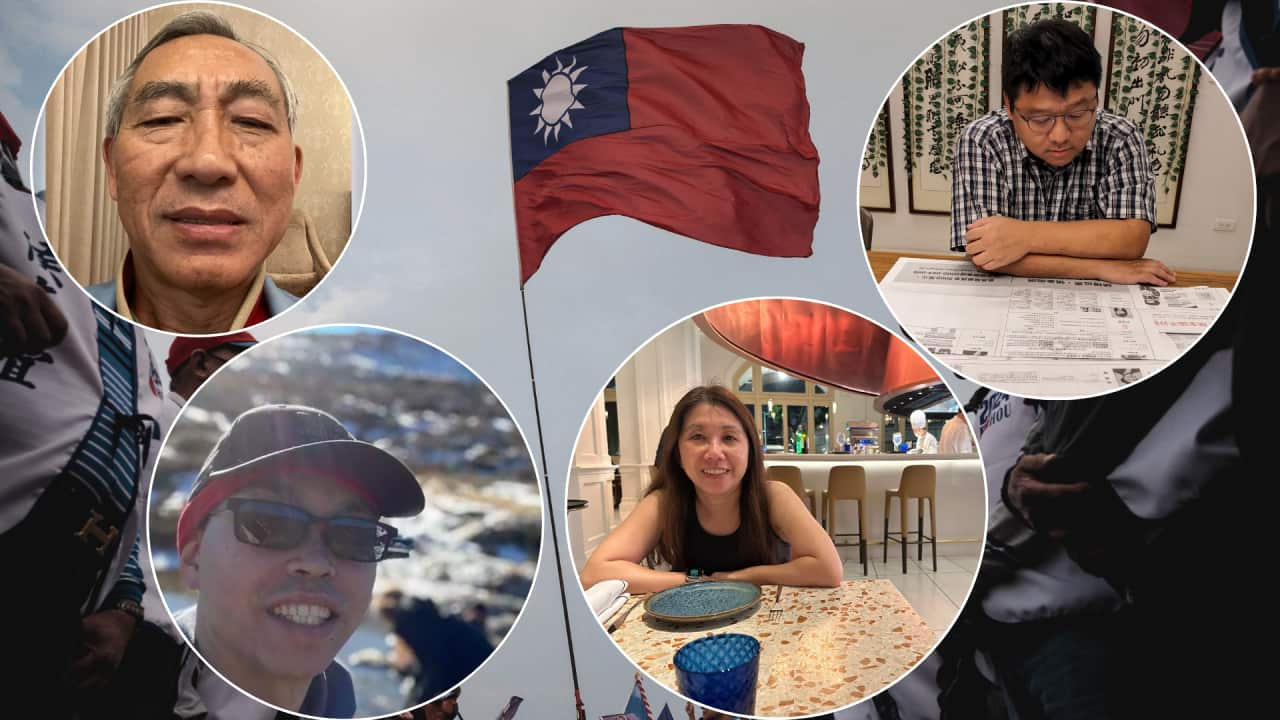
Millions of Taiwanese are heading to voting booths on Saturday for their presidential election but those living abroad face the extra challenge of having their preference count.
Taiwan has yet to implement absentee voting since democracy was only established on the self-governing island less than three decades ago, so some are flying back from afar to cast their ballots.
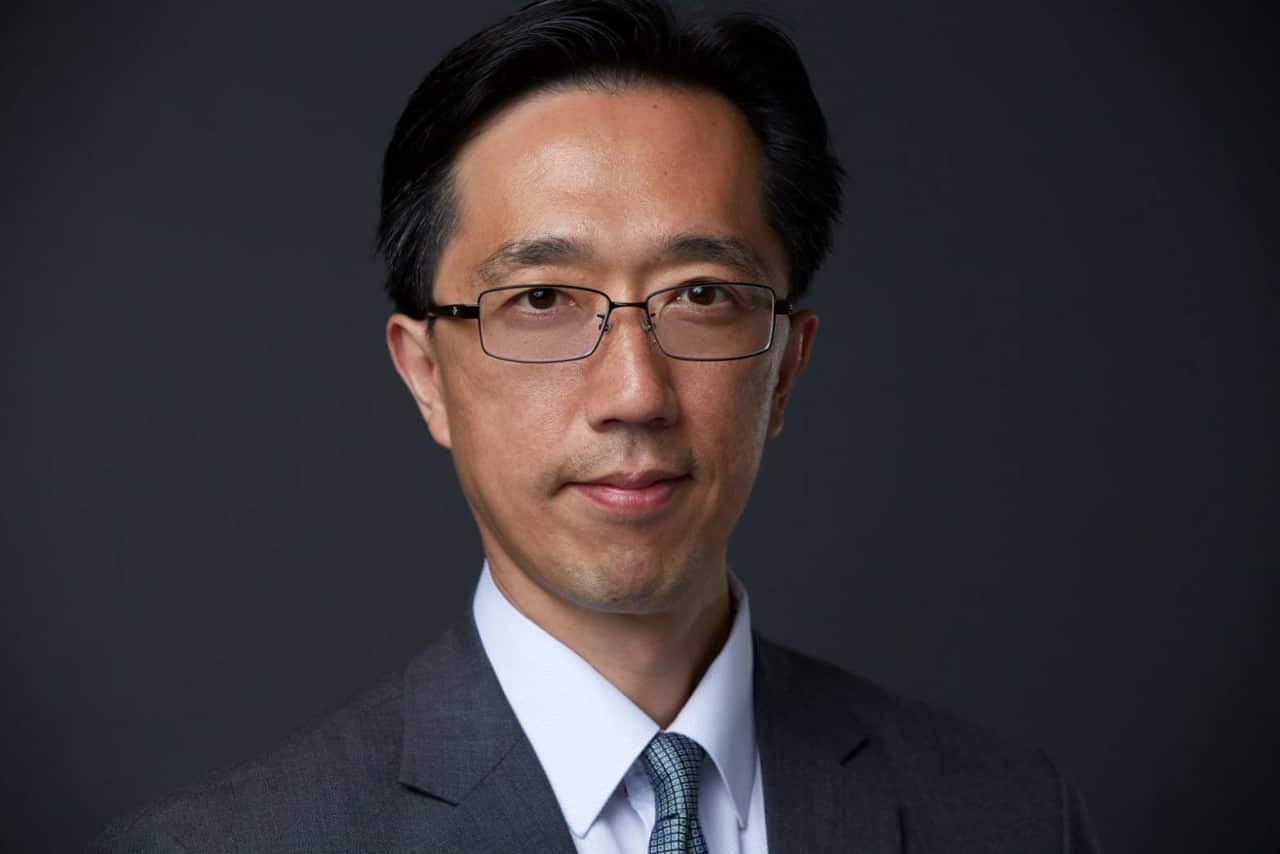
Taiwan’s chief representative to Australia, Douglas Hsu, told SBS Chinese he expected thousands of Taiwanese based in Australia to “return home” for the presidential election, held every four years.
Two million Taiwanese live abroad, according to Taipei’s Overseas Community Affairs Council.
Approximately 50,000 of them live in Australia predominantly based in Brisbane, followed by Sydney and Melbourne, according to Mr Hsu.
Over 4,100 overseas Taiwanese are registered to vote in Saturday’s election compared to more than 5,000 four years ago, but he said it didn’t reflect the full scope of potential voters.
“I think the real figure is way beyond that,” he said.
“Voters don’t have the obligation to vote during an election like they do in Australia. But everyone wants to express their opinions.”
Diaspora voters fork out thousands to ‘return home’ to vote
Aileen Yen, 45, flew to Taipei in late December and said she’ll return to Sydney shortly after casting her vote.
She told SBS Chinese she was prompted to cast her vote amid concerns about rising tensions between Taiwan and China. She said she also wanted her "voice heard" on the democratic development of the small archipelago that governs almost 24 million people.

China views the island as its own territory, a claim Taiwan’s government rejects.
Beijing has maintained a near-daily military presence around Taiwan with four Chinese balloons moving across the sensitive median line on Monday, the latest in a series of incursions that Taiwan and conflict experts say is a form of "grey zone" harassment, according to Reuters.
“The Kuomintang (KMT) party think they have the right to rule Taiwan because they originated from mainland China. They don’t believe that people have the right to rule where voters voices need to be heard. You don’t just rule the way you want,” Ms Yen said.
She added she had planned to vote for William Lai Ching-te, the current vice-president and the Democratic Progressive Party (DPP) presidential candidate. If the DPP wins, it will be the first time in Taiwan’s history that a political party has won three consecutive elections.
The main opposition candidate is Hou You-yi of the more conservative Kuomintang (KMT) party with the best working relationship with Beijing.
Among his staunch supporters is 72-year-old standing committee member of KMT’s Australian branch, Samuel Yu.
The Sydneysider said he had only missed one Taiwanese presidential election when he was struck down with COVID-19 in 2020.
The DPP’s Tsai Ing-wen won in a landslide victory that year and Mr Yu said he was determined to help sway a flip in the ruling camp despite out-of-pocket costs.

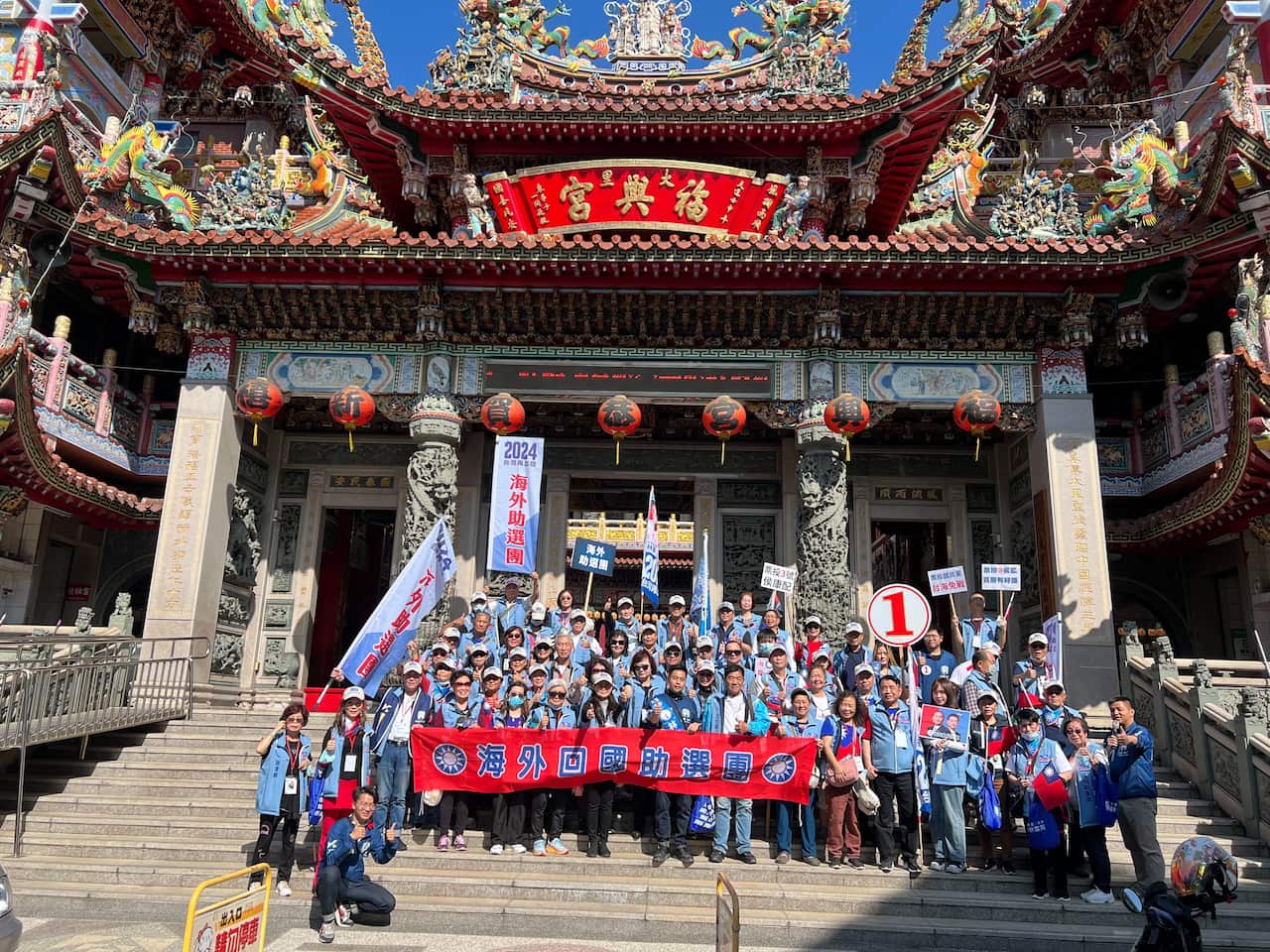
Mr Yu said there were about 20,000 registered KMT members in Australia and he was involved in organising large groups of the party’s overseas supporter base to travel to Taiwan to help their candidates win elections.
“Political parties should be replaced and if they’re not, Taiwan will be finished,” Mr Yu said from Taiwan’s capital Taipei, where he was volunteering as a KMT election campaigner.
Tearing up during an interview with SBS Chinese he said: “We are all compatriots, I came from Shandong (eastern China), we are all family."
Our mainland will not support an independent Taiwan.Samuel Yu, Australian-based Kuomintang party supporter
Taiwan’s youth among key election issues
Ko Tai-Liang arrived back in Taiwan three days shy of election day, spending $2,200 in airfares and justifying it as an opportunity to cast his ballot whilst visiting family.
“I’ve gone back to fulfill my obligations as a citizen of the Republic of China,” he told SBS Chinese.
As a Taiwanese national who had been watching the campaign from his Canberra residence, Mr Ko said he was still undecided whether to vote for the DPP or the Ko Wen-je of the newly formed Taiwan’s People Party (TPP), the candidate regarded as the main disrupter of the presidential race.

Mr Ko said he resonated with youth issues, particularly cost of living, as he hadn’t ruled out returning to Taiwan to live in the future.
“If you want to find a reason to go back to Taiwan, affordable housing is the most important factor,” he said.
“Taipei’s housing prices are going up and are similar to Sydney’s but in Sydney, we have a great demand. But the city of Taipei has a vacancy rate of 20 or 30 per cent,” said Taiwanese Australian Peter Huang.
“People are moving out of Taipei but how come the housing prices are still going up slowly?” the former Australian Taiwan Friendship Association president and semi-retired engineer asked.
Mr Huang timed his children’s enrolment into Taiwan’s public schooling system for Chinese language studies during the Australian summer with the upcoming election.
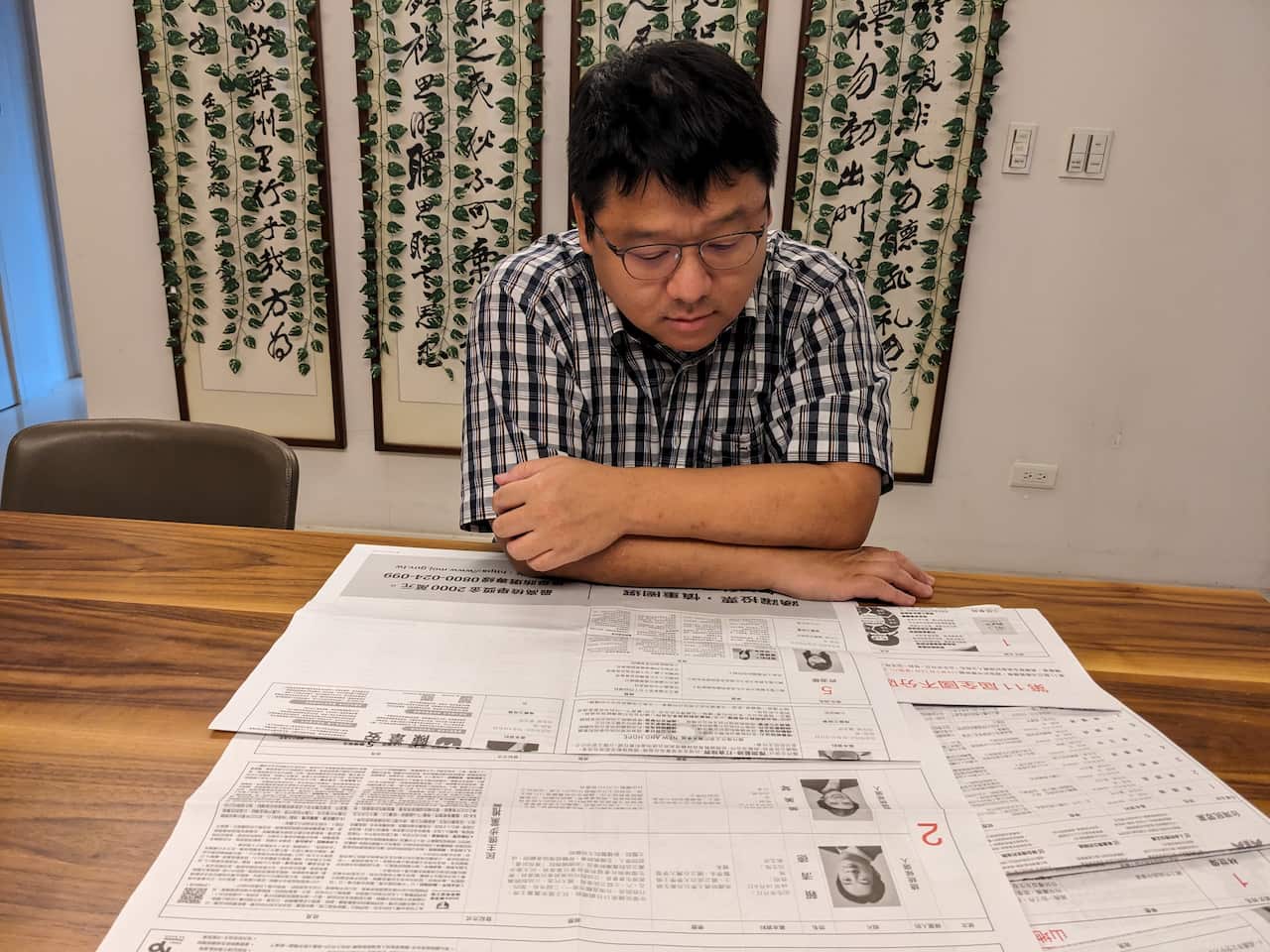
As a dual national who migrated to Australia 33 years ago, he said he still cared about Taiwan’s youth, and socio-economic issues, such as its birth rate – one’s of the world’s lowest.
“This time I brought back my kids … and realised the last two years, the number (of kids) have dropped considerably,” he said.
“It’s so easy to get into the local childcare and primary schools, which were impossible to get into years ago.”
Mr Huang admitted that he was surprised to find himself among many Australians who made the journey back to Taiwan to vote this election.
There’s a lot. Out of my friends, more than a dozen have come back just for this (event). This has never happened in my friendship circle.Peter Huang, dual Taiwanese Australian national
Mr Huang said there was “no doubt” he would vote for the green camp (led by the DPP), that supported a distinct Taiwanese identity, as opposed to the pan-blue political coalition, which included the KMT party.
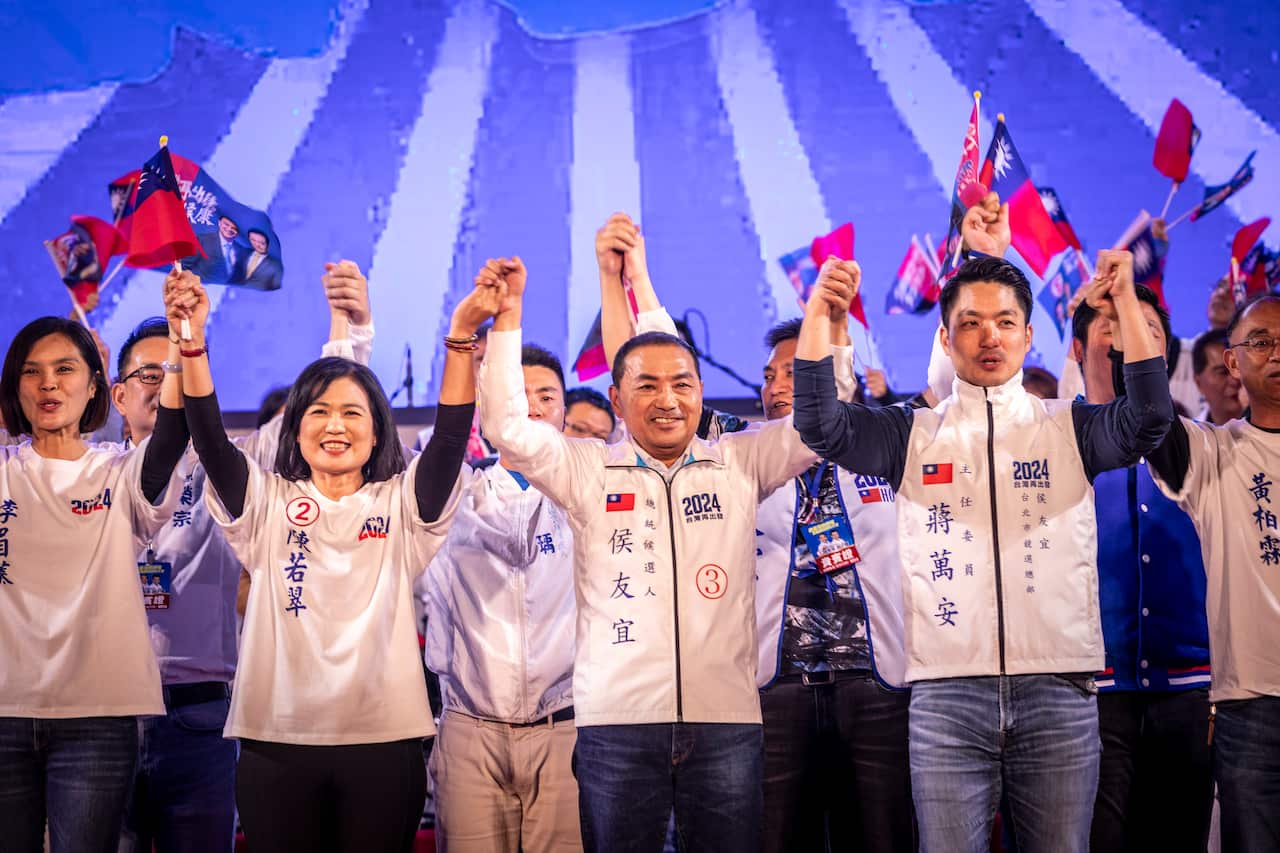
“If the KMT is elected, definitely it would be a disaster. It’s not a trusted party by the Western world. That’s my observation,” Mr Huang told SBS Chinese.
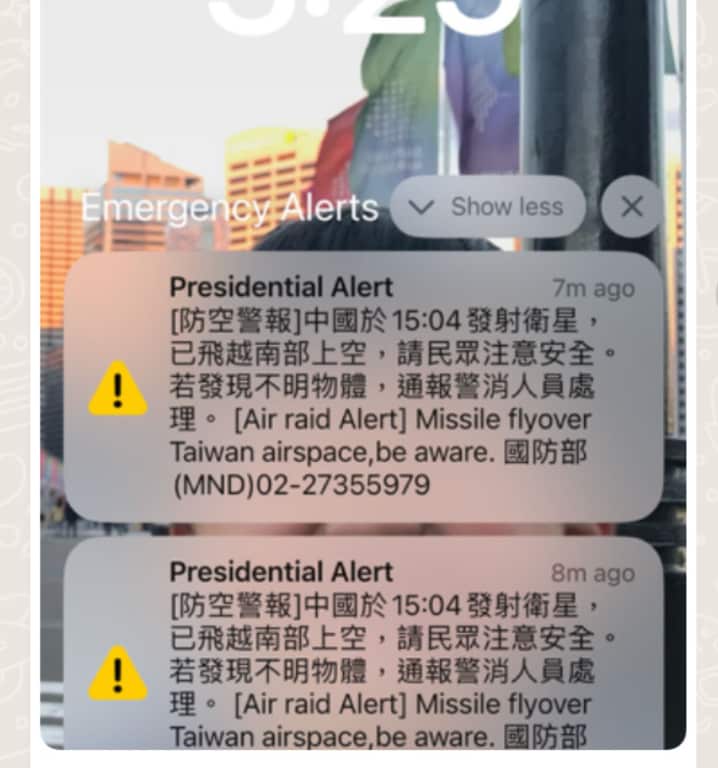
He was also among residents and those visiting the island who received a mistranslated bilingual alert from Taiwan’s defence ministry, erroneously saying in the English version that China had launched a missile instead of a satellite into Taiwan’s airspace.
“I was in a café and everyone’s phones were dinging for two or three minutes,” he said of the event that confused many including Australian friends visiting the island.
Future of Taiwan’s international relations
Lennon Chang, Australasian Taiwan Studies Association president and IT professor at Deakin University, said he had already decided that he would vote for the DPP.
He said it was necessary to have strong policies and the right leader to guide Taiwan over the next four years.
“Especially in the face of problems to do with disinformation and foreign interference that is often talked about in Australia. If we compare the seriousness of these problems in Taiwan with those of Australia’s, Taiwan’s issues are, if not hundreds of times, then at least a dozen times worse,” Mr Chang said.
He said his trip “home” to vote centred around securing a DPP majority rule, the island’s freedom and democracy and ensuring Taiwan’s future wouldn’t be “completely different under the wrong leader”.
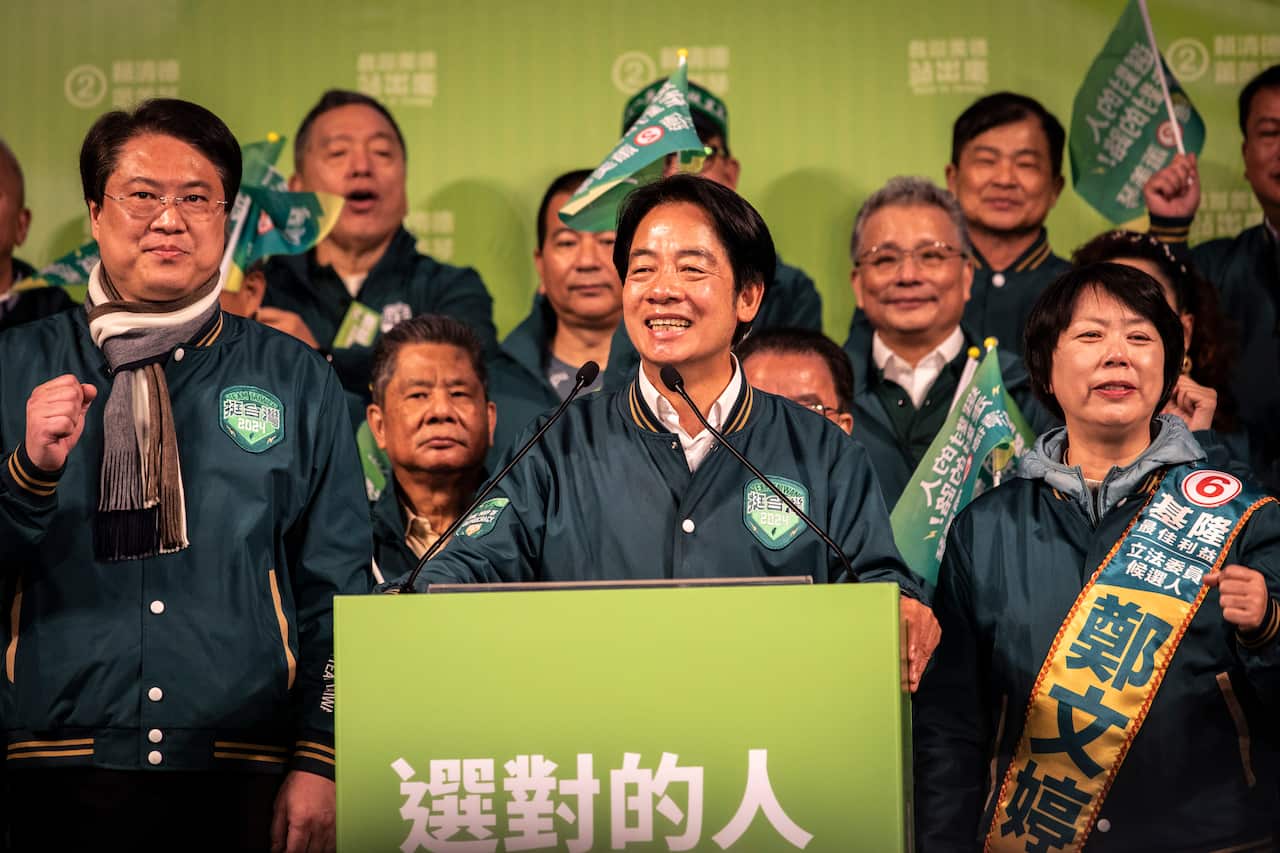
"I think the DPP is still relatively trustworthy and, under the DPP's governance, I believe that Taiwan's direction in the next four years will be closer to democratic countries and countries with democratic ideals. Relatively speaking, it will be relatively safer for Taiwan,” he said.
Back in Canberra, Mr Hsu said he disagreed with this sentiment and that he believed no matter the election outcome, there would be no change to the Taiwan-Australian relationship.
“It won't have any change because Australia and Taiwan are both democracies and we share democratic values,” Mr Hsu said.



