Key Points
- James Chung Gon came to Australia as a young man hoping to strike it rich during the 'Gold Rush'.
- He then became a grocer, businessman and philanthropist. And the Chung Gon family became a household name in Launceston.
- To celebrate his legacy, 113 of his descendants from around the world travelled to Launceston last year for a family reunion.
Not every newborn baby makes it onto the front page of their local newspaper, but Mei Ling Chung Gon (nee Niel) was an exception.
When she was born in Hobart in 1940, a local Tasmanian newspaper, The Mercury, published a picture of her and her Australia-born mother, Gladys Sym Choon, describing her as "a precious Chinese-Australian infant".
As the first-born of her generation in the Chung Gon family, Mei Ling said she has lived in the spotlight ever since.
"I was featured all the time ... the town watched me grow up," she said.
"I had my 21st birthday in London, and the whole of Hobart knew because they sent back photos and reports," Mei Ling, now 84, told SBS Chinese.

The attention she received stemmed from the reputation of her āgōng (Mandarin, meaning grandfather), James Chung Gon, one of the early settlers to arrive in Australia in the 1870s.
His endeavours made him a prominent figure in Launceston, earning recognition beyond his lifetime.
The Chung Gon family
In 1873, 18-year-old James embarked on a journey from China's Guangdong Province to Melbourne, driven by the lure of the Bendigo "Gold Rush", according to the family website created by one of his descendants, Ai Lin Chung Gon.
However, upon witnessing the discrimination and mistreatment faced by the Chinese in Bendigo, James relocated to Tasmania, where he arrived in George Town on 16 April, 1878.
He initially worked in the tin mines at Branxholm but then worked in other industries, such as timber-cutting and vegetable farming.
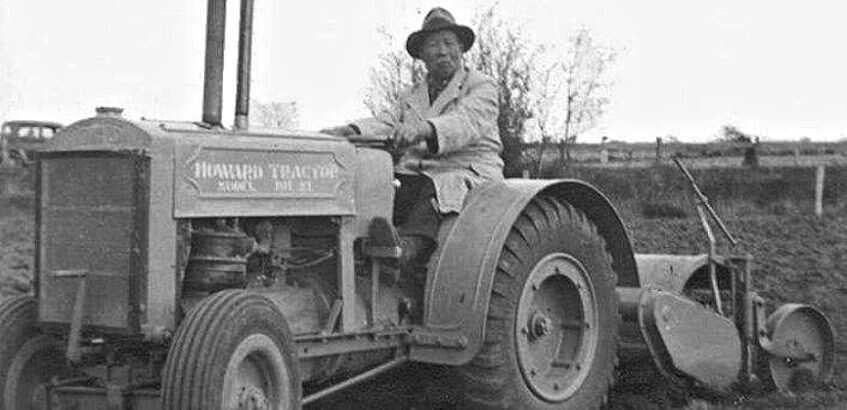
Together with his friend, Frank Walker, he found a rich seam of tin in a creek at South Mount Cameron. James walked the 122km to Launceston to register the claim while Walker guarded the site.
Their venture proved immensely successful, enabling James to acquire an 81-hectare farm at Turners Marsh, 22 km north of Launceston, where he cultivated a thriving vegetable garden.
In 1885, James, then aged 30, married Mei Ying (Mary) Lee, 19, the daughter of a wealthy silkworm farmer on a return trip to China.
The couple then settled in Australia and had 12 children, one of whom was adopted.
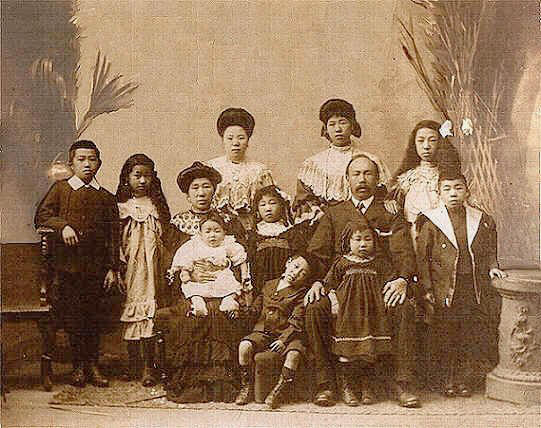
According to Census records, in 1891, one year before Mary came to Australia, there were 939 Chinese residents in Tasmania, of which only eight were Chinese women.
With James transitioning to become a grocer, entrepreneur, and esteemed philanthropist in Launceston, the Chung Gon family soon became prominent figures locally, leaving a lasting legacy in the island state.
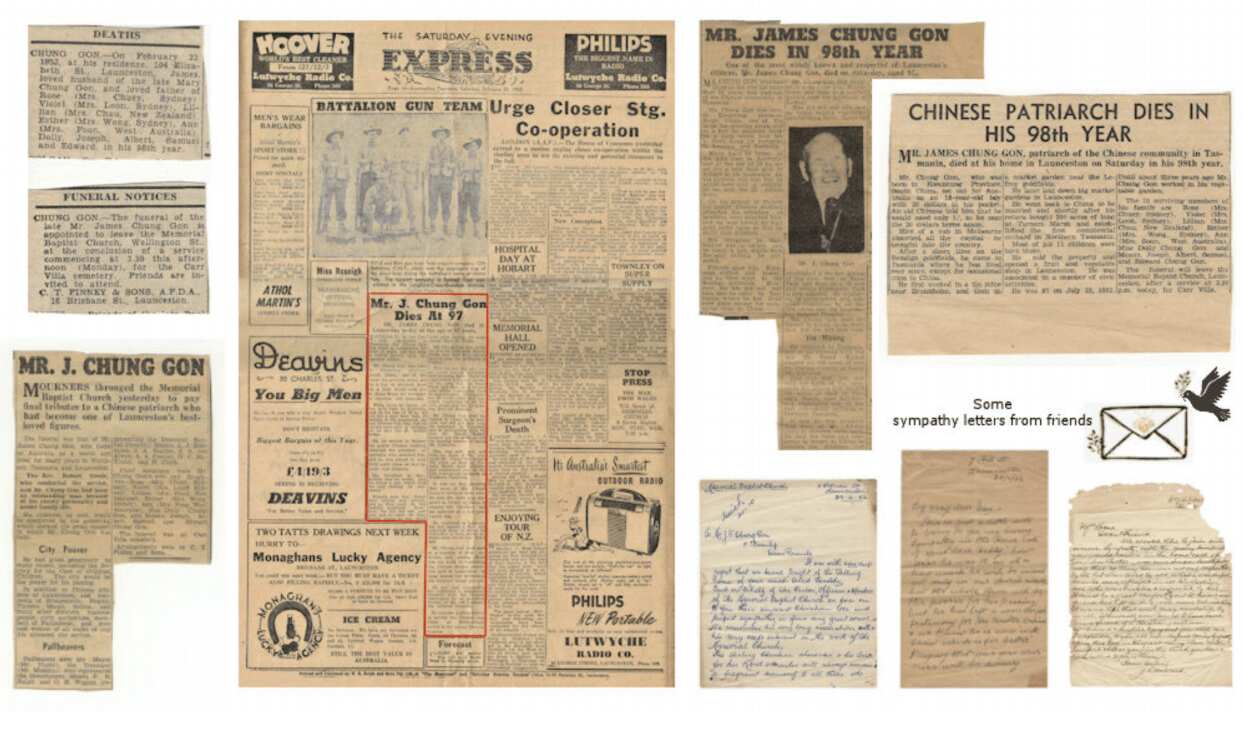
In December 1918, Mary passed away, aged 52.
James lived a long and fulfilling life, reaching the remarkable age of 97, however he never re-married after Mary’s death.
'Old Vauxhall ride' to visit grandfather
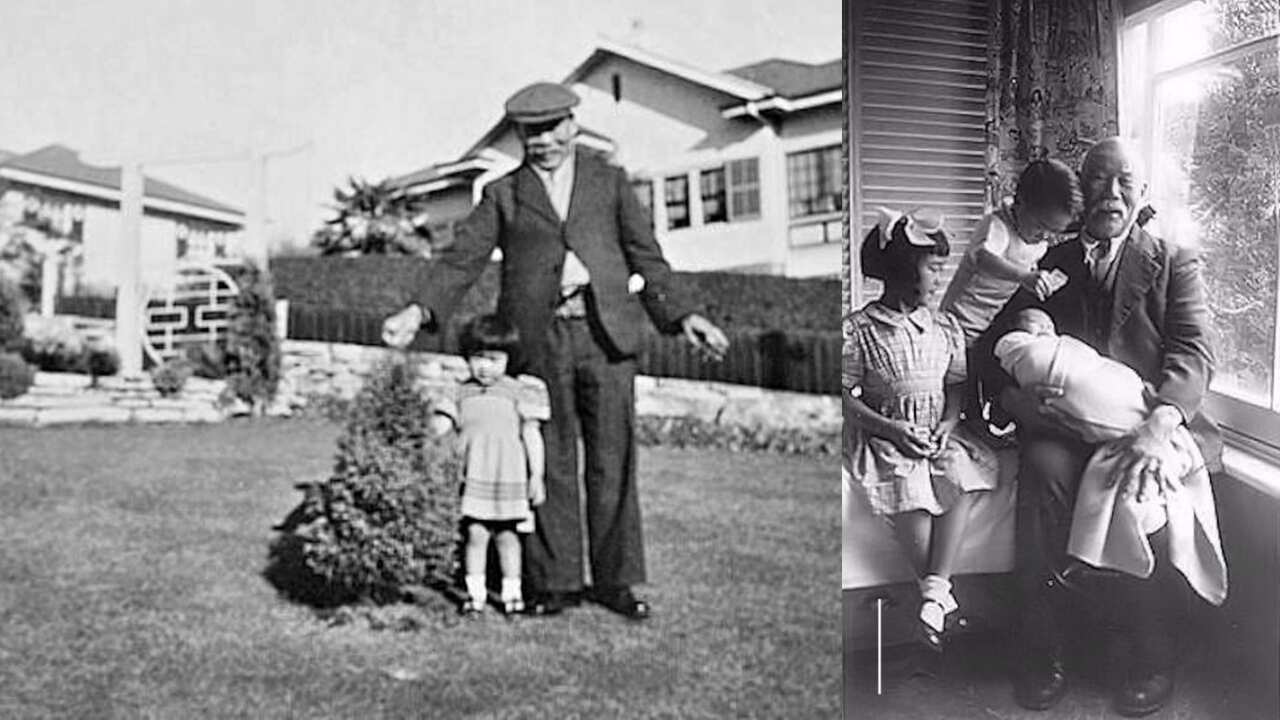
As the eldest of James and Mary's seven grandchildren, Mei Ling said she cherished her time spent at her āgōng’s place.
She recounted to SBS Chinese that at least once a month, her parents, Edward (Teddy) Chung Gon and Gladys Sym Choon, would take the family on the three-hour journey from Hobart to Launceston to visit James.
"It took three hours to get there and no seat belts, just three children in the back of an old Vauxhall," she recalled.
After arriving in Launceston, the family would go to the Chung Gon Grocer's on Elizabeth Street, where James lived in the residence above the shop.
"We'd walk through the fruit shop and āgōng would be sitting there on his big armchair and in front of him would be the Chinese checkers or snakes (and ladders), ready for us to play," she said.
He had this moustache and he always insisted on a kiss.Mei Ling Chung Gon, granddaughter of James Chung Gon
On Sunday, Mei Ling and her āgōng would walk down Elizabeth Street to the Gateway Baptist Church, where James was a lay preacher.
He always had a seat in the front pew and promptly went to sleep. I'd be so embarrassed.Mei Ling Chung Gon
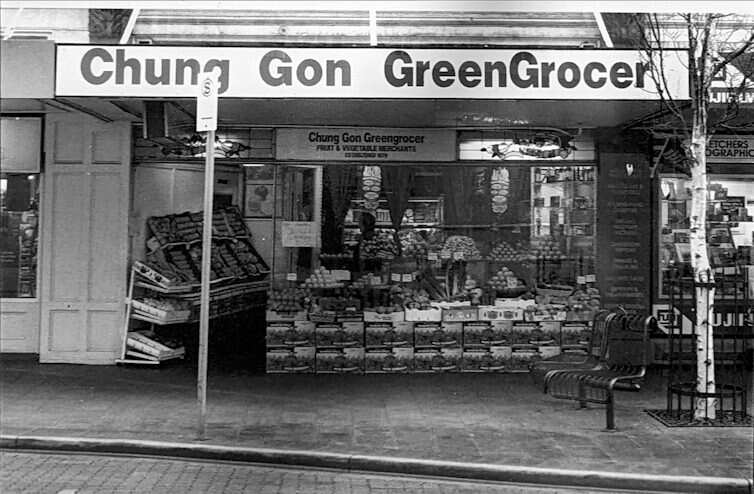
In addition to the grocery shop, Mei Ling’s family would also visit the market garden on the High Street run by her uncles.
"I can remember all the old Chinese in High Street there," she said.
They’d be sitting there smoking on these kerosene tins … They all spoke Chinese and had gold teeth.Mei Ling Chung Gon

Visits to the ancestral village in China
The descendants of Chung Gon's family have embarked on several journeys to James' hometown, Ping Gang Cun in Guangdong Province, in search of their family history and to reconnect with relatives in China.
In 2019, Mei Ling, who married Graham Niel, travelled to the ancestral village accompanied by her son, Jarran Graham Niel, and her granddaughter, Alissa Kate Niel.
During their brief two-day visit, Mei Ling said she had had the opportunity to meet her cousin and his wife.
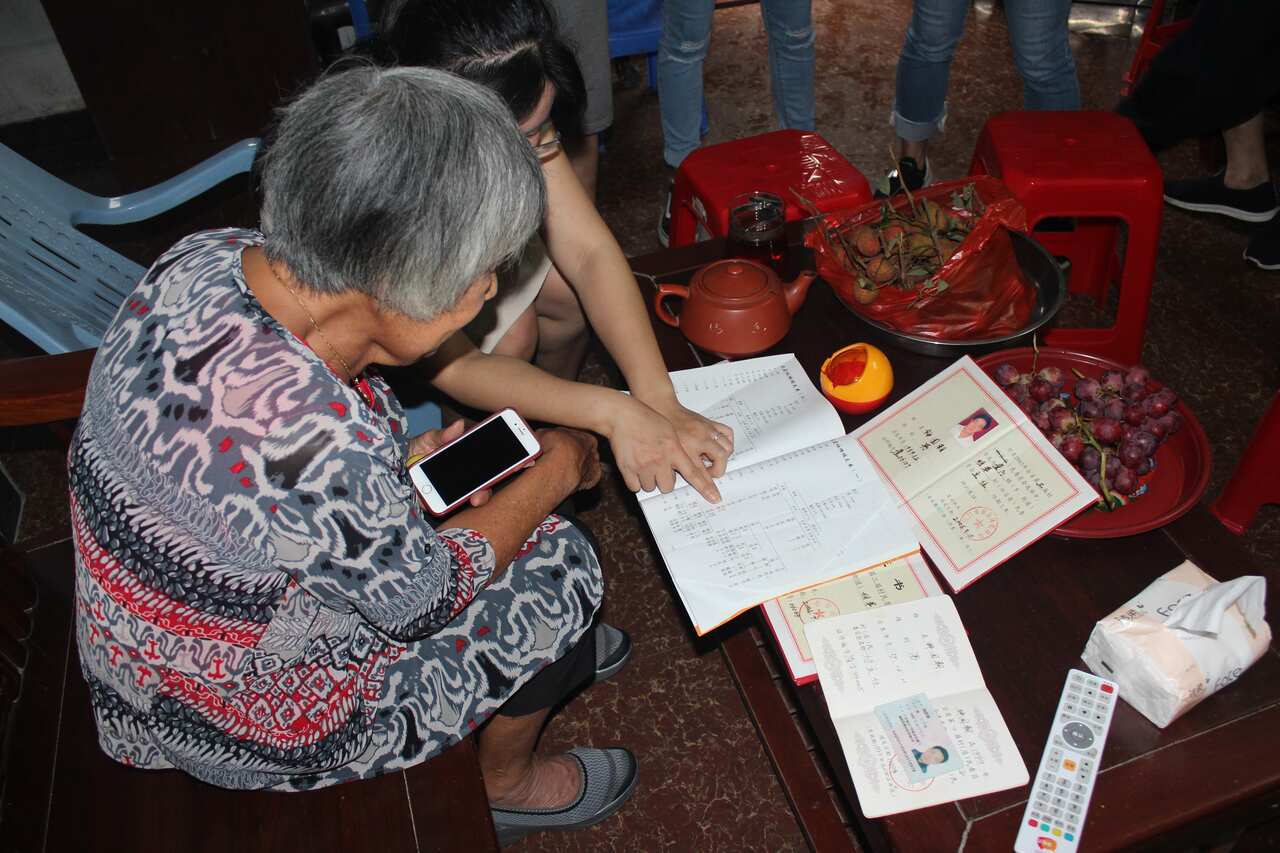
As a gesture of connection and respect, the visiting family signed their names in a small temple at her cousin's residence.
Reflecting on the trip, Mei Ling shared that her brother had previously visited the village years ago and had gifted her cousin with a cap.
He [my cousin] still had the cap my brother gave him. He was so proud of it.Mei Ling Chung Gon
In 2009, Mei Ling’s younger brother, Bob Chung Gon, visited their family village with his daughter, Anita Su Ming Chung Gon, where they had been given, "the most wonderful reception from our relatives."
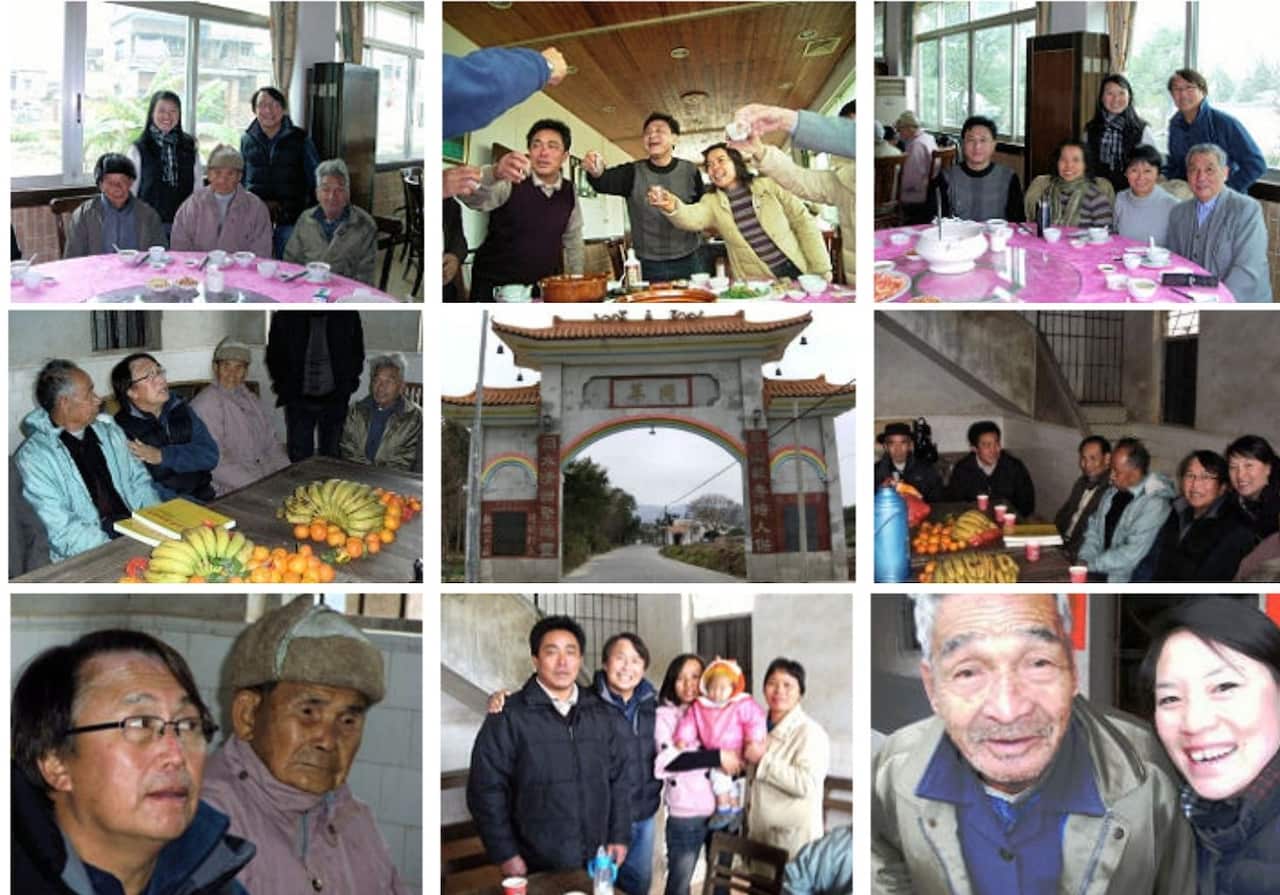
"Warm memorable communication continued for some time seemingly unimpeded by the language barrier," he wrote in a letter to James Yang, who helped them organise their China trip.
Our 44 hours in Guandong Province was a really overwhelming, emotional whirlwind experience and Anita and I enjoyed every minute of it.Bob Chung Gon, grandson of James Chung Gon
The next generation
Last year, to celebrate James’ 150th anniversary of coming to Australia, 113 descendants travelled from across the world to Launceston to attend a family reunion on 15 and 16 April.
Mia Jones, Mei Ling’s daughter, was one of the main organisers of the reunion.
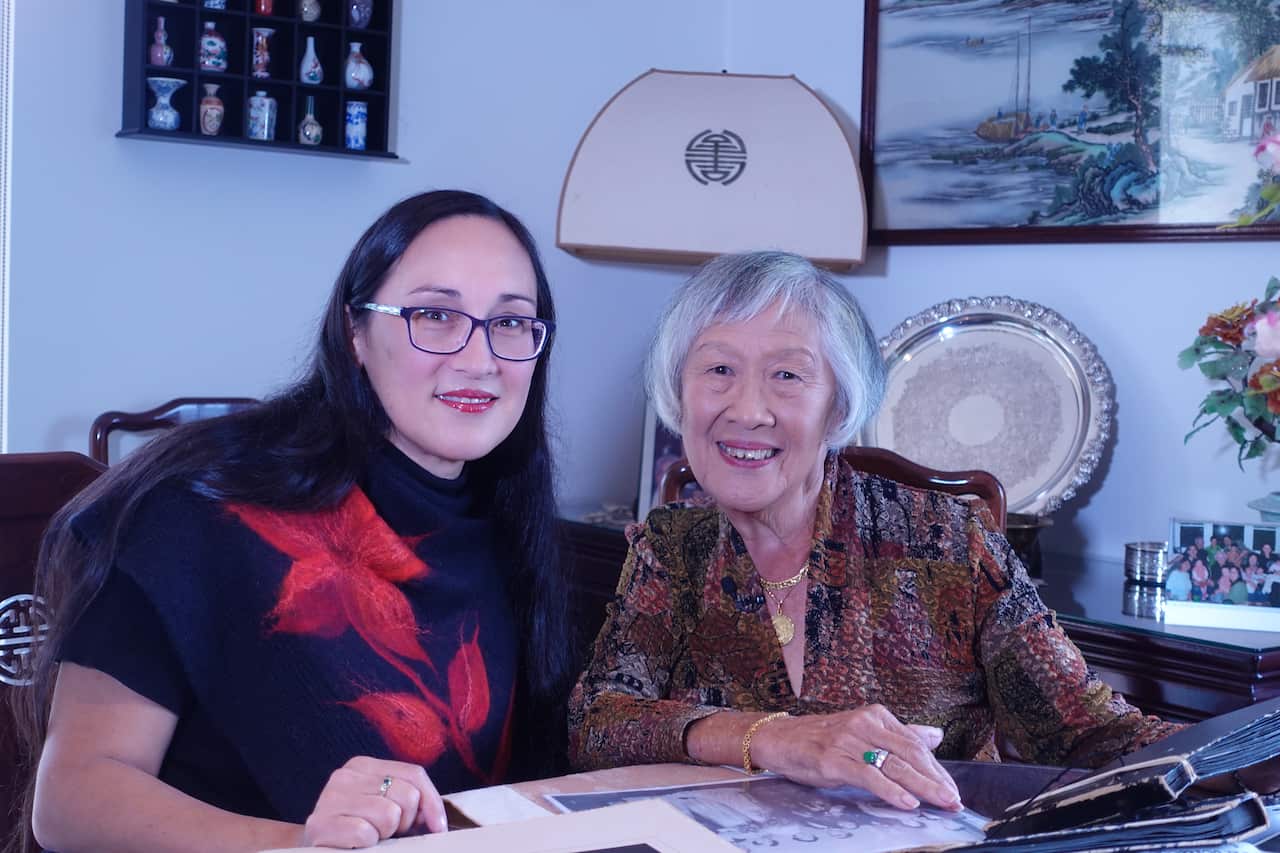
They created a 3.2-metre-long family tree spanning six generations, marked with vibrant colours to illustrate family connections.
"When we looked at the family tree, you could see exactly where everybody fitted in, and it was amazing," Mia said.
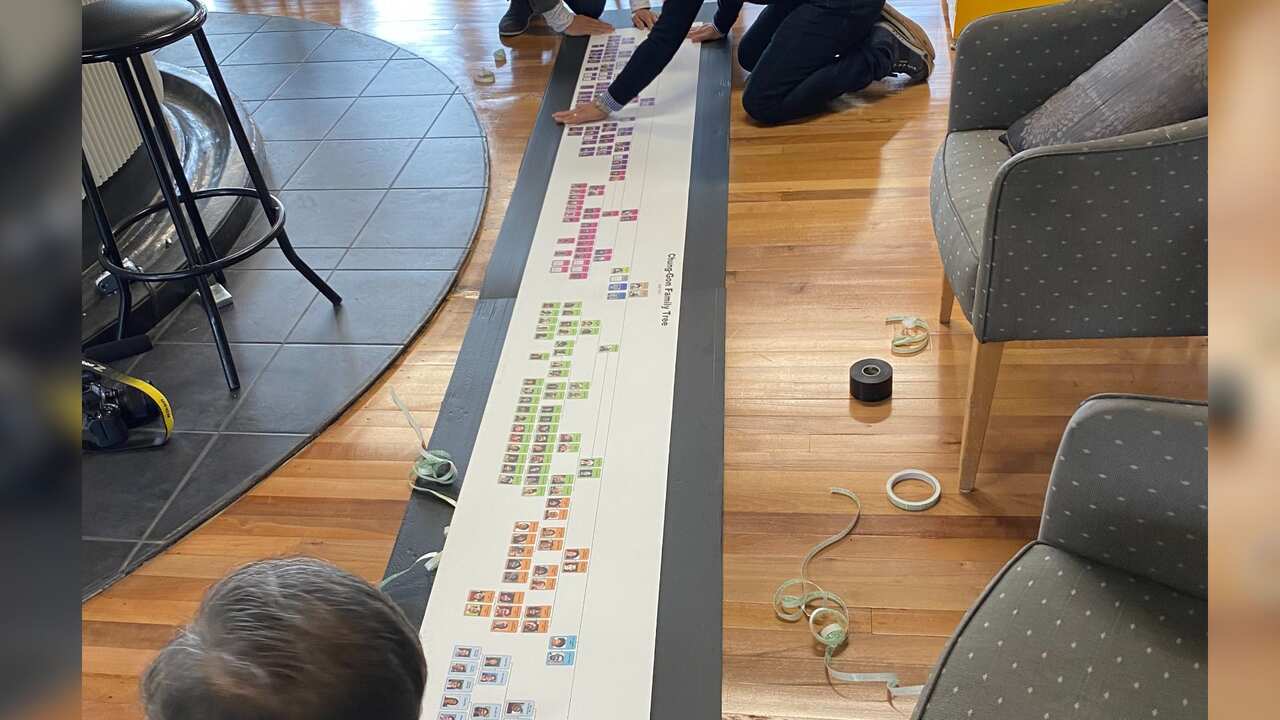
Mia said that on the second day of the reunion party, they took a bus tour to places of significance to the Chung Gons, including the farm at Turners Marsh owned by James and the Queen Victoria Museum, where family memorabilia is exhibited.
"It was really lovely for family members who had never had the opportunity to go there, to actually have that experience," she said.
Sometimes I forget how significant the Chung Gon family is within Tasmania ... when you say the name Chung Gon, people know, people connect.Mia Jones, James' great-granddaughter
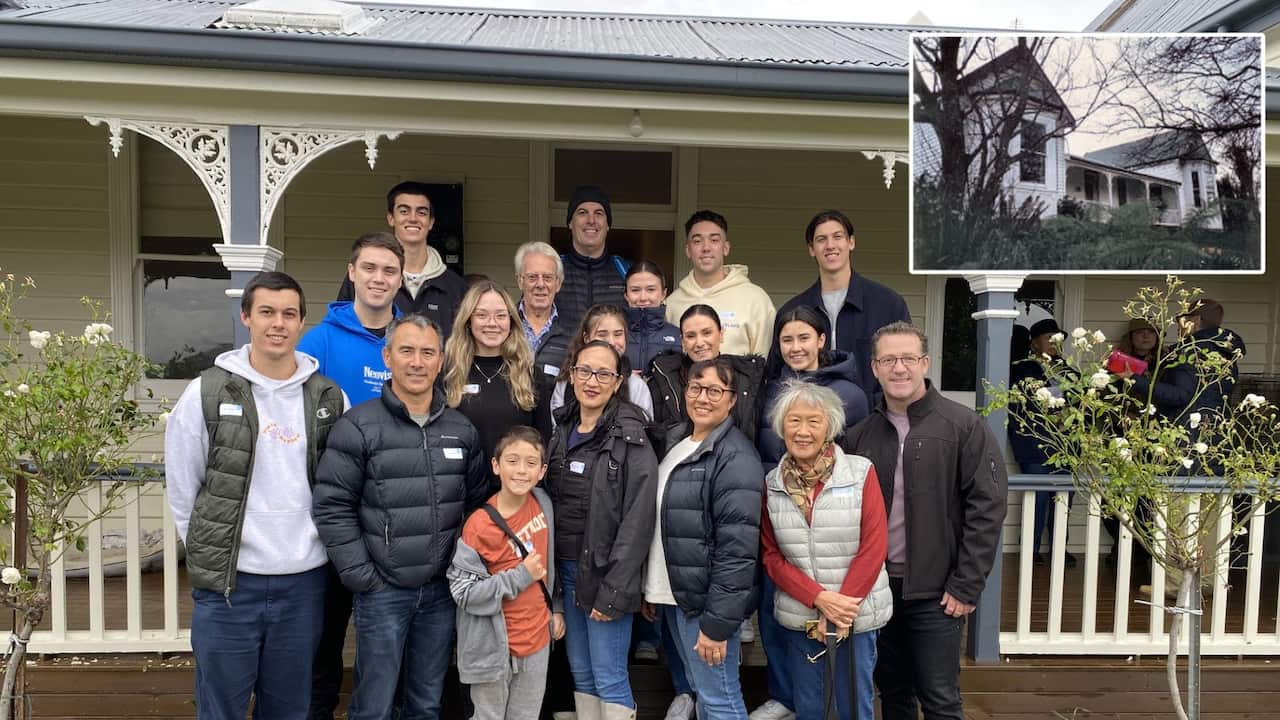
Mia said she believed that the reunion served not only as a celebration for the older generations but also as an opportunity for the next generation of Chung Gon descendants to connect with their family history.
"I want my children to know what their heritage is," she said.
"Even though they may not look Chinese, they know they are."



