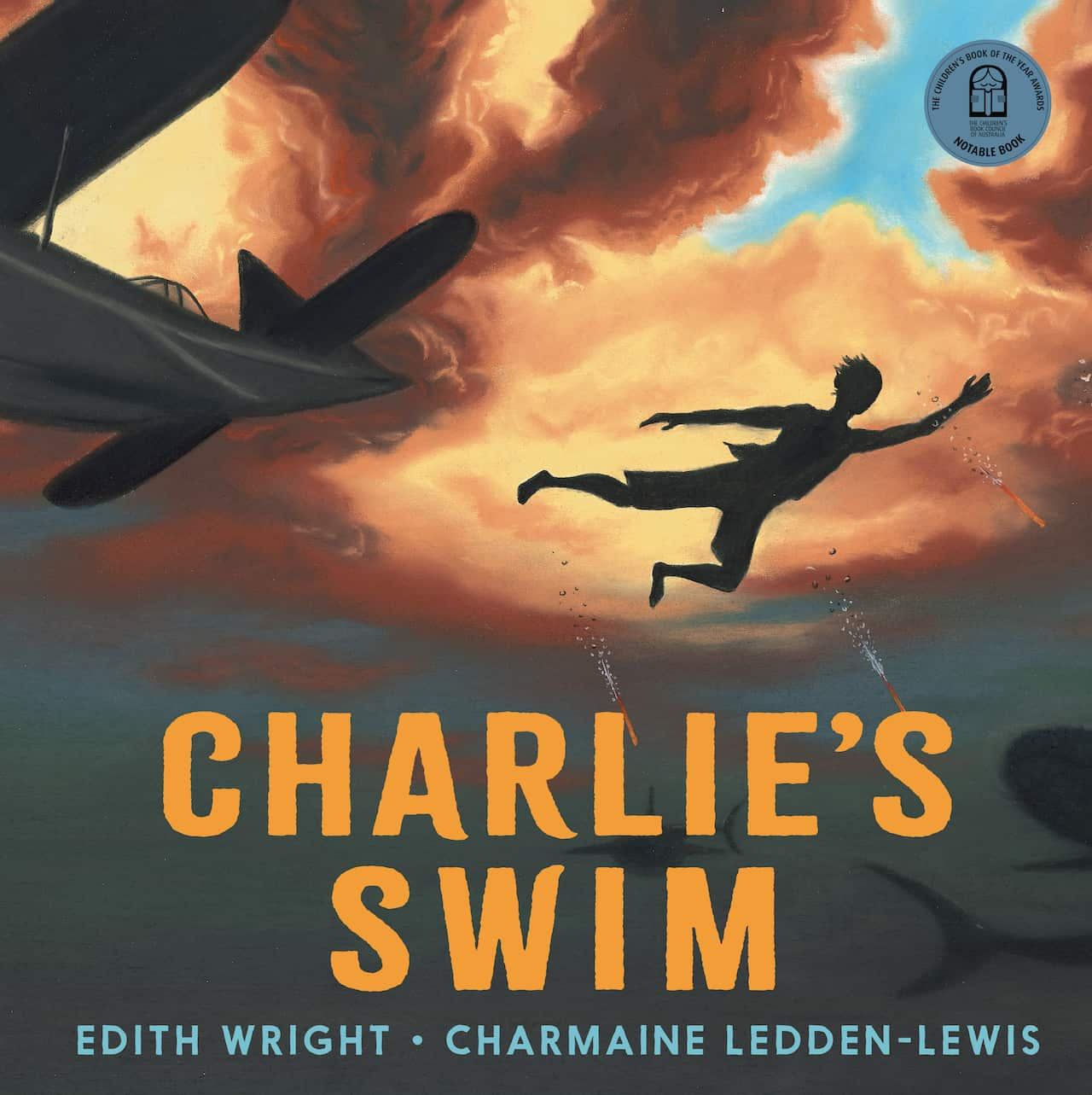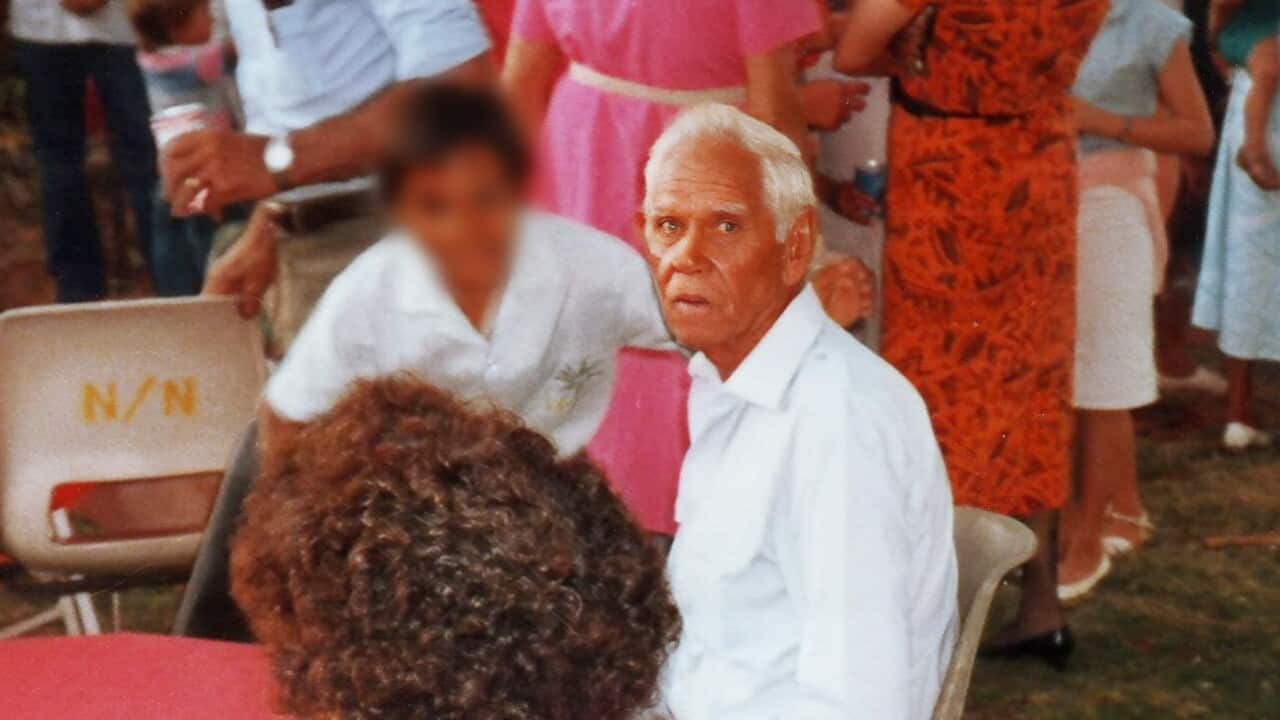


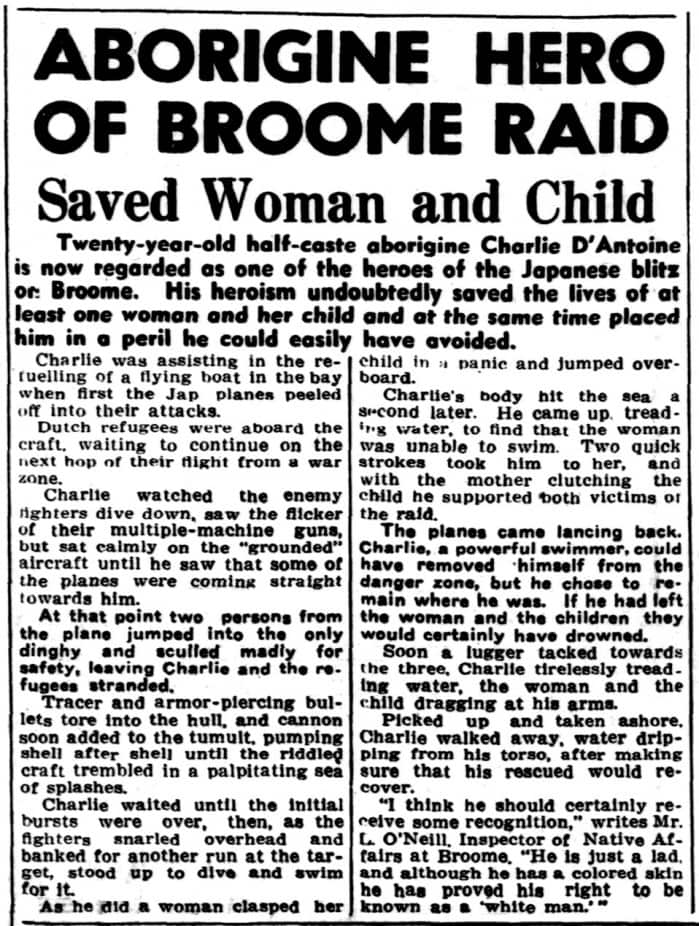
On March 3, 1942, Japanese fighter planes attacked Roebuck Bay in Broome (WA). At that time, there were 15 flying boats at the bay, most of them carrying evacuees from the former Dutch East Indies. Broome was the place where flying boats were refuelled and resupplied, before continuing their journey South. The air strike killed 88 people. 20-year-old Aboriginal man Charles D'Antoine was working as a tank attendant at the time of the attack, and saved the lives of three Dutch citizens; a mother with her child, and a young six year old girl. For his heroic act, Charlie received several medals of honor from the government in the Netherlands. Edie Wright, Charlie's niece, wrote a children's book about this event: Charlie's Swim. We interviewed Edie about her time in education, her passion for writing and, of course, her uncle's life saving act.
In the conversation, we quote the last paragraph of the newspaper report below. This article appeared in the Perth's Sunday Times on March 15, 1942.
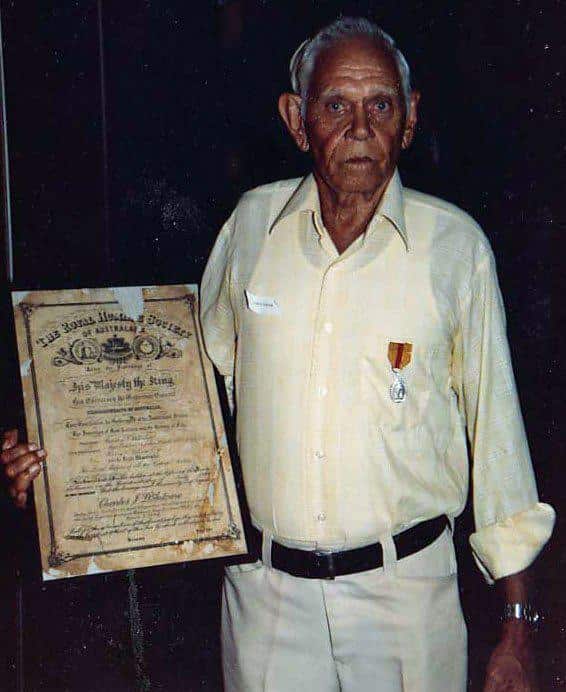
Charlie D'Antoine received multiple awards from the Netherlands.
About the book:
During the Second World War, after the Japanese invasion of Java, more than 1,000 refugees from the Dutch East Indies, many in flying boats, passed through Broome. The site was an important refueling point and was an important Allied military base. On March 3, 1942, Broome was attacked by Japanese warplanes, killing at least 88 civilians and Allied military personnel.
Charlie's Swim is based on the true story of the author's uncle (Charles D'Antoine), who was working in a flying boat when the attack began. Amid flying bullets, blazing fires and sharks, Charlie saw a woman and child desperately trying to stay above water and unhesitatingly came to their aid.
For more information about the book Charlie's Swim, click here.