
It's a decades-old conflict, that reignited three weeks ago in brutal fashion. Armenia and Azerbaijan, clashing, once again, over Nagorno-Karabakh.
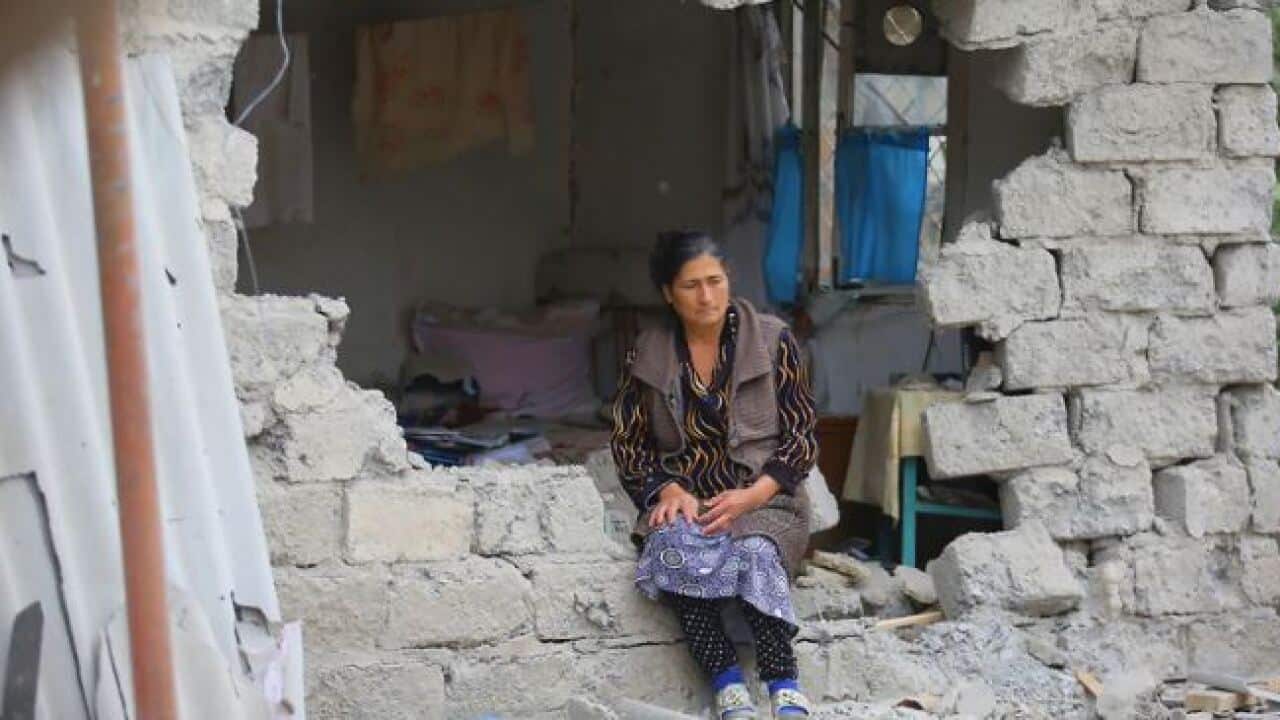
The accusations from both sides are shocking: of genocide, war crimes, and civilians being deliberately targeted.
A fragile ceasefire has done little to quell animosity.
The complex and sensitive situation has sparked anger from ethnic Armenians and Azerbaijanis around the world - including in Australia.
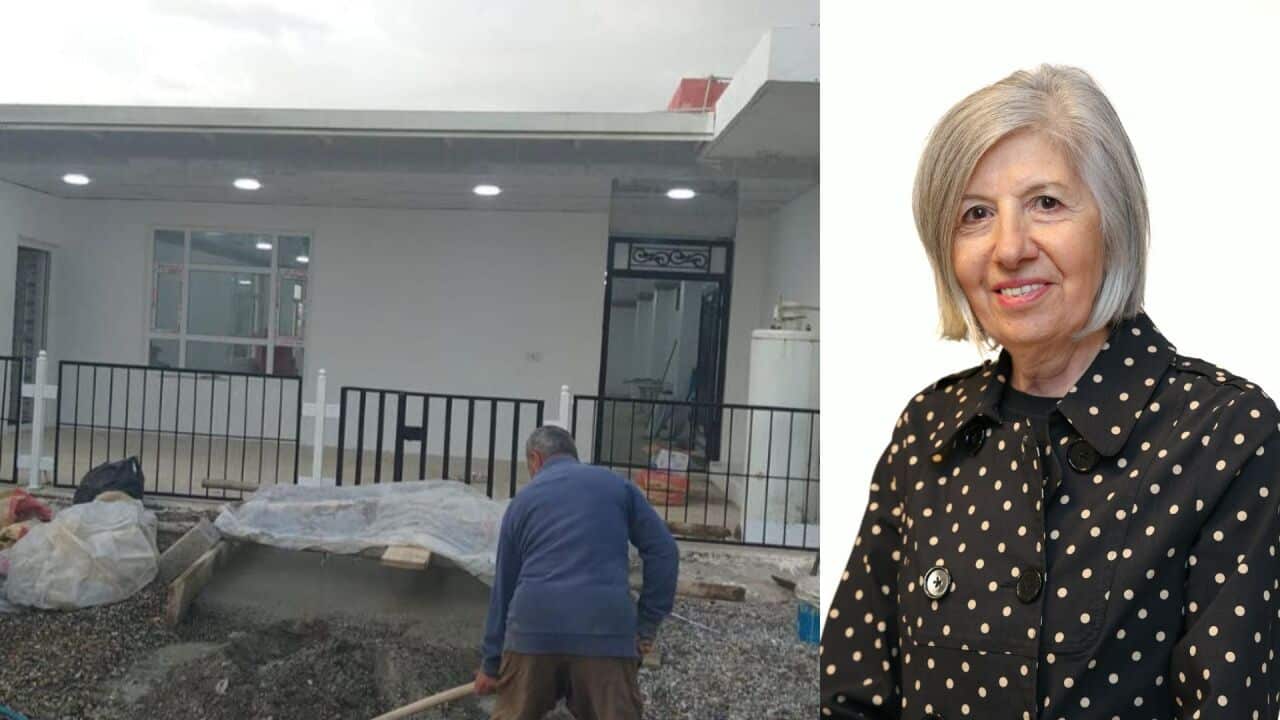
Vache Kahramanian says Armenians in Australia are feeling sorrow and despair.
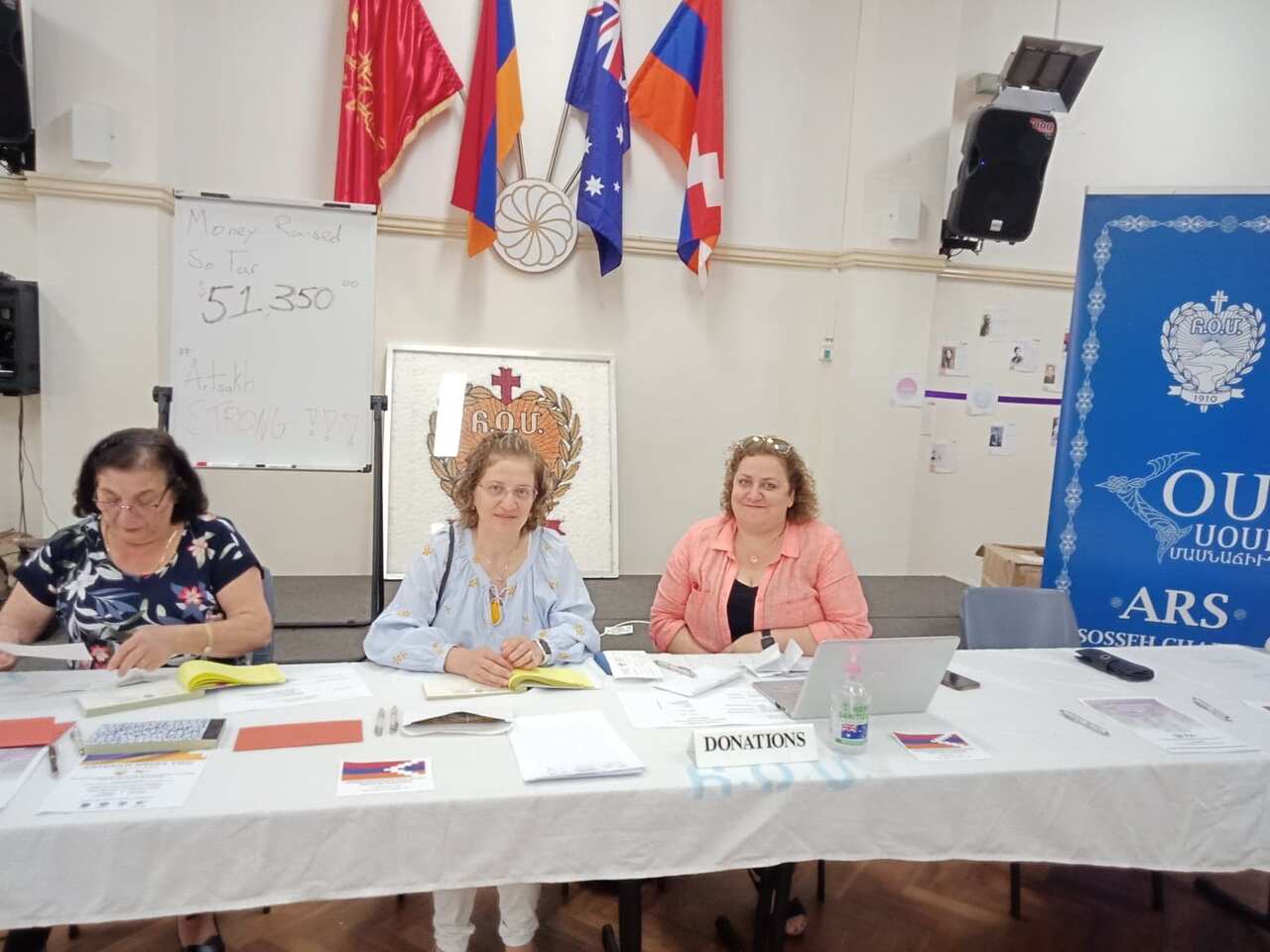
Australia's 50-thousand strong Armenian diaspora, the majority based in Sydney, is planning further protests.
Haig Keyserian, the Armenian National Committee of Australia's Executive Director, says communities here have raised more than one million dollars for Armenian civilians caught in the conflict.
Nagorno-Karabakh is largely occupied by ethnic Armenians but is internationally recognised as part of Azerbaijan.
The fighting has evoked haunting memories on both sides. Jessica Oyta says her Australian Azerbaijani community feels just as distraught as the Armenians.
Ms Oyta says the shelling of Azerbaijan's second-largest city, Ganja ((Gan-JUH)), hours after a ceasefire was brokered, has her community fearing a repeat of the violence seen during a war over the territory almost three decades ago.
In 1992, scores of Azerbaijanis - estimated in the hundreds - were murdered in the Nagorno Karabakh town of Khojaly.
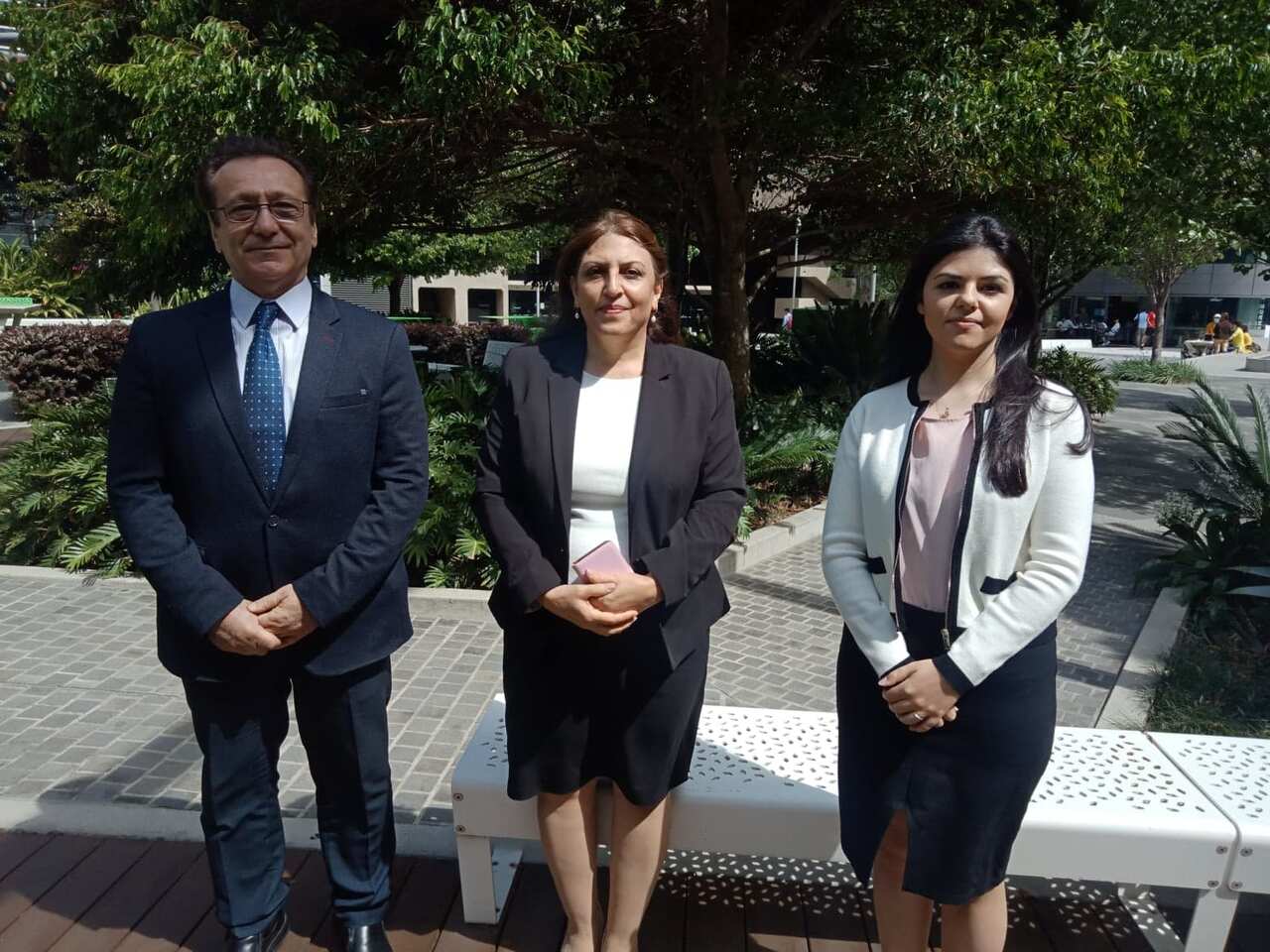
Haig Keyserian says that for Armenians, attacks on civilian areas in Nagorno-Karabakh - and Turkey's reported inclusion in the conflict - has reminded them of a nightmare dating back a century.
1.5 million Armenians were massacred by the Ottoman Empire during, and after, World War One.
Turkey denies claims by the United States and France that it's actively backing Azerbaijan in the fight for Nagorno-Karabakh.
So does Ramil Gurbanov, Azerbaijan's top diplomat in Australia.
Australia's Armenian and Azerbaijan communities both believe peaceful co-existence in the region is possible ...
ut, only if the other side relinquishes its claim over Nagorno-Karabakh .
Vache Kahramanian says the region is of deep historical significance to Armenians.
Dr Shami Nejadi, an Azerbaijani Australian, believes internationally recognised borders should be respected.
For now, the prospect of peace appears a long way off, as both sides claim injustice, and use the history of past horrors to bolster their cause.