Highlights
- Ria experienced a stigma growing up with curly hair in the Philippines
- Since transforming her hair through the Curly Girl Method, Ria now helps others do the same through the Facebook group, Curly Girls Philippines.
- Members of the group have claimed that caring for their curls has led them on a journey of self-love, confidence, and appreciation of their Filipino heritage.
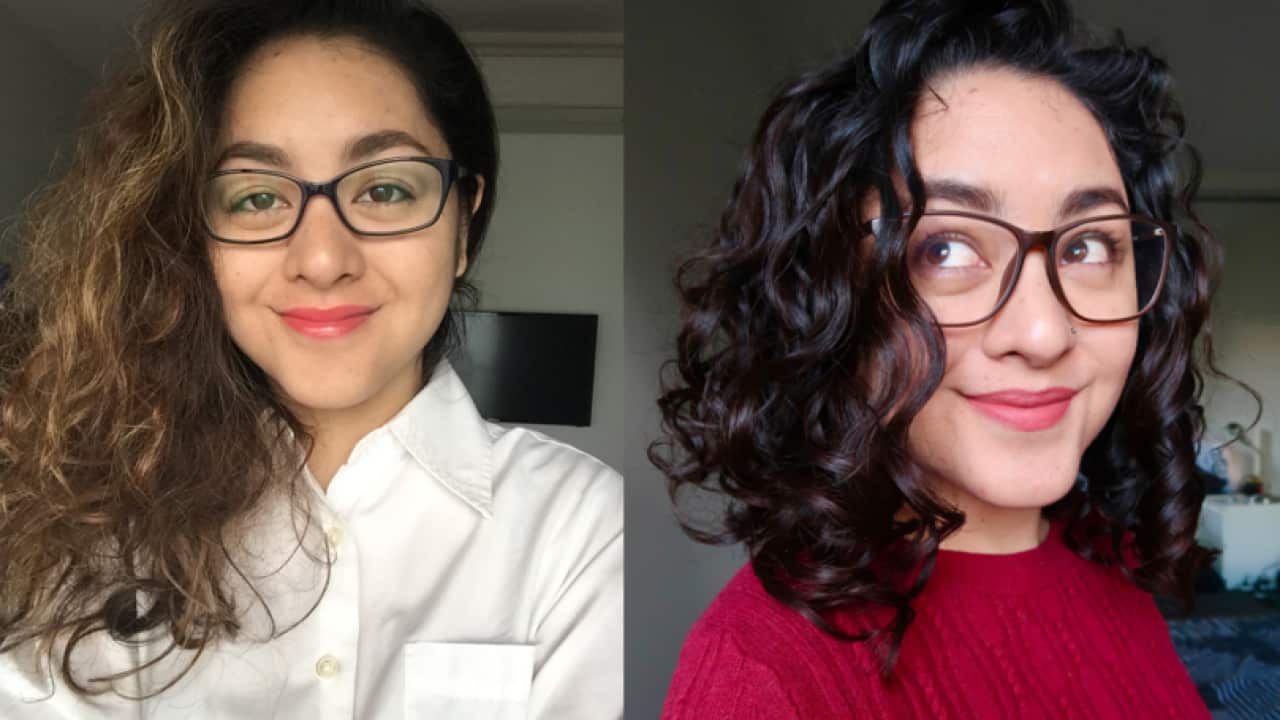
Sporting a crown of glorious curls, the Melbourne-based e-learning developer, is on a quest to lead curly-haired women away from the straightened path. And if you think hair isn’t all that big a deal, try telling that to the 66,000 members of the Facebook group, Curly Girls Philippines, which Ria founded.
Growing up with curly hair
Ria was born with the wrong kind of hair, or at least that’s how she was made to feel growing up in the Philippines. “[My hair] was something I felt was ugly, and it made me feel ugly as a whole,” she reflects.
She recalls that a teacher in the 6th grade would only let her in after she had gone to the bathroom to slick her bushy hair down with water.
Another teacher made her feel humiliated when she began to fix Ria’s hair without her consent during class. She remembers trying not to cry as her classmates stared. It set the stage for her believing that her hair wasn’t something to be proud of.
How the media portrayed curly-haired women
It didn’t help that Philippine media showed a very rigid norm that associated beauty and goodness with stick-straight locks. With a wry smile, she recalls a popular movie with '90s Philippine teen idols, Rico Yan and Claudine Barretto.
“[Claudine] was like a bad girl and she had this curly hair. She was smoking and everything. And then she fell in love with Rico and became good… and her hair straightened out.”
The Curly Girl Method
In her thirties, Google led her to the eye-opening discovery of The Curly Girl Method. She learned from British author and hair guru Lorraine Massey that she had been doing haircare completely wrong all her life and that there was a very specific and different set of rules for curls.
After adapting the routine, Ria was amazed when her lifeless frizz slowly transformed into a cloud of bouncy, glossy ringlets.
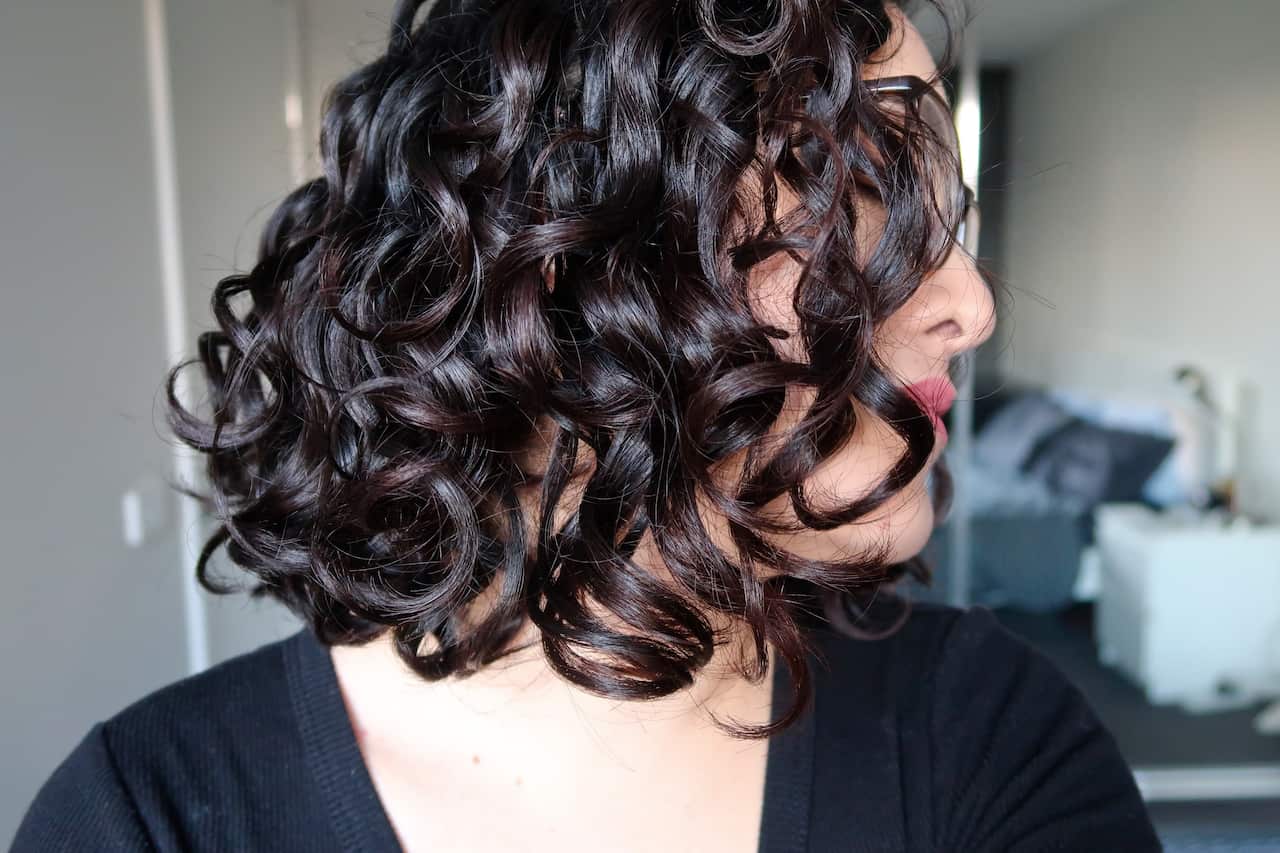
Her hair rebirth caught the eye of a journalist friend who then published a small feature on it. What happened next was unexpected: her social media inboxes blew up overnight, inundated with inquiries from other frizzy-haired Filipinas, desperate to end their bad hair nightmares. Thus, Curly Girls Philippines was born on Facebook as a means for Ria to share her knowledge of CGM.
Their mission? “To empower Filipino women by helping them embrace and care for their natural textured hair”; and “to change Philippine beauty standards to remove the stigma around natural curly hair.”
Their guiding principles? A haircare routine called The Curly Girl Method or simply ‘CGM’, invented by Lorraine Massey.
Teaching the basic steps of CGM to 66,000 women is no mean feat. “[Moderating the group is] like a second full-time job,” she laughs. “But I love seeing those moments when a Pinay’s worldview just flips like, ‘Oh my gosh, this is possible!’”
The group now includes members from all corners of the Philippines and also Australia, Asia, Europe, and the Middle East. And because great hair matters at any age, the group’s devotees have been as young as ten and as old as seventy. It’s become a safe space for curly-haired women to let their hair down, literally and symbolically.
Feeling beautiful and confident
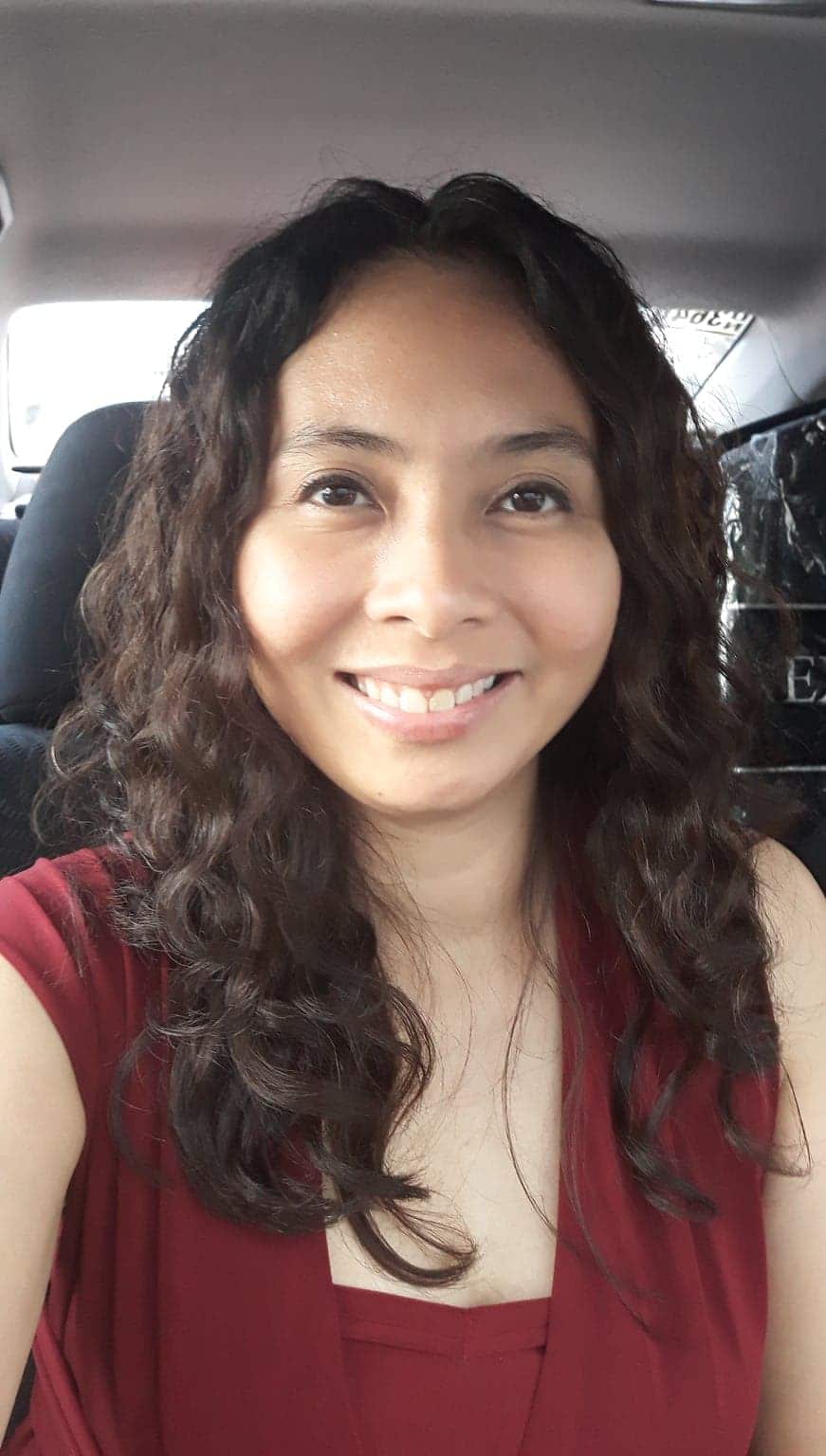
For Pam Lloren, 37, the group has enabled her to feel beautiful and confident for the first time. After wearing her hair up for most of her life, the University of the Philippines instructor now loves sharing photos of her mermaid waves.
“Finally, I feel great about myself,” she says. “I feel so much love and support from my fellow curlies.”
Aside from sharing hair selfies, products, and tutorials, it has also become a place to heal from the trauma of not feeling accepted for their looks. Like Ria, many of the women experienced shame and bullying for their hair texture.
She remembers how one member burst into tears while recounting how her mother dragged her to a salon and forced her to get her hair straightened. “If there's anybody who should believe that you're beautiful the way you are, it's your own mother,” says Ria.
'Proud of my curly hair'
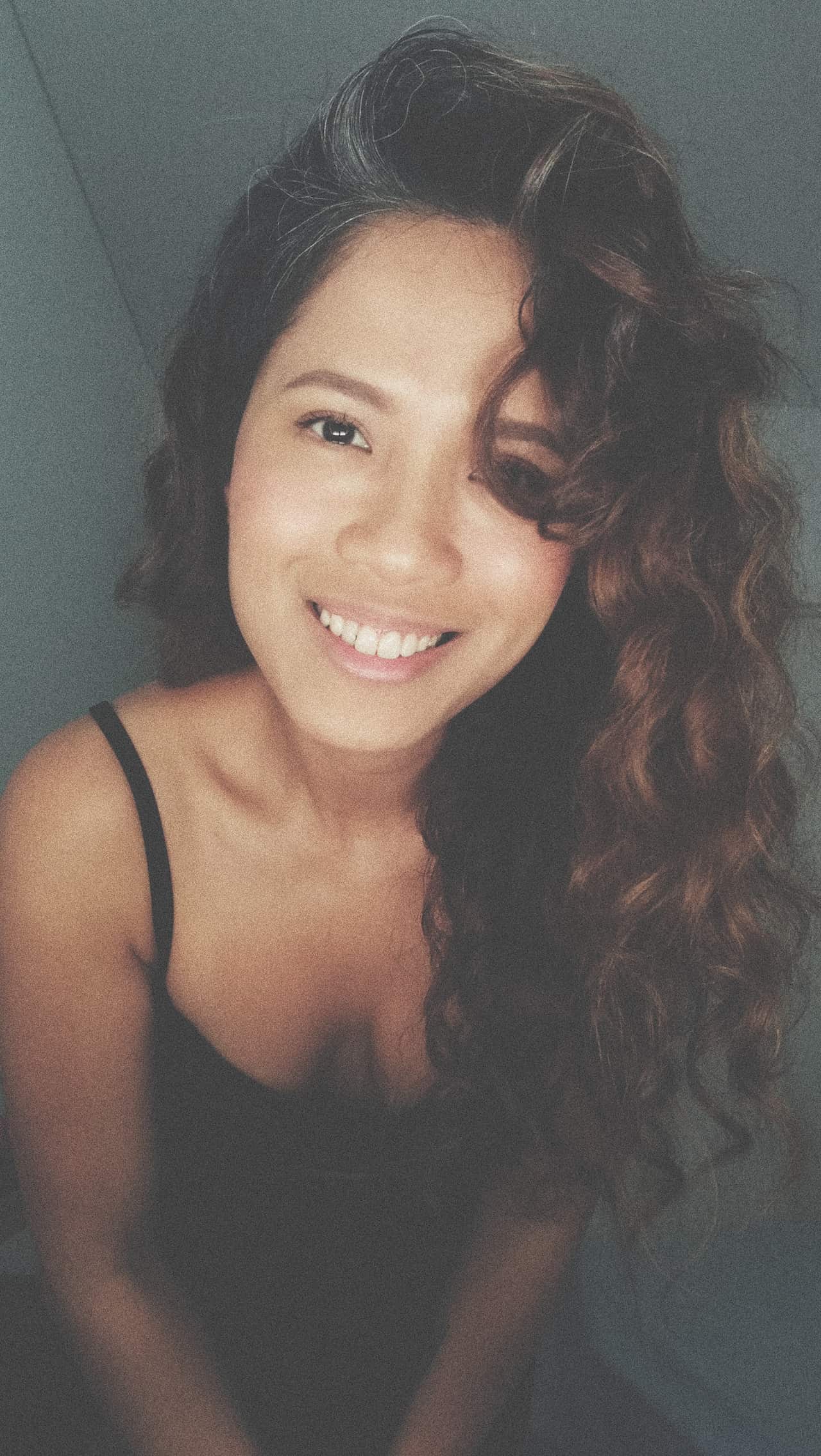
But not all its members grew up cursing their curls. Sydney student, Alex Lapa, 37, grew up proud of her tresses, but only learned how to make them come to life when she joined Curly Girls Philippines.
Since moving to Sydney to pursue a masters degree, she’s felt an even stronger connection between her natural curls and her Filipina identity. Though she never personally experienced curly hair discrimination, she believes it is ingrained in Filipino culture. “This is a natural Filipina look. Why do Filipinos hate looking like themselves?”, she wonders.
'Natural is beautiful'
She believes that for many members of Curly Girls Philippines, CGM is the first step into loving and accepting their heritage. “You can try to be something else,” she proclaims. “But for me, it's not sustainable, because eventually, at the end of the day, you're always going to end up with yourself.”
But what’s in it for non-curlies? According to Ria, even straight-haired girls have benefitted from the Curly Girl Method, achieving a healthier and shinier mane.
“One of the core values of CGM is ‘natural is beautiful,” she says. “So Curly Girls Philippines celebrates self-acceptance and the beauty of all kinds of hair, whether that’s straight, wavy, or curly.”



