
Highlights
- Australia is undergoing a 'great reshuffling'.
- Uncertainties have led to a mental health tsunami. This has led to a search for something better.
- Change fatigue leads to burnout.
Speaking to the Australian Industry Group, Treasurer Josh Frydenberg says that while the United States and other world economies are undergoing the 'great resignation', Australia is seeing its workforce leaving jobs for other careers and industries.
The 'great reshuffling'

Terming the transition as the "great reshuffling", Frydenberg states in his speech, "Treasury analysis shows that over one million workers started new jobs in the three months to November 2021. The rate at which people are taking up new jobs is now almost 10% higher than the pre-COVID average."
"In the last three months, a record number of around 300,000 workers say they left a job because they were looking for better job opportunities."
The disruption

According to is Canberra-based psychologist Donn Tantengco, the great reshuffling has a lot to do with simply giving up on the status quo and looking for something else.
Donn specialises in professional supervision and organisational development among others.
"Our daily lives have changed because of the pandemic, meaning our capacity to predict, plan and have a routine stopped. These three things are absolutely essential for our sense of safety.
"We are pre-programmed to have our stress mechanism pay attention to our safety; so you may ask yourself 'I'm working from home, but why am I so stressed?' You can't plan the way you used to when it comes to everything - travel, watching a movie or even just hanging out with friends in a café."
Being unable to plan like before has led to the great tsunami burnout because aside from unpredictability, obligations continue and persist.
"You have to adjust all the time, especially for business owners. Like a café owner will constantly ask himself if he can open shop today or even if any of his staff tests positive. Even if this is the case, bills don't stop. He still has to pay rent.
"The pandemic has disrupted our work and workplace - no matter the industry."
The fatigue

The accumulation of disruptions have led to a sort-of battle fatigue, Donn says.
"This pandemic has dragged on for too long. It's tiring and people have to always make an effort to cope on a day-to-day basis."
He says that even during pre-pandemic years, organisations have gone through so-called change fatigue.
"When there are too many manager or directions changing all at the same time, employees won't have a sense of stability. The constant changes add on to the stresses of the workers' day-to-day duties.
"We are now at the stage that whatever resources we had in 2020, we no longer have them. For example, we don't have trips as we used to to recharge, so we tend to look for something new or different to boost our sense of self.
"Caring and parenting have also become more challenging. Our plates are a lot fuller."
'We're all going to get COVID anyway.'
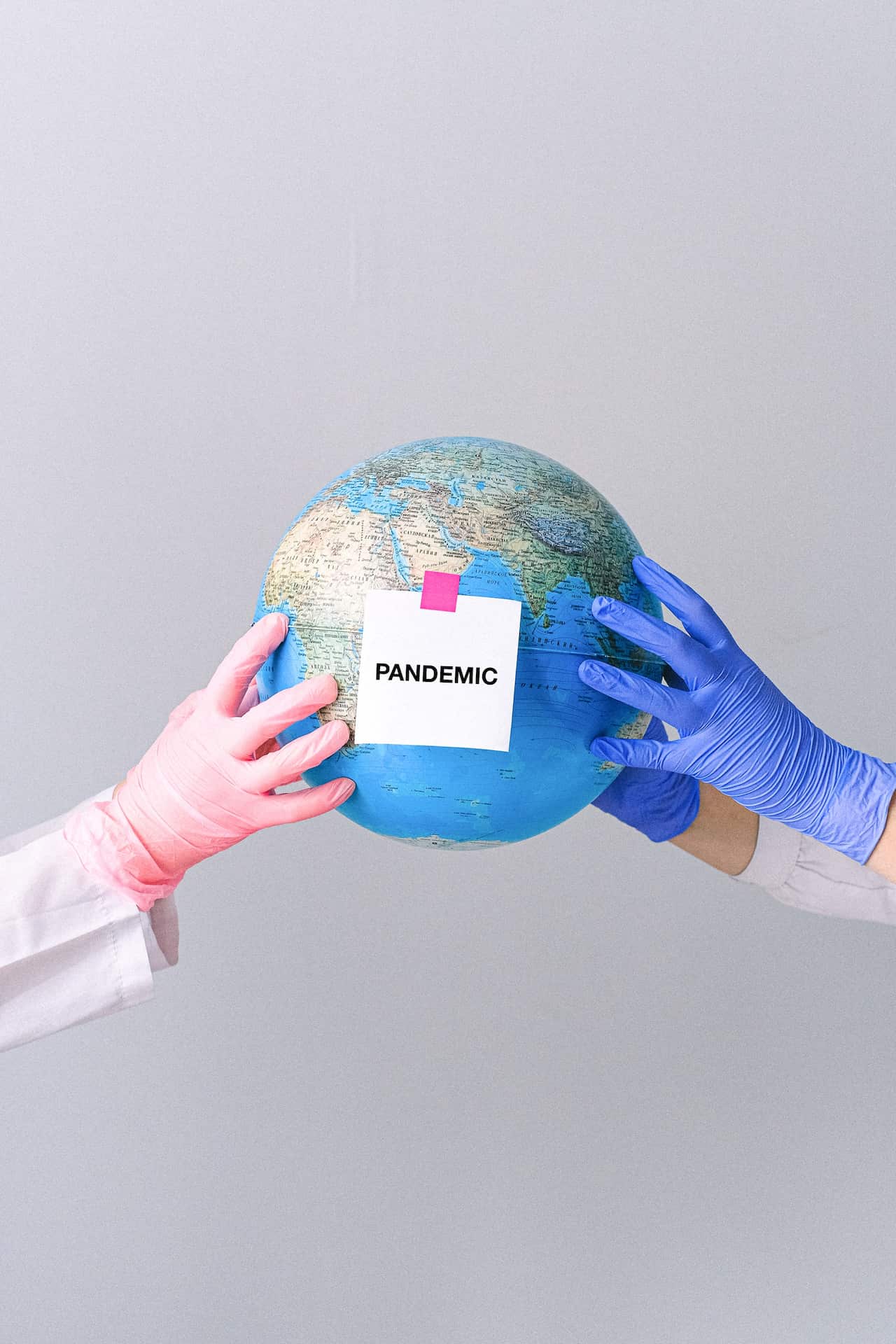
With our plates running over, some have developed a rather fatalistic attitude to the pandemic.
"Some say 'We're all going to get COVID anyway.' They're tired too and perhaps they've given up. They think getting COVID is a given.
"Some even consciously choose to have COVID parties - which I do not advise at all because it's not like the chicken pox.
"Some emotions are elevated and overwhelmed. It's like if you're in a burning building - do you jump out or wait for help?"
When there's no escape
Donn says that our current situation has made it so that people are always alert and vigilant.
"Your nervous system is always switched-on. There is uncertainty regarding where the pandemic is headed and, the enemy is invisible."
When there is no way to physically escape the pandemic, Donn suggests to take stock of what is important and what can be controlled.
"Narrow your focus on what you can and can't control. Don't let your mind go too far out. Don't worry about what will happen in six-months' time. Instead, look at what you can do so that you and your family are ok now.
"Ask yourself what you can do to feel joy, purpose and a sense of achievement."
For business owners and managers, Donn shares that it is important that they take care of their and their staff's mental health.
"There are third-party companies that provide Employee Assistance Programs (EAP). Employers can utilise these to deliver around five counselling sessions per calendar year for staff.
"If you own a small business, you can have a heart-to-heart chat with your employees - after all, you're all in this together. You can even have a virtual team building day or have a day wherein you routinely check on your employees."



