
Highlights
- Patricia says that overworking for a prestigious title took a toll on her mental health.
- She shares anecdotes regarding tram driving, including experiences with misogyny, racism, night-driving and a celebrity sighting.
- She aims to continue working as a tram driver indefinitely.
Listen to audio
"Days can be very hectic. I really enjoy driving at night. It's very calm. I get to enjoy Melbourne at night. I go past Crown and I see the city, and I'm like, 'Wow! It's so pretty!' I made the right choice."
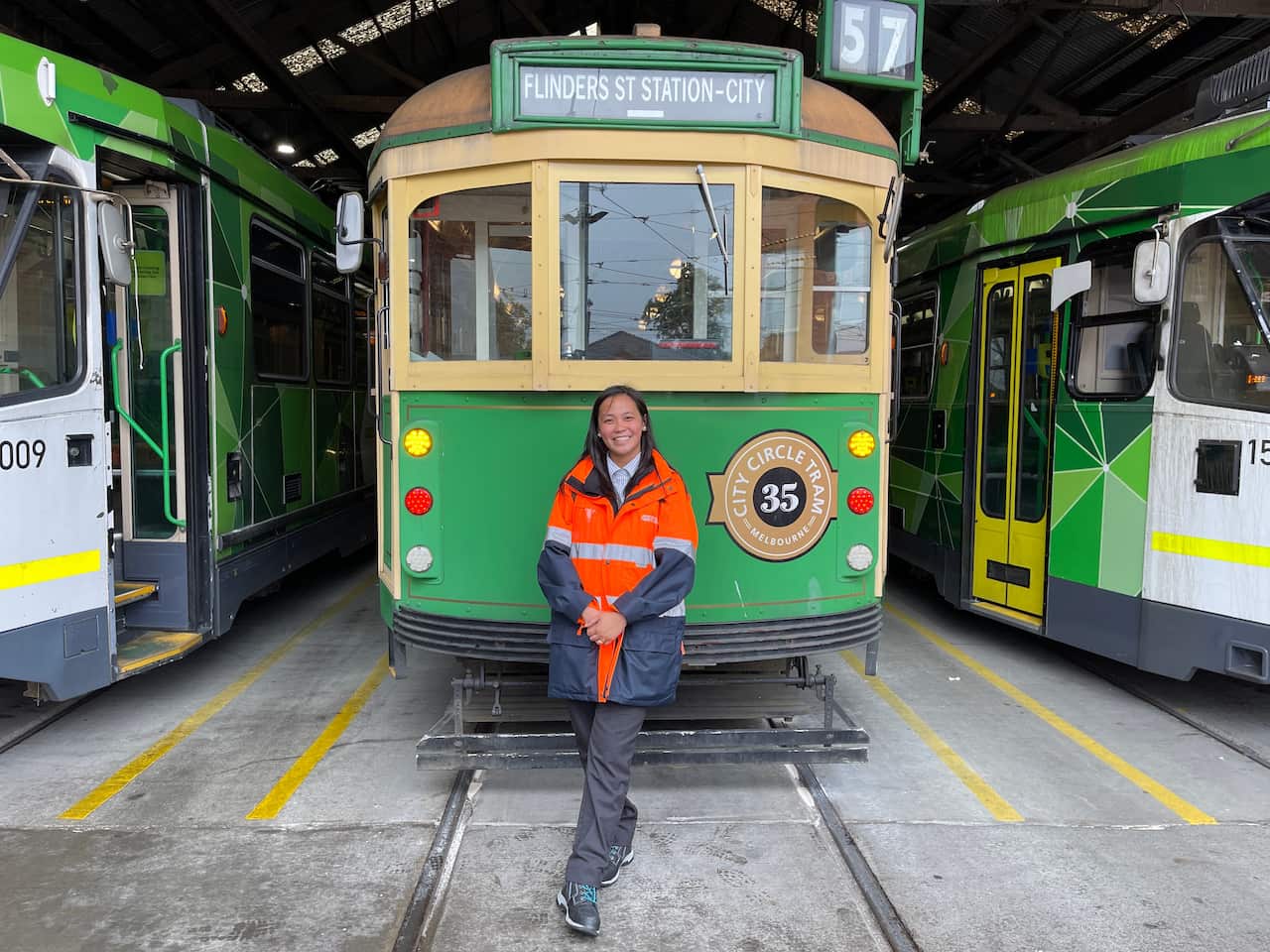
After giving up a stressful career in events, 28-year old Patricia Santiago says she's realised that she's found her "forever" job - driving a tram.
The glamorisation of overworking
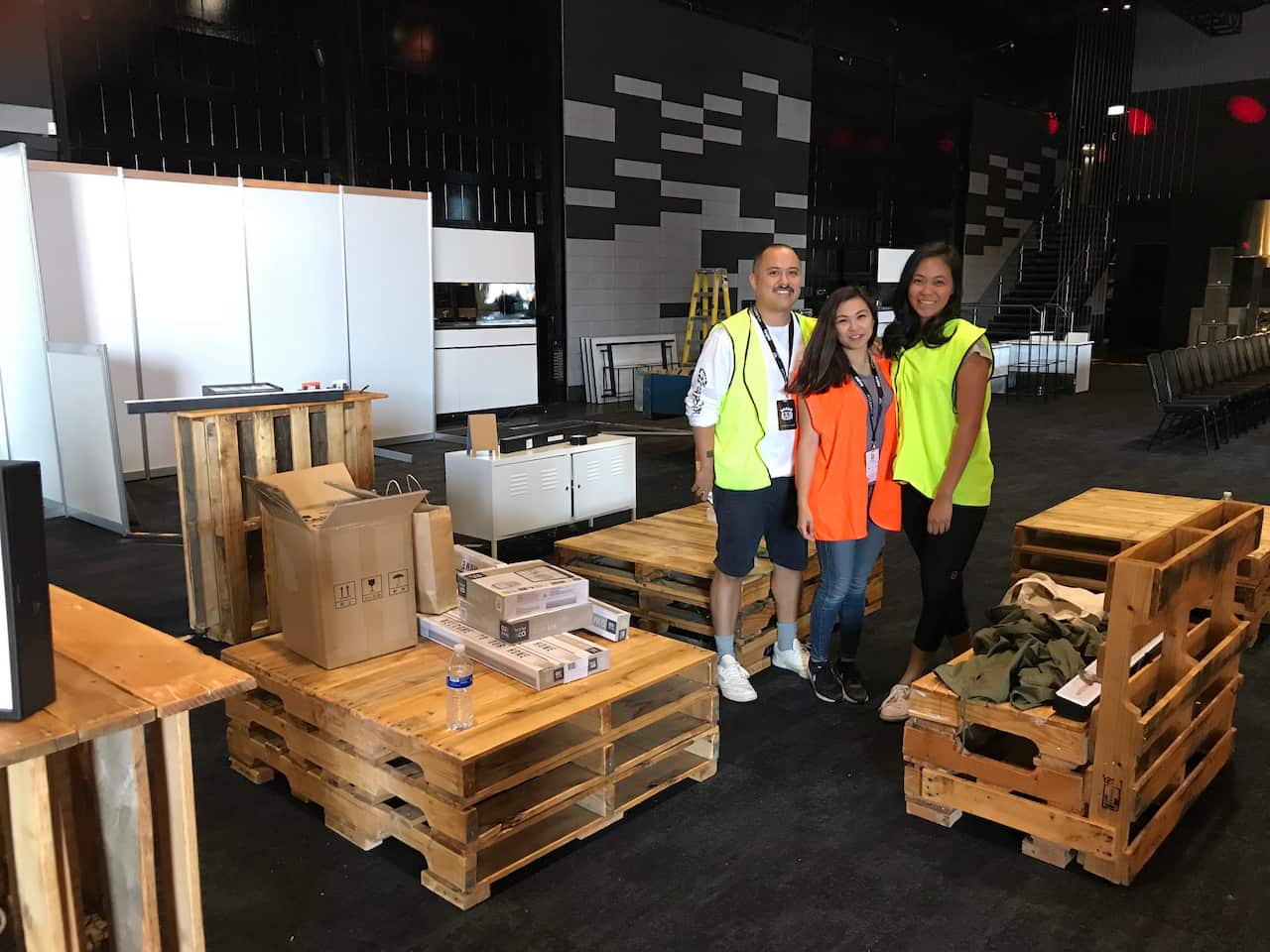
Previously part of the events industry, Patricia admits to loving having a prestigious career.
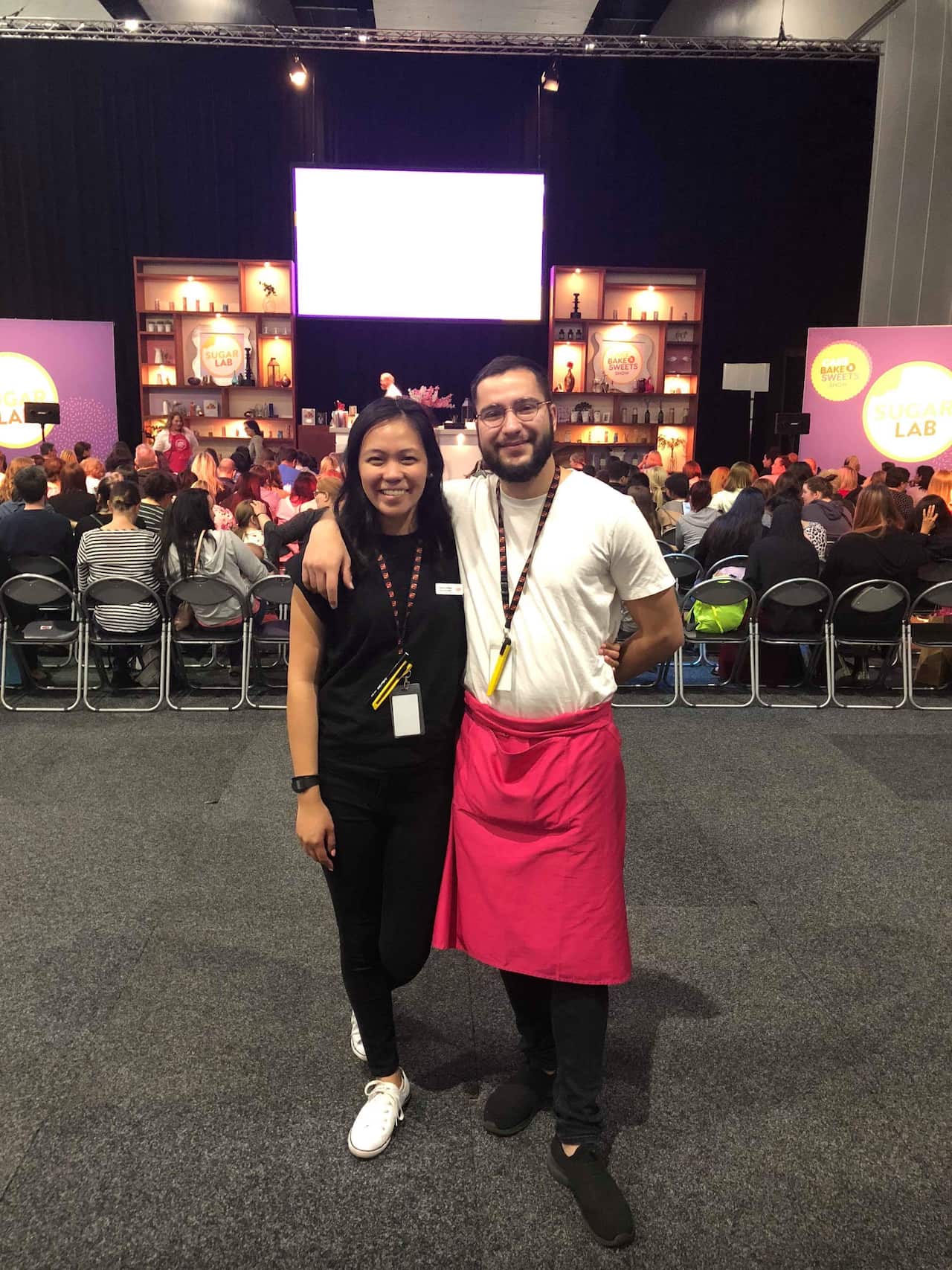
"I started my career with exhibitions, like 'Cake, Bake & Sweets Show' and the 'Australian Open'.
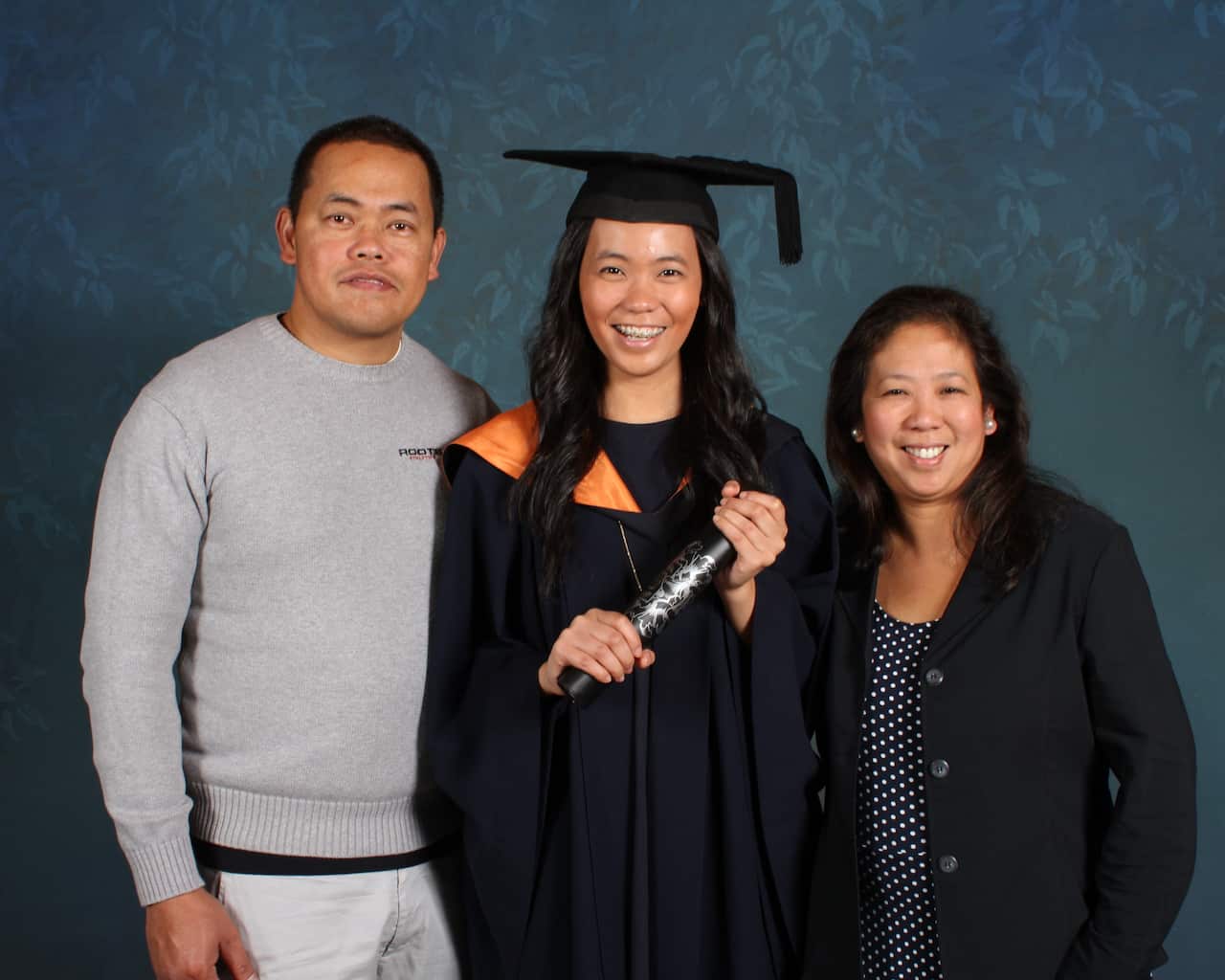
"I grew up being told that I had to have a job title, to be someone in a company. I knew my parents were proud of me, but when I had the title of 'Marketing Manager' and 'Events Coordinator', it meant so much to them, and to me too."
However, she shares that she noticed that others would advance a lot quicker than her.
"It seemed like my background was a disadvantage. I was young and Asian. It didn't help that when I walked into a room, everyone would stare at me because I was different. They didn't see me as 'Aussie'.
"Because I was being overlooked, I constantly felt that I had to prove that I was good at my job. I felt that I had to do more work than the others."
While she loved the work she did, she admits to the industry being cutthroat.
"It's always about selling something. I remember a time when I was working consistently for about six weeks. I put in 70 hours a week. I barely went home. I barely saw my family. My poor dogs didn't get their walks. Now I think to myself - why? What was I doing? I had limited my life so much."
Much like a lot of workers, Patricia was overworked and burned-out.
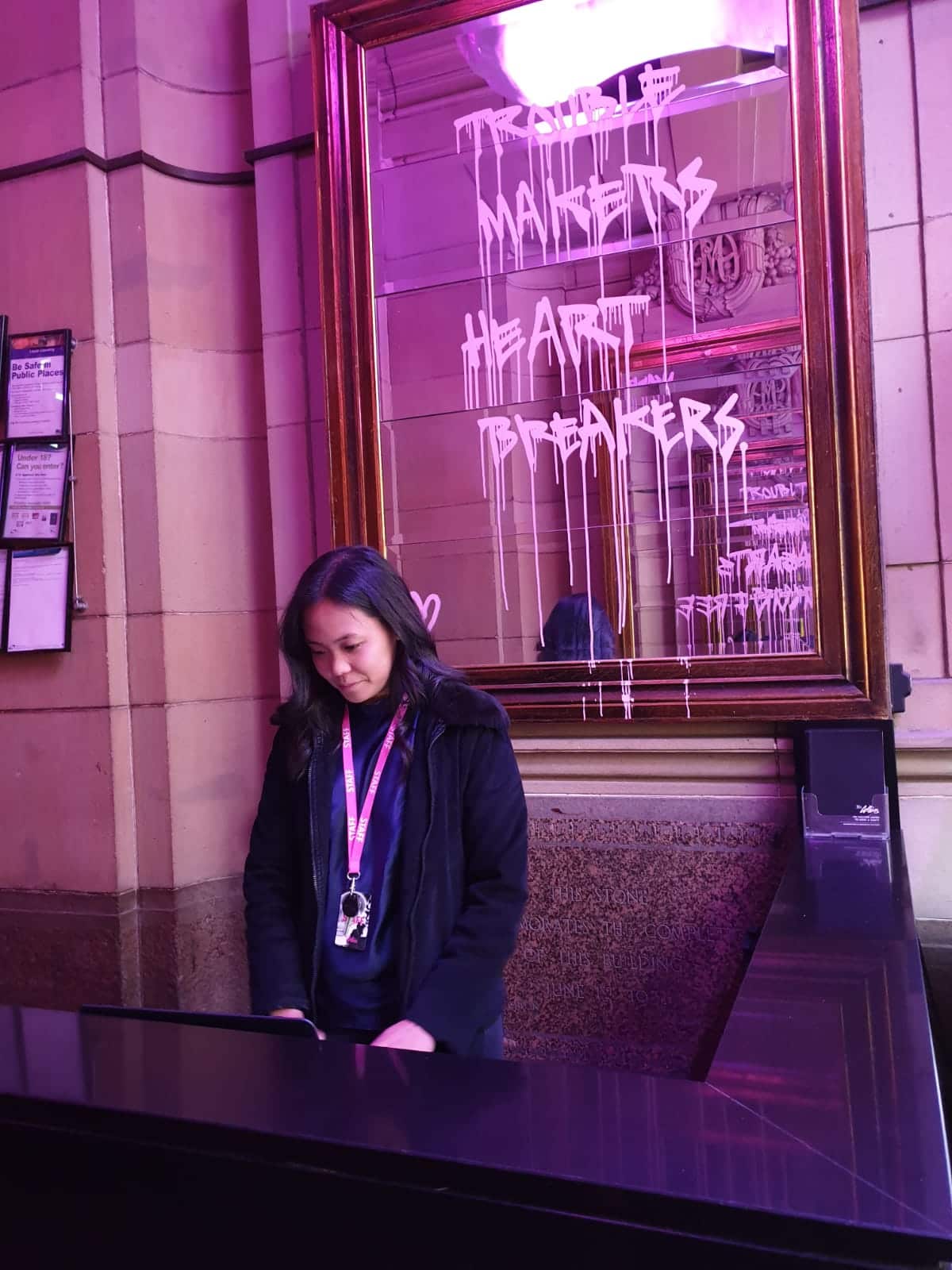
"Being born in the Philippines and growing up Filipino-Australian, mental health wasn't something that was given much importance. That's why I stayed in my old career for the years I did. I was pushing [the fatigue and stress] away even if they were completely destroying me.
"We glamorise overworking sometimes. I've done that and I didn't like it. Having a title is great. Getting ahead in a company is great; but [having a good work-life balance] is better."
A chance at balance
Patricia was given a chance at having balance when the pandemic hit.
"There were no events. We were on lockdown and I couldn't see when events would come back.
"I would do graduations and that was fun. I was a small fish in a big pond, but I was okay with it. I was surviving."
During the pandemic, she did marketing from home during the day and worked at a grocery at night.
"I really wanted consistency and security, some sort of stability.
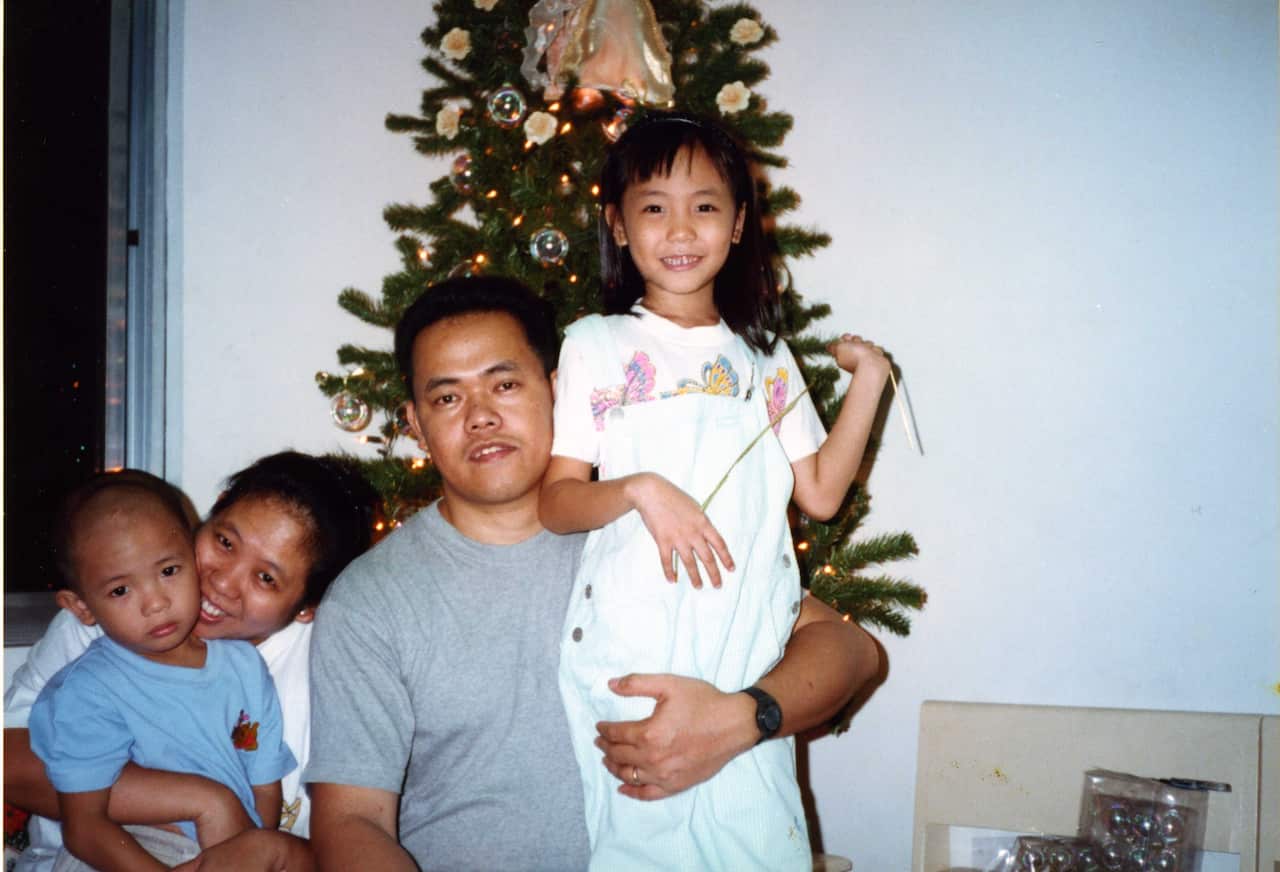
"My dad actually convinced me to look for a marketing job at Yarra Trams because he's been with the company since we arrived in Australia. My aunt is with Yarra Trams as well. I've seen them both have a good work-life balance, and I saw my dad going to work even during the pandemic."
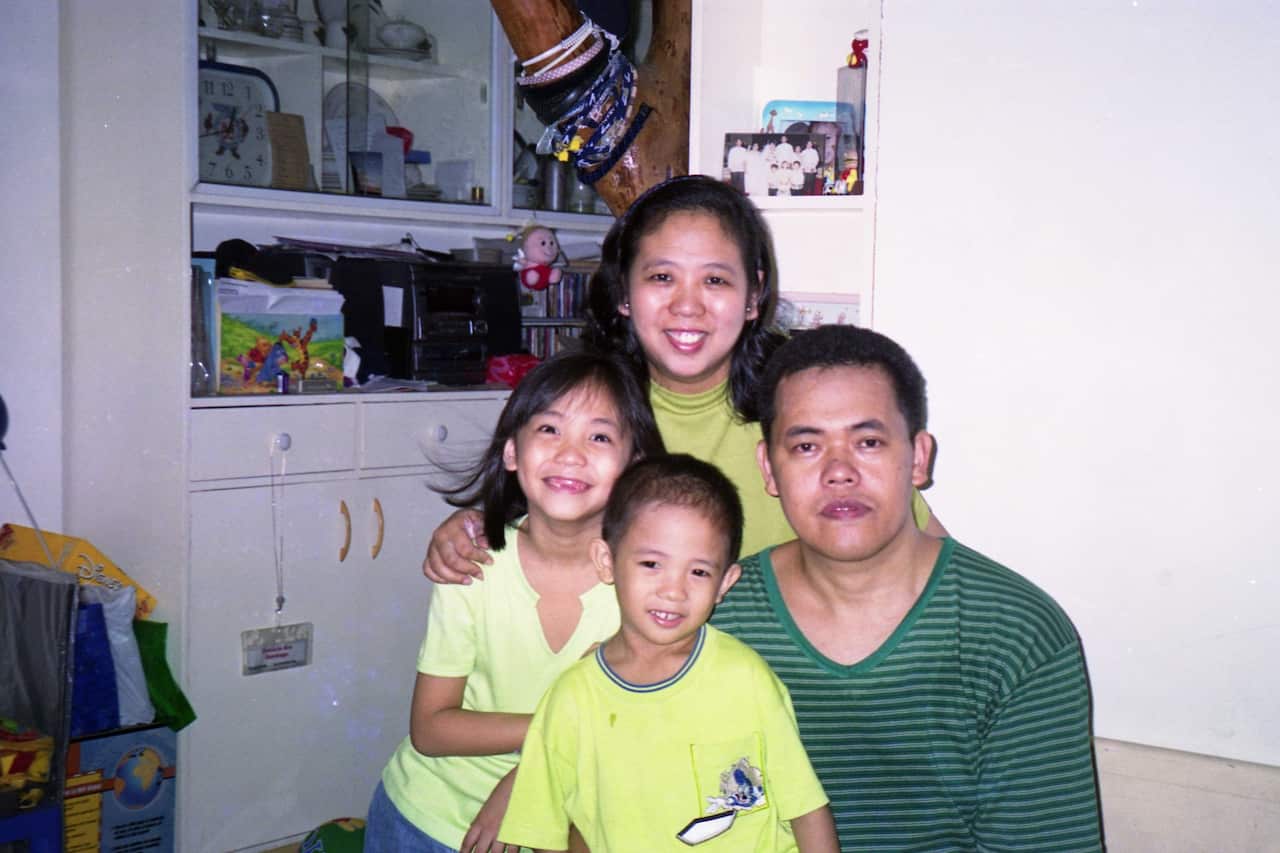
Instead of applying for a marketing job, Patricia decided to apply to be a tram driver.
"I applied online for an expression of interest. I told my partner, but I didn't tell anyone else about it. If I didn't get the job, I didn't want to disappoint my parents.
"I brought my documents, did a computer-based test and met with my potential managers. I went through a stressful six or eight weeks of training where I had to learn how to drive a tram and deal with the pressures of it. After passing heaps of assessments and tests, I started driving by myself. All of that was definitely worth it."
On the right track
Patricia says that driving is the easiest part of working as a tram driver.
"I've dealt with fights breaking out and drunks on my tram.
"The hard part is when people get on my tram and they look at me and they're like, 'You're a woman', 'Oh, you're not an Australian'. It hurts, but because I'm providing a service, I let it go most of the time."

While there are those who perceive her as different, Patricia says that majority of the time, people see the tram and not the driver.
"I'm invisible," she admits.
One passenger that did acknowledge her was a celebrity.
"One of the coolest things was when I saw Naomi Osaka during the Australian Open, completely incognito. She jumped on my tram. When I saw the initials on her shoes, I said to myself, 'Oh my God! You need to focus on driving!'," she laughs, adding, "Then she said, 'Thanks, driver!' as she was leaving. I was starstruck!"
Good and bad experiences aside, Patricia says that she hopes that she lasts "forever" as a tram driver.
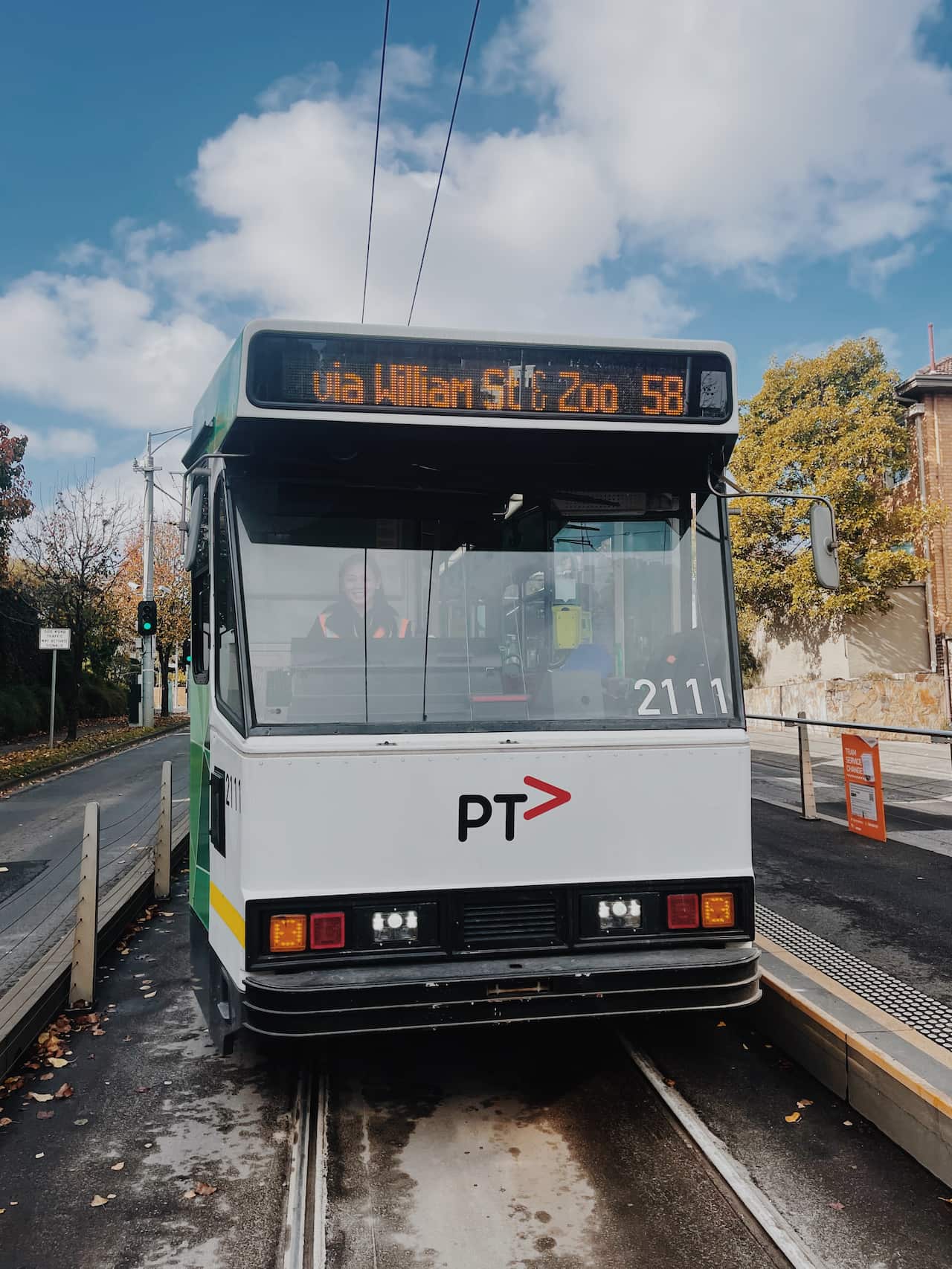
"Being from the Philippines, status means a lot. My route passes through where I used to work and I see my old colleagues. I drive through the city and see everyone in their business suits. It makes me miss my old career, but not enough to pull me back.
"I wear high-vis, safety shoes. That's a reality check. It's not a glamorous job and I wasn't used to that; but this is a job that's needed for the economy to work. People need trams to get to work, to function."
Patricia admits that she enjoys the pay that comes with the job, and the fact that once she turns off her tram, she doesn't bring work home with her.
"I love my job, my depot and the people I work with.
"My idea of success now is being happy in my personal life and career. I love that I am able to spend enough time with my family, to live comfortably and to be able to do what I want. Before Covid, success to me was about status, about moving up.
"But, this job gives me more opportunities in life, and that's something I would never ever change.



