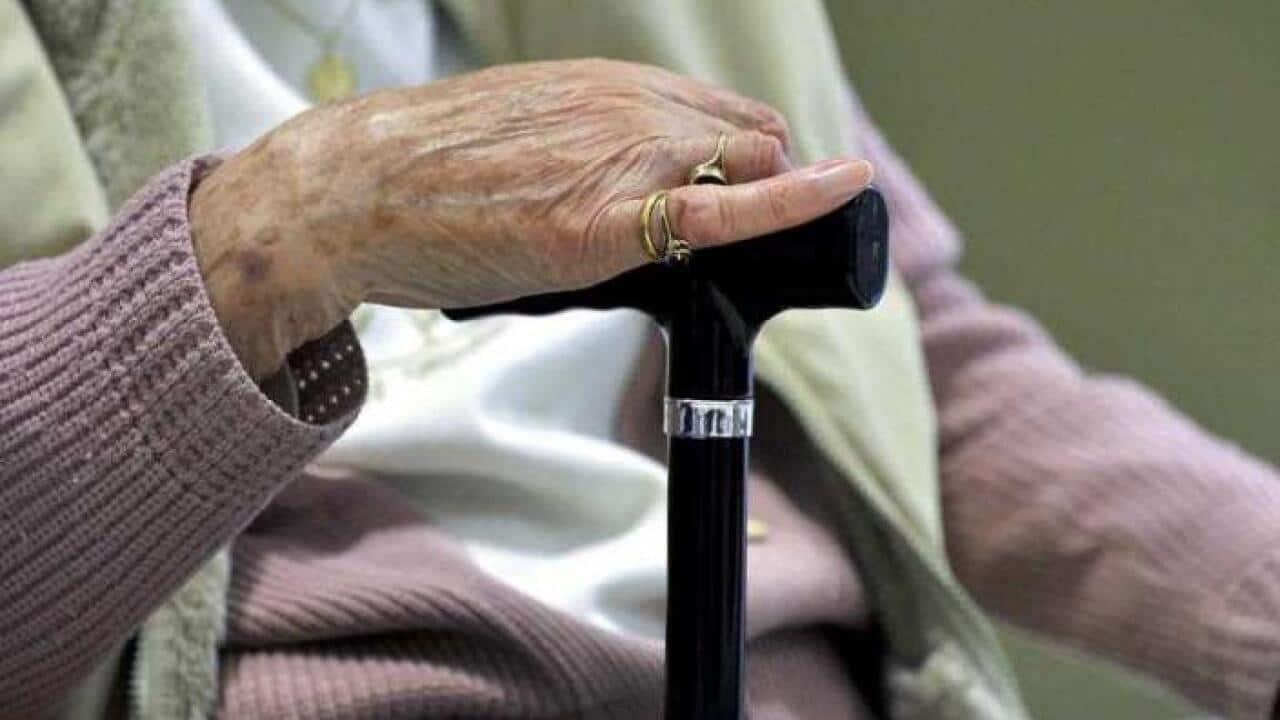
1. Elder Abuse affects up to ten per cent of the worldwide population but most cases go un-reported.
Source: NSW Seniors Rights Service

2. Elder Abuse means any single or repeated act, or lack of action in a relationship "where there is an expectation of trust which causes harm or distress to an older person."
Source: World Health Organisation
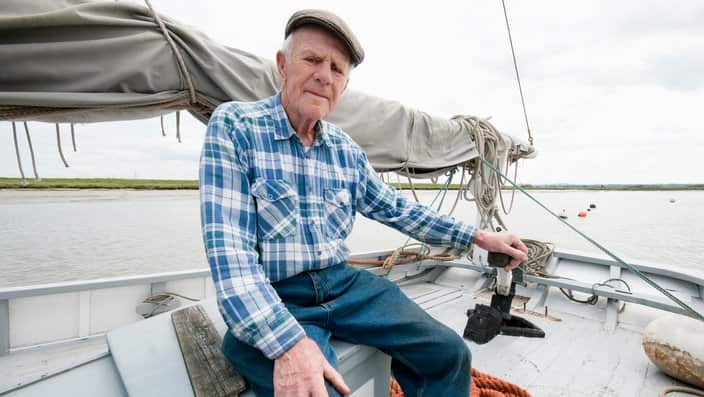
3. Elder abuse doesn't only mean physical abuse - it also covers psychological abuse, economic abuse and neglect.
Source: The Australian Institute of Family Studies
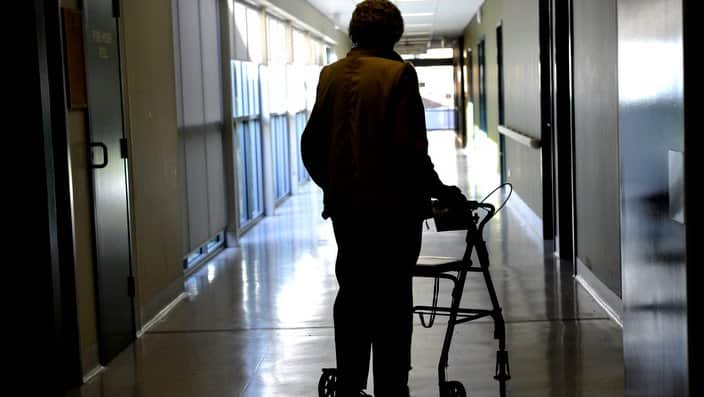
4. In 90% of elder abuse cases, the perpetrator is a family member.
Source: Seniors Rights Victoria
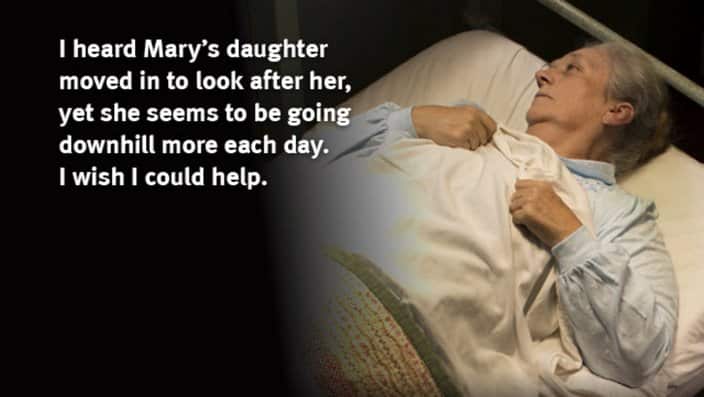
5. Recognising elder abuse can sometimes be difficult. The abuse may be subtle or intentionally hidden and the older person may be reluctant to discuss the abuse.
Source: Aged Rights Advocacy Service
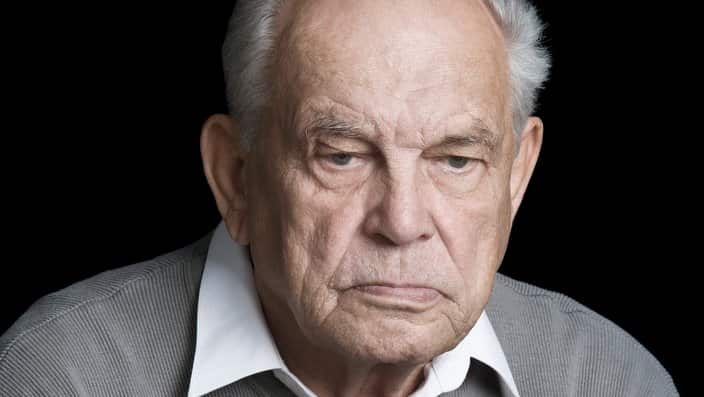
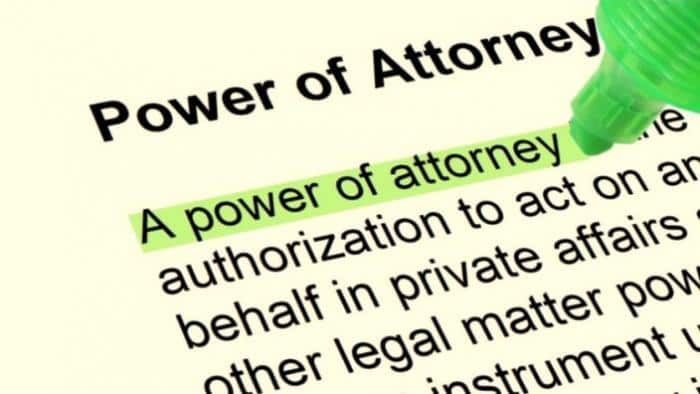
6. People often use a Power of Attorney to abuse older people - taking over the management of their financial and legal affairs.
Source: NSW Seniors Rights Service
7. The UN supports the principles of independence, participation, care, self-fulfillment and dignity for older persons.
Source: UN Principles for Older Persons (1991)
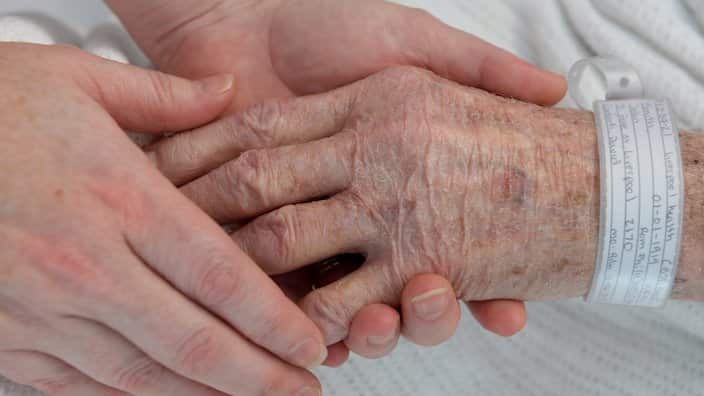
8. Older people who have limited English language skills or literacy are often prone to elder abuse by their family or friends.
Source: Aged Care Manager Alex Abramhoff
9. There are no mandatory reporting laws for elder abuse in any Australian state or territory.
Source: Australian Institute of Family Studies
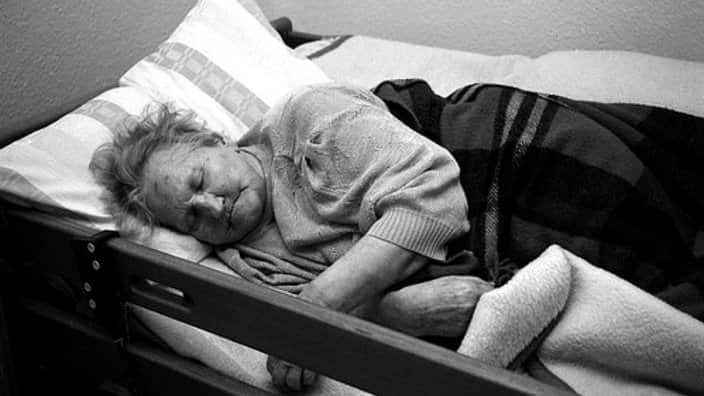
10. If you or someone you know may be suffering from elder abuse, assistance is available.
Find your state's helpline at the my aged care website
If you speak a language other than English, contact the National Translating and Interpreting Service (TIS) on 13 14 50.

Share



