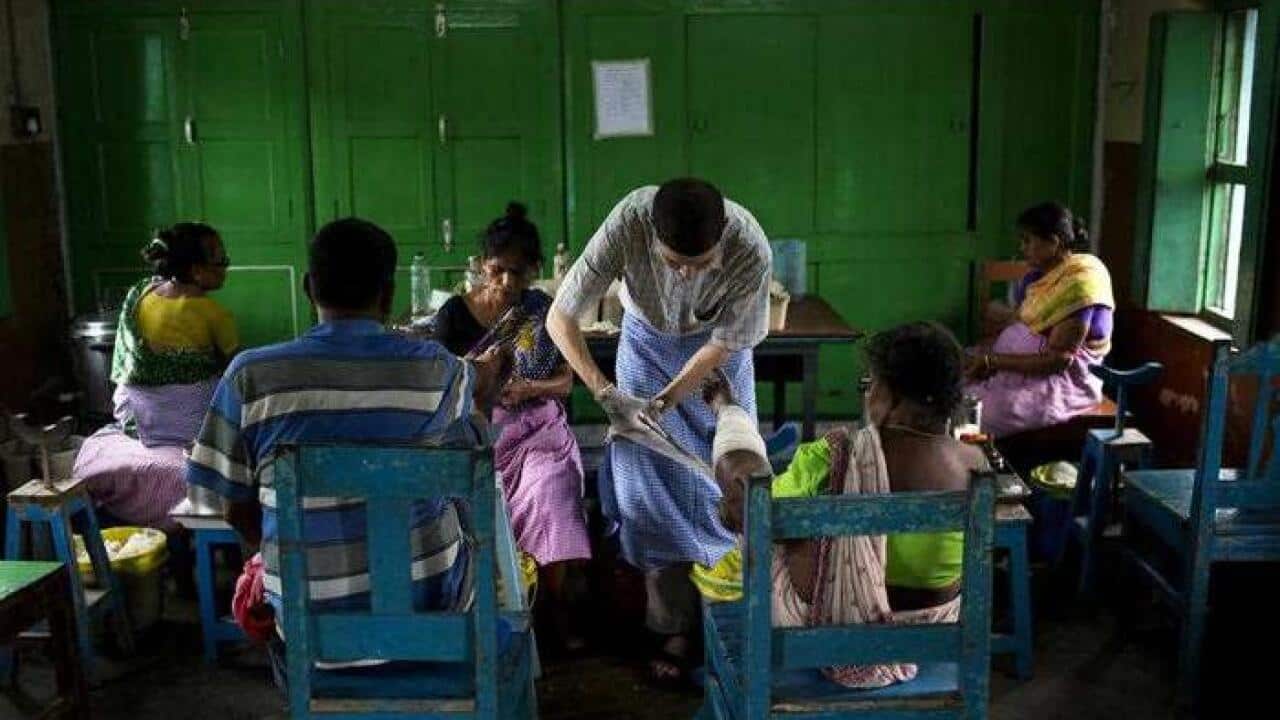
The World Health Organization (WHO) urges countries to scale-up interventions with a focus to avoid transmission of leprosy . An intensified, all-inclusive approach can prevent thousands of infections every year.
Leprosy affected 212,000 more people globally in 2015. Of them 60% were in India. The other high-burden countries were Brazil and Indonesia. Of the new cases 8.9% were children and 6.7% presented with visible deformities.
Despite being eliminated globally as a public health problem in the year 2000, leprosy continues to mar the lives of individuals, and impacts families and communities. Though present numbers are a fraction of what was reported a decade ago, they are unacceptable, as an effective treatment for leprosy - multidrug therapy, or MDT – has been available since the 1980s and can fully cure leprosy.
Enhanced efforts, renewed commitment, and an inclusive approach is needed to end the scourge of leprosy which continues to afflict thousands of people every year, the majority of them in the WHO South-East Asia Region.
In WHO website, a statement by Dr Poonam Khetrapal Singh, WHO Regional Director for South-East Asia has been provided, saying that “Disabilities do not occur overnight, but happen after a prolonged period of undiagnosed disease. Early detection is key to achieve this target, alongside scaling up interventions to prevent leprosy transmission.”
Dr Khetrapal Singh’s message comes ahead of this year’s World Leprosy Day which focuses on achieving zero cases of leprosy-related disabilities in children.
The World Leprosy Day is an opportunity for renewed commitment to rid humanity of the debilitating disease at the earliest.



