


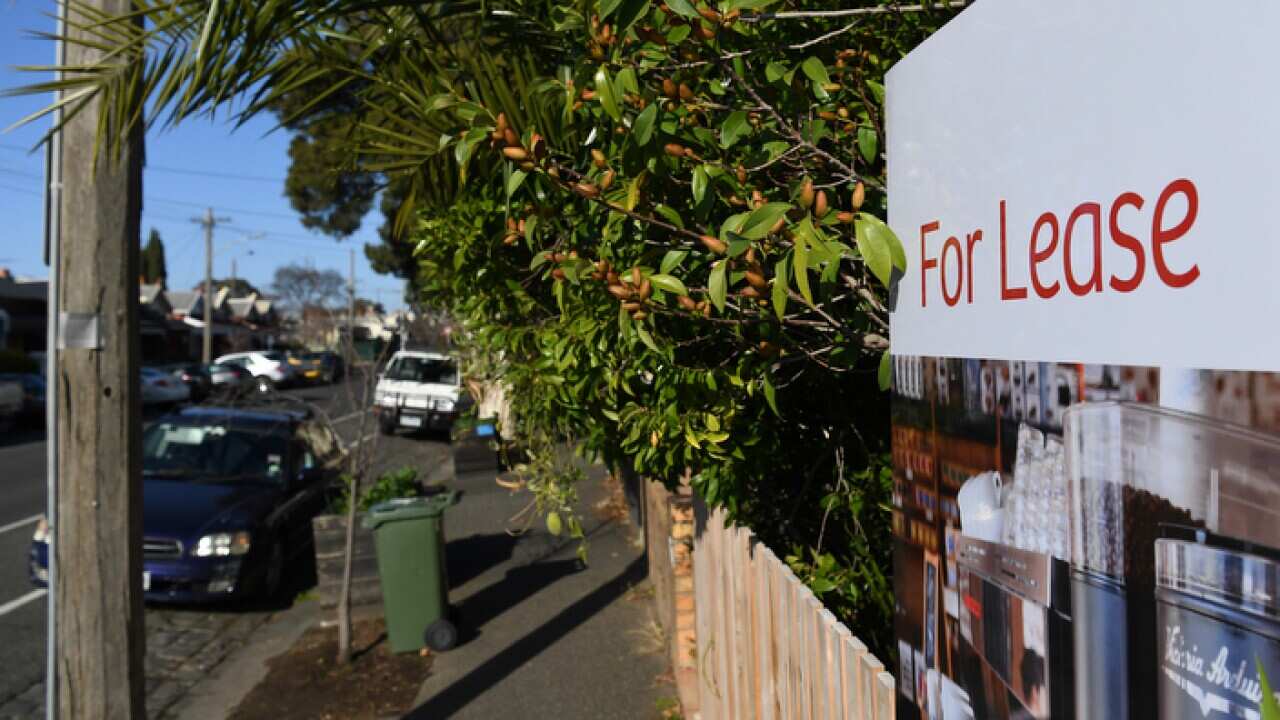

A rise in the number of people renting in Australia over the past two decades has triggered calls for changes to laws to better protect tenants. Victoria is the latest jurisdiction to amend its laws, with changes due to take effect in 2020.
With fewer people now able to get into the property market in Australia, the number of people renting has risen sharply.
In Melbourne alone, the number of tenants in the private rental market grew by almost 60 per cent between 1996 and 2011.
Tenants Victoria chief executive Mark O'Brien says renting has become a long-term option for many people.
"We're in the middle of a very significant demographic change in Australia, where more people are spending longer periods of their life in the rental market, and we actually need modern tenancy laws that reflect the fact that tenants need to be able to create a home in their rented house. And so a number of the changes that the government's introduced in Victoria have that effect," says Mr O'Brien.
Those changes, due to take effect on July the 1st, 2020, would make it much easier for tenants to keep pets in their rental homes, for example.
They also would make it much harder for landlords to retake possession of their properties by removing a 120-day "no reason"-to-vacate provision.
The Real Estate Institute of Victoria's Leah Calnan says, under current laws, landlords can take back their properties by giving 120 days' notice.
"So that can sometimes be that, say, their daughter's best friend is going through a family-violence situation and needs a place to live and they want to assist by putting them into that property. Those provisions are no longer available under the act when these changes come through in 2020. So an owner would only be able to move into the property, or sell the property, if they wanted to regain their property back," says Ms Calnan.
Mark O'Brien from Tenants Victoria suggests Australia should go further and consider implementing rental laws similar to those applying in some parts of Europe.
"In most of the northern European countries, it's very difficult for the landlord to regain possession of the property just to sell with vacant possession. Or, even if the landlord wants to reoccupy themselves, the notice period is longer. And, in some instances, the landlord is simply not able to get possession unless they can show that their need is significantly greater than the tenants'."
Mr O'Brien says tenants in Sweden enjoy particularly strong protections.
One emerging issue in Australia which can impact landlords and tenants is the use -- or the production or use -- of methamphetamine in rental properties.
In some extreme cases, the damage can be so severe the property can no longer be inhabited.
Derek Turner from the Real Estate Team at AON Insurance Brokers says landlords need to check their insurance coverage carefully and employ professional property managers to minimise their risks.
He says there are some telltale warning signs a property is being used to manufacture meth.
"Landlords need to make sure that their properties are managed professionally and by property managers who are knowledgeable of this risk. So property managers need to keep a look out for some key signs within the property, like large numbers of glass jars and gloves, any paint thinners or camping stoves, discolouration on the walls, or if the smoke detectors have been turned off. And, a lot of the times, the tenants will also insist on paying in cash. So they need to keep an eye out for tenant behaviour as well," Mr Turner says.
Leah Calnan has been a property manager for more than 20 years.
She says experience can make a big difference from landlords' side of the rental picture.
"Sometimes there's just something you notice. After doing property management for a long time, you tend to notice things. I mean, you might not be able to clearly identify what it is, but it might be a trigger that you think, 'That seems abnormal,' or, 'That person seems they were uncomfortable with me being there, or didn't want me to go into that room.' So it's important that, from an investor's point of view, they make sure they're employing a property manager, number one, but also somebody who has been doing it a long time, because they're the things that a more experienced property manager would often see," Ms Calnan added.