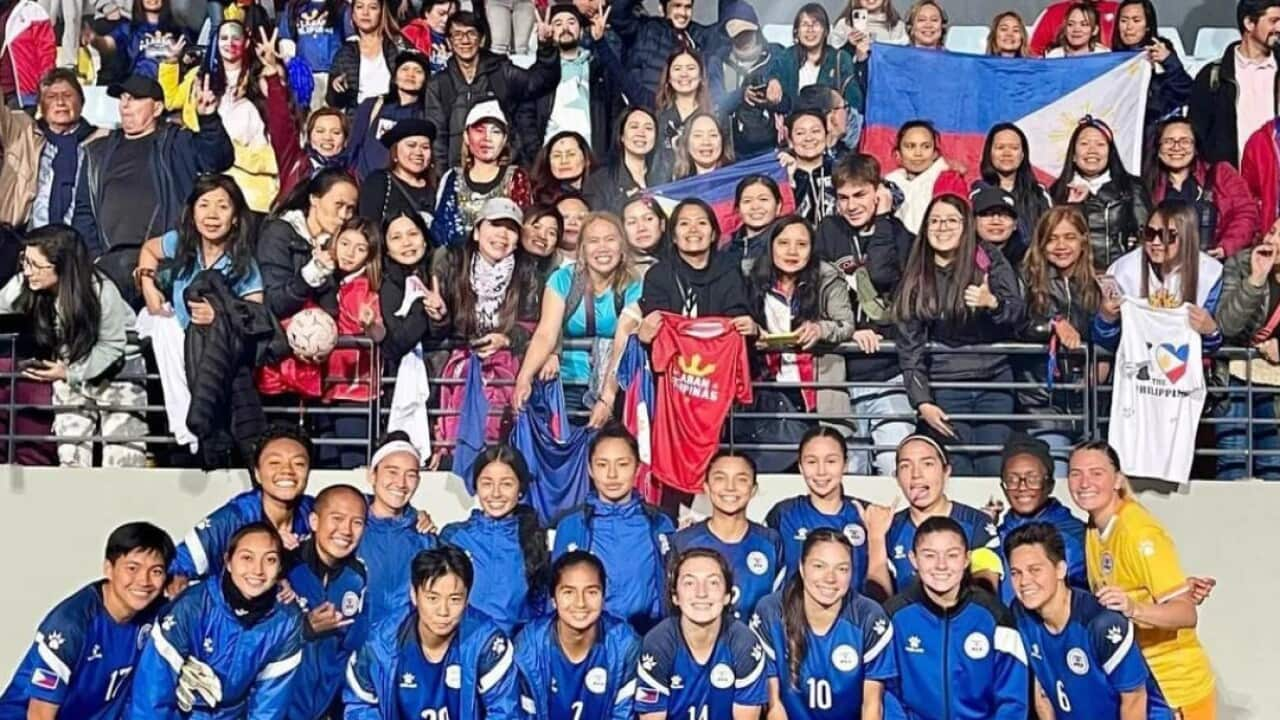

Filipino football fans express concerns as local TV and media outlets in the Philippines fail to provide coverage for the Philippines' debut in the FIFA Women's World Cup. Without local coverage, fans may miss the opportunity to support their national team and inspire young football enthusiasts.
Key Points
- Filipino supporters express concerns over the lack of local media coverage for the FIFA Women's World Cup.
- Local media outlets in the Philippines have been unable to secure the crucial broadcasting rights for the highly anticipated tournament.
- In the group stage of the 2023 World Cup, the Philippines has been drawn to face Norway, Switzerland, and co-host New Zealand.
In a momentous event for Philippine football, the Philippine Women's National Football team is set to make its debut in the upcoming FIFA Women's World Cup. The news has ignited a wave of excitement among football fans across the nation. Many supporters have taken their enthusiasm to the next level by booking flights to New Zealand and Australia, eager to witness the national team's historic journey firsthand.

According to Rhiannon Martin, the Head of FIFA Women's World Cup, this year's competition is expected to be a challenging one. With over 1.1 million tickets already sold, it is poised to become the largest attended women's sporting event in history.
"The impact that this will have on women's football in Australia and New Zealand will be immense. Increase participation, a love for the game, and just general momentum behind the game." Martin shares.
As anticipation builds for the highly anticipated tournament, many Filipino supporters are disappointed by the lack of local media attention, raising fears of missing out on witnessing this historic event. Local media in the Philippines has been unable to secure broadcasting rights, leaving supporters feeling frustrated and worried.
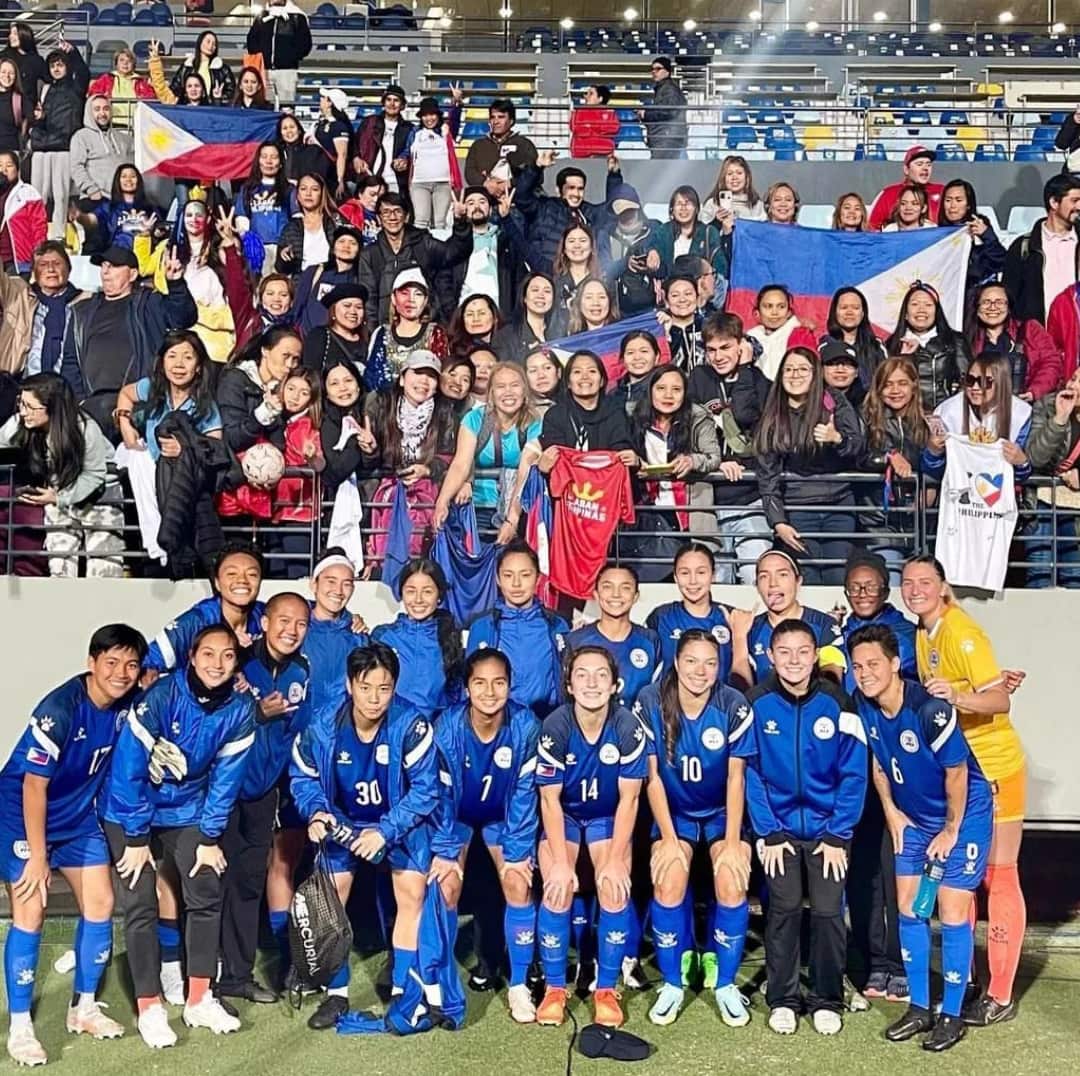
Jacq Bernabe, a co-administrator of Abante Filipinas, a group dedicated to supporting the Philippine women's national football team, expressed disappointment over the lack of media support in the Philippines.
Bernabe highlighted the importance of local TV coverage in allowing Filipino fans to witness their national team competing against top teams from around the world.

The concern among supporters stems from past experiences during major tournaments, where media attention only intensified during the latter stages, failing to provide comprehensive coverage from the start.
Their group urges local media outlets to prioritise coverage of the Philippine team's matches, ensuring widespread access and enabling the nation to rally behind their representatives.
Bolivs Bolivar, another co-administrator of Abante Filipinas based in the US, stressed the impact that broadcasting the matches could have on inspiring young boys and girls in the Philippines to take up football.
"By providing role models and showcasing the games, young enthusiasts can be encouraged to pursue the sport and develop their skills," he shares.

The recent study conducted by The Sporting Blog revealed that 62% of Filipinos watched the 2022 FIFA World Cup, with a majority accessing it through television and online streaming services. This data reflects the growing interest in football within the Philippines, making the absence of local TV coverage for the upcoming Women's World Cup all the more disheartening.
As the FIFA Women's World Cup draws nearer, more Filipino supporters are calling on local media outlets to take immediate action and secure the broadcasting rights for the national team's matches. The lack of local TV coverage threatens to undermine the excitement and enthusiasm surrounding the Philippines' debut in this global football extravaganza.
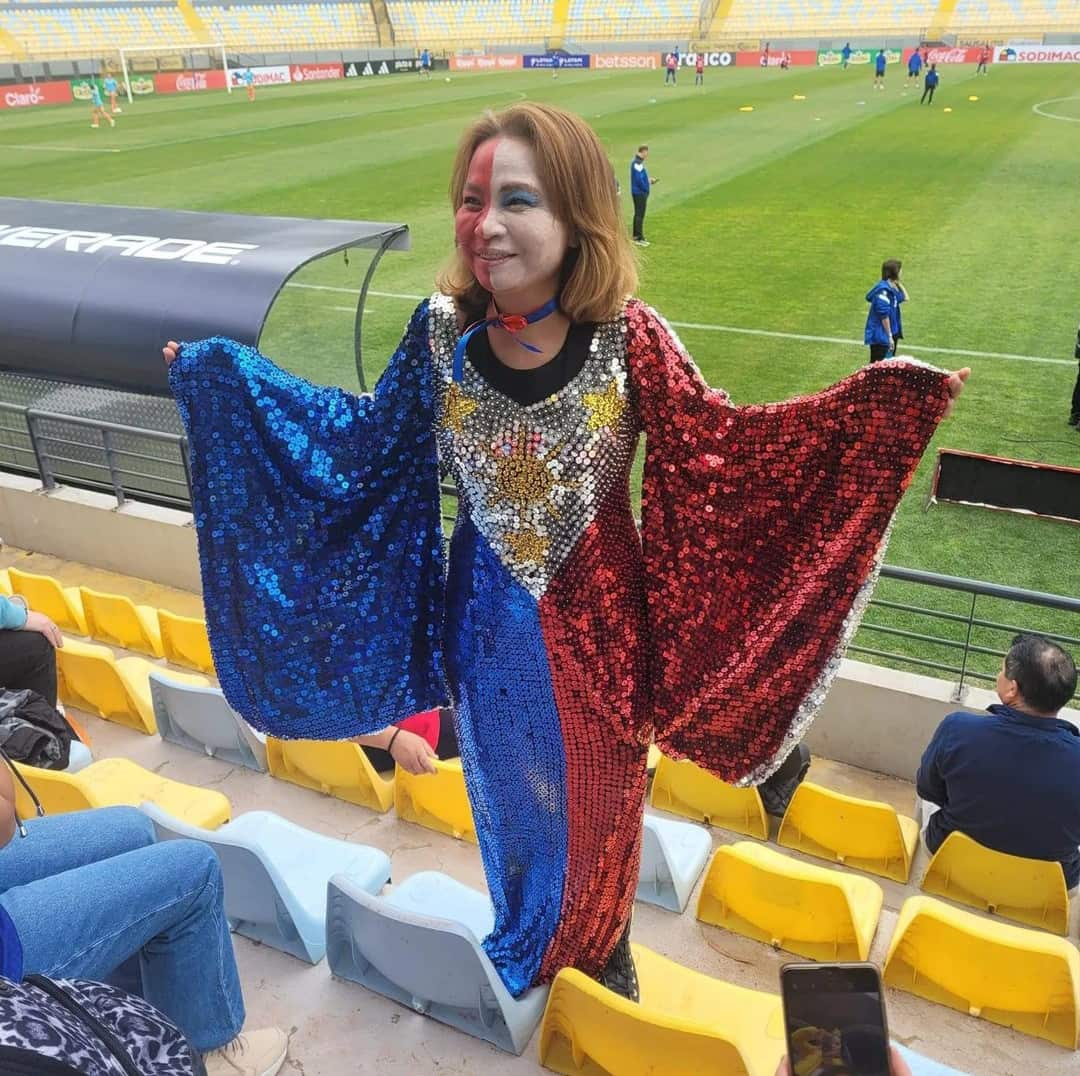
Despite the challenges, Filipino football fans, including Abante Filipinas, remain committed to supporting the Philippine women's national football team.
"Through various platforms, including social media, we will continue to promote the sport and show unwavering support for our representatives throughout the Women's World Cup."
Filipino football enthusiasts hope that local media outlets will heed their call and secure broadcasting rights, allowing the nation to fully embrace and celebrate this historic moment.