

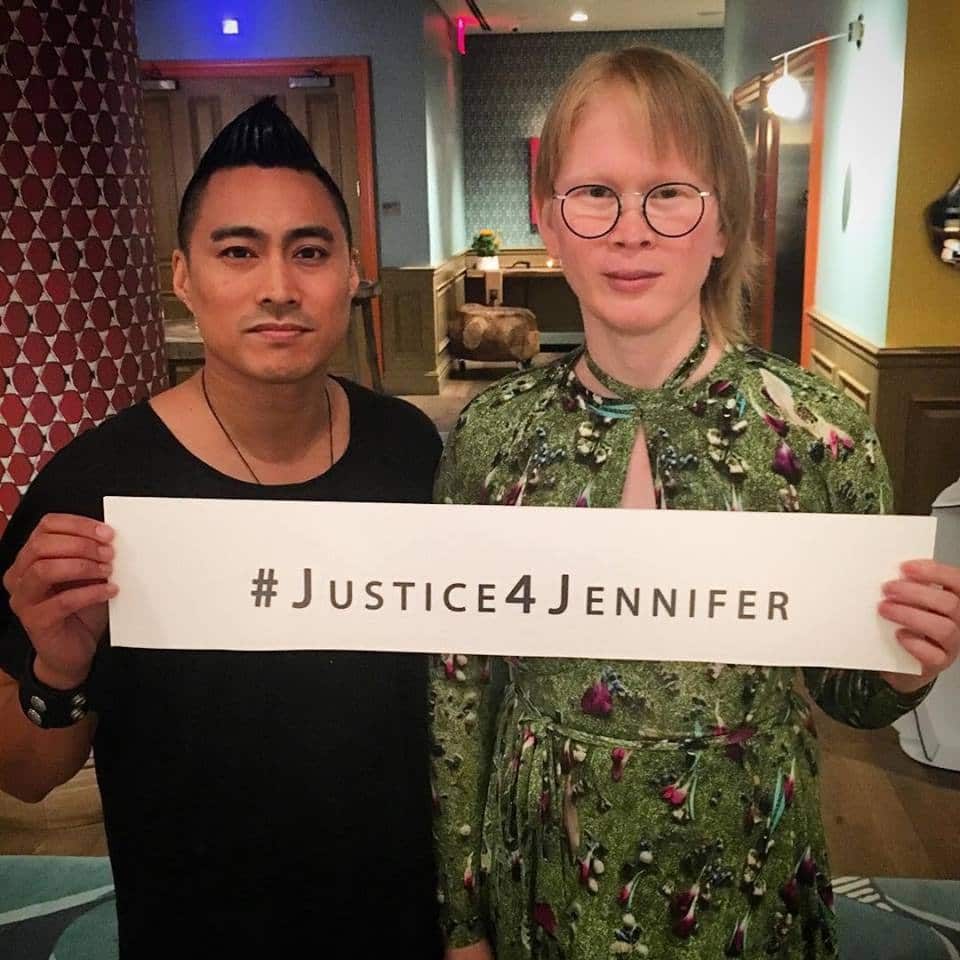
Filipino-American filmmaker PJ Raval tells SBS Filipino that creating a documentary film about the 2015 murder of transgender woman Jennifer Laude led him to delve further into his own culture.
The film titled ‘Call Her Ganda’ follows the plight of Ms Laude’s mother, who continues to come to terms with her daughter’s killing in 2015.
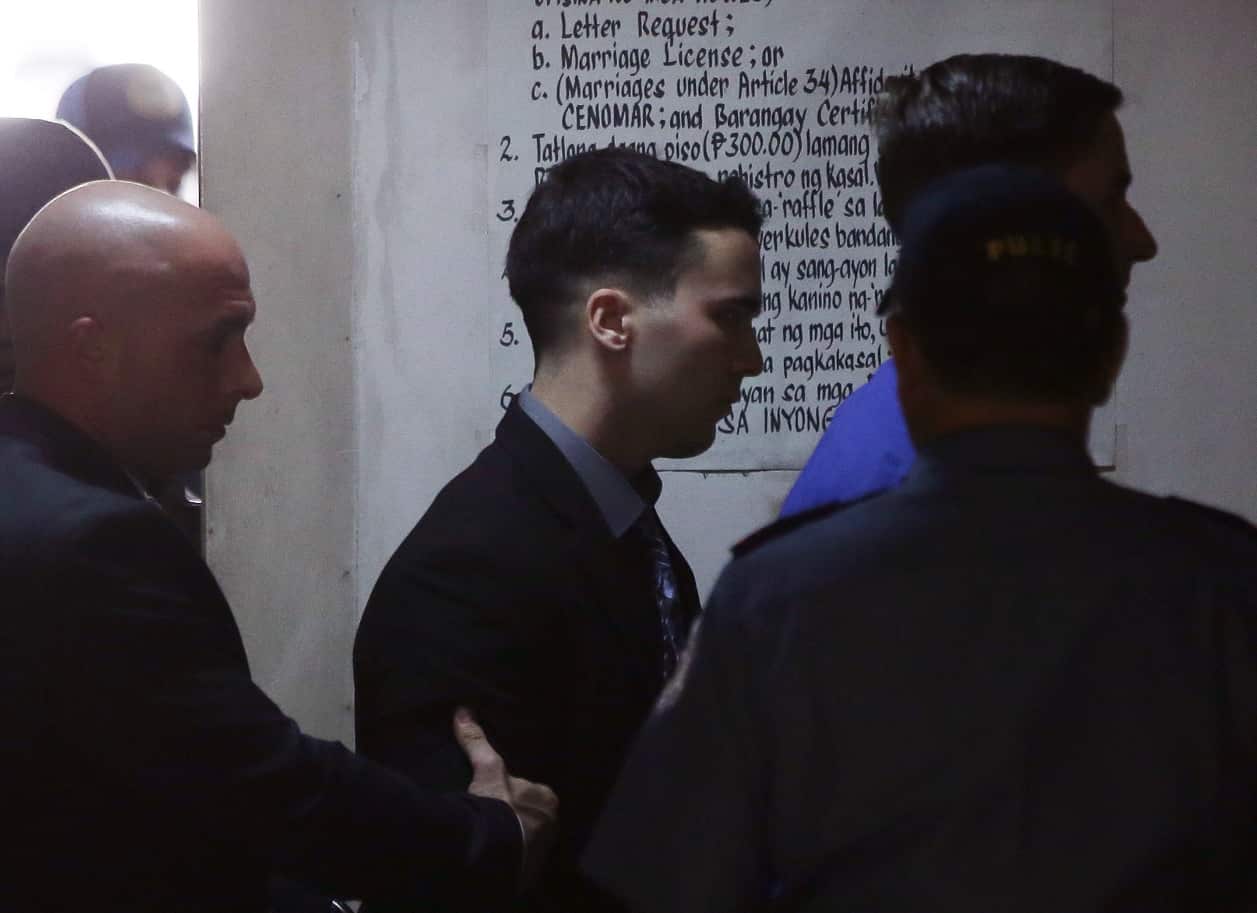
Jennifer Laude was killed by 19-year old US soldier Joseph Pemberton after they both left a nightclub in the city of Olongapo.
Mr Pemberton was subsequently sentenced to six to 12 years in prison after the trial judge deemed that the death was a case of homicide with mitigating circumstances.
How was the documentary conceived?
In 2014, Mr Raval was invited to go to the Philippines to screen his documentaries at Pink, an international LGBT film festival that film scholar Nick de Ocampo was running.
It was a short time after this that two pivotal things occurred – the Quezon City Pride celebration was held and also when Ms Laude was murdered.
While revelry and merriment were occurring in one instance, sorrow and outrage were brewing in the other.
Mr Raval got involved with Ms Laude’s story after taking part in an LGBT panel where he met Virginia Lacsa Suarez, the lawyer of the Laude family.
It was at that time that a suggestion was made for the filmmaker to turn Ms Laude’s story into a documentary film; however, he was hesitant to do so due to the fact that he was far removed from the homeland of his parents.
What he did know about being a Filipino, however, was the value of family; and that he said, perhaps, a film “could be my contribution to help the family seek some sort of justice in this case”.
‘Nanay’
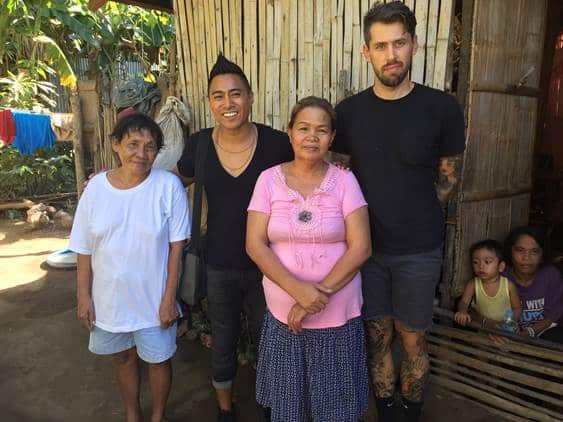
In getting to know Ms Laude’s mother Julita, whom he fondly referred to as ‘Nanay’, Mr Raval said he was reminded of something he knew a lot about – the unconditional love associated with Filipino families.
Mr Raval said the strong bonds of love never dimmed or wavered between a mother and daughter, who knew she was born in the wrong body.
“This story is about a mother that has lost her child. A mother whose child’s life was taken away from her, and that’s something that everyone can relate to and that can resonate with everyone,” Mr Raval said.
“But if we are thinking about it from a political standpoint, or a more symbolic standpoint, it’s about a mother who is saying that about her trans child right? And I think that is amazing right? That ‘Nanay’ doesn’t waiver at all.
“She even says that from day one, she understood that Jennifer was a girl, that Jennifer is a woman and that she wholeheartedly accepted her as such. There’s something there about her unconditional love that is really amazing and strong, and shows you a side of Filipino woman, and how strong they are.”
Growing up in the US
Growing up in central California, Mr Raval said he felt like an outsider despite knowing very little about his Filipino heritage.
“I grew up knowing that I already knew very little about my culture outside of what I was learning while being around my family but I think I was really shocked to find out how much history had been left out from my education, being born and raised in the United States,” he said.
“The Philippines is not covered in world history, in American history, it’s a short paragraph in a history book. In the United States, we’re brought up to think that the Philippines was rescued by the United states. We don’t learn that it was actually purchased by the United States from Spain. We really don’t learn anything about the United States/Filipino war and the many Filipinos that were killed during that time period.
He said the concept of calling someone a transgender individual was fairly new to the Philippines.
“Clearly there have been individuals that have existed throughout time, but I think the term, as claiming it as an identity and even as a political identity – I think that’s something that is fairly new,” he said.
Mr Raval is making a push to have his film screened in the US, the Philippines and the rest of the world.