

Sa artikulong ito, tatalakayin kung:
- Ano ang My Health Record?
- Safe ba ang data?
- Ano ang mga benepisyo para sa mga migrante?
- Makakatulong ba ito sa mga Australyano sa mga rural na lugar?
- Paano ako mag-opt out?
Mula ngayon, ang mga tao na hindi nais mapasama ang kanilang medical records sa pambansang database ng My Health Record ay magkakaroon ng hanggang ika-15 ng Oktubre para mag-opt out.
Bagamat ang iba't-ibang mga grupo ng pangkalusugan at mga migrante ay nagsasabi na ang database ay makakatulong na makasagip ng buhay, may mga pangamba tungkol sa seguridad ng data.
Ang ilang mga Australyanong nagnanais na mag-opt opt ay naghayag ng kanilang karanasan sa social media na ang Helpline ng My Health Record ay hindi sila maikonekta sa operator.
Ano ang My Health Record?
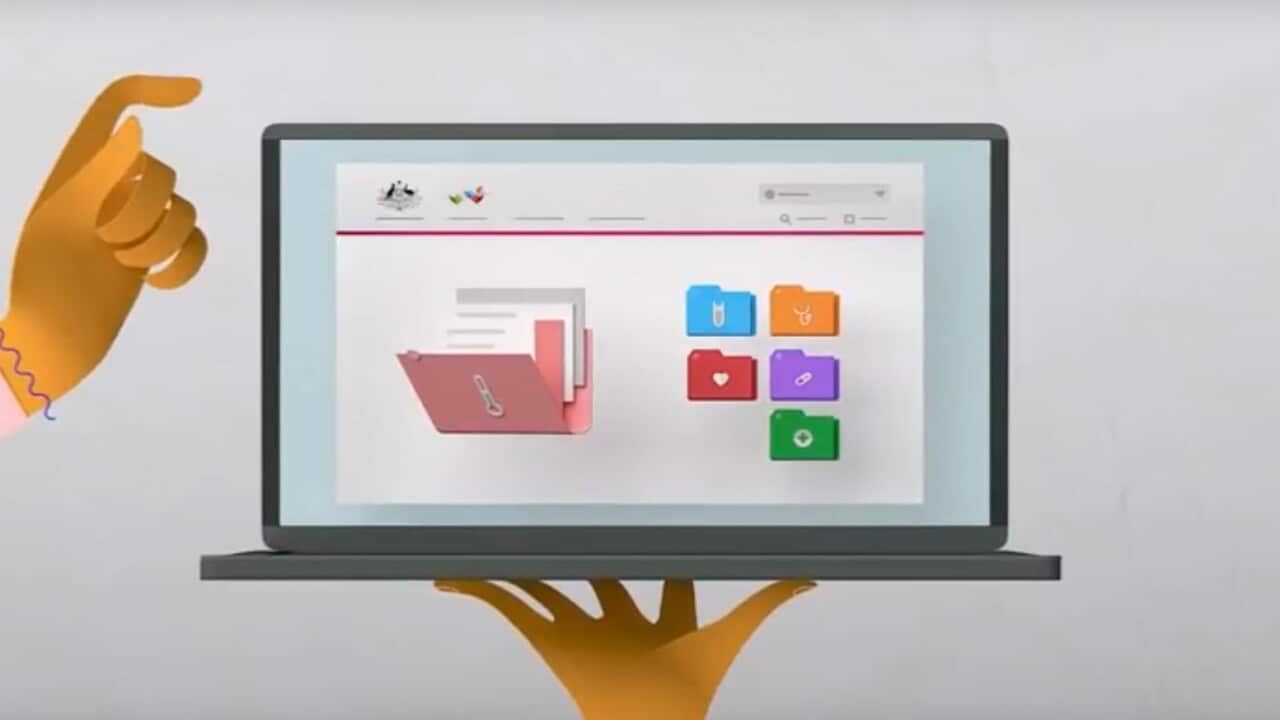
Ang My Health Record ay isang Australia-wide catalog ng mga personal na impormasyon sa kalusugan.
Ang mga medikal na rekord ng mga tao ay itatabi sa isang pambansang database na maaaring makita ng mga pasyente, mga doktor at ibang medikal na kawani.
Maaaring kabilang sa mga rekord ang:
- Prescription history
- Emergency contacts
- Specialist and referral documents
- Allergy information
- Immunisation history
- Diagnostic imaging reports (such as ultrasound or X-ray results)
- Pathology reports (such as blood tests)
- Hospital discharge information
- Medicare claims history
- Indigenous, veteran and Australian defence force status
- Organ donor status
Ito ay suportado ng ilang peak medical bodies, kabilang ang Australian Medical Association, Royal College of Australian GPs and the Pharmacy Guild of Australia.
“The significant health and economic benefits of My Health Record for all Australians [include] fewer adverse drug events, reduced duplication of tests, better coordination of care for people seeing multiple healthcare providers, and better-informed treatment decisions,” sabi ni AMA President Dr Michael Gannon.
Ang mga third-party app ay maaaring magpakita ng My Health Records ng mga tao, ngunit hindi nito maitatabi ang mga kaugnay na data.
Makikita ng user kung sino ang naka-access sa kanilang rekord at maaari ding mag-set-up ng alerts para malaman nila kapag ito ay na-access.
Ang mga nagpasyang mag-opt out ay magagawan ng rekord sa ngalan nila, kung saan ang impormasyon ay mage-generate sa kalagitnaan ng Nobyembre.
Maaaring kanselahin ang mga rekord anumang oras pagkatapos ng opt-out period, ngunit ang iyong data ay mananatili sa database hanggang sa tatlong dekada pagkatapos ng iyong pagkamatay.
Safe ba ang data?
Hinihikayat ng mga security advocates ang mga tao na mag-opt, dahilan sa mga posibleng isyu sa privacy.
"We’re concerned about how private information will be properly secured in the future. This government does not have the best track record when it comes to national databases of private information,” sabi ni Digital Rights Watch Chair Tim Singleton Norton sa SBS News, habang tinutukoy niya ang kontrobersiya sa Centrelink na "robo-debt" recovery program.
Sabi ni Mr Singleton Norton na dapat muling isaalang-alang ng pamahalaan ang diskarte nito sa pamamaraan.
“While My Health Record is a good idea, in theory, we need to make sure the emphasis is based on an individual rights-based approach, rather than what it is now, which is ‘let’s just build up a database now, and that’ll give us a wealth of knowledge and we’ll see how we’ll use it in the future," sabi niya.
“That’s not caring about an individual’s right to control their privacy.”
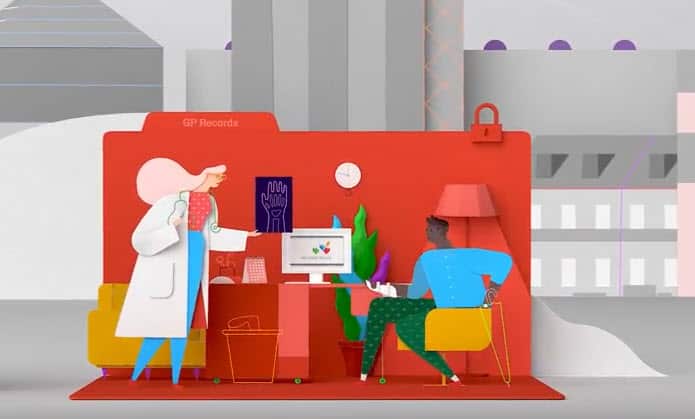
"Patients control access to the record, so they can switch off their entire record and make it only available using a pin code, or use that process with individual documents," sabi ni Dr Steve Hambleton sa ABC.
Sinabi ni Dr Hambleton na ang sistema ay may nakalatag na cybersecuirty protections, at malayong mangyari na magkaroon ng information breach.
“[There’s] very strict privacy and security requirements that apps need to go through to be able to connect to the record. There's a long list of terms and conditions.
“In a nutshell, there is zero possibility that any information is able to be shared with third parties."

Sinabi ni Opposition Leader Bill Shorten na ang sistema ng digital health record ay isang mahalagang reporma dahil ito ay magdudulot ng mas mahusay na resulta pagdating sa kalusugan.
"But I don't blame people for being sceptical about this government in terms of the way it implements digital change programs," sabi ni Mr Shorten sa mga reporter sa Tasmania noong Lunes.
"I say don't throw the baby out with the bathwater, let's make this work, but I do accept this government have an ability to turn a lot of things into a mess when they touch them."
Ano ang mga benepisyo para sa mga migrante?
Ang Federation of Ethnic Communities Councils of Australia, isang peak national body na kumakatawan sa mga Australyano na mula sa culturally and linguistically diverse backgrounds (CALD), ay nagsabi na inaaasahan nito na ang impormasyon sa My Health Record ay hindi gagamitin para sa mga immigration enforcement or decisions.
Dumating ito pagkatapos mangyari na ang mga confidential medical records ng mahigit 8,000 Brits ay ipinamigay sa Home Office sa isang crackdown sa ilegal na imigrasyon noong nakaraang taon.
“We believe that many parents, carers, Australians for whom English is a second language, older Australians and newer migrants will gain from having a My Health Record,” sabi ni FECCA Chairperson Mary Patetsos sa SBS News.
“But we recognise that some individuals may wish to opt out of My Health Record. We are working with the ADHA to ensure that CALD Australians are provided with the necessary information in multiple languages and through a variety of channels to make an informed decision about the MHR.”
Makakatulong ba ito sa mga Australyano na nasa mga rural na lugar?
Sinabi ng National Rural Health Alliance na ang My Health Record ay makakapagligtas ng buhay sa regional Australia, at hinihikayat nito ang mga tao na huwag mag-opt out.
“We think it’s important for everyone, but particularly people in rural areas,” sabi ni National Rural Health Alliance CEO Mark Diamond sa SBS News.
Sinabi ni Mr Diamond na ang mga taong naninirahan sa mga rural na lugar ay pamilyar sa mga problema sa personal na pag-access sa mga serbisyong pangkalusugan, at mayroon ding pag-aatubili sa mga lugar na iyon upang ma-access ang healthcare kahit na madaling makukuha ito.
“In the country, people’s health conditions are diagnosed later than their metropolitan counterparts. What that then results in, is their condition getting worse and requiring a hospital admission,” sabi niya.
“That hospital may then not have access to enough of their medical history to help them. [Staff] really need to have that information, particularly in life-threatening situations. Country people find themselves in those types of situations more than their metropolitan counterparts do.”

Paano ako mag-opt out?
Bisitahin ang www.myhealthrecord.gov.au o tumawag sa 1800 723 471.
Maaari ding makakuha ng opt-out sa forms sa Australia Post, indigenous health organisations at sa mga bilangguan.
Ang mga magulang na may anak na wala pang 18 taon na nakalista sa kanilang Medicare ay maaaring mag-opt out sa kanilang ngalan.
Ang mga bata na may edad na 14 at higit pa ay maaaring mag-opt out individually online.
- Karagdagang report mula sa AAP.