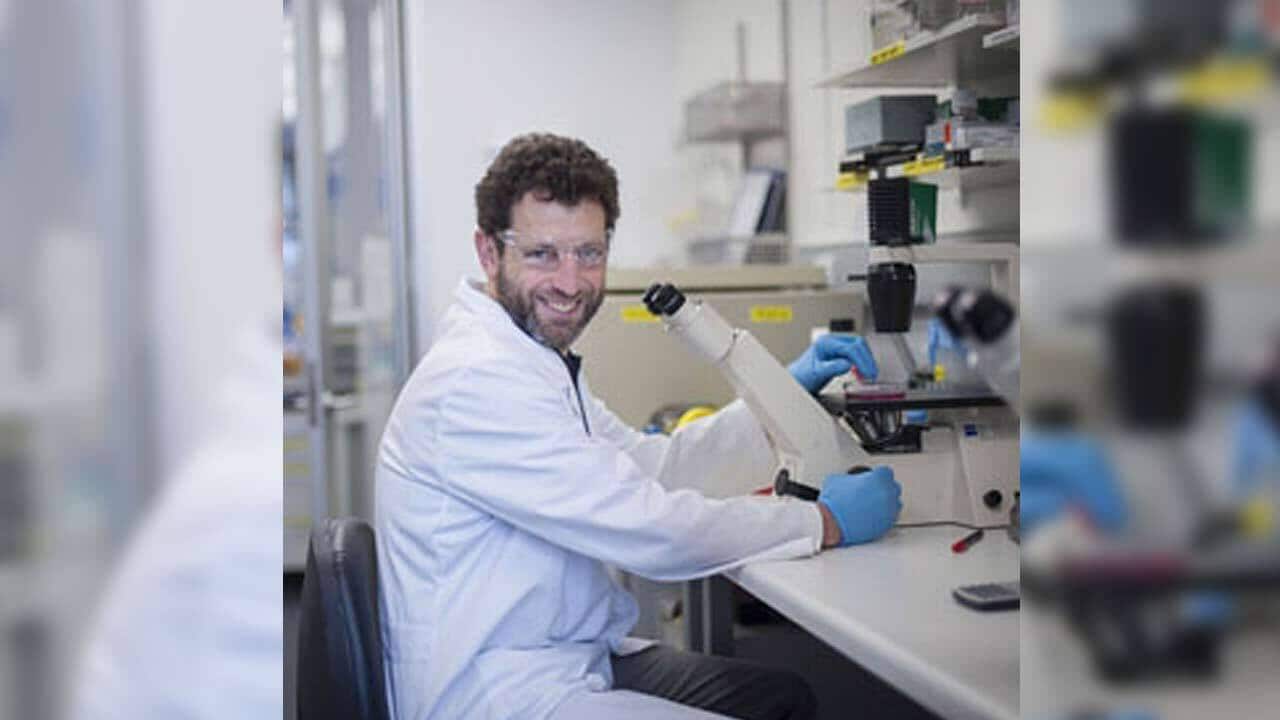
Nagkaroon ng progreso sa kasalukuyang pananaliksik hinggil sa pag-delay ng cancer cells at pati na rin sa paggamot ng iba't-bang uri ng kanser.
Ang pananaliksik na nailathala sa journal na Nature, ay nagpapakita na ang bagong klase ng anti-cancer drug ay makakatulong na permanenteng labanan ang cancer cells.
Ang proseso ng pagpapatigil ng paglaki ng tumor ay hindi nakaka-damage ng DNA ng cell, na karaniwang nangyayari sa mga nakasanayang treatment katulad ng chemotherapy at radiotherapy.
Ang pagkakatuklas sa gamot ay bunga ng pagsisikap ng ilang grupo kabilang ang Walter and Eliza Hall Institute of Medical Research, Monash University, Cancer Therapeutics CRC, The University of Melbourne, Peter MacCallum Cancer Centre at ng CSIRO.
Isa sa mga nanguna sa pananaliksik na si Associate Professor Tim Thomas, mula sa Walter and Eliza Hall Institute, ay nagsabi na ang pagkakatuklas ay isang magandang resulta.
"So what I think the future of cancer therapy will be is to have directed and targeted treatments which will work on specific patient groups. What we hope we have developed here is a new type of approach to cancer therapy which is stopping cancer cells from growing but leaving the normal cells relatively unaffected and that's by harnessing the body's normal defences against unrestricted growth."
Sinabi ni Propesor Thomas na ang gamot ay kasalukuyang nasa pre-clinical stage.
Ang pananaliksik ay nagpapakita na sa pamamagitan ng pag-target ng ilang mga protina na kilalang pangunahing sanhi ng pag-develop ng cancer, ito ay magagamot ng mga doktor.
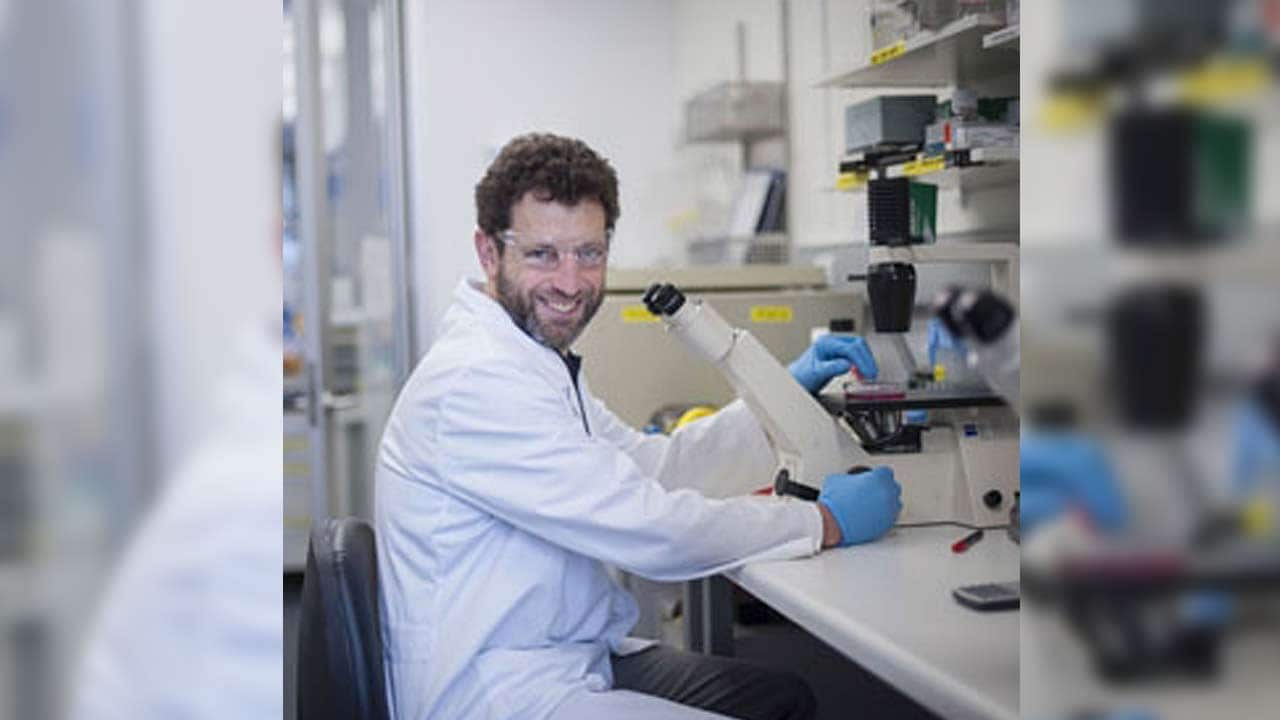
Ang protina na kilala bilang KAT6A at KAT65 ay sinasabing nakakaapekto sa ilang genes na karaniwang matatagpuan sa mga kanser.
Si Jonathan Baell, Propesor ng Medicinal Chemistry sa Monash Institute of Pharmaceutical Science ay kabilang din sa pananaliksik.
"The disease-causing protein that has been targeted has really not been able to be targeted before with a small-molecule potential drug. And in fact for many years people were increasingly thinking this sort of disease protein in certain cancers maybe could not be targeted and we had to look for other things to modify their activity.
"But we have really proven we have been able to develop a small molecule that inhibits these proteins. So for the first time, we have shown that you can develop a potential drug for this sort of enzyme."
Si Dr Ken Dutton-Regester ay isang Research Officer sa QIMR Berghofer Medical Research.
Bagama't hindi siya kabilang sa kasalukuyang pagkakatuklas ng gamot, binigyang-pansin niya ang mga karaniwan at experimental na gamot sa kanser.
Sinabi niya na ang paglitaw ng iba't-ibang uri ng gamot-kabilang itong bagong tuklas na ito na napapabilang sa emerging field of epigenetic treatments - ay may positibong epekto sa pagpapataas ng survival rate para sa mga late stages ng sakit.
"The way that these epigenetic drugs work particularly this drug, is that it freezes the cell but does not kill it off. If you are at a late stage disease and have lots of tumours in your body we obviously want to get rid of that first before trying to stop the cells from growing.
"This drug could be really useful after using initial therapy that gets rid of the original tumour mass and we would use that new type of epigenetic drug to prevent any tumours from growing back, which is a really useful idea and concept."
Sinabi ni Propesor Baell na ito ay kasalukuyang nasa maagang stage pa, ngunit ang clinical trials ay di nalalayong mangyari.
"At the moment we are just looking at what's called pharmaco-kinetics, and formulation approaches, to modify and improve the exposure of our compound ultimately in patients.
"If we show that works over the next year, then as long as it passes the required safety barriers that new drugs need to overcome, you could not rule out that clinical trials could be a matter of a few years away."