Sa atikulong ito...
- Bakit mga Asyano o Indian?
- Ano ang thunderstorm asthma?
- Sinu-sino ang at risk?
- Paano mo mapoprotektahan ang iyong sarili?
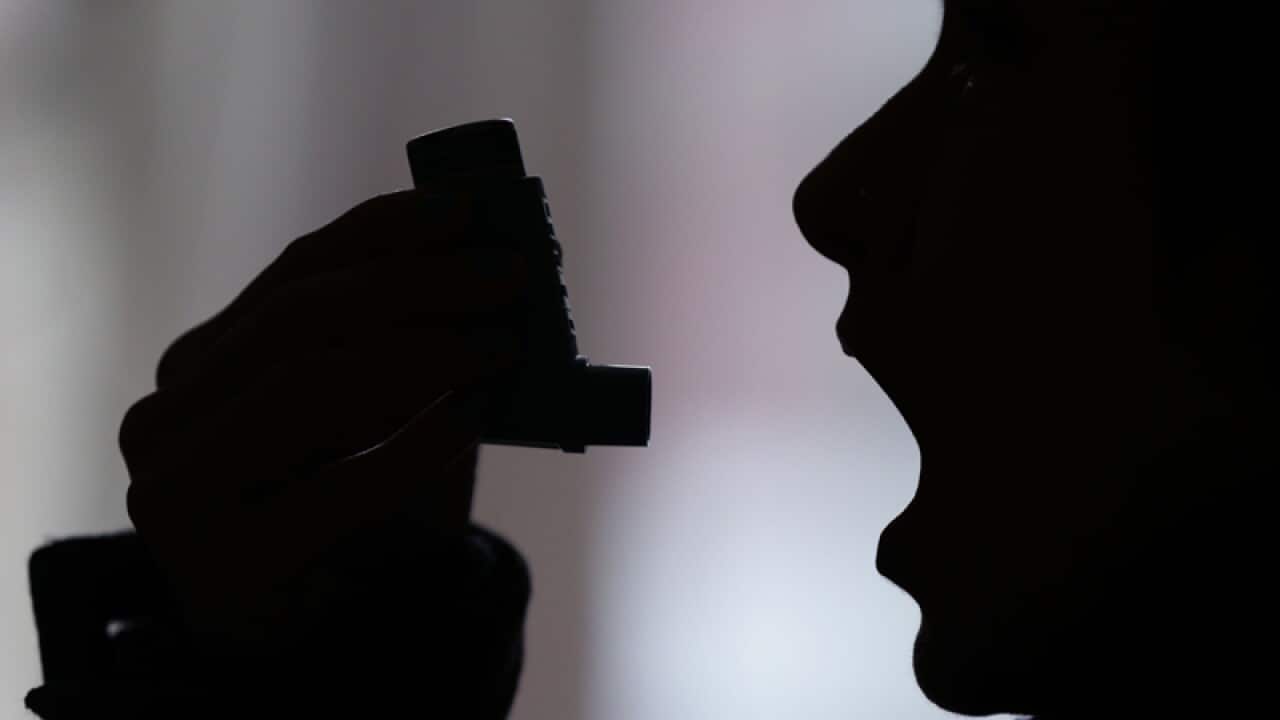
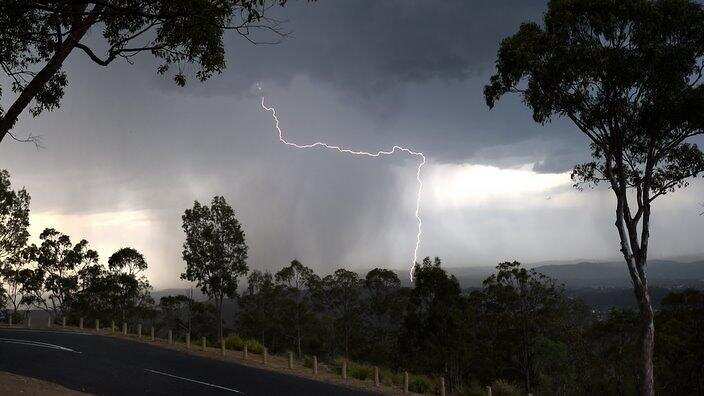
Isang severe weather change bandang alas-6 ng gabi noong Nobyembre 21, 2016 ay maaaring nagdala ng kaginhawaan mula sa mainit na panahon sa Melbourne. Ngunit sa halip, ito ay nagdulot ng isang krisis habang ang libu-libong tao ay nakaranas ng problema sa paghinga mula sa malubhang allergy reactions sa grass pollen sa hangin na dala ng isang bagyo.
Higit sa 12,700 katao ang isinugod sa emergency department sa buong Victoria nang maganap ang krisis, ayon sa report ng chief medical officer ng estado. Sampu ang naiulat na namatay. Anim sa mga ito ay mula sa india o Southeast Asia.
Ayon sa ulat ng mga pangyayari ito ay inilarawan na “the likes of which in terms of size, severity and acuity had never before been seen, nor even imagined, let alone planned for.” Ito rin ay naging pakasa ng isang patuloy na Coroner's Court inquest sa Victoria, kung saan ang huling ulat ay ginawa noong Biyernes, ika-24 ng Agosto.
Bakit mga Asyano o Indian?
Sa loob ng 30 oras ng bagyo na naganap noong 2016, higit 4,000 katao ang di inaasahang sumugod sa emergency departments na nagreklamo ng problema sa paghinga, "lalo na ang mga indibidwal na mula sa India o Sri Lanka," ayon sa isang pangunahing pag-aaral na inilathala sa Lancet Planetary Health journal noong Hunyo.
Habang ang mga Asian o Indian ethnicity ay bumubuo ng 25 porsyento ng populasyon ng Melbourne, 39 porsyento ng mga na-admit sa ospital ay kabilang sa grupong ito, ayon sa pag-aaral.
Sinabi ni Dr Naghmeh Radhakrishna sa SBS News, isang ispesyalista sa respiratory, sleep, at allergy sa St Vincent's Hospital at sa private practice sa East Melbourne Hurt and Lung, na ang mga Asyano sa pangkalahatan ay walang mataas na insidente ng hay fever at hika.
“After they move to Australia that’s when you see an increase in the prevalence of these symptoms," sinabi niya.
Binanggit niya ang isang pananaliksik na inilathala ni Dr Ronald Leung noong 1994 kung saan napagalaman na ang mga migrante sa Australya ay mas malaki ang tsansa na magkaroon ng sintomas kung mas matagal na sila sa bansa.
“Part of that is going to be related to the fact that they’re not exposed to the kinds of allergens we have in Australia, for example the ryegrass,” sabi ni Dr Radhakrishna.
“So when they come to Australia for a few years, typically it will take five to ten years, they become sensitised ... so they start to experience these allergy symptoms; hay fever, runny nose, itchy eyes, sneezing, itchy throat, itchy ears.”
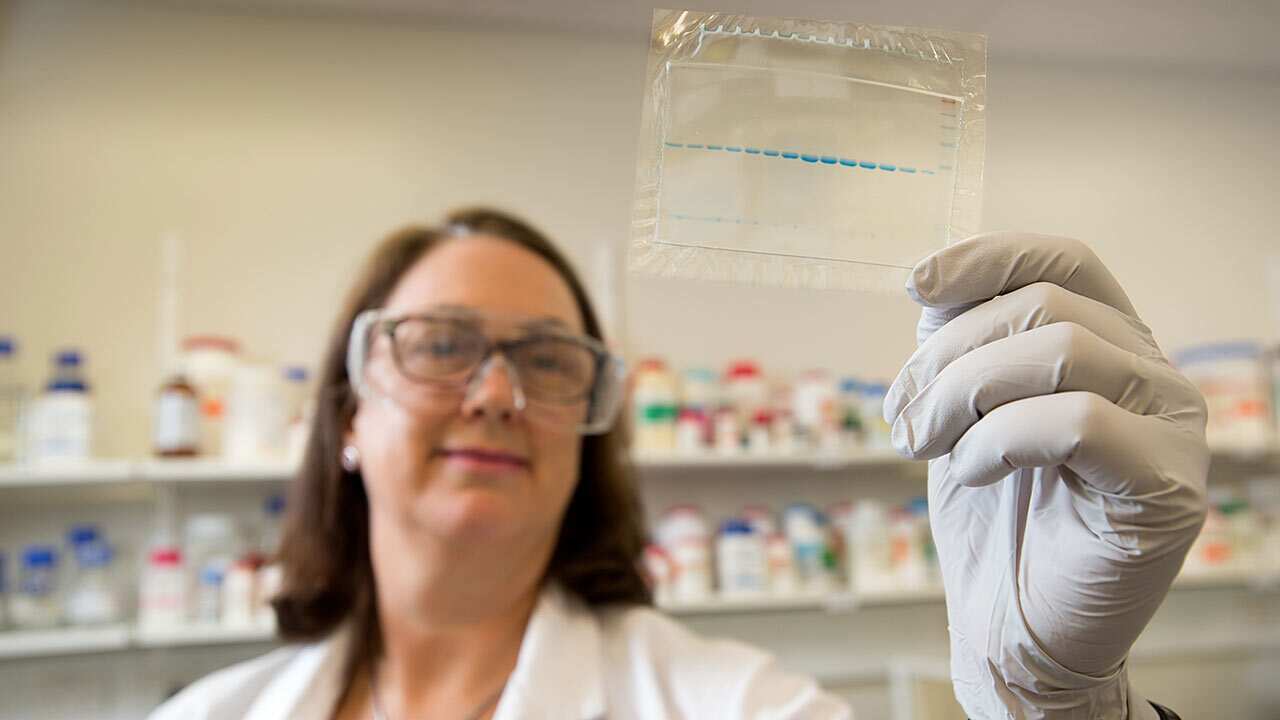
Sinabi ni Professor Janet Davies, head ng allergy research sa Queensland University of Technology, na hindi pa malaman ang mga dahilan sa kasalukuyan kung bakit may-iba't-ibang sensitations sa grass pollen ang iba't-ibang grupo ng populasyon.
“It’s definitely intriguing,” sinabi niya sa SBS News. “It might be a whole suite of environmental exposures that modify how their immune systems respond, but it may be about exposure to different kinds of allergens as well.
“It might be that things like diet, your microbiome inside your gut, and how these factors influence your immune system. It’s definitely a complex interaction between your predispositions or your genes, and the environment you live in - probably involving multiple layers that affect the expressions of allergic diseases in migrants.”
Ano ang thunderstorm asthma?
Ayon sa National Asthma Council, "epidemic thunderstorm asthma is an unusual cluster of allergic asthma flare-ups associated with some types of thunderstorms in spring or early summer ... caused by the combination of high grass pollen counts, unusual thunderstorm conditions that concentrate pollen grains or allergens, and grass pollen allergy in individuals.”
Nagkaroon ng halos 23 dokumentadong insidente ng thunderstorm asthma sa mundo mula noong simula ng 1980s, karamihan sa estado ng Victoria (kung saan ito unang inilarawan) at sa UK.
Ang kaganapan ay may posibilidad na mangyari sa rehiyon kung saan maraming damo tuwing grass pollen season, na sa Melbourne ay Oktubre hanggang Disyembre.
Ang lahat ng mga kadahilanan at mekanismo ay hindi lubos na nauuunawaan, ngunit ang pangunahing teorya ay nagsasabing tuwing mataas ang antas ng pollen ang malakas ang hangin at halumigmig sa hangin kapag may bagyo ay nagdudulot sa mga butil ng grass pollen na maglabas ng maliliit na particle na may allergen.
“Inside the pollen grain are hundreds of tiny little starch granules which get released and become aerosol particulates that are tiny enough to be breathed in,” sabi ni Professor Davies.
Sino ang at risk?
Ang insidente noong 2016 "ay para sa mga naapektuhan...ang kanilang unang pag-atake ng hika," ayon sa report ng Victorian Chieg Medical Officer, ibig sabihin ang ilang tao ay maaaring hindi handa sa mga pangyayari sa hinaharap.
Ayon sa National Asthma Council, “people at risk of acute asthma flare-ups triggered by a thunderstorm include those with seasonal allergic rhinitis (with or without asthma), those with a history of asthma, and those with undiagnosed asthma.”
Sinani ni Professor Davies na sa Australya ang pinakamalaking kadahilanan ng panganib ay ang “ryegrass pollen trifecta”, na nangangahulugang ang sensitation sa ryegrass pollen, springtime hayfever, at pagka-expose sa mataas na antas ng ryegrass pollen sa panahon ng bagyo.
Paano mo proprotektahan ang iyong sarili?
Sinabi ni Dr Radhakrishna na may mga gamot kung alam mo na ikaw ay at risk na kung saan ay makapagpapababa ng malubhang kondisyon ng thunderstorm asthma, kung ito ay mangyari.
“If you do have asthma symptoms – shortness of breath, chest tightening and a wheeze, especially during spring, you need to be seeing a doctor to see if you do have asthma.
“If you do have asthma, you should be compliant with your medication and perhaps you should be asking your GP about having an asthma action plan. And make sure you have a reliever at hand, such as a Ventolin or Asmol inhaler. Carry it with you, keep it readily available.”
Makakatulong kung mananatili ka sa loob ng bahay. Inirekomenda din niya ang paggamit ng apps at warning system na mula sa AusPollen forecast, na nagbibigay ng babala kung may potensyal na mapanganib na bilang ng pollen sa kanilang rehiyon.
Kung may emergency, tumawag sa numerong 000 para sa ambulansya.
Para sa karagdagang impormasyon sa thunderstorm asthma, tumawag sa 1800 ASTHMA Helpline (1800 278 642) o bisitahin ang mga website na ito: pollenforecast.com.au, asthmaaustralia.org.au and nationalasthma.org.au