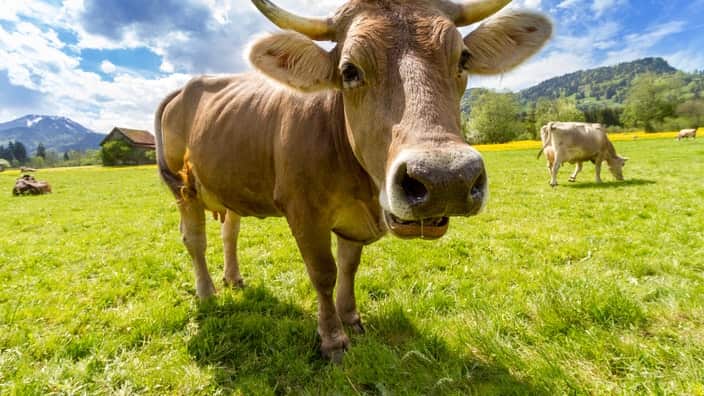

In a country as addicted to barbecues as Australia, the prospects for meat grown from cells in a laboratory don't seem strong. But advocates argue that it may be part of an answer to climate change and animal welfare.
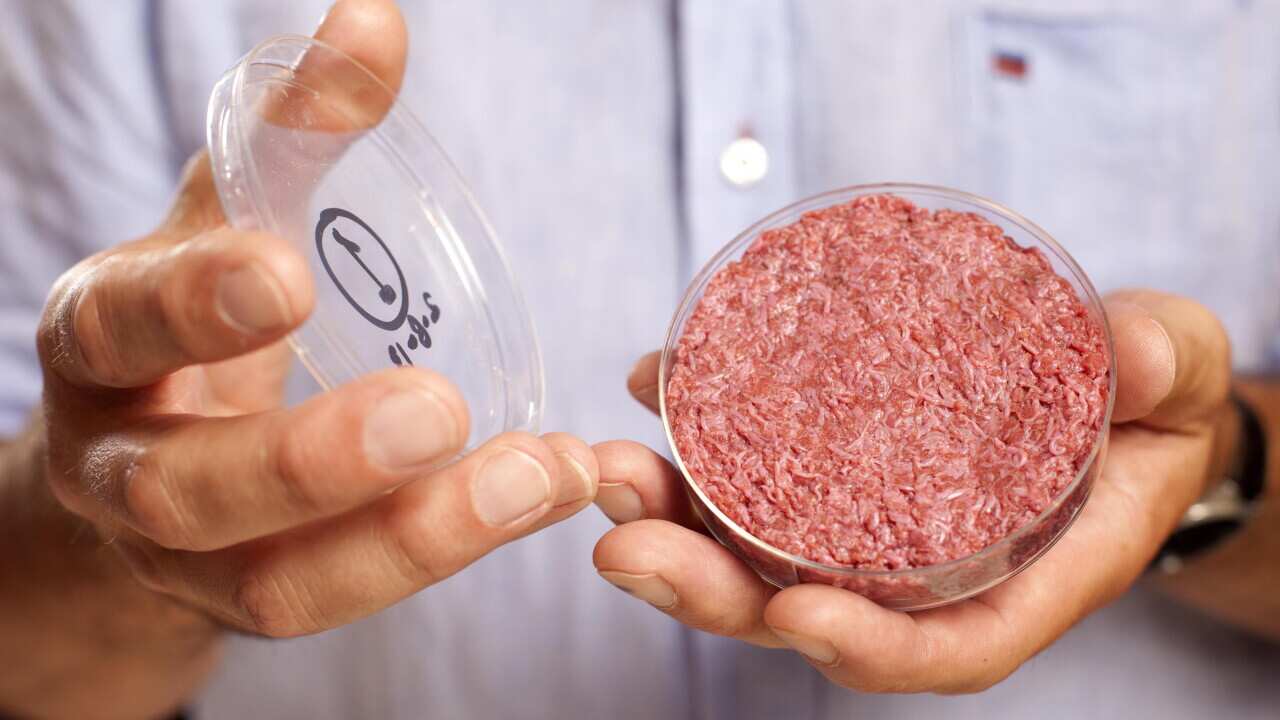
Cultured meat refers to meat grown in a lab from stem cells. Uma Valeti is the CEO of the US-based company behind the program, Memphis Meats.
"We take cells from high quality animals’’ says Uma Valeti, CEO of Memphis Eats, a company that focuses on cultured meat. ‘’We feed them with the nutrients these cells need to become meat. And once they become meat, we harvest it and we cook it into the products we love to eat."

A report released in June by a consulting firm, A.T. Kearney, predicts that by 2040, cell-based meat will make up 35 per cent of meat consumed worldwide.
Mr Valeti, trained as a cardiologist and started the company after seeing how effective stem cells were in treating diseases. He admits that cultured meat is not mainstream yet, but he adds that as the population grows, the production of meat by traditional methods will increasingly face problems.
"We're actually preserving the choice of eating meat for people. Instead of saying give up eating meat or eat a meat alternative we're saying continue eating the meat that you love, let's show you how we can continue to produce it and supply it in way that you will get behind" said Mr Valeti.
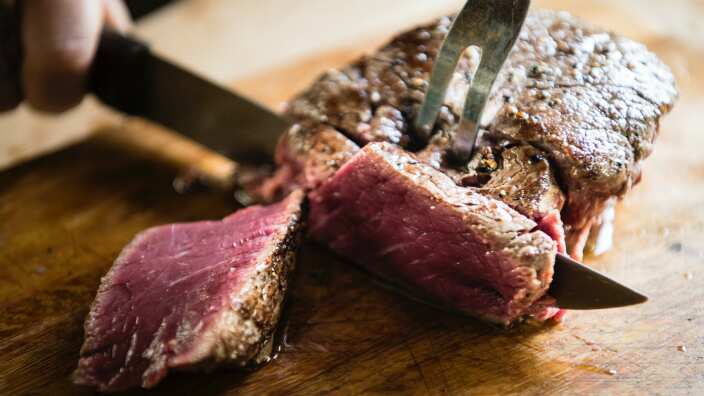
Every year, 66 billion terrestrial animals are slaughtered for food and that's likely to rise as demand increases from China and other rapidly-developing Asian countries. Grazing animals also produce 18 per cent of the world’s greenhouse gases.
The United States Department of Agriculture and its Food and Drug Administration announced plans to jointly oversee the production and labeling of cell-based meat, in order to protect the public from bacterial contamination and other health threats from lab-grown meat.
In addition, the emerging industry is likely to face resistance from livestock producers, who have been lobbying to restrict the "meat" label to food products derived from slaughtered animals.
Currently cultured meat is not on general sale to the public in Australia.