
Australia is currently negotiating a free trade deal with the EU, aiming to loosen restrictions Australian producers face in the EU markets, and increase its exports in the region.
One of the goals of the deal is to increase Australian exports to the European Union.
Speaking to the ABC, National Farmers' Federation chief executive officer Tony Mahar said that "we import more agricultural products from the EU than we export there. What we're after is a levelling of the playing field a little bit."
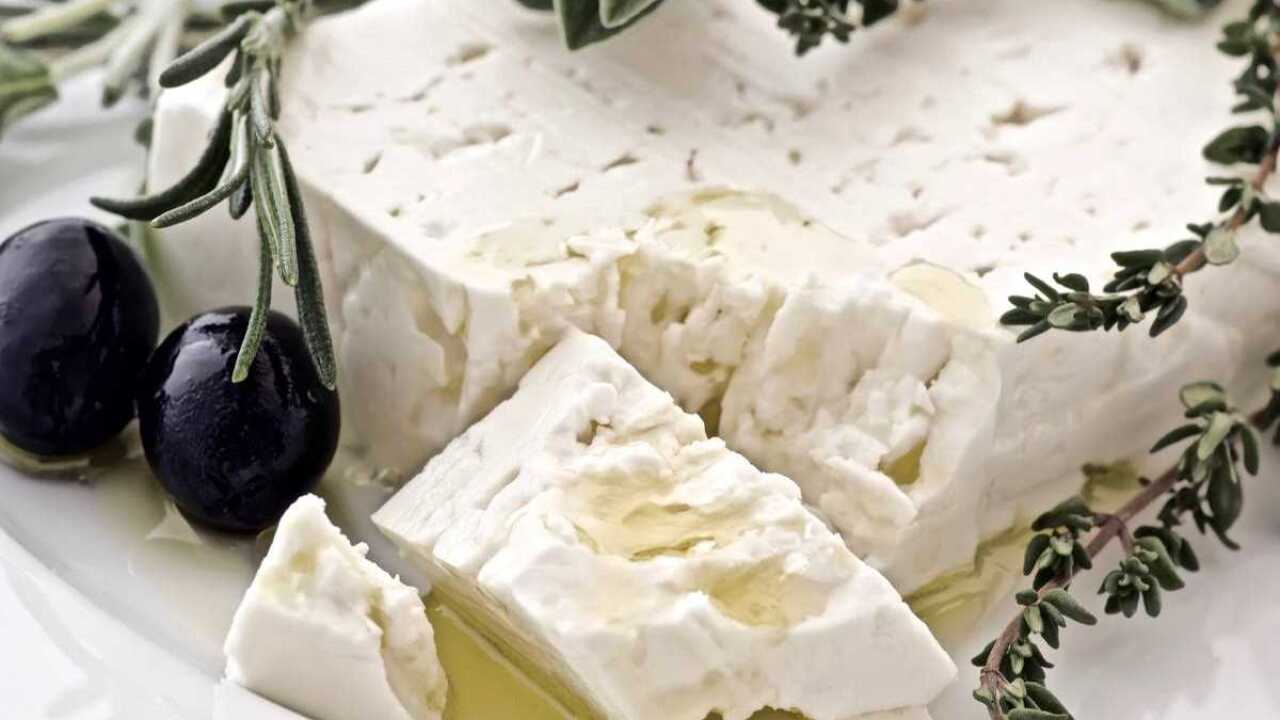
The Australian government is expecting that the EU will seek to protect certain geographical indications (GIs) as part of the deal.
This could mean that the EU will demand from Australia to drop the use of brand names such as Feta and Prosecco.
What is a geographical indication?
The World Intellectual Property Organization (WIPO) defines GIs as a sign used on products that come from a specific geographical origin. Moreover that origin is vital to the product’s quality or reputation.
Speaking to ABC, European Commissioner for Agricultural and Rural Development, Phil Hogan, said that the commission sees ‘’the GI system as rural intellectual property’’.
‘’Depending on the culture and the area and the tradition of where these products are produced, it gives a premium price and gives an added value for the producers of these products’’ said Mr. Hogan.
There are several kinds of GIs. For example, some require that a product be produced in a specific area, while others require the raw materials to come from a certain place.
The case of Feta
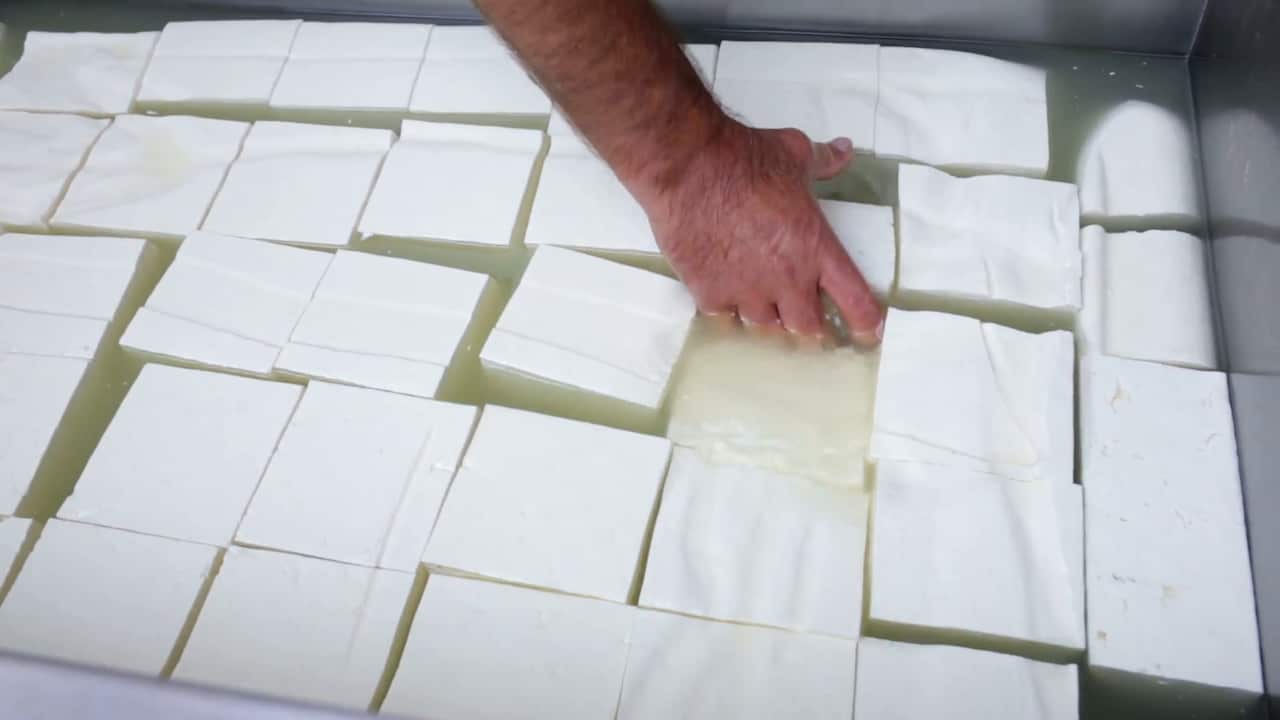
Greece is the only country in the European Union allowed to use the word Feta on its products and has received Protected Designation of Origin (PDO) status. PDO status requires that a product must be manufactured and processed in a specific area.
According WIPO, in the case of Feta, the milk used to make it must come from sheep and goats in the Greek regions of Macedonia, Thrace, Epirus, Thessaly, Central Greece, Peloponnese and Lesbos.
Mr Hogan stated that the European Commission will raise the matter of Feta with Australia as part of the negotiations for the trade deal.
‘’Feta is very important to the Greek authorities. We need to recognize that Greece and Feta are synonymous’’ said Mr. Hogan.
What does this mean for Feta producers in Australia
Trade minister, Simon Birmingham expects that the EU will seek to protect the GI’s set the matter GI’s as part of the negotiations.
This could mean that Australian producers might be forced to stop labelling their cheeses as Feta.
Mr. Birmingham said that Australia will not give up the names unless the deal is worth it, and added that the government will consult with local producers.
"We will consult with industry, we will hear their arguments and we certainly won't be trading anything away until we see the market access terms that the EU is offering us," said senator Birmingham.