Watch FIFA World Cup 2026™ LIVE, FREE and EXCLUSIVE

The Exodus of Missolonghi, the memory, the resistance and the meaning 200 years on

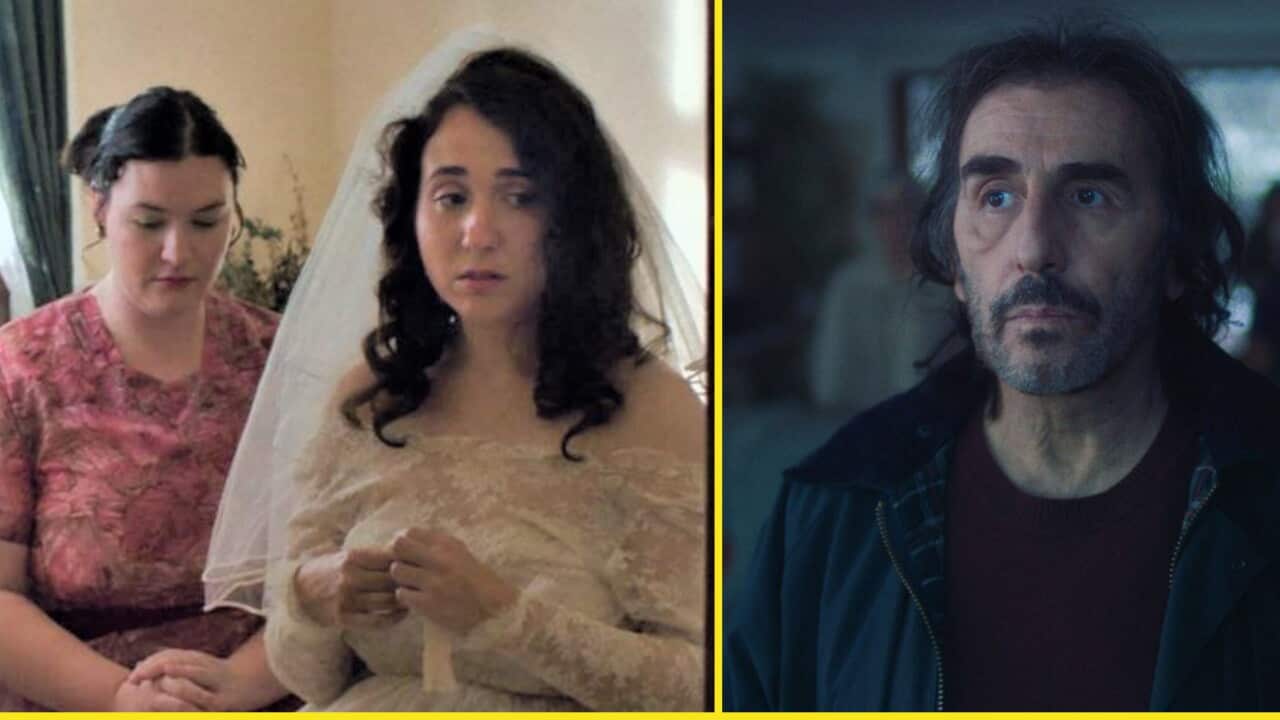
L: Theodoros Vryzakis' "The Exodus from Missolonghi", Athens, National Art Gallery and Alexander Soutzos Museum. Currently being exhibited at the Trikoupeio Cultural Centre in Mesologgi for the 200th anniversary of the 1826 Exodus. R: Dr Spiridoula Demetriou

L: Theodoros Vryzakis' "The Exodus from Missolonghi", Athens, National Art Gallery and Alexander Soutzos Museum. Currently being exhibited at the Trikoupeio Cultural Centre in Mesologgi for the 200th anniversary of the 1826 Exodus. R: Dr Spiridoula Demetriou / SBS Greek: Panos Apostolou

Two centuries after the Siege and Exodus of Missolonghi in 1826, the event continues to resonate far beyond its historical moment. For Greek/Australian historian Dr Spiridoula (Spiz) Demetriou, the story is not only one of national importance but also deeply personal


Melbourne-based Dr Spiridoula Demetriou has dedicated years to studying the legacy of the Greek city of Missolonghi.

She is among the curators of a major exhibition at Athens' Benaki Museum.

The exhibition, “Messolonghi 1826 – 200 Years Since the Exodus,” explores both the historical reality and the symbolic power of the event.

The final siege, she explains, lasted for a year, leaving the town isolated and starving.

Despite this, defenders, both Greek and foreign, held out.
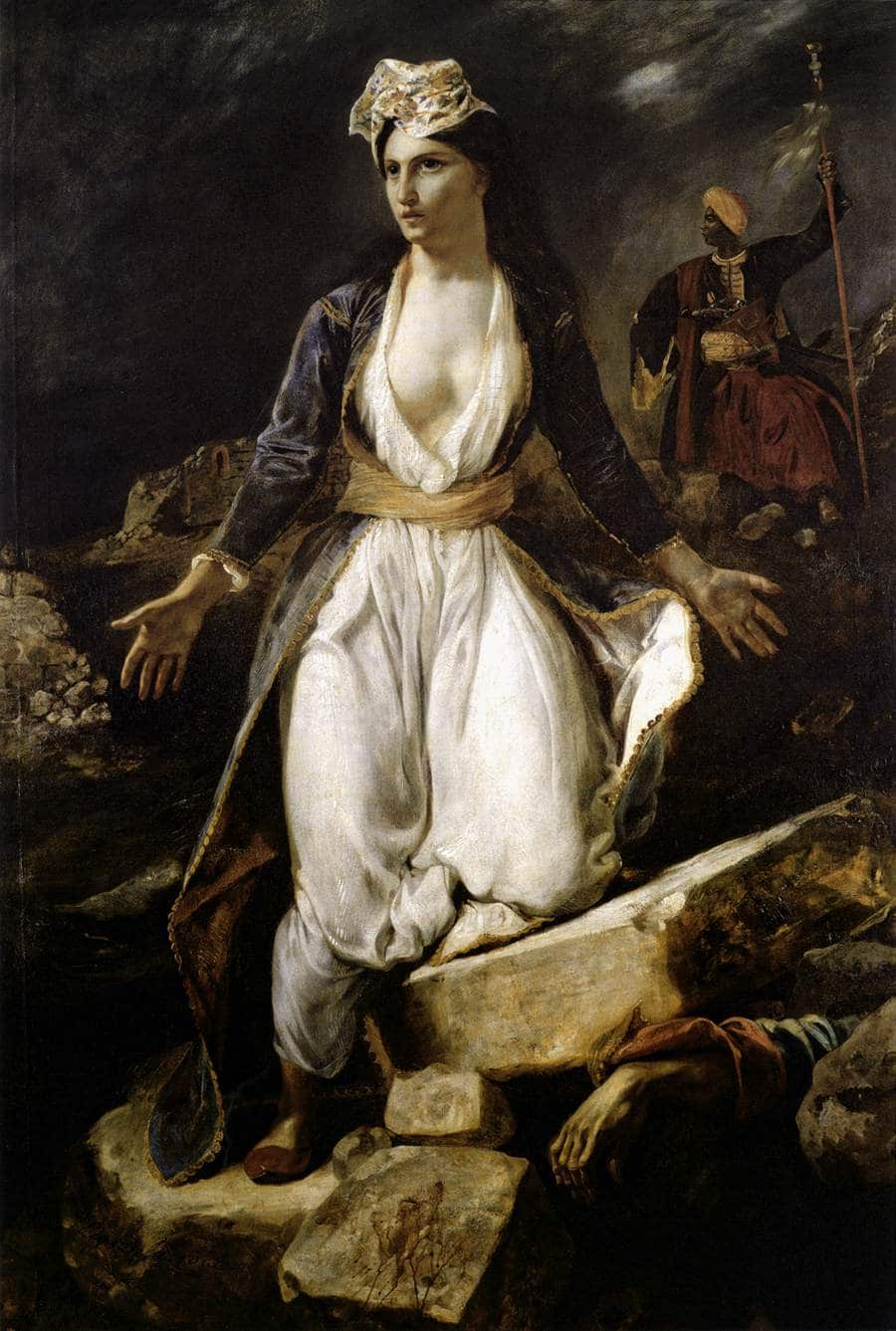
Eugène Delacroix's "La Grèce sur les ruines de Missolonghi", 1826 / Bordeaux, Museum of Fine Arts, on loan to the Xenokrateion Archaeological Museum, Mesologgi, for the exhibition "The Exodus of Missolonghi on Delacroix’s canvas" until 30th November 2026

As conditions worsened in early 1826, a collective decision was made to attempt a breakout and thousands lost their lives in the process.

One of its central aims is to trace how European artistic responses evolved from romanticised depictions of ancient Greece to politically charged images supporting the Greek struggle.

Dr Demetriou also highlights the importance of such exhibitions for the diaspora.
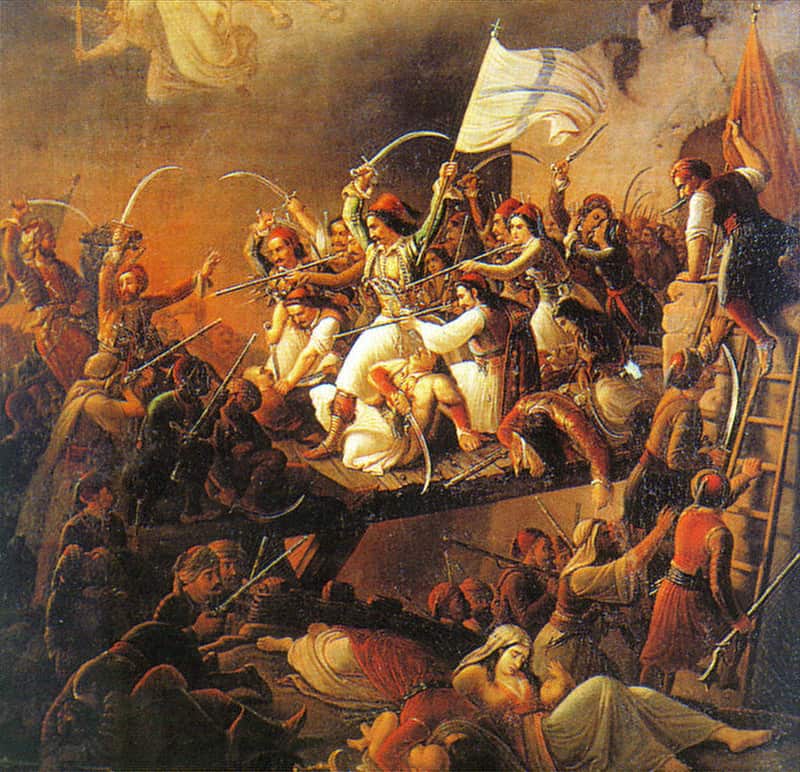
Theodoros Vryzakis' "The Exodus from Missolonghi", 1853, 169 x 127 cm, oil on canvas / Athens, National Art Gallery and Alexander Soutzos Museum. Currently being exhibited at the Trikoupeio Cultural Centre in Mesologgi for the 200th anniversary of the 1826 Exodus

While events like the Revolution of 1821 are widely commemorated, she notes that Missolonghi has often received less attention, though this is beginning to change.

Ultimately, for Dr Dimitriou, Missolonghi is not just a chapter in history but a living cultural memory.

“We treat it culturally… It’s like our Anzac Day. We commemorate it regardless of the anniversary.”
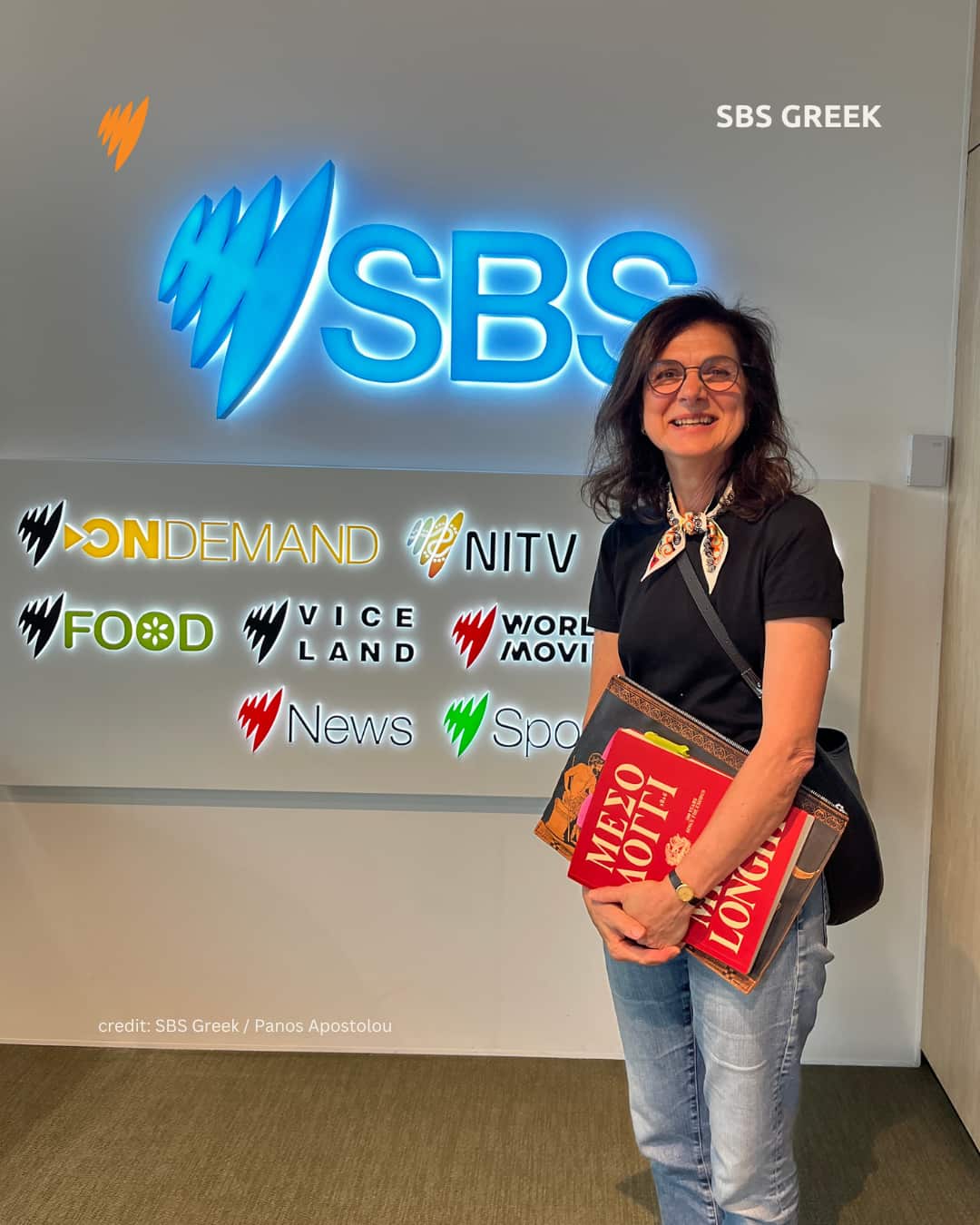

Dr Spiridoula Demetriou, Melbourne, April 2026
Dr Spiridoula Demetriou, Melbourne, April 2026 / SBS Greek: Panos Apostolou

Share

Follow SBS Greek

Download our apps

Listen to our podcasts

Get the latest with our exclusive in-language podcasts on your favourite podcast apps.

Watch on SBS

Greek News

Watch it onDemand

Watch now