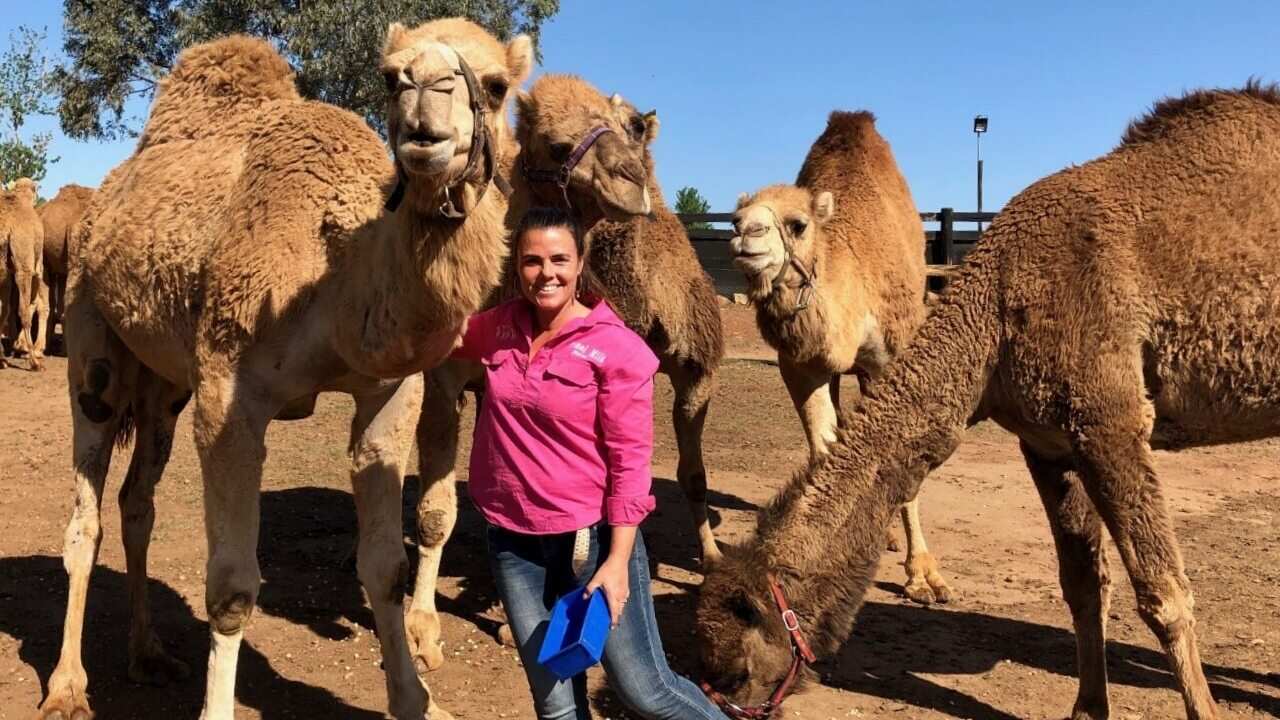

First brought to Australia in the 19th century from India and Afghanistan, it’s estimated that there are now about a million wild camels across the country. In an effort to control numbers, hundreds of thousands are culled each year, but an Australian camel farmer is aiming to change negative perceptions of the animals, and their milk.
When Michelle Phillips drove from her home in the Upper Hunter Valley of New South Wales to the rural Victorian town of Shepparton, she had never worked on a farm, let alone milked a camel.
But after learning about the culling of wild camel populations, she felt compelled to rescue some camels that were destined for the abattoir.
Captured and loaded onto trucks while roaming the plains between South Australia and Uluru, Ms. Phillips saved five females and their calves.
"Just the fact that these guys are huge and live out in the bush and people think that they are smelly and stinky - but I don't. I just see them as another animal that deserves to be able to live in peace,"says Ms. Phillips.
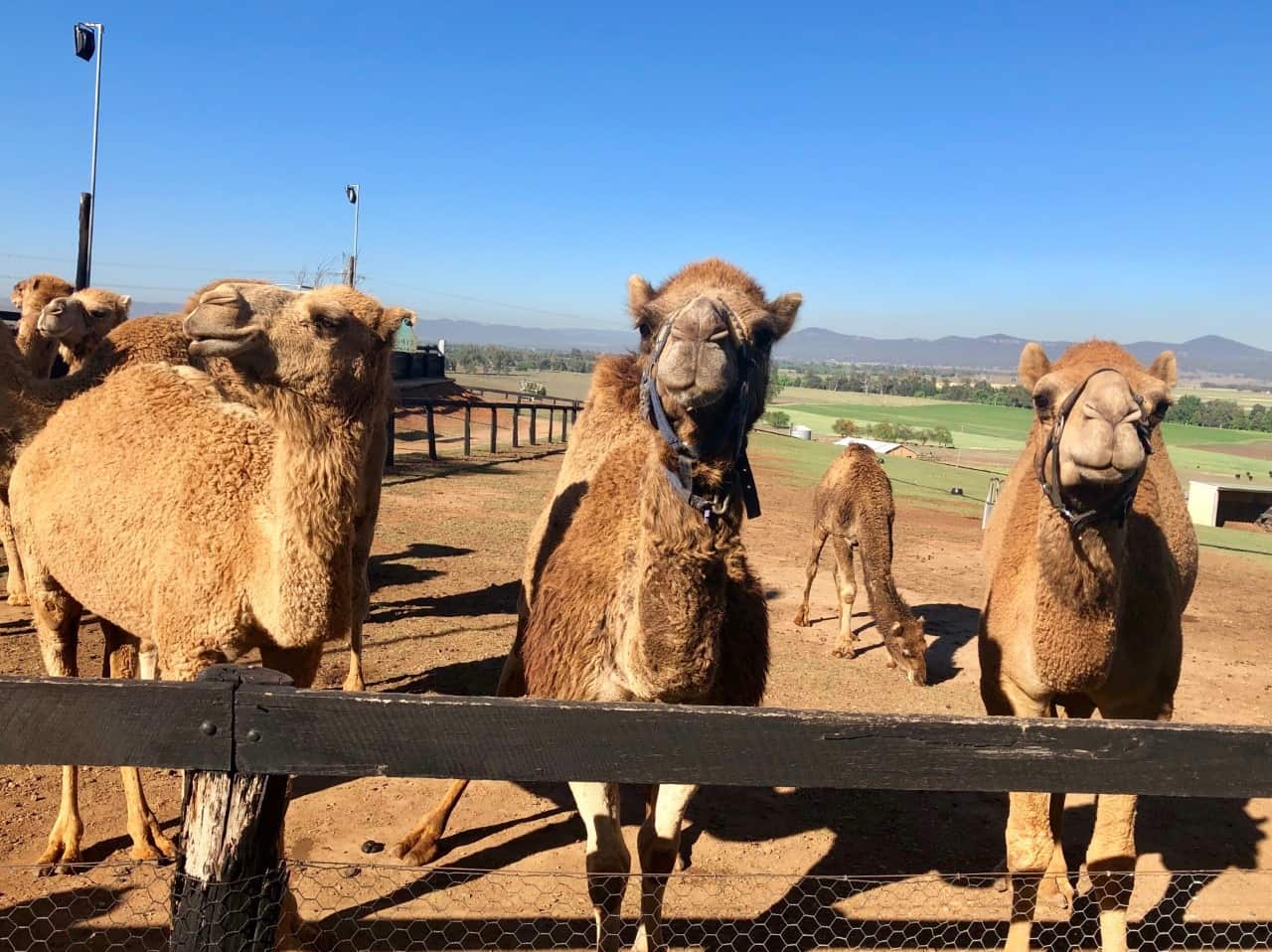
Now she owns Camel Milk New South Wales, the only licensed camel-milk dairy in the state. With a herd of 80 rescued camels, female calves are kept for milking while males graze local fields and are used for weed-control on organic farms.
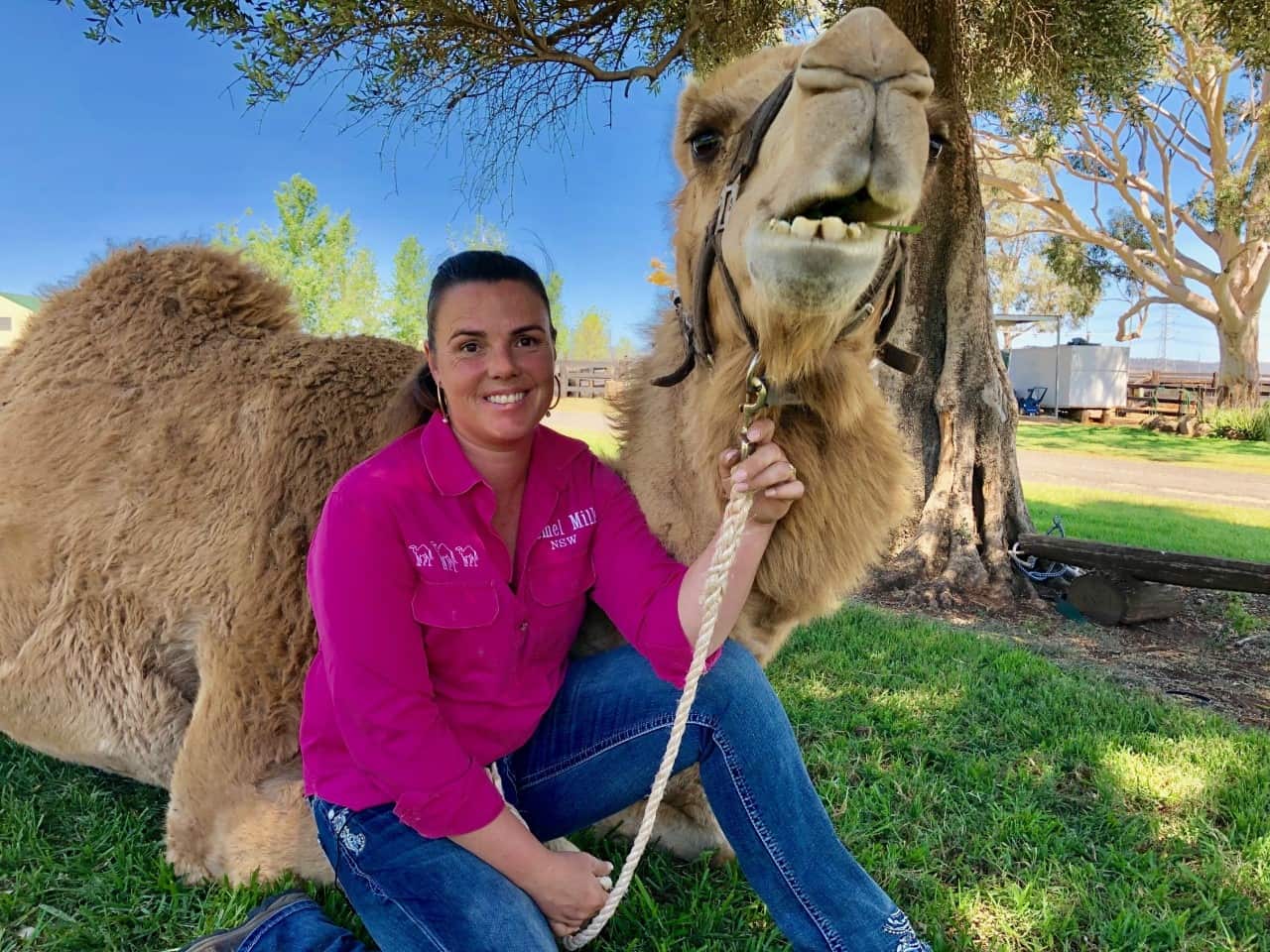
Formerly a cake decorator, Ms Phillips learnt quickly on the job, patiently training her wild camels to tolerate the milking-machine process.
Producing a substantially smaller yield than cows, the business still provides up to 300 liters a week, on order, though limited output means it’s more expensive.
“A camel will produce an average of five litres whereas a cow produces 30 litres and you'll milk them twice a day, so that’s 60 litres straight up. If you worked out the comparisons, if a camel produced 30 liters a day, the price of milk would be more similar."
Nicknamed 'white gold', traditional markets for camel milk includes Africa, the Middle East and Asia.
Although it is a relatively new taste in Australia, domestic customers include those with a cultural preference for camel milk such as people of Somali or Middle Eastern origin, as well as a growing customer base who are buying camel milk for its potential health benefits.
Potential health benefits
In 2006, the nutritional value of camel milk was confirmed by the United Nations Food and Agriculture Organization.
Jane Freeman, an accredited practicing dietitian and spokeswoman for the Dietitians Association of Australia, says camel milk can be a healthy option.
"It's high in protein, calcium and a key range of vitamins and minerals like iron and Vitamin C, and some early research is also suggesting that it may be helpful for people with insulin-dependent diabetes."
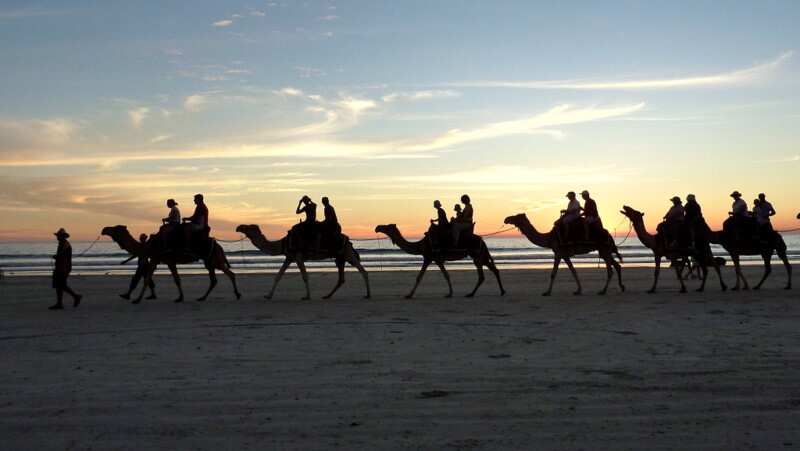
But Ms. Phillips' main goal is to challenge the negative stigma associated with the animal she adores.
"They produce food, they produce meat, they're part of our lives and we're just basically trying to save a creature from being slaughtered and basically left for dead out in the bush."
Currently a fledgling industry in Australia, government reports have forecast expansion in camel milk production between 2016 and 2021, with levels projected to rise to an estimated 50,000 liters per annum.
Ms Phillips hopes the growing interest may be a solution to Australia’s wild camel population.