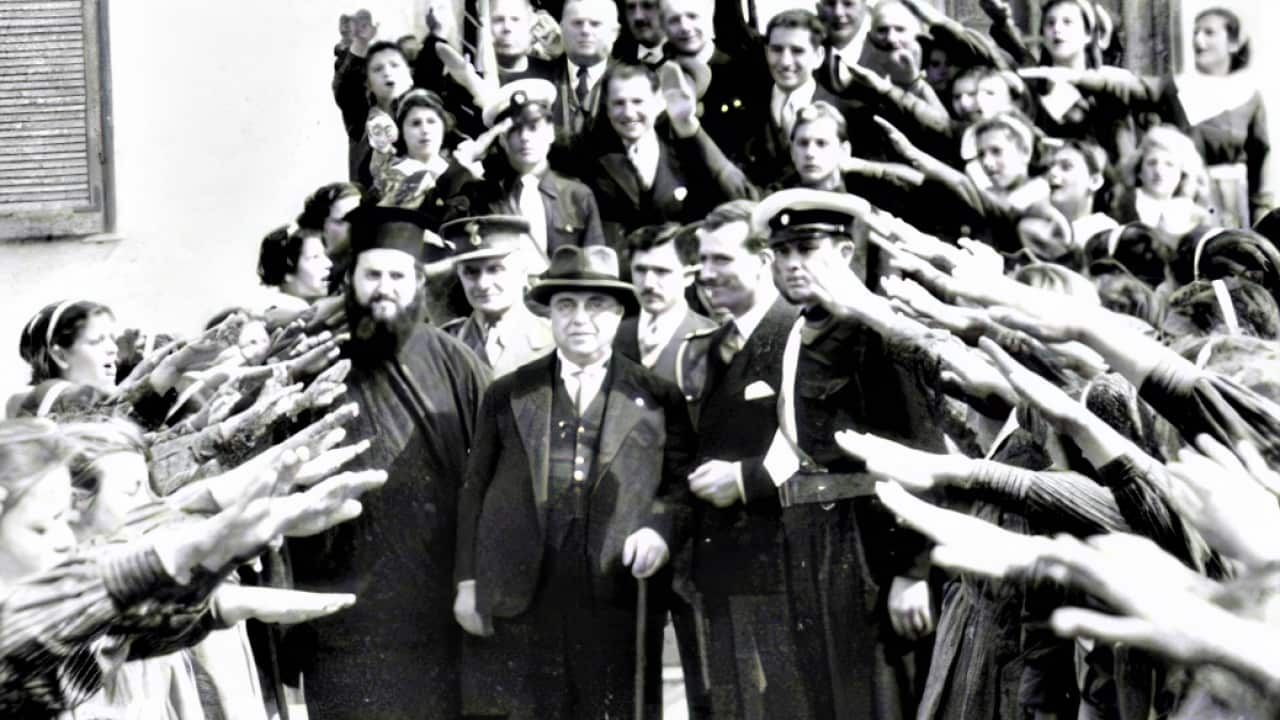

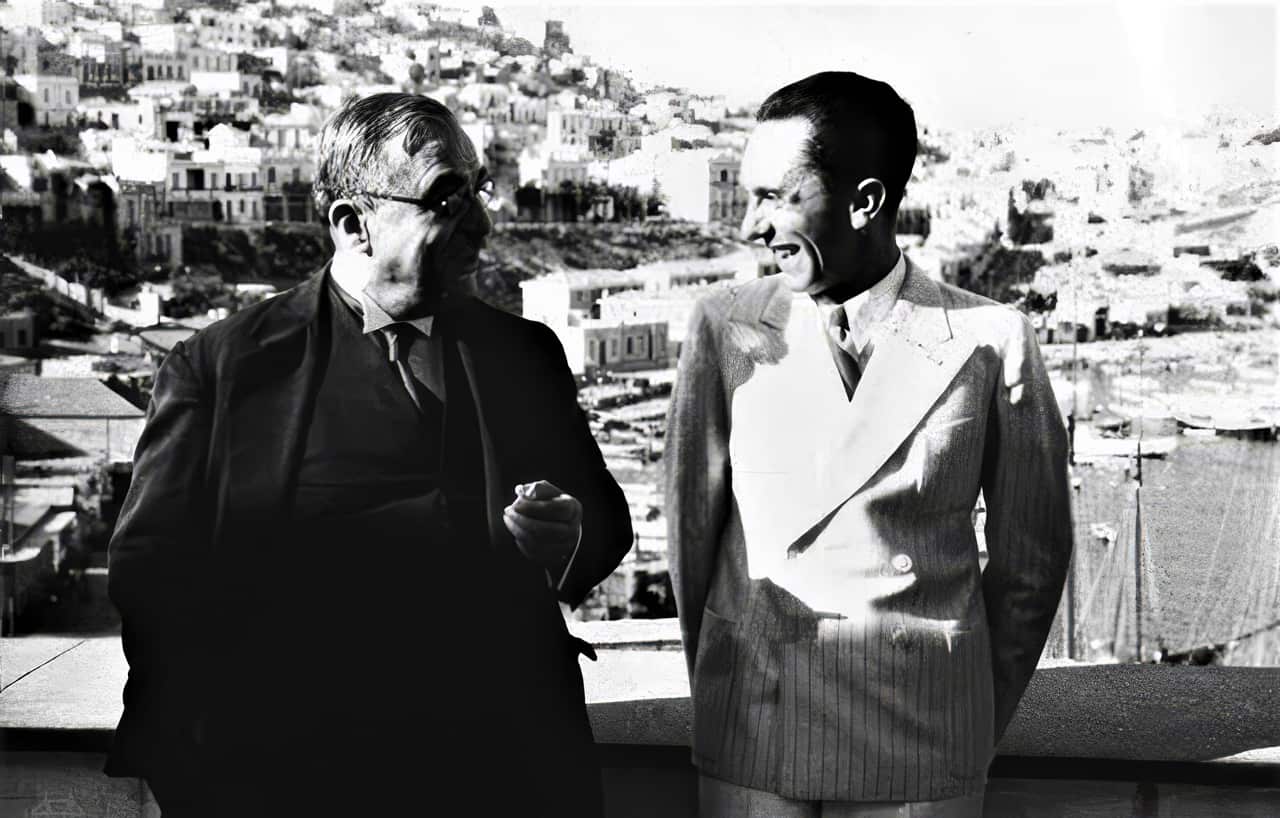
A Greek Australian researcher challenges the story behind the 4th of August Regime. He spoke to SBS on the occasion of the 90th anniversary of the establishment of the fascist dictatorship of then Greece's Prime Minister Ioannis Metaxas
The dictatorship lasted only until Metaxas's death and the Axis occupation in 1941, but its historical footprint remains enormous.
A new honours thesis by University of Melbourne researcher Dean Kontos, supervised by Dr Ángel Alcalde, re-examines how the regime came to power.
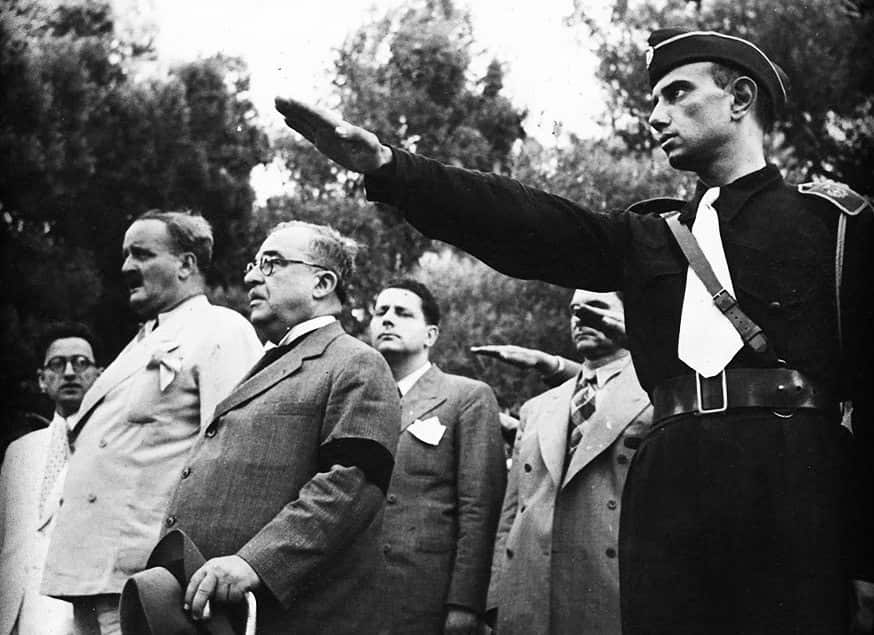
Rather than treating the dictatorship as the inevitable outcome of Greece's internal monarchist–republican feud, Mr Kontos argues that transnational fascist ideas, flowing from Italy, Germany, Spain, Yugoslavia and beyond, actively shaped Greece's authoritarian turn between 1934 and 1936.
Drawing on “Kathimerini”, the communist newspaper “Rizospastis”, Metaxas's diaries and the reports of US ambassador Lincoln MacVeagh, Kontos describes a "top-down, voluntary fascistisation":

a hybrid regime that borrowed fascist ideas without a mass movement.
That finding complicates the irony at the heart of Ochi Day, a national holiday celebrating a dictator who ultimately fought the very powers that inspired him.
Speaking to SBS Greek, Mr Kontos said the lesson for today is stark: "Dictators can come in the dead of night.
Dictators can come from within. Dictators can understand and manipulate the very democratic system we have built ourselves."
Mr Kontos is now in Greece researching state and party archives as he prepares a PhD application to continue his work.