


Α recent study has found that people who exhibit symptoms but have not been diagnosed with an eating disorder, can still sever impacts on their quality of life. We hear more from study co-author, Professor Cathy Mihalopoulos.
Researchers from the universities of Deakin, Western Sydney and Adelaide University, have conducted a study, researching the impact eating disorders can have on our quality of life.
What are eating disorders
‘’Ultimately it’s what we call dysfunctional eating patterns that cause people some distress and problems’’ says the study’s co-author Professor Cathy Mihalopoulos from Deakin University. She notes that ‘’the most well-known eating disorders are probably anorexia and bulimia’’. Anorexia is commonly associated with extreme weight loss, while bulimia is about eating and then purging.
The study, published in Psychological Medicine Journal, found that people with eating disorders face difficulties in their everyday life, which are similar to those caused by other mental health issues. The same applies to people who have ‘’sub-threshold’’ eating disorders, meaning, those who exhibit some of the signs but have not been diagnosed yet.

Impacts on everyday life
The researchers used a scale called Short Form 6 Dimensions. It examines the impact eating disorders have in several factors of our quality of life: Physical health, mental health, social functioning, pain, vitality and our ability to perform tasks such as work or other activities.
‘’People with eating disorders have problems in each of those areas, and people with sub-threshold eating disorders have problems across some of those domains’’ says Professor Mihalopoulos.
She states that according to the study’s findings, artificial boundaries of ‘’yes or no’’ in regards to whether someone has an eating disorder, ‘’while helpful, do not provide the full picture’’ and highlights that the impacts can be severe even in the cases of people without full-blown eating disorders.
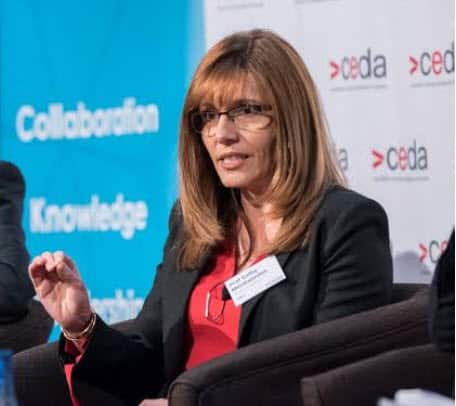
Cathy Mihalopoulos is Chair and Head of Deakin Health Economics, at Deakin University.
Press Play to hear the full interview in English.